Issue · Immigration

Immigration

Every immigration bill, vote, and legislator stance in Virginia, automatically classified by Maddy, our AI policy reader.

Total bills
63
119th Congress
Top supporter
James R. Walkinshaw
82% support rate
Top opponent
Jennifer A. Kiggans
19% support rate
Ranked legislators
10
5 support · 5 oppose
Key legislators

Who's moving immigration in Virginia

Legislators moving immigration in Virginia
Legislator Party Stance Support rate Votes
James R. Walkinshaw
James R. Walkinshaw House · District 11
D
Strong +
82% 98
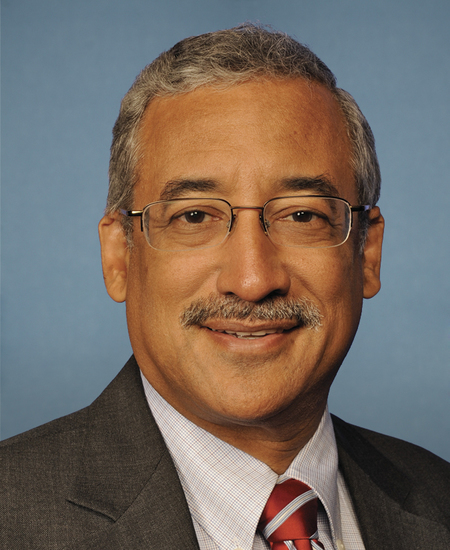
Robert C. "Bobby" Scott
Robert C. "Bobby" Scott House · District 3
D
Strong +
81% 150
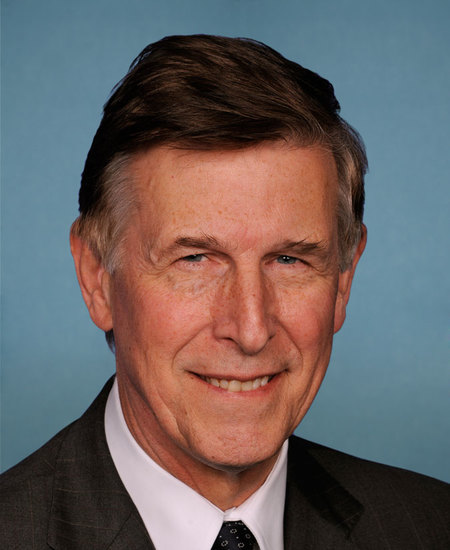
Donald S. Beyer, Jr.
Donald S. Beyer, Jr. House · District 8
D
Strong +
81% 146
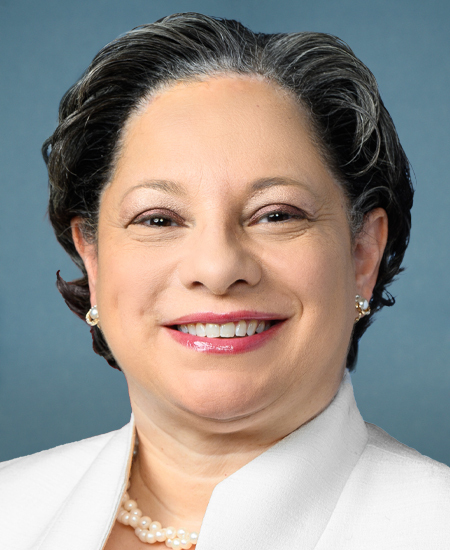
Jennifer L. McClellan
Jennifer L. McClellan House · District 4
D
Strong +
81% 150
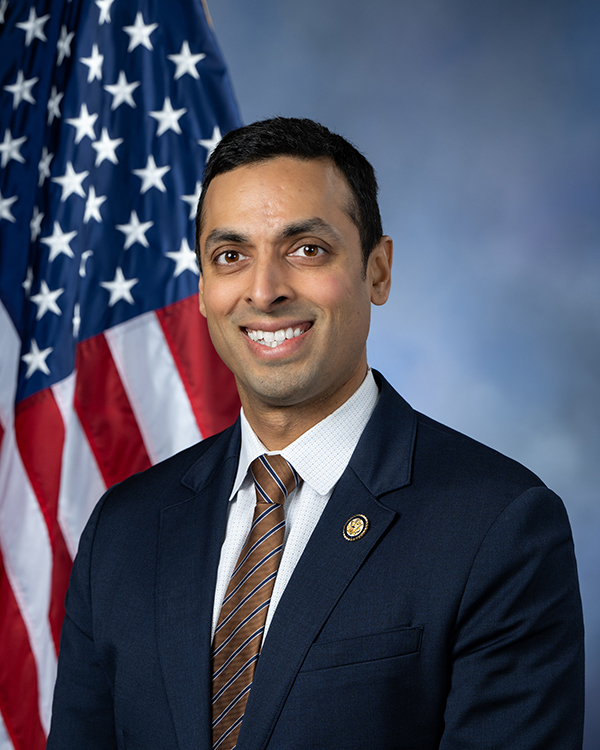
Suhas Subramanyam
Suhas Subramanyam House · District 10
D
Support
73% 149
Jennifer A. Kiggans
Jennifer A. Kiggans House · District 2
R
Strong −
19% 150
Robert J. Wittman
Robert J. Wittman House · District 1
R
Strong −
19% 150
H. Morgan Griffith
H. Morgan Griffith House · District 9
R
Strong −
19% 149
Ben Cline
Ben Cline House · District 6
R
Strong −
19% 149
John J. McGuire III
John J. McGuire III House · District 5
R
Strong −
19% 149
Showing 1–10 of 63 bills

All immigration bills

passed · United States · House Sep 1, 2026

HRES 1490: Providing for the condemnation and denouncement of socialism in all its forms, and for other purposes.

This resolution states that the House of Representatives condemns and denounces socialism in all its forms, including the Democratic Socialists of America, and opposes the implementation of socialist policies in the United States; reaffirms its support for free, fair, and secure elections and calls for enactment of the SAVE America Act; reiterates that American elections are for American citizens only; and recommits itself to upholding the U.S. Constitution.
in committee · United States · House Sep 2, 2026

HR 10222: No HUD Funding for Sanctuary Cities Act

This bill would prohibit any state or local government designated as a "sanctuary jurisdiction" from receiving grant funds distributed by the Department of Housing and Urban Development (HUD). A jurisdiction is defined as a sanctuary if it has laws, policies, or practices that restrict officials from sharing information about an individual's immigration status or from complying with federal requests to detain or notify about the release of individuals. The funding restriction would apply to grants distributed 180 days after the bill's enactment. To determine which jurisdictions qualify for this ineligibility, the HUD Secretary is required to consult with the Secretary of Homeland Security.
in committee · United States · House Jul 16, 2026

HR 9724: End Birthright Citizenship for Territories Act

This bill proposes to end automatic U.S. citizenship for people born in Puerto Rico, the Virgin Islands, Guam, and the Northern Mariana Islands starting January 1, 2027. It achieves this by amending existing immigration laws to add a specific date cutoff, meaning anyone born in these territories after that date would not be granted citizenship at birth. The legislation explicitly states that children born before the cutoff date and children born to U.S. citizens or legal permanent residents in these areas will retain their current citizenship status.
in committee · United States · House Jul 9, 2026

HR 9633: Birthright Citizenship Clarification Act of 2026

The Birthright Citizenship Clarification Act of 2026 would amend federal law to change how citizenship at birth is determined for children born in the United States. Under this proposal, a child born in the U.S. to parents who are present temporarily or unlawfully would not automatically receive citizenship, while also preserving historical exceptions for children of foreign diplomats and those born on foreign ships. The bill specifically defines temporary presence to include holders of student, work, tourist, and other nonimmigrant visas, as well as participants in the Visa Waiver Program. These changes would apply only to individuals born after the law takes effect, leaving the citizenship status of those born before that date unchanged.
in committee · United States · Senate Jun 17, 2026

S 4809: Venezuela Democratic Transition Act

The Venezuela Democratic Transition Act directs the U.S. government to impose sanctions on Venezuelan individuals and entities accused of committing gross human rights violations, specifically blocking their assets and denying them entry into the United States. These penalties include visa bans and asset freezes but contain exceptions to allow for the importation of essential goods like food, medicine, and humanitarian aid. The legislation also requires the Secretary of State to create a strategy for facilitating free and fair elections in 2026 and mandates regular reporting on the progress of Venezuela's democratic transition. Additionally, the bill establishes that any future energy agreements with Venezuela must be conducted in consultation with the democratic opposition movement.
in committee · United States · House Jun 10, 2026

HR 9249: No PLA Employees Act of 2026

This bill prohibits individuals who have worked for specific Chinese military companies or foreign institutions linked to security concerns from entering the United States or remaining in the country. It directly affects immigrants and current residents by adding these specific employers to the list of entities whose employees are barred under immigration laws. The key mechanism involves updating existing statutes to declare anyone employed by these designated groups inadmissible and deportable. Essentially, the law bans people with ties to these particular organizations from working in the U.S. or staying here legally.
in committee · United States · House Jun 4, 2026

HR 9160: No Safe Haven for Terrorist Families Act

The No Safe Haven for Terrorist Families Act expands U.S. immigration rules to bar close relatives of designated terrorists, senior officials of hostile foreign governments, and sanctioned corrupt leaders from entering or remaining in the country. It defines these "covered family members" to include spouses, children, parents, siblings, grandparents, grandchildren, and nieces or nephews of the listed threat actors, applying the ban retroactively to existing relationships. The bill mandates that visas issued to these individuals be revoked and that they face deportation without eligibility for most forms of legal relief, such as cancellation of removal. To enforce these measures, government agencies must implement new screening procedures within 180 days and submit annual reports detailing the number of inadmissibility determinations, visa revocations, and removals.
Sub-Topics Enforcement
in committee · United States · Senate Jun 16, 2026

SJRES 190: A joint resolution providing for congressional disapproval under chapter 8 of title 5, United States Code, of the rule submitted by the Executive Office for Immigration Review relating to "Appellate Procedures for the Board of Immigration Appeals".

This joint resolution seeks to officially reject a specific rule issued by the Executive Office for Immigration Review that governs appellate procedures at the Board of Immigration Appeals. By invoking a statutory mechanism known as a "congressional disapproval resolution," the bill aims to prevent the new rule from taking effect or having any legal force. If passed, it would directly impact immigration judges and attorneys who rely on the Board's appellate processes by nullifying the Executive Office's proposed changes. The measure represents a legislative check on executive agency authority rather than creating new immigration policies itself.
in committee · United States · House Apr 29, 2026

HR 8586: Americans First Immigration Act

This bill fundamentally restructures the U.S. immigration system by replacing the current employment-based visa categories with a new points-based program that prioritizes applicants with high salaries, advanced degrees, English proficiency, and U.S. military service. Under this new system, employers must attest that they have attempted to hire qualified American workers first and guarantee that hiring an immigrant will not result in layoffs of existing U.S. employees. Additionally, the bill eliminates the Diversity Lottery program, restricts certain family sponsorship categories for citizens, and imposes conditional permanent resident status on new immigrants who must prove they are not receiving public benefits and remain employed within two years. The legislation also mandates that undocumented students pay out-of-state tuition rates at colleges and requires immigrants to sign statements affirming their loyalty to U.S. constitutional principles and opposition to specific forms of persecution.
in committee · United States · House Feb 25, 2026

HR 7703: Stop Illegal Alien Cops Act

The Stop Illegal Alien Cops Act amends federal law to modify exemptions for government entities regarding firearms. Currently, federal, state, and local government agencies are generally exempt from many federal prohibitions when acquiring or supplying firearms for official use. This bill would remove that exemption for specific prohibitions, making it unlawful for government entities to provide firearms to or employ individuals who are unlawfully in the United States. Additionally, the bill removes the
Showing 1 to 10 of 63 bills
1 2 3 7 Next