Issue · Healthcare

Healthcare (Mental Health)

Every healthcare bill, vote, and legislator stance in Virginia, automatically classified by Maddy, our AI policy reader.

Total bills
59
2026 Regular Session
Top supporter
Destiny LeVere Bolling
100% support rate
Top opponent
Eric Zehr
0% support rate
Ranked legislators
10
5 support · 5 oppose
Key legislators

Who's moving mental health in Virginia

Legislators moving mental health in Virginia
Legislator Party Stance Support rate Decisive votes
Destiny LeVere Bolling
Destiny LeVere Bolling House · District 80
D
Strong +
100% 32
Rae Cousins
Rae Cousins House · District 79
D
Strong +
100% 32
Laura Jane Cohen
Laura Jane Cohen House · District 15
D
Strong +
100% 30
Debra Gardner
Debra Gardner House · District 76
D
Strong +
100% 29
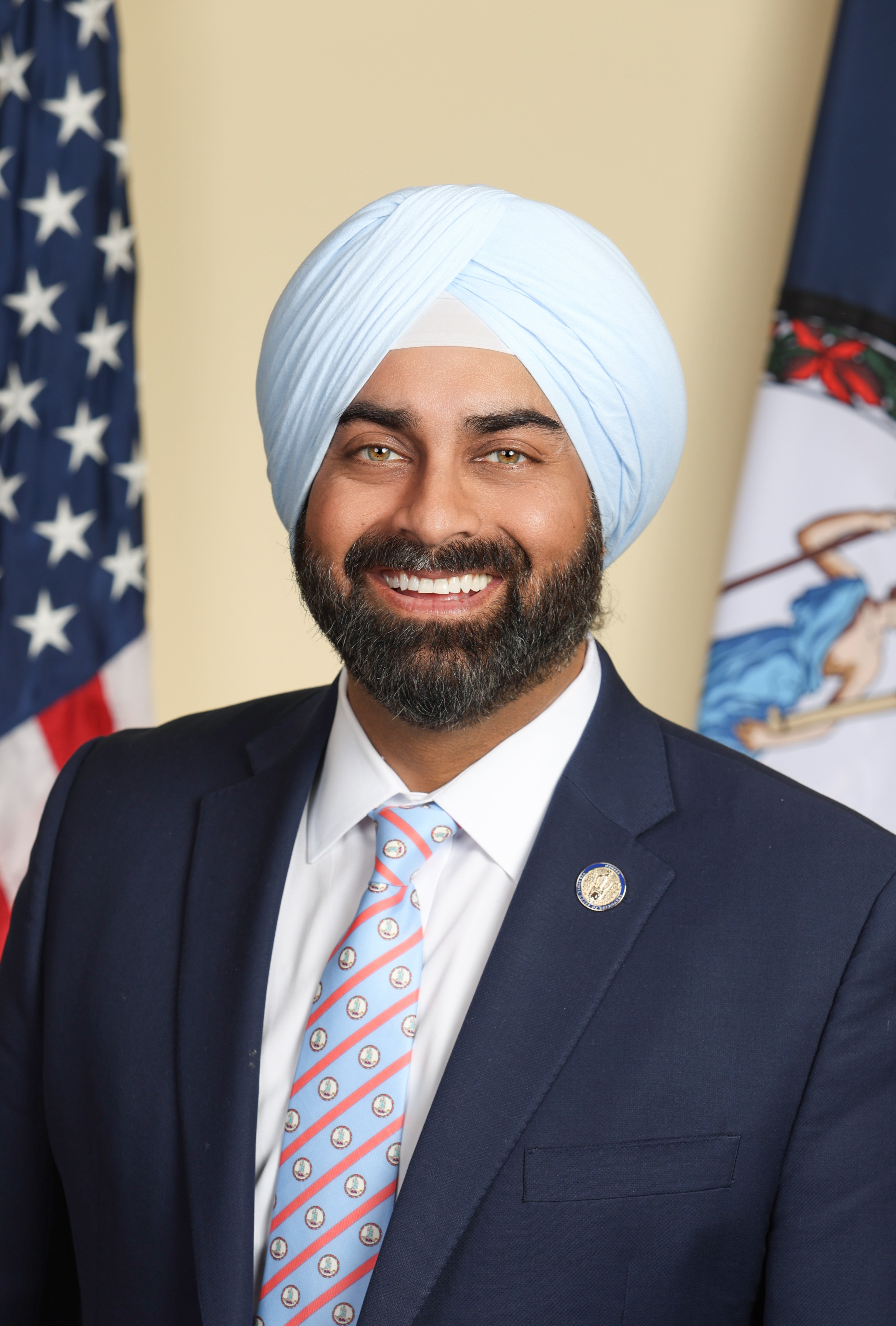
J.J. Singh
J.J. Singh House · District 26
D
Strong +
100% 28
Eric Zehr
Eric Zehr House · District 51
R
Strong −
0% 26
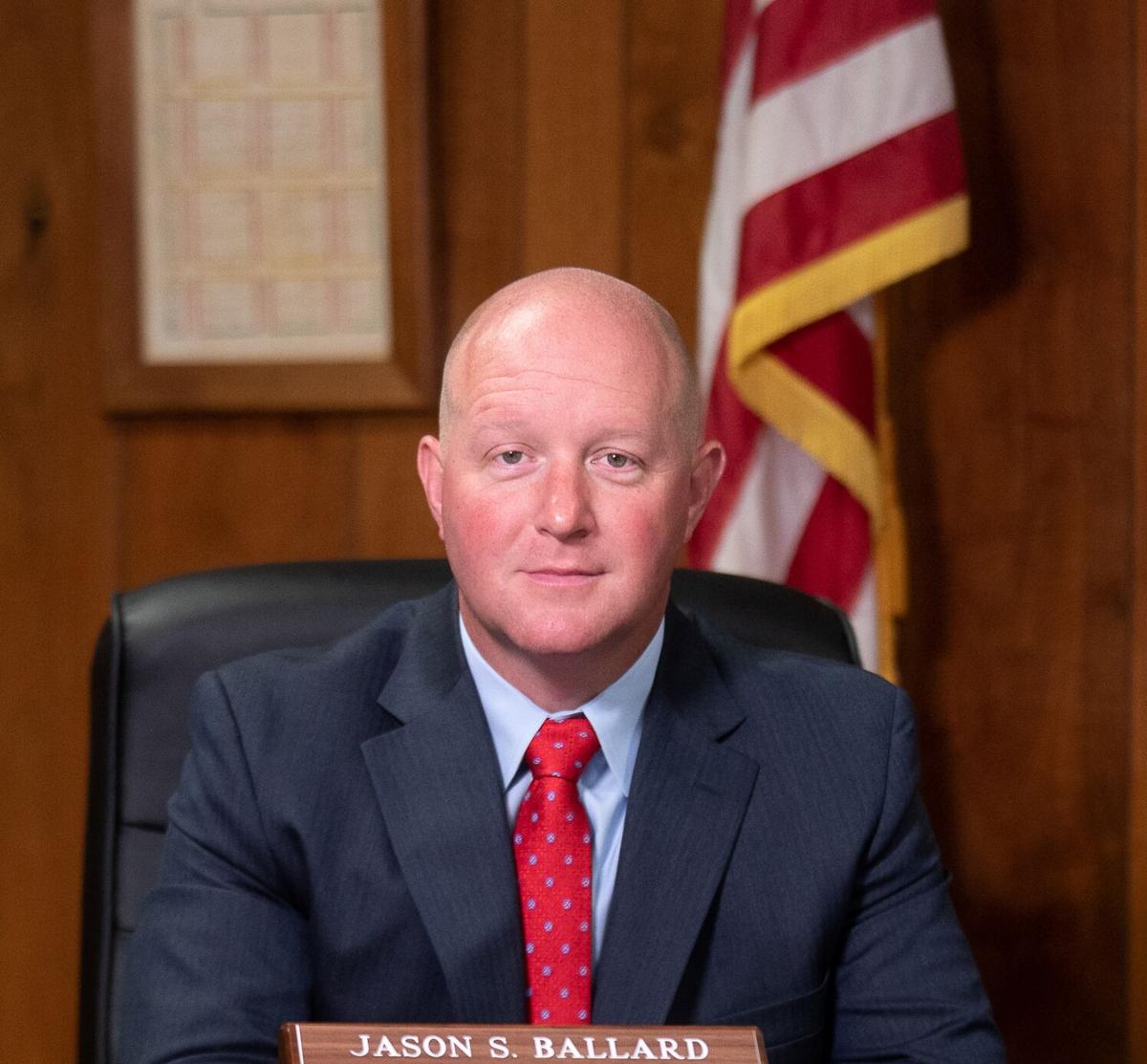
Jason Ballard
Jason Ballard House · District 42
R
Strong −
0% 25
Tony Wilt
Tony Wilt House · District 34
R
Strong −
0% 24
Karen Hamilton
Karen Hamilton House · District 62
R
Strong −
0% 22
Ellen McLaughlin
Ellen McLaughlin House · District 36
R
Strong −
0% 19
Showing 41–50 of 59 bills

All healthcare bills

signed · Virginia · Senate Apr 6, 2026

SB 580: Individuals receiving services in a hospital, training center, etc.; right to send and receive mail.

Department of Behavioral Health and Developmental Services; individuals receiving services; right to send and receive mail. Allows state facilities operated by the Department of Behavioral Health and Developmental Services to process sealed letter mail for electronic delivery. This bill is identical to HB 1304.
in committee · Virginia · House of Delegates Feb 18, 2026

HB 337: Community health workers; DMAS to evaluate, etc., to integrate into Medicaid managed care, report.

Department of Medical Assistance Services; community health workers in Medicaid managed care; report. Directs the Department of Medical Assistance Services (DMAS) to evaluate and develop recommendations for a statewide strategy to integrate community health workers into Medicaid managed care and related health and human services programs. The bill instructs DMAS to consult with the Department of Health, the Department of Social Services, the Department of Behavioral Health and Developmental Services, the Department for Aging and Rehabilitative Services, the Virginia Community Health Worker Association, Medicaid managed care organizations, local departments of social services, community-based providers, and other relevant stakeholders. The bill requires DMAS to submit a report of its findings and recommendations to the Joint Commission on Health Care and the Chairs of the House Committee on Appropriations and the Senate Committee on Finance and Appropriations by December 1, 2026.
Sub-Topics Medicaid Mental Health
signed · Virginia · House of Delegates Apr 13, 2026

HB 1113: Culturally responsive & language-appropriate mental health support & services; guidance & policies.

Department of Education; culturally responsive and language-appropriate mental health support and services; guidance and policies. Requires, no later than October 1, 2027, the Department of Education to develop, adopt, and provide to each local school board guidance on the adoption of policies governing the provision of culturally responsive and language-appropriate mental health support and services for students in the local school division and permits any school board to develop and adopt policies in the local school division that are consistent with the guidelines adopted and provided by the Department of Education.
vetoed · Virginia · House of Delegates Apr 11, 2026

HB 931: Recovery residences; regulations.

Recovery residences; regulations. Establishes certain requirements for recovery residences and directs the State Board of Behavioral Health and Developmental Services (the Board) to promulgate regulations to establish minimum certification standards for recovery residences. The bill also requires that the regulations promulgated by the Department of Behavioral Health and Developmental Services (the Department) related to the certification of recovery residences include provisions that no recovery residence, or operator, employee, or agent of a recovery residence, may require a resident to participate in medical or psychological services, including clinical substance use treatment, that such recovery residence receives financial benefit from, either directly or indirectly, as a condition of entering or continuing residence at such recovery residence. The bill requires the Department to monitor credentialing agencies providing credentials to recovery residences to ensure criteria related to certification comply with regulations and specifies that no such credentialing agency shall provide credentials to a recovery residence that is owned or operated by an individual who is employed by or in a position of authority at such credentialing agency, or an immediate family member of any such individual. The bill also requires that referrals to recovery residences made by the Department, any agency of the Commonwealth, or by a court may only be made to recovery residences that are certified. This bill is identical to SB 270.
in committee · Virginia · Senate Feb 5, 2026

SB 411: Youth Health Protection Act; established, civil penalty.

Youth Health Protection Act established; civil penalty. Creates the Youth Health Protection Act, which makes it unlawful for any individual to provide gender transition procedures, defined in the bill, for minors and prohibits the use of public funds for gender transition procedures. The bill allows parents, guardians, or custodians to withhold consent for any treatment, activity, or mental health care services that are designed or intended to form their child's conceptions of sex and gender or to treat gender dysphoria or gender nonconformity. The bill prohibits government agents, other than law-enforcement personnel, from encouraging or coercing a minor to withhold information from the minor's parent. The bill establishes a duty for a government agent with knowledge that a minor has exhibited symptoms of gender dysphoria or gender nonconformity or otherwise demonstrates a desire to be treated in a manner incongruent with the minor's sex to immediately notify each of the minor's parents, guardians, or custodians in writing, with descriptions of relevant circumstances. The bill prohibits discrimination against persons (i) providing information regarding violations of the Act to their employer or specified public entities or (ii) who make disclosures under the Act of information that evinces any violation of law, rule, or regulation; any violation of any standard of care or other ethical guidelines for the provision of health care service; or gross mismanagement, a gross waste of funds, an abuse of authority, or a substantial and specific danger to public health or safety. The bill establishes a civil action for any violation of the Act by a clinic, health care system, medical professional, or other responsible person with a two-year statute of limitations. The bill prohibits political subdivisions of the Commonwealth from enacting, adopting, maintaining, or enforcing any measure that interferes with the professional conduct and judgment of a mental health care professional or counselor undertaken within the course of treatment and communication with clients, patients, other persons, or the public. The bill provides for enforcement by the Attorney General or a mental health care professional or counselor through an action for injunctive relief and allows a mental health care professional to recover reasonable attorney fees and reasonable costs incurred in obtaining an injunction. The bill waives sovereign immunity to suit and immunity from liability under this statute.
passed · Virginia · Senate Mar 2, 2026

SB 269: Mental health service providers; definitions, use of artificial intelligence system, civil penalty.

Use of artificial intelligence system by mental health service providers; civil penalty. Permits the use of an artificial intelligence system by mental health service providers to assist in providing therapy or counseling services if such mental health service provider maintains full responsibility for all interactions, outputs, and data use associated with the system. The bill prohibits the use of an artificial intelligence system to provide therapy or counseling services without a mental health service provider. The bill specifies that records kept by mental health service providers must comply with health records privacy requirements; creates an exception for religious counseling, peer support, or self-help materials and educational resources; and establishes a civil penalty not to exceed $10,000 for violations of the statute.
in committee · Virginia · Senate Feb 12, 2026

SB 740: Breakthrough Therapies for Veteran Suicide Prevention Act; fund and council established, report.

Breakthrough Therapies for Veteran Suicide Prevention Act; fund and council established; report. Establishes the Breakthrough Therapies for Veteran Suicide Prevention Fund (the Fund) to provide funding to support clinical research and implementation of FDA Breakthrough Therapies, defined in the bill, for the treatment of post-traumatic stress disorder, treatment-resistant depression, major depressive disorder, and traumatic brain injury. Under the bill, the Fund shall be used to (i) establish public-private partnerships to jointly fund Phase III clinical trials of FDA Breakthrough Therapies; (ii) conduct investigator-initiated clinical trials; (iii) establish a compassionate use program; (iv) create education and training opportunities for mental health professionals; (v) begin patient access pilot programs; and (vi) conduct implementation studies for best practices, cost-effectiveness, and methods to reduce treatment costs. The bill also establishes the Breakthrough Therapies for Veteran Suicide Prevention Advisory Council to advise the Department of Health on administration of grant funding or contracting to carry out the purposes of the Fund. Finally, the bill requires the Board of Pharmacy to amend its regulations to designate, reschedule, or deschedule a controlled substance in accordance with federal law after the expiration of 30 days from the publication in the Federal Register of a final or interim final order or rule.
signed · Virginia · Senate Apr 13, 2026

SB 133: Parental prenatal & postnatal substance use; work group to evaluate Commonwealth's response to use.

Department of Social Services; Department of Behavioral Health and Developmental Services; Department of Health; prenatal and postnatal substance use; work group; report. Directs the Department of Social Services, Department of Behavioral Health and Developmental Services, and Department of Health to convene a work group to evaluate the Commonwealth's response to parental prenatal and postnatal substance use, the services available to address such substance use, and the effects of such substance use on newborns and children. The bill requires the work group to submit a written report of its findings and recommendations to the Chairs of the Senate Committees on Education and Health and Rehabilitation and Social Services and the House Committee on Health and Human Services by December 1, 2026. This bill is identical to HB 652.
signed · Virginia · House of Delegates Apr 6, 2026

HB 1318: Hospitals; emergency department physicians.

Hospitals; psychiatric emergency departments. Allows hospitals with psychiatric emergency departments located in the City of Hampton to operate without a physician on duty when certain conditions are met, including having written agreements in place with emergency medical service providers and being immediately adjacent to a non-psychiatric emergency department. The bill requires such psychiatric emergency departments to submit treatment data to the General Assembly on an annual basis by November 1. This bill is identical to SB 738.
in committee · Virginia · House of Delegates Feb 12, 2026

HB 1223: Health professionals; mandatory suicide training required.

Health professionals; mandatory suicide training required. Requires health care professionals to complete training in suicide assessment, treatment, and management. The bill requires counselors, licensed substance abuse treatment practitioners, marriage and family therapists, behavioral health technicians, qualified mental health professionals, occupational therapists, psychologists, and social workers to complete such training at least once every six years and requires other health professionals to complete such training once. The bill requires the Commissioner of Health and the Department of Health Professions to develop a model list of training programs in suicide assessment, treatment, and management and update such list at least once every two years.
Showing 41 to 50 of 59 bills
Previous 1 … 4 5 6 Next