Issue · Environment

Environment (Conservation)

Every environment bill, vote, and legislator stance in Virginia, automatically classified by Maddy, our AI policy reader.

Total bills
60
2026 Regular Session
Top supporter
Charniele Herring
100% support rate
Top opponent
Jason Ballard
0% support rate
Ranked legislators
10
5 support · 5 oppose
Key legislators

Who's moving conservation in Virginia

Legislators moving conservation in Virginia
Legislator Party Stance Support rate Votes
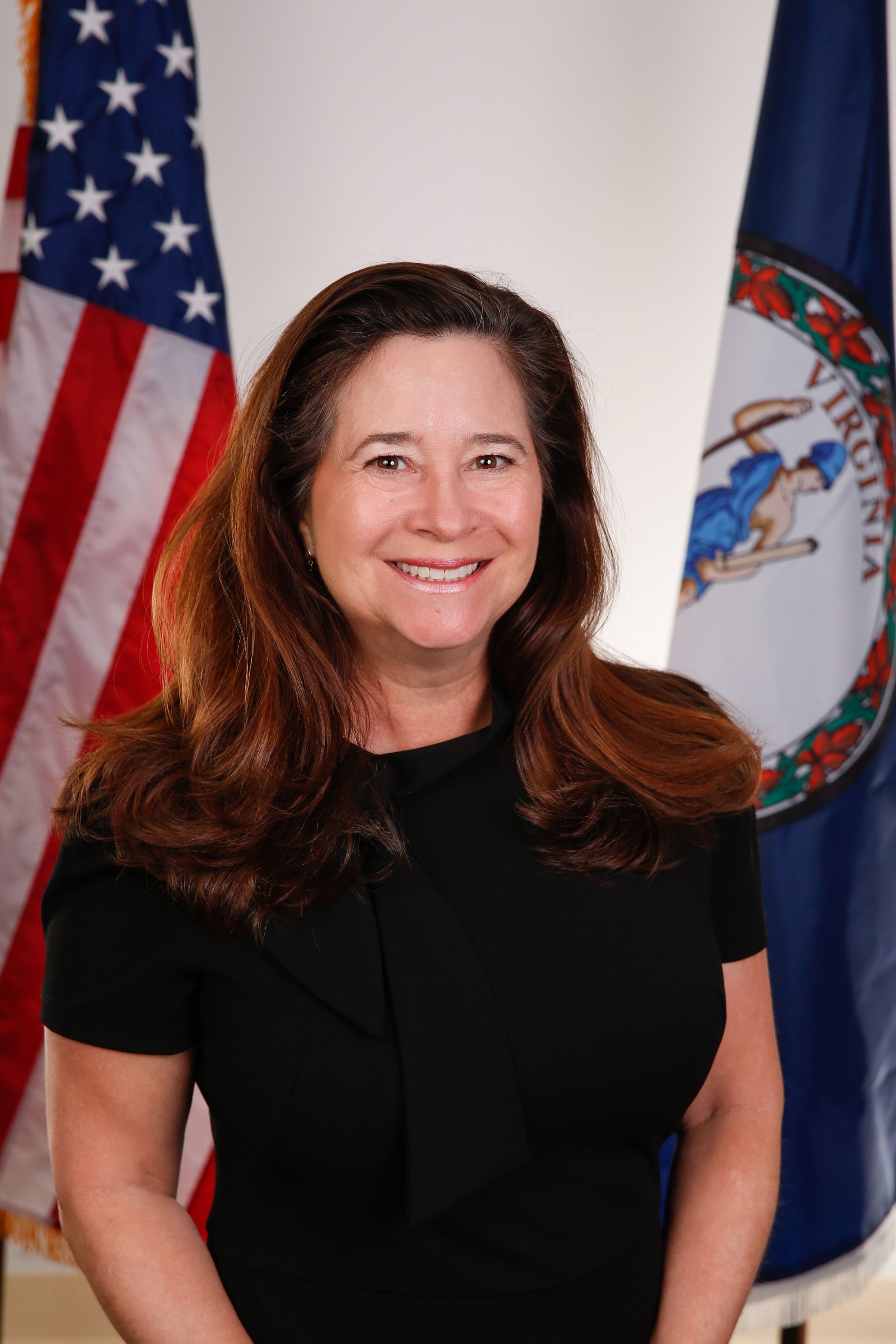
Charniele Herring
Charniele Herring House · District 4
D
Strong +
100% 39
Phil Hernandez
Phil Hernandez House · District 94
D
Strong +
100% 36
Amy Laufer
Amy Laufer House · District 55
D
Strong +
100% 35
Paul Krizek
Paul Krizek House · District 16
D
Strong +
100% 35
Shelly Simonds
Shelly Simonds House · District 70
D
Strong +
100% 35
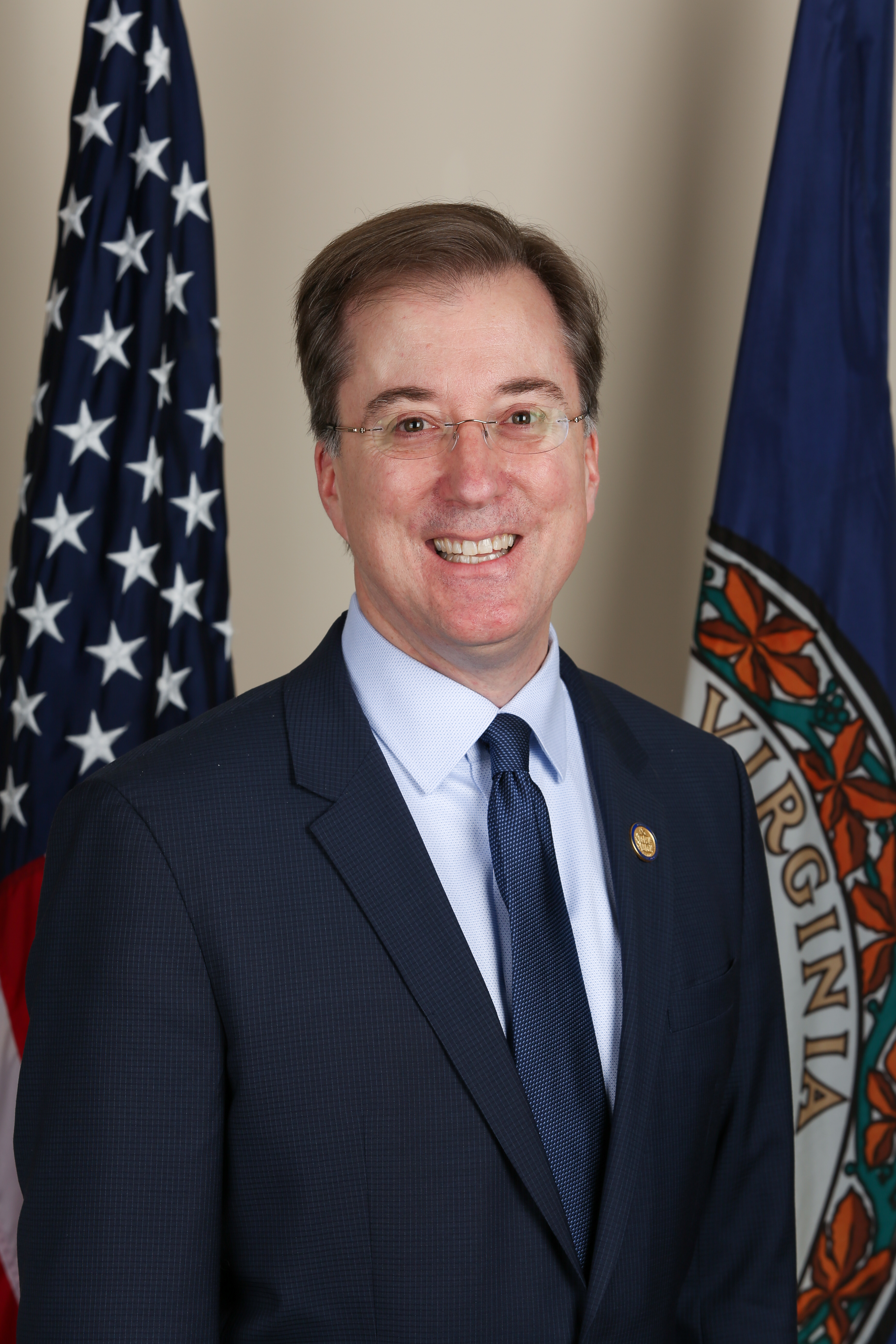
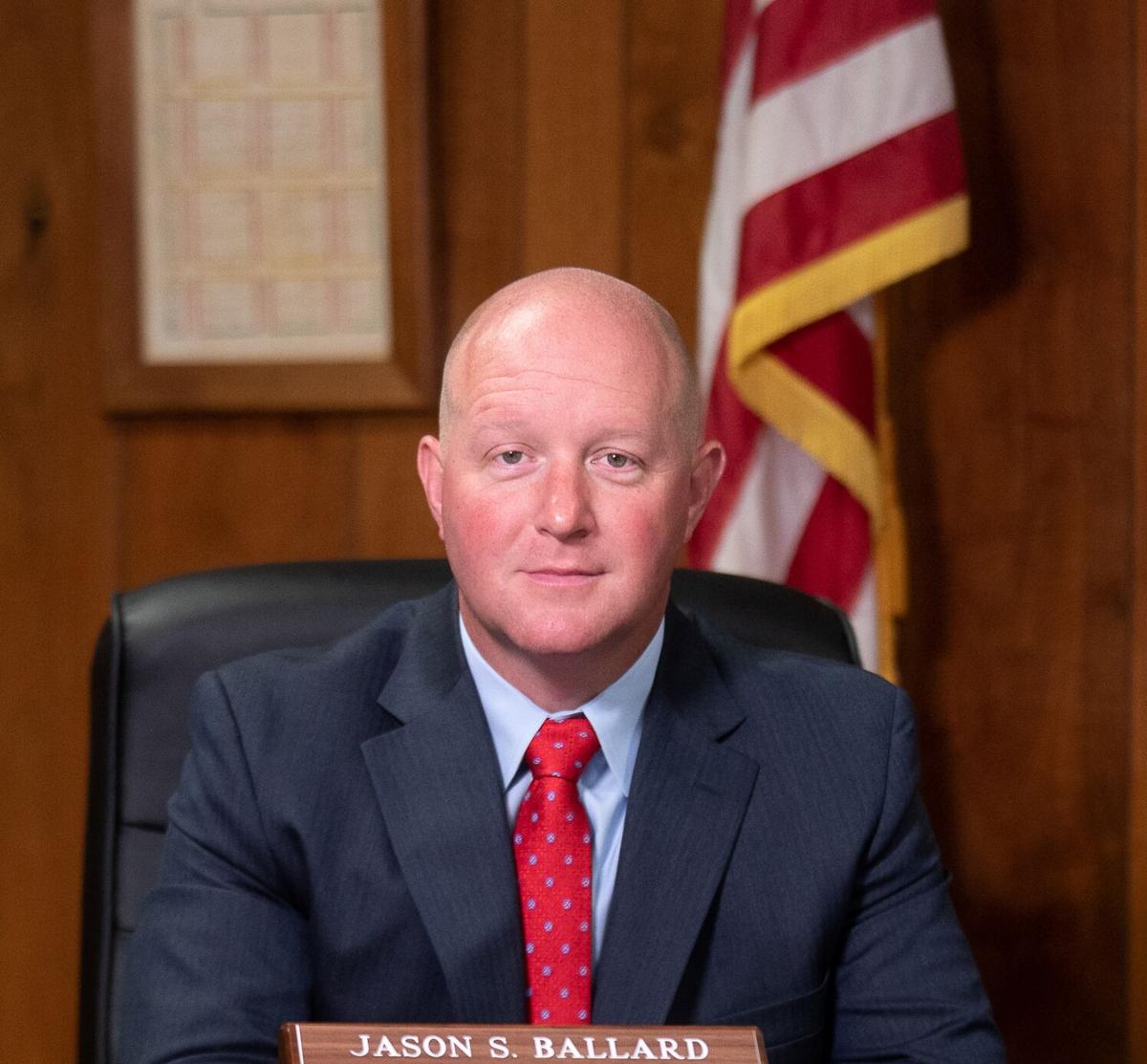
Jason Ballard
Jason Ballard House · District 42
R
Strong −
0% 25
Madison Whittle
Madison Whittle House · District 49
R
Strong −
0% 22
Eric Zehr
Eric Zehr House · District 51
R
Strong −
0% 21
Tim Griffin
Tim Griffin House · District 53
R
Strong −
0% 21
Phil Scott
Phil Scott House · District 63
R
Strong −
0% 20
Showing 51–60 of 60 bills

All environment bills

signed · Virginia · House of Delegates Apr 13, 2026

HB 543: Forest Sustainability Fund; Office of Working Lands Preservation to manage.

Office of Working Lands Preservation; powers and duties; Forest Sustainability Fund. Adds management of the Forest Sustainability Fund to the powers and duties of the Office of Working Lands Preservation within the Department of Forestry. This bill is identical to SB 522.
passed · Virginia · House of Delegates Mar 4, 2026

HB 1502: Standby generators; DEQ shall conduct a study of generators used by by commercial facilities, etc.

Department of Environmental Quality; standby generators study; report. Directs the Department of Environmental Quality to conduct a one-year study of all standby generators used by a commercial facility with an air permit in the Commonwealth. The bill requires the study to (i) identify commercial facilities with an air permit that use standby generators, (ii) identify the type of pollutants emitted from such standby generators, and (iii) analyze and describe the amount of pollutants from such standby generators. The Department is required to report its findings and recommendations to the Chairs of the House Committee on Agriculture, Chesapeake and Natural Resources and the Senate Committee on Agriculture, Conservation and Natural Resources by July 1, 2027.
Sub-Topics Conservation
in committee · Virginia · Senate Feb 10, 2026

SB 422: Virginia Conservation Easement Act; definition of federally recognized tribe.

Virginia Conservation Easement Act; definitions; federally recognized tribes. Provides that a federally recognized tribe, as defined in the bill, can be a conservation easement holder and that such a tribe is not bound by the same restrictions on the location of a principal office or the duration of existence that are placed on other types of easement holders. This bill is a recommendation of the Commission on Updating Virginia Law to Reflect Federal Recognition of Virginia Tribes.
Sub-Topics Conservation Tags Tribal Nations
passed · Virginia · House of Delegates Mar 4, 2026

HB 1475: Virginia Fungi Task Force; established, report.

Virginia Fungi Task Force established; report. Requires the Director of the Department of Conservation and Recreation to establish the Virginia Fungi Task Force to assess, categorize, and protect the Commonwealth's natural fungi species and explore the economic potential of fungi. The bill directs the Task Force to develop recommendations to (i) conduct a gap analysis and needs assessment on the Commonwealth's natural fungi species; (ii) identify economic development opportunities for fungi; (iii) build a Virginia database of native and invasive fungi species; (iv) conduct statewide fungal monitoring and research; (v) support forest health, agriculture, and water quality in the Commonwealth; (vi) provide guidance on toxic mushrooms and public safety; and (vii) build public education and identification resources on fungi in the Commonwealth. The bill requires the Task Force to report its initial findings and recommendations to the Secretary of Natural and Historic Resources and the Chairs of the House Committee on Agriculture, Chesapeake and Natural Resources and Senate Committee on Agriculture, Conservation and Natural Resources by December 1, 2027, and update such report at least every five years.
signed · Virginia · House of Delegates Apr 8, 2026

HB 1350: Virginia Erosion and Sediment Control Program; assessment for violations, etc., civil penalties.

Department of Environmental Quality; special orders; Virginia Erosion and Sediment Control Program; civil penalties. Increases the maximum civil penalty amount that the Director of the Department of Environmental Quality may assess for any special order to a person to comply with certain related laws, regulations, permits, and certifications from $10,000 to $32,500. The bill increases from $1,000 to $32,500 the maximum civil penalty that a locality authorized to administer a Virginia Erosion and Sediment Control Program is able to collect for any one violation of certain regulations, orders, ordinances, program provisions, conditions of land-disturbance approvals, and provisions of state law. The bill also provides, however, that for a land-disturbing activity that (i) disturbs an area measuring at least 10,000 square feet but less than one acre in an area not designated as a Chesapeake Bay Preservation Area and (ii) is not part of a larger common plan of development or sale that disturbs one or more acres of land, the civil penalty shall not exceed $5,000 for each violation, and a series of violations arising from the same set of facts shall not exceed $50,000.
Sub-Topics Conservation
in committee · Virginia · House of Delegates Feb 10, 2026

HB 377: Uniform Statewide Building Code; amendments, energy efficiency and conservation.

Uniform Statewide Building Code; amendments; energy efficiency and conservation. Requires the Board of Housing and Community Development to adopt amendments to the Uniform Statewide Building Code within 18 months of publication of a new version of the International Code Council's International Energy Conservation Code (IECC) to incorporate the latest IECC standards related to energy efficiency and conservation. The bill requires the Board to adopt Building Code standards that are at least as stringent as those contained in the new version of the IECC.
vetoed · Virginia · Senate Apr 13, 2026

SB 256: Appliance minimum energy and water conservation standards; requirement of manufacturers.

Minimum energy and water conservation standards; heating, ventilation, and air conditioning facilities and home appliances; Department of Energy; prohibited practices; penalty. Provides that if any product or product categories under the federal Energy Policy and Conservation Act of 1975 (the EPCA) are removed by the U.S. Secretary of Energy or the federal government, the Department of Energy shall adopt energy or water conservation standards that shall be equivalent to the last applicable federal standards with a product compliance date of on or before December 31, 2025. The bill prohibits any such new products from being sold, offered for sale, leased, or rented in the Commonwealth unless such products meet or exceed such standards. The bill excludes any energy or water conservation standards set aside by a court or any product if federal law preempts the application of the minimum energy and water conservation standards to such a product, including any product or product categories where there is a requirement to develop a standard under the EPCA.
died · Virginia · Senate Feb 3, 2026

SB 420: Extreme Weather Taxpayer Protection Program and Fund; established.

Extreme Weather Taxpayer Protection Program and Fund established. Establishes the Extreme Weather Taxpayer Protection Program and Fund, administered by the Department of Conservation and Recreation, for the purpose of holding parties responsible for covered greenhouse gas emissions between the covered period of January 1, 1995, and December 31, 2025, for the parties' share of the Commonwealth's costs due to climate change. The bill defines responsible parties as fossil fuel extractors or crude oil refiners causing emissions of one billion metric tons or more of covered greenhouse gases during the covered period. Under the bill, responsible parties are strictly liable for cost recovery payments to the Commonwealth. The bill requires the State Treasurer to conduct an assessment of the costs to the Commonwealth and its residents of the emissions of covered greenhouse gases during the covered period. The bill establishes the Extreme Weather Relief Fund into which the cost recovery payments from responsible entities are deposited and used to pay for extreme weather relief projects, as defined in the bill.
in committee · Virginia · House of Delegates Feb 18, 2026

HB 407: Light pollution education and dark sky preservation; DEQ shall serve as lead agency.

Light pollution education and dark sky preservation. Provides that the Department of Environmental Quality (DEQ) shall serve as the lead agency for public education and outreach related to light pollution. The bill requires DEQ, in coordination with the Department of Energy, the Department of Wildlife Resources, and the Department of Conservation and Recreation (DCR), to develop and implement an education and outreach program to (i) inform the public about the impacts of light pollution on public health, safety, wildlife, and the environment; (ii) promote best practices for outdoor lighting, including energy-efficient and properly shielded outdoor lighting fixtures; and (iii) encourage voluntary adoption of lighting practices that reduce light pollution and energy waste. The bill further provides that DCR may designate qualifying areas within the Commonwealth as Dark Sky Preserves, as defined in the bill, and that a Dark Sky Preserve designation shall be voluntary and advisory and shall not create additional land use or lighting restrictions beyond those established by local ordinance. The bill has a delayed effective date of January 1, 2027.
Sub-Topics Conservation Wildlife
signed · Virginia · House of Delegates Apr 6, 2026

HB 70: Resilient Virginia Revolving Fund; projects in low-income geographic areas, nature-based solutions.

Resilient Virginia Revolving Fund; projects; low-income geographic areas and nature-based solutions. Provides that the Department of Conservation and Recreation shall give additional weight to projects located in low-income geographic areas and projects that incorporate nature-based solutions when distributing loans or grants from the Resilient Virginia Revolving Fund to particular local governments. The bill allows the Virginia Resources Authority to contract with any person to serve as a program administrator to be approved by the Department to assist in the distribution of loans and grants to local governments. As introduced, this bill was a recommendation of the Joint Subcommittee on Recurrent Flooding.
Sub-Topics Conservation
Showing 51 to 60 of 60 bills
Previous 1 4 5 6