Issue · Criminal Justice

Criminal Justice (Law Enforcement)

Every criminal justice bill, vote, and legislator stance in Virginia, automatically classified by Maddy, our AI policy reader.

Total bills
15
2026 Regular Session
Top supporter
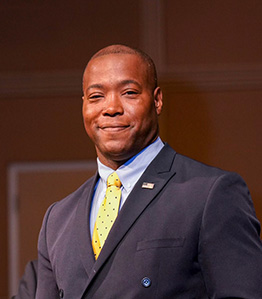
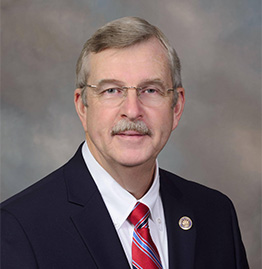
Aaron Rouse
89% support rate
Top opponent
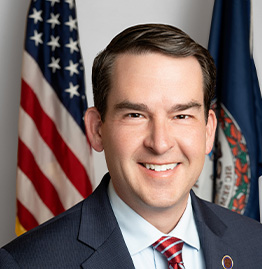
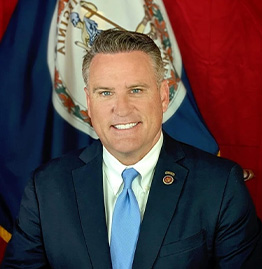
Richard Stuart
18% support rate
Ranked legislators
10
5 support · 5 oppose
Key legislators

Who's moving law enforcement in Virginia

Legislators moving law enforcement in Virginia
Legislator Party Stance Support rate Votes
Aaron Rouse
Aaron Rouse Senate · District 22
D
Strong +
89% 9
Jeremy McPike
Jeremy McPike Senate · District 29
D
Strong +
89% 9
Louise Lucas
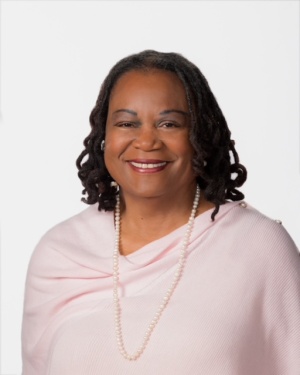
Louise Lucas Senate · District 18
D
Strong +
89% 9
Mamie Locke
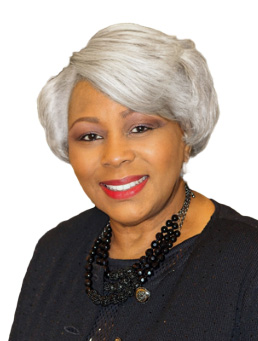
Mamie Locke Senate · District 23
D
Strong +
89% 9
Lamont Bagby
Lamont Bagby Senate · District 14
D
Strong +
88% 8
Richard Stuart
Richard Stuart Senate · District 25
R
Strong −
18% 11
Bill DeSteph
Bill DeSteph Senate · District 20
R
Strong −
20% 5
Chris Head
Chris Head Senate · District 3
R
Strong −
20% 5
Danny Diggs
Danny Diggs Senate · District 24
R
Strong −
20% 5
Bryce Reeves
Bryce Reeves Senate · District 28
R
Oppose
22% 9
Showing 11–15 of 15 bills

All criminal justice bills

passed · Virginia · Senate Mar 9, 2026

SB 198: Individuals with developmental or intellectual disabilities; admissibility of statements.

Admissibility of statements by individuals with developmental or intellectual disabilities in certain cases. Prohibits admission of any evidence from an individual with developmental disabilities or intellectual disabilities, as defined in relevant law, in certain criminal prosecutions unless the court finds by a preponderance of the evidence that such individual's decision to speak to law enforcement was not caused by and did not have a direct and substantial relationship to such individual's disability. The bill requires notice be given to the attorney for the Commonwealth if a defendant intends to introduce expert testimony regarding his disability. The bill prohibits any statements made by a defendant during an examination by an expert witness from being used against him except for impeachment or perjury. The provisions of the bill do not become effective unless reenacted by a subsequent regular or special session of the General Assembly.
Sub-Topics Courts Law Enforcement Tags People with Disabilities
in committee · Virginia · House of Delegates Feb 2, 2026

HB 1261: Law-enforcement agencies; use of certain technology & interrogation practices; forensic laboratory.

Law-enforcement agencies; use of certain technologies and interrogation practices; forensic laboratory accreditation. Directs the Department of Criminal Justice Services (the Department) to establish a comprehensive framework for the use of generative artificial intelligence (AI) systems, machine learning systems, audiovisual surveillance technologies, and custodial and noncustodial interrogations of adults and juveniles by law-enforcement agencies, which shall include (i) developing policies and procedures and publishing model policies for the use of generative AI, machine learning systems, and audiovisual surveillance technologies and interrogation practices and (ii) establishing compulsory minimum training standards for basic training and recertification of law-enforcement officers in the use of generative AI, machine learning systems, and audiovisual surveillance technologies and in conducting interrogations. The bill provides that the Department shall establish and publish such model policies by January 1, 2027, and that all law-enforcement agencies shall adopt policies consistent with such model policies by July 1, 2027. The bill requires any person employed as a law-enforcement officer prior to July 1, 2026, to complete the training required by the bill by January 1, 2030. The bill also provides that no local law-enforcement agency or campus police department shall operate a forensic laboratory, defined in the bill, unless such forensic laboratory is accredited by an accrediting body that requires conformance to forensic-specific requirements and that is a signatory to the International Laboratory Accreditation Cooperation Mutual Recognition Arrangement with a scope of accreditation that covers the testing being performed. The bill also prohibits local law-enforcement agencies and campus police departments from purchasing any equipment or instrument that is intended to be used in forensic laboratory analysis or any breath test device, presumptive chemical test, or presumptive mobile instrument unless such equipment, instrument, device, or test has been approved by the Department of Forensic Science or the Forensic Science Board. Such provisions of the bill have a delayed effective date of January 1, 2030.
signed · Virginia · House of Delegates Apr 10, 2026

HB 248: Interjurisdictional law-enforcement agreements; development of behavioral health co-response teams.

Interjurisdictional law-enforcement agreements; behavioral health co-response teams. Provides that interjurisdictional law-enforcement agreements may allow for the development of co-response teams staffed by one or more law-enforcement agencies that respond to behavioral health-related calls in multiple jurisdictions. This bill is a recommendation of the Behavioral Health Commission. This bill is identical to SB 317.
Sub-Topics Law Enforcement Mental Health Tags Public Safety
signed · Virginia · Senate Apr 13, 2026

SB 690: DCJS; removes requirement to develop model addiction recovery program.

Department of Criminal Justice Services; powers and duties; local and regional jails; repeal of model addiction recovery program. Removes the requirement that the Department of Criminal Justice Services, in consultation with the Department of Behavioral Health and Developmental Services, develop a model addiction recovery program that may be administered by sheriffs, deputy sheriffs, jail officers, administrators, or superintendents in any local or regional jail. This bill is a recommendation of the Joint Commission on Health Care. This bill is identical to HB 454.
in committee · Virginia · House of Delegates Feb 2, 2026

HB 1170: Law-enforcement agencies & sheriff's dept.; policy on use of covered artificial intelligence syst.

Department of Criminal Justice Services; law-enforcement agencies and sheriff's departments; policy on use of covered artificial intelligence systems. Requires the Department of Criminal Justice Services to establish a model policy for the use of a covered artificial intelligence system, defined in the bill, by any state or local law-enforcement agency or sheriff's department by October 1, 2026. The bill also requires each local law-enforcement agency and sheriff's department and the Department of State Police to establish and adopt a written policy for the use of a covered AI system by such agency or department that meets or exceeds the model policy established by the Department of Criminal Justice Services by January 1, 2027. The bill requires such policies be publicly available on the law-enforcement agency's or sheriff's department's website.
Showing 11 to 15 of 15 bills