Issue · Criminal Justice

Criminal Justice

Every criminal justice bill, vote, and legislator stance in Virginia, automatically classified by Maddy, our AI policy reader.

Total bills
46
119th Congress
Top supporter
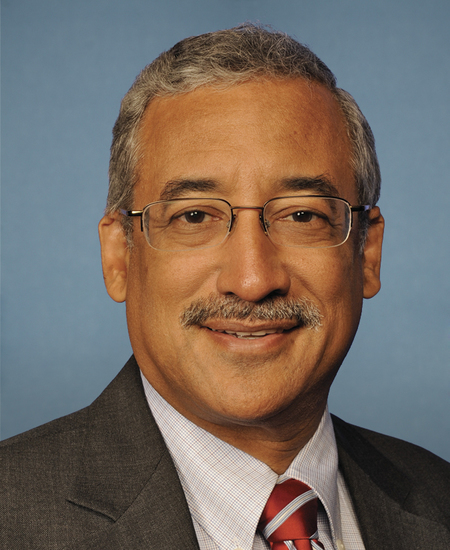
Robert C. "Bobby" Scott
63% support rate
Top opponent
Tim Kaine
16% support rate
Ranked legislators
10
5 support · 5 oppose
Key legislators

Who's moving criminal justice in Virginia

Legislators moving criminal justice in Virginia
Legislator Party Stance Support rate Votes
Robert C. "Bobby" Scott
Robert C. "Bobby" Scott House · District 3
D
Support
63% 154
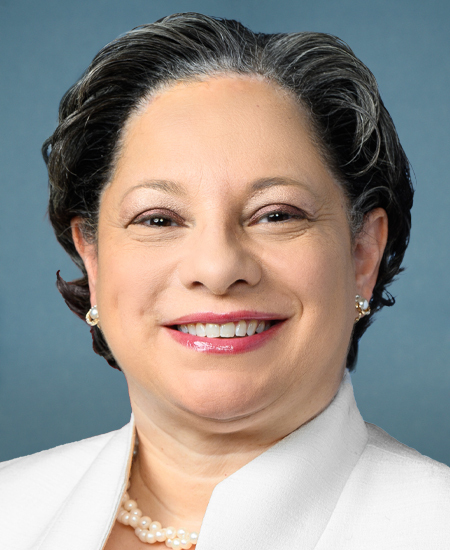
Jennifer L. McClellan
Jennifer L. McClellan House · District 4
D
Support
63% 153
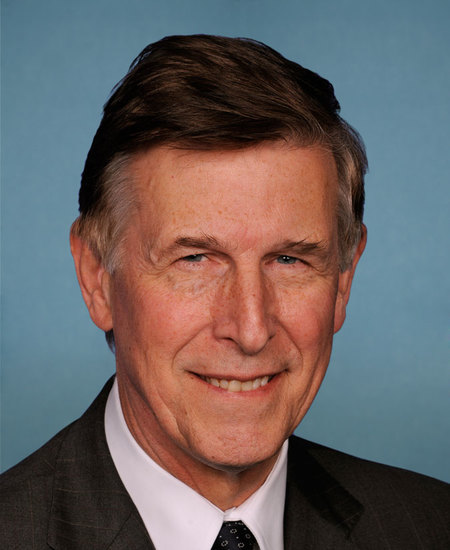
Donald S. Beyer, Jr.
Donald S. Beyer, Jr. House · District 8
D
Support
62% 146
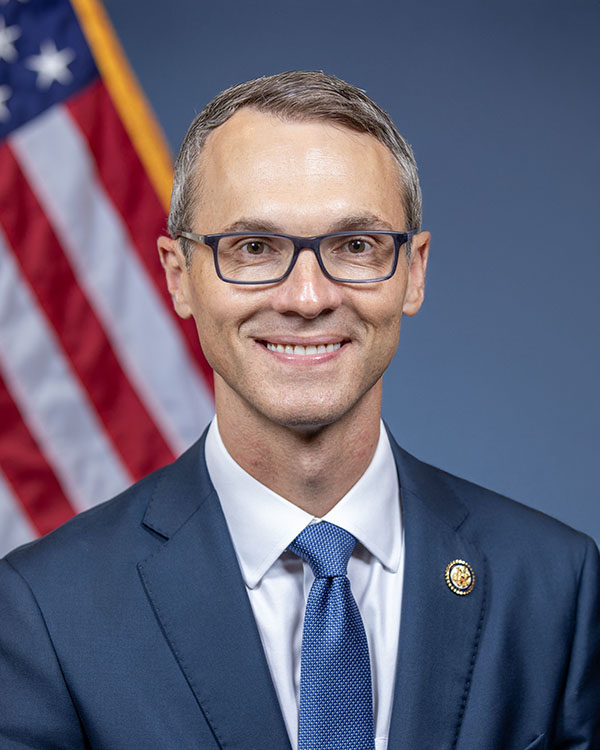
James R. Walkinshaw
James R. Walkinshaw House · District 11
D
Mixed
58% 97
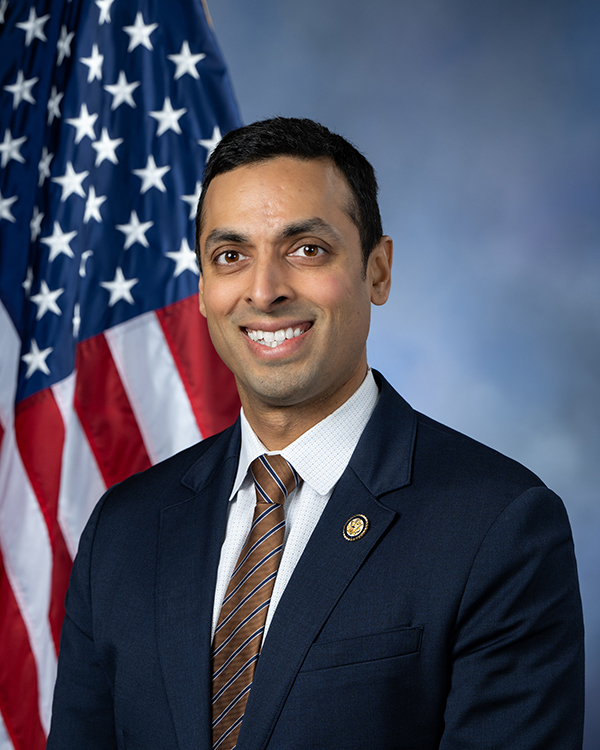
Suhas Subramanyam
Suhas Subramanyam House · District 10
D
Mixed
50% 152
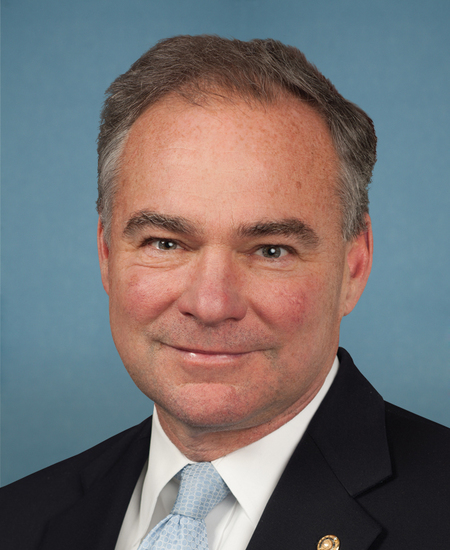
Tim Kaine
Tim Kaine Senate
D
Strong −
16% 168
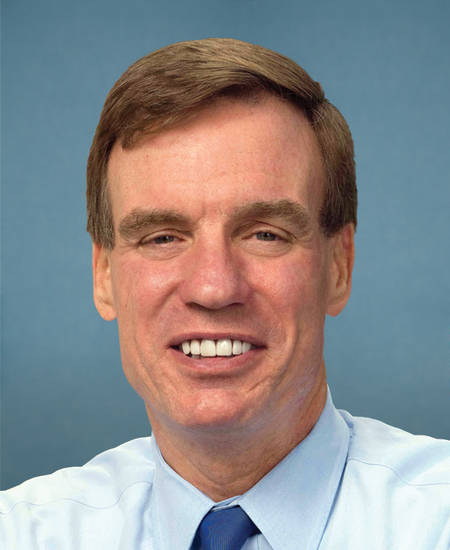
Mark R. Warner
Mark R. Warner Senate
D
Strong −
17% 169
H. Morgan Griffith
H. Morgan Griffith House · District 9
R
Oppose
37% 154
Jennifer A. Kiggans
Jennifer A. Kiggans House · District 2
R
Oppose
37% 154
Ben Cline
Ben Cline House · District 6
R
Oppose
37% 154
Showing 1–10 of 46 bills

All criminal justice bills

in committee · United States · House Jul 23, 2026

HR 9937: No Leniency for Fentanyl Dealers Act

This bill, known as the No Leniency for Fentanyl Dealers Act, aims to increase penalties for trafficking fentanyl and other synthetic opioids while enhancing detection efforts by the U.S. Postal Service. It lowers the quantity thresholds required for federal felony charges and mandates that sentencing guidelines be updated to reflect these stricter penalties. Additionally, the legislation directs the Postmaster General to purchase more chemical screening devices and hire scientists to identify illegal drugs in mail shipments, authorizing $9 million in funding to support these interdiction activities.
Sub-Topics Drug Policy Sentencing
in committee · United States · House Jun 11, 2026

HR 9298: Stopping Harmful and Outrageous Torts Act

This bill, known as the Stopping Harmful and Outrageous Torts Act, expands legal protections for firearm manufacturers and sellers by strengthening their immunity from civil lawsuits. It requires courts to immediately dismiss any pending cases against these companies that are based on the criminal or unlawful misuse of a gun by a third party, while also clarifying that sellers are not liable for negligence in entrusting products to others. The legislation further restricts who can file such suits by prohibiting foreign governments from bringing these claims and adding a specific exception for victims under the age of 17, though it maintains immunity for cases involving design or manufacturing defects. Additionally, the bill allows companies to move these cases to federal court and grants them the right to appeal dismissal orders immediately, along with the ability to recover legal fees if they win. Finally, it preempts state and local laws that attempt to impose liability on these entities for the same types of misuse-related harms.
Sub-Topics Courts Firearms
in committee · United States · House May 15, 2026

HR 8843: FAFO Act

The Federal Accountability for Felony Obstruction Act expands the legal definition of domestic terrorism to include acts that obstruct law enforcement officers or individuals seeking medical attention. By amending existing federal statutes, the bill ensures that property damage occurring during such obstructions is counted as part of the terrorist classification. This change directly affects individuals who engage in violent resistance against police or emergency responders, potentially increasing the severity of charges they face. The legislation focuses on tightening the criteria for what constitutes domestic terrorism rather than altering the underlying penalties for the acts themselves.
in committee · United States · House Apr 30, 2026

HR 8611: Logan's Law

Logan's Law directs the Attorney General to create a free, public database listing individuals with qualifying violent convictions, requiring states that receive federal crime grants to submit their records. The database will allow searches by various personal details and conviction specifics, such as the judge and prosecutor involved, and must be updated at least every three months. Additionally, the bill requires the Attorney General to report on current barriers to sharing criminal records between states and the federal government and to propose solutions for improving this data exchange. States that fail to submit the required data could face penalties, including the withholding of federal Byrne JAG grant funds or the direct distribution of those funds to local governments within the state.
Sub-Topics Judges Victims' Rights
in committee · United States · House May 13, 2026

HR 8796: Federal Halo Act

The Federal Halo Act creates a new federal crime for approaching or staying within 15 feet of a law enforcement officer after receiving a verbal warning to stop. This provision applies to any individual who knowingly violates such a warning with the intent to interfere with the officer's duties, threaten them, or harass them. The bill defines harassment as a course of conduct that intentionally causes substantial emotional distress to the officer without a legitimate purpose. Anyone convicted of this offense could face a fine, up to five years in prison, or both penalties.
in committee · United States · House Feb 25, 2026

HR 7703: Stop Illegal Alien Cops Act

The Stop Illegal Alien Cops Act amends federal law to modify exemptions for government entities regarding firearms. Currently, federal, state, and local government agencies are generally exempt from many federal prohibitions when acquiring or supplying firearms for official use. This bill would remove that exemption for specific prohibitions, making it unlawful for government entities to provide firearms to or employ individuals who are unlawfully in the United States. Additionally, the bill removes the
in committee · United States · House Mar 25, 2026

HR 8077: 287(g) Cooperation Act of 2026

This bill, the 287(g) Cooperation Act of 2026, requires state and local law enforcement agencies to sign a formal agreement with the Department of Homeland Security to remain eligible for federal Community Oriented Policing Services grants. The law mandates that agencies must have this written memorandum of agreement in place within 180 days of the bill's enactment, or they will be ineligible to receive funding for the program. The Attorney General and Secretary of Homeland Security must establish procedures to verify that agencies have completed this agreement before approving any grant awards. The changes apply to grant applications starting with fiscal year 2027 and all subsequent years.
in committee · United States · House Mar 18, 2026

HR 7983: Clean Water for All Life Act

This bill, titled the Clean Water for All Life Act, would amend federal criminal law to prohibit chemical abortions unless a healthcare provider is physically present during the procedure. It directly affects individuals who prescribe, administer, or assist with chemical abortion drugs like mifepristone and misoprostol by making it a federal crime to provide these services without a physical exam and the provider's presence. The law requires that patients receive a catch kit and red bag medical waste container with disposal instructions, and it defines an unborn child as beginning at fertilization. Violations could result in up to five years in prison and a $50,000 fine for each occurrence. The bill does not address other forms of abortion or change existing state laws.
in committee · United States · House Dec 3, 2025

HR 4397: Muslim Brotherhood Terrorist Designation Act of 2025

This bill would amend the Anti-Terrorism Act of 1987 to designate the Muslim Brotherhood as a terrorist organization and prohibit its operations within the United States. It would require the President to designate the Muslim Brotherhood as a foreign terrorist organization under immigration law and impose new visa restrictions, including immediate revocation of current visas, for individuals identified as members. The bill mandates annual reports from the Secretary of State identifying Muslim Brotherhood branches worldwide and determining which should be designated as terrorist organizations under existing laws. These provisions would directly affect Muslim Brotherhood members, branches, and affiliated organizations seeking entry to or operating within the United States.
in committee · United States · House Feb 25, 2026

HR 7678: Gun Owner Registration Information Protection Act

HR 7678, the Gun Owner Registration Information Protection Act, prohibits federal funding for state or local databases that track lawfully owned firearms or their owners. The bill allows federal funding for databases recording lost or stolen firearms but bans it for databases listing legal gun ownership. This means states cannot use federal money to create or maintain systems that compile information about legally owned guns. The bill directly affects state and local governments that rely on federal funds for firearm ownership databases.
Sub-Topics Firearms
Showing 1 to 10 of 46 bills
1 2 3 5 Next