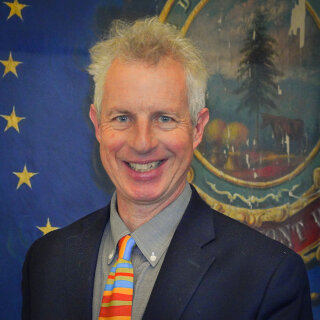
Key legislators
Who's moving education in Vermont
Showing 2 of 2
bills
All education bills
This bill sets specific property tax rates and funding levels for Vermont's 2027 fiscal year, including a nonhomestead property tax rate of $1.698 per $100 of value and specific dollar yields for homestead and income calculations. It also reserves $52.45 million in the Education Fund to help offset potential property tax rate increases in 2028, while correcting a definition related to statewide education tax calculations. The legislation refunds $150,576 to the City of Barre for overpaid education taxes from 2021-2024 and adjusts special education funding grants for inflation starting in 2027. Additionally, it updates how special education census grants are calculated to account for inflation over time.
H.542 terminates ongoing indoor air quality testing for polychlorinated biphenyls (PCBs) in Vermont public schools and approved independent schools built or renovated before 1980. The bill stops all new testing but requires the state to continue funding investigation, remediation, and removal of PCBs at schools that previously tested positive for PCB levels exceeding safety thresholds. It redirects unused funds from prior PCB testing appropriations toward remediation costs and mandates annual reports starting in 2027 on PCB testing status, remediation progress, and funding needs. The bill directly affects schools constructed before 1980, ensuring continued state support for PCB cleanup only where testing had already identified hazardous levels.