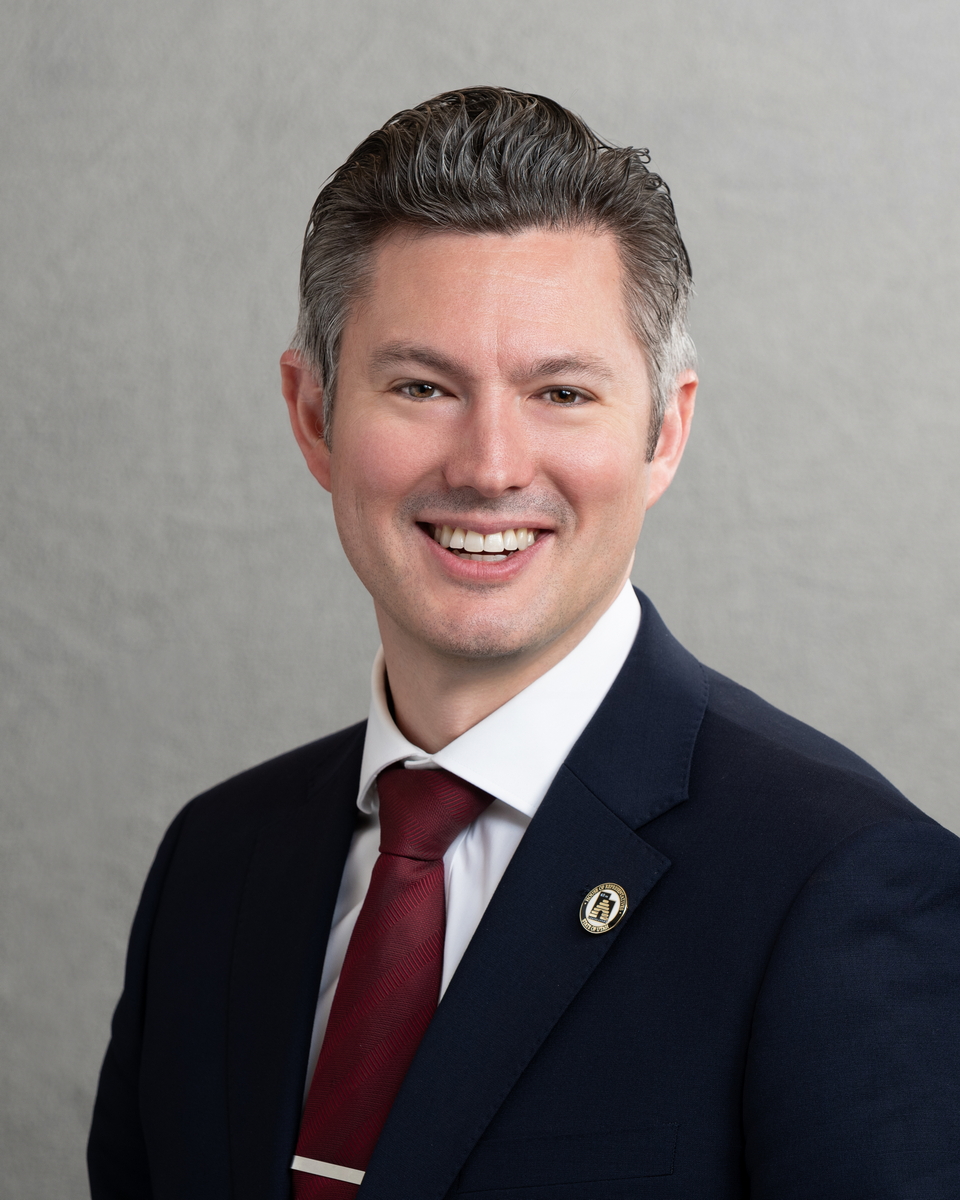
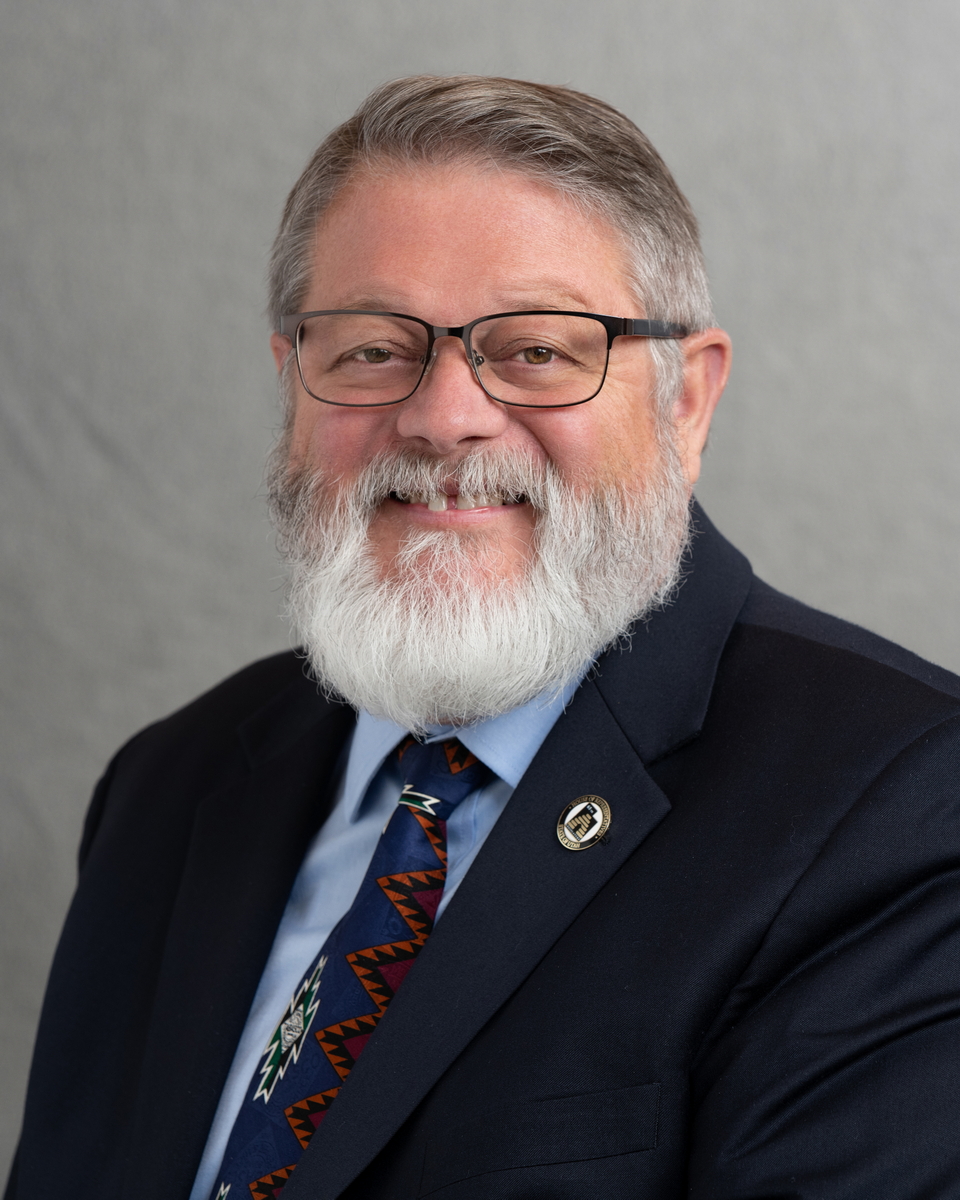
Key legislators
Who's moving energy in Utah
Showing 4 of 4
bills
All energy bills
HB 514 creates the Utah Energy Infrastructure Service District, a new state entity that will own and operate energy infrastructure like power lines and storage facilities. It expands the Utah Energy Council from five to seven members, designates the council as the district's governing board, and allows the district to issue revenue bonds (not subject to state debt limits) to finance projects. The district can enter contracts with private operators to manage facilities and is exempt from property taxes, though operators pay a privilege tax. This bill directly affects the Utah Energy Council, future district operations, and private energy operators entering contracts with the district.
SB 135 amends Utah's energy development laws to establish a formal process for nuclear fuel recycling facility planning. It authorizes the Office of Energy Development to coordinate with private companies and local communities on facility development, and the Utah Energy Council to provide strategic guidance and preliminary assessments. The bill requires both agencies to include annual reports on their nuclear fuel recycling activities in their existing annual reports. These changes directly affect state energy agencies, private entities seeking to develop nuclear recycling facilities, and local communities near proposed sites. The bill makes no funding changes and focuses on procedural coordination rather than altering facility operations or environmental standards.
HB 185 establishes new rules and funds for carbon credit transactions in Utah. It creates a Carbon Credit Investment Fund funded by a 19% assessment on carbon credit sales (administered by the State Tax Commission) and a Carbon Credit Litigation Fund. The bill requires carbon credit brokers to hold licenses, imposes criminal penalties for unlicensed sales, and gives the Office of Energy Development a right of first refusal to purchase in-state carbon credits. State agencies must report carbon credit details and deposit sale revenue into the General Fund, while 5% of the Investment Fund’s annual earnings go to rural counties and eligible rural colleges meeting specific enrollment and completion rate criteria.
Utah's SCR 9 is a concurrent resolution urging federal action to support the state's critical minerals industry. It calls for creating the MINES Center (a research hub for mineral extraction technology) and requests federal block grants - instead of project-specific funding - to accelerate domestic mineral development. The resolution specifically asks Utah's congressional delegation to advocate for the state to host a federal critical minerals national lab and to secure funding for the MINES Center. This resolution directly affects Utah's state agencies, the University of Utah, and Utah's federal lawmakers, without appropriating state funds.