Issue · Budget & Taxes

Budget & Taxes (Business Taxes)

Every budget & taxes bill, vote, and legislator stance in Utah, automatically classified by Maddy, our AI policy reader.

Total bills
21
2026 General Session
Top supporter
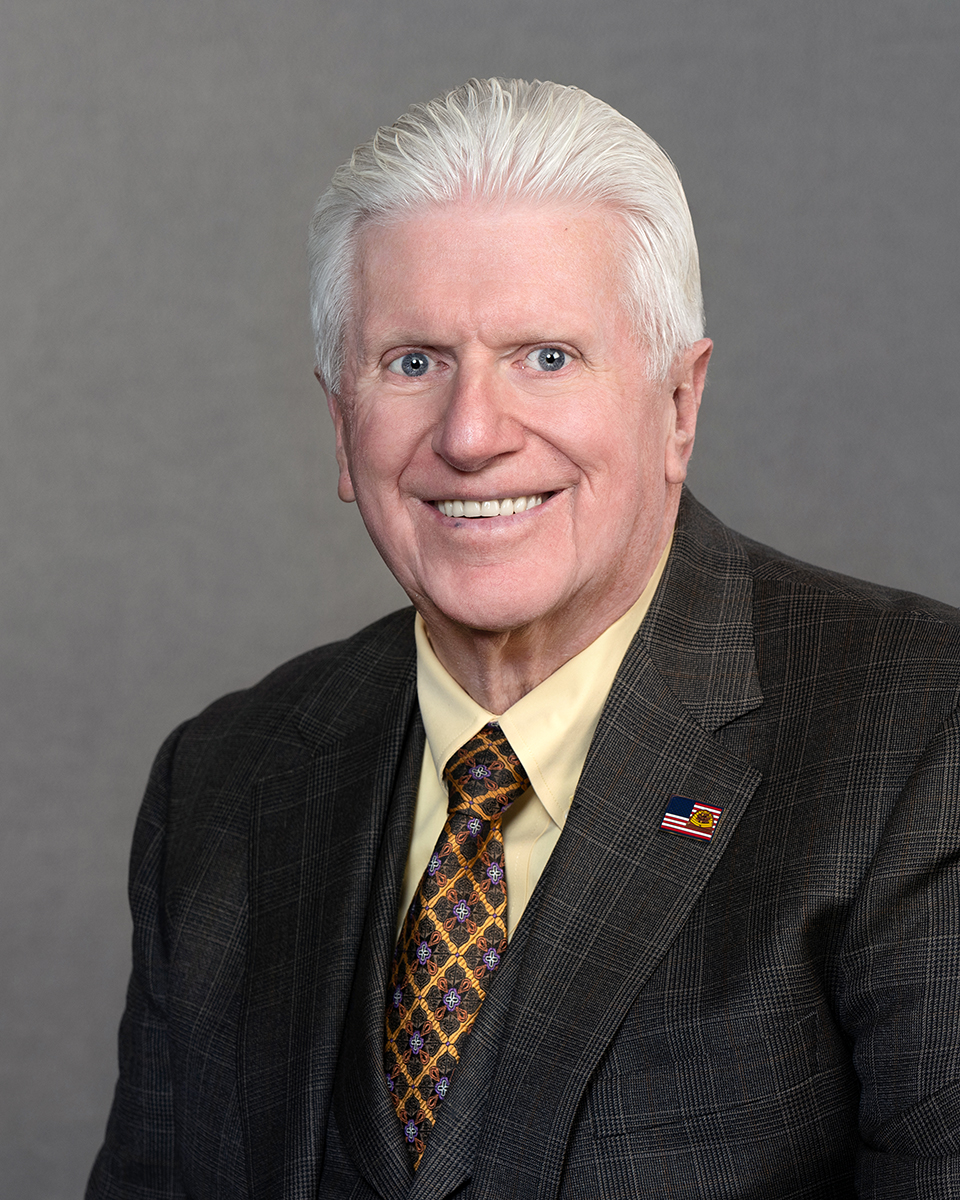
Don Ipson
100% support rate
Top opponent
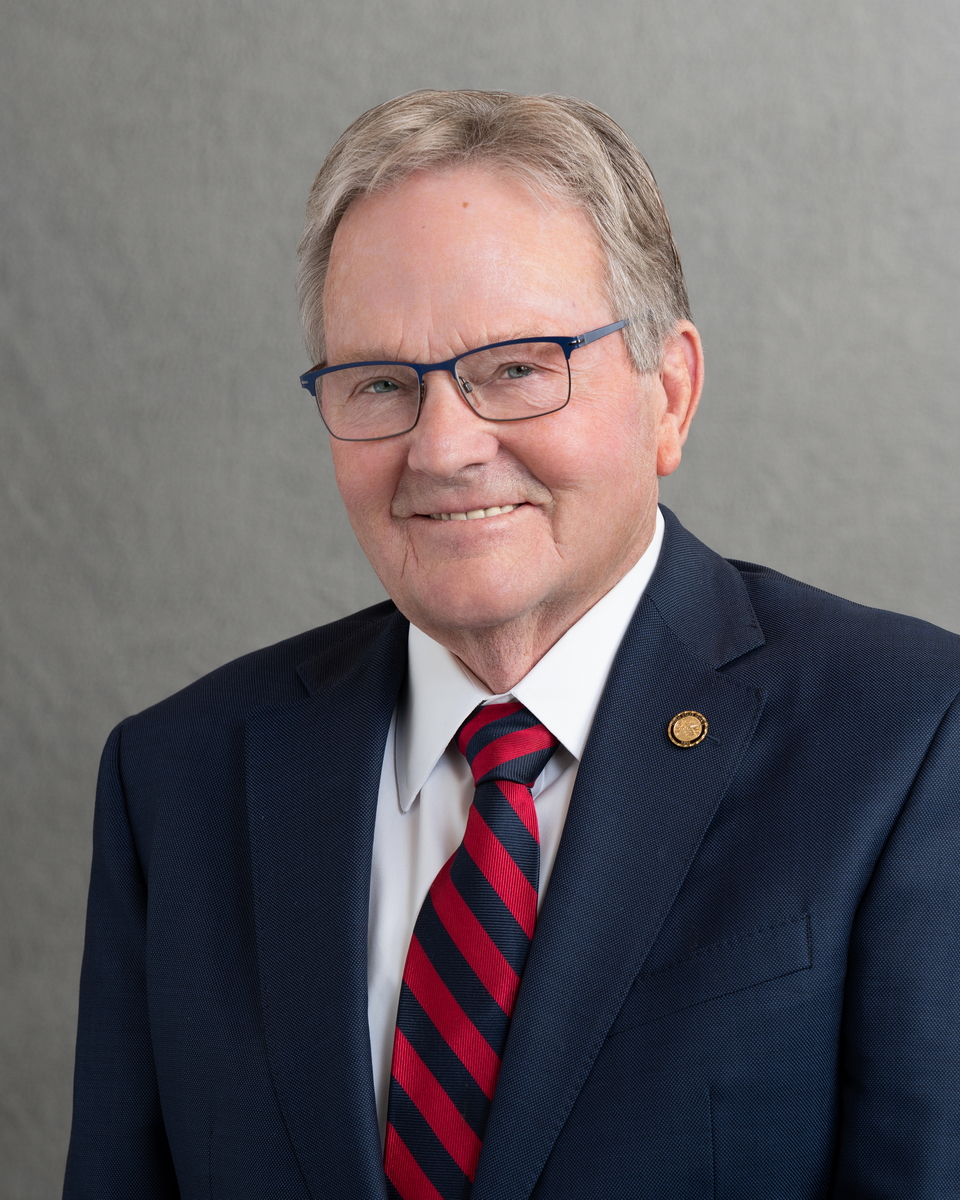
Leah Hansen
25% support rate
Ranked legislators
8
5 support · 3 oppose
Key legislators

Who's moving business taxes in Utah

Legislators moving business taxes in Utah
Legislator Party Stance Support rate Votes
Don Ipson
Don Ipson Senate · District 29
R
Strong +
100% 6
Jerry Stevenson
Jerry Stevenson Senate · District 6
R
Strong +
100% 6
Mike McKell
Mike McKell Senate · District 25
R
Strong +
100% 5
Andrew Stoddard
Andrew Stoddard House · District 40
D
Strong +
100% 4
Jake Fitisemanu
Jake Fitisemanu House · District 30
D
Strong +
100% 4
Leah Hansen
Leah Hansen House · District 51
R
Oppose
25% 4
Kathleen Riebe
Kathleen Riebe Senate · District 15
D
Oppose
33% 6
David Hinkins
David Hinkins Senate · District 26
R
Oppose
40% 5
Showing 11–20 of 21 bills

All budget & taxes bills

passed · Utah · House Mar 7, 2026

HB 466: Utah Rural Jobs Act Modifications

HB 466 modifies Utah's Rural Jobs Act to authorize new nonrefundable income and insurance tax credits for investments in eligible small businesses located in rural counties. It directly affects insurers and their affiliates that make qualifying investments through rural investment companies, allowing them to claim tax credits against state taxes or retaliatory assessments. The bill enacts new provisions (effective January 1, 2027) that specify credit amounts and carry-forward rules, while repealing one outdated section and making technical updates to related statutes.
Sub-Topics Business Taxes Tax Incentives Tags Rural Communities
signed · Utah · House Mar 18, 2026

HB 272: Tourism Taxes Amendments

HB 272 strengthens oversight of how counties spend tourism-related taxes (like transient room taxes and tourism facility taxes). It requires counties to submit detailed annual reports on tourism tax spending to the state auditor and legislative fiscal analysts, who must jointly review if funds comply with state rules. If reports are inadequate, the state auditor can block counties from accessing tourism revenue until compliance is proven. This directly affects counties collecting these taxes, ensuring they account for spending on tourism promotion, emergency services, and infrastructure tied to tourism.
signed · Utah · House Mar 19, 2026

HB 300: School District Taxation Amendments

HB 300 extends a 5-year "hold harmless" period for school districts that reduce their tax rates due to changes in property valuation. This protects districts from losing state funding guarantees if they proportionally lower all local tax levies (voted, board, and capital). The bill phases out excess state funding received in 2025 over three years (2026-2028), requiring districts to gradually reduce payments until 2029. It does not appropriate new funds but adjusts how existing state guarantee money is distributed to maintain stability during tax rate changes.
passed · Utah · House Mar 7, 2026

HB 235: Income Tax Revisions

HB 235 reduces Utah's corporate and individual income tax rates from 4.5% to 4.45% for tax years beginning on or after January 1, 2026. It directly affects Utah corporations and residents who pay state income tax, lowering their tax burden slightly. The bill amends three key tax code sections (59-7-104, 59-7-201, and 59-10-104) to reflect the new rate, with no new state funding required. The change applies retroactively to 2026 tax years and takes effect on May 6, 2026.
signed · Utah · House Mar 23, 2026

HB 236: Truth in Taxation Amendments

HB 236 requires local governments (like cities and school districts) proposing property tax increases to follow specific transparency steps. It mandates that these entities make a public statement about considering a tax hike before approval and submit two budgets: one without the proposed tax revenue and another including it if approved. The bill also clarifies the State Tax Commission's power to reject increases that don't meet these requirements. This directly affects how local taxing entities plan and present property tax changes, aiming to increase public accountability without new funding.
introduced · Utah · House Mar 7, 2026

HB 252: Tariff Payment Tax Credit

HB 252 creates a nonrefundable individual income tax credit for Utah businesses that pay tariffs on imported goods but do not pass those costs to customers. It applies to businesses importing items held for sale or used in operations, such as manufacturers or retailers. To claim the credit, businesses must first obtain written certification from the Governor's Office of Economic Opportunity verifying their eligibility and the credit amount, which equals the total qualifying tariff payments multiplied by a set percentage. The credit is limited to the business's tax liability for the year and cannot be carried forward, with certification requirements effective retroactively from January 1, 2026.
signed · Utah · House Mar 26, 2026

HB 190: Child Care Business Tax Credit

HB 190 expands Utah's tax credit for employers providing child care by increasing the credit rate for small businesses to 30% (from 10%) of eligible child care costs and allowing credits for off-site child care facilities employers don't own. It removes a previous requirement that employers must have claimed a construction-related credit to qualify for the child care credit. The bill directly affects Utah employers who provide child care for employees, particularly small businesses meeting IRS Section 45F criteria. The changes apply retroactively and make no new state funding appropriations.
in committee · Utah · Senate Mar 7, 2026

SB 116: Income Tax Rate Modifications

SB 116 modifies Utah's individual income tax rates based on actual state revenue performance. It directly affects Utah taxpayers by setting a formula that lowers the tax rate by 0.01% for every $22.2 million (or more) the state collects in revenue above its forecasted amount. The bill requires the State Tax Commission to annually calculate and publish the adjusted rate, using specific revenue thresholds and cost-per-0.01% figures for fiscal years 2027-2036. This mechanism applies to tax years beginning in 2027 through 2038, with rates initially set at 4.5% for 2027-2028 and then adjusted annually based on revenue outcomes.
failed · Utah · Senate Mar 7, 2026

SB 97: Tax Revenue Amendments

SB 97 limits how much surplus funds cities and counties can accumulate in their general funds (capping it at 25% of annual revenue) and changes residential property tax rules. It restricts property tax exemptions to one primary residence per household, requires homeowners to reapply for exemptions if ownership changes or eligibility is questioned, and creates a presumption that business-owned property doesn't qualify for residential exemptions. The bill also prohibits using property tax revenue for capital improvement reserves after a set date and adjusts how property value increases are counted for tax calculations. These changes directly affect local governments managing tax revenues and homeowners seeking property tax exemptions.
signed · Utah · Senate Mar 23, 2026

SB 60: Income Tax Rate Amendments

SB 60 lowers Utah's corporate and individual income tax rates from 4.5% to 4.45% for tax years beginning on or after January 1, 2026. It directly affects corporations operating in Utah and residents filing state income taxes. The bill reduces the tax rate on both corporate franchise income and individual state taxable income, with the change applying retroactively to the 2026 tax year. No new state spending is involved, as the bill only adjusts existing tax rates.
Showing 11 to 20 of 21 bills