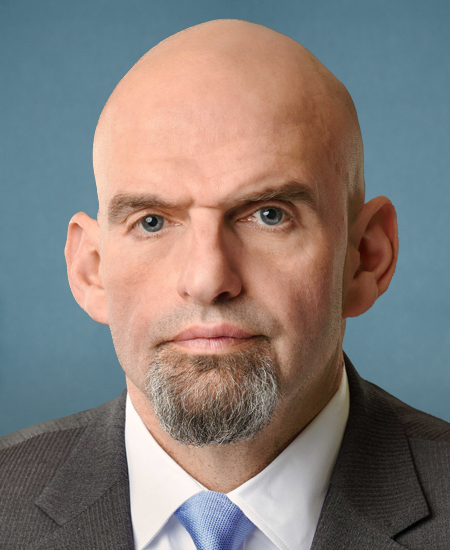
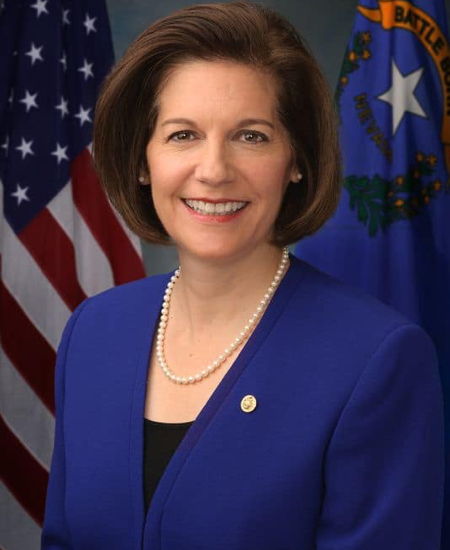
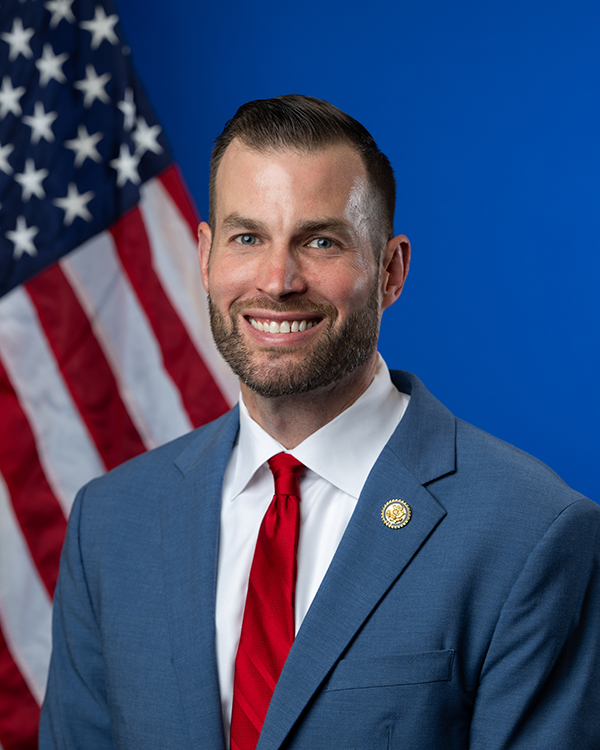
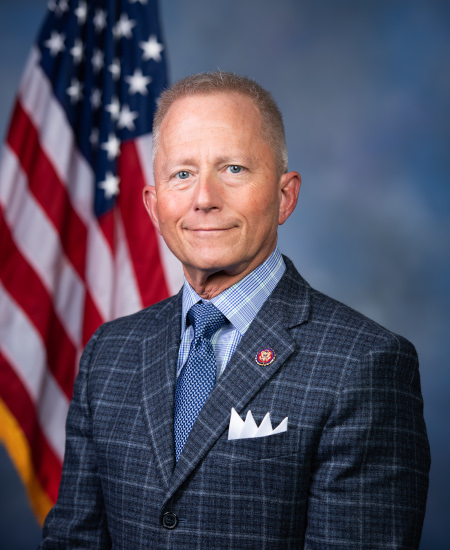
This bill amends housing law to ensure disabled veterans' service-connected disability compensation from the VA is excluded when calculating income for housing assistance programs. It directly affects disabled veterans receiving VA disability payments, making them more likely to qualify for low-income housing programs that previously counted their VA benefits as income. The bill requires the Comptroller General to report within one year on how VA benefits are treated across HUD programs and to recommend changes for better veteran support. This creates a concrete policy change in income eligibility rules, with no immediate financial impact on programs beyond the new exclusion.
This bill prioritizes states that have never received a Department of Veterans Affairs (VA) suicide prevention grant. It requires the VA Secretary to give all eligible applicants in such states a scoring preference during grant evaluations until at least one grant is awarded there. The law directly affects veterans in states without existing VA suicide prevention grants by ensuring these states receive fair consideration for funding. Key mechanisms include prioritizing entities in states with prior unawarded applications and applying a scoring preference for all applicants in states with no prior grants. This aims to expand access to mental health support for veterans nationwide.
The Saving Our Veterans Lives Act of 2025 establishes a Department of Veterans Affairs program to provide eligible veterans with secure firearm lockboxes and educational materials on safe storage, aiming to support suicide prevention. The program distributes lockboxes meeting specific safety standards (e.g., key or combination-locked, U.S.-made, non-resale) and partners with organizations to run public education campaigns, clarifying that participation does not affect lawful firearm ownership. The VA must report annually to Congress on program reach and challenges, and the bill authorizes $5 million yearly (2026-2036) to fund the initiative.
S 2575, the Healthcare for Our Troops Act, eliminates individual premiums for members of the Selected Reserve in the Armed Forces under the TRICARE Reserve Select military health plan. It establishes a uniform 28% monthly premium for family coverage (based on actuarial costs), replaces enrollment fees, and requires the Department of Defense to develop new forms for civilian providers to track reserve members' medical readiness and deployment fitness. The bill directly affects Selected Reserve service members and their immediate families, with changes taking effect one year after enactment. These provisions aim to reduce out-of-pocket costs for reserve members while standardizing family coverage costs.
S 1179, the Las Cruces Bataan Memorial Clinic Act, renames a Department of Veterans Affairs community-based outpatient clinic in Las Cruces, New Mexico, to the "Las Cruces Bataan Memorial Clinic" upon enactment. This bill directly affects the clinic's official designation and all federal references to it. The key provision updates all laws, regulations, maps, and documents to use the new name, ensuring consistent identification of the facility. This is a purely procedural change with no impact on healthcare services or funding.
This bill requires Medicare Advantage and prescription drug plans to reimburse the Department of Veterans Affairs (VA) for health care services provided to veterans enrolled in those plans, including outpatient care, prescription drugs, and inpatient services. It establishes a new process for the VA to recover costs from Medicare plans, requiring these plans to respond to reimbursement claims within 45 days and face penalties for non-compliance, including triple damages for willful violations. The law modifies existing VA authority to recover costs for non-service-connected disabilities by clarifying recovery procedures and requiring Medicare plans to coordinate benefits with VA care. The provisions apply to Medicare plan years beginning January 1, 2026, and directly affect Medicare Advantage organizations and prescription drug plan sponsors that serve veterans. This policy change ensures veterans receive full benefits without double payments by requiring Medicare plans to reimburse the VA for services they cover.
This bill amends a provision of law governing eligibility for Department of Veterans Affairs headstones, markers, and burial receptacles. It removes a requirement that a veteran must have died on or after November 11, 1998, to qualify for these burial benefits. By eliminating this date cutoff, the bill expands eligibility to veterans who died before that date. This change would directly affect veterans who died prior to November 11, 1998, and their families, allowing them to receive these burial benefits.
This bill authorizes the use of Emancipation Hall in the Capitol Visitor Center for a ceremony on June 26, 2025, to present the Congressional Gold Medal to the United States Army Rangers Veterans of World War II. The medal was awarded to these veterans under the United States Army Rangers Veterans of World War II Act (Public Law 117-132). The resolution requires that all physical preparations for the event follow conditions set by the Architect of the Capitol. As a procedural resolution, it does not create new law but enables a ceremonial event honoring these veterans.
This bill expands eligibility for VA home loans to certain reserve component members and National Guard personnel who previously did not qualify as veterans. It creates a new category for individuals with at least 14 days of qualifying service (including inactive duty training, annual training, or full-time National Guard duty) who complete entry-level training. These members gain access to guaranteed home loans but must pay an additional 1% loan fee. The VA must notify qualifying members after they finish training, and the changes apply retroactively to service since September 11, 2001.
This bill establishes a 5-year pilot program at five Department of Veterans Affairs (VA) medical centers to reduce veteran suicides through evidence-based suicide care improvements. The program requires participating VA staff to complete 10 weeks of training on suicide screening, assessment, safety planning, and care transitions, using the Zero Suicide Institute's curriculum. The VA must annually report on key metrics like suicide screenings, referrals, and outcomes compared to other VA centers, with a final evaluation determining if the program should expand or become permanent. The pilot directly affects veterans receiving care at the selected sites and VA staff implementing these new protocols.