Issue · Veterans

Veterans (Veteran Healthcare)

Every veterans bill, vote, and legislator stance in United States, automatically classified by Maddy, our AI policy reader.

Total bills
629
119th Congress
Top supporter
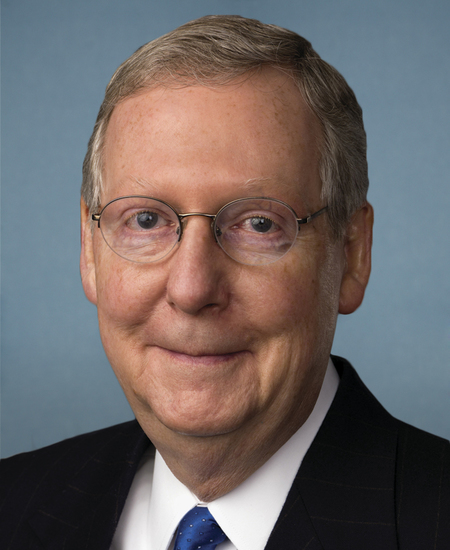
Mitch McConnell
91% support rate
Top opponent
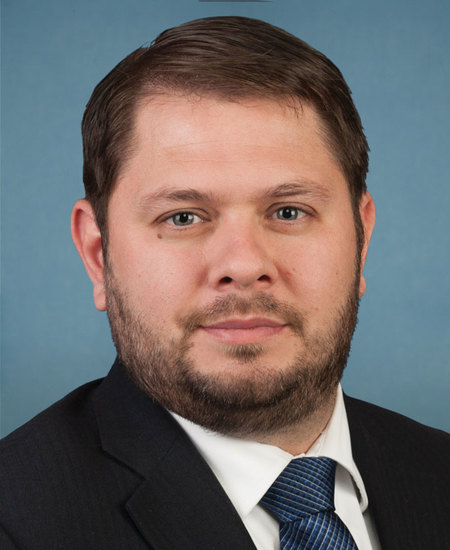
Ruben Gallego
8% support rate
Ranked legislators
10
5 support · 5 oppose
Key legislators

Who's moving veteran healthcare in United States

Legislators moving veteran healthcare in United States
Legislator Party Stance Support rate Decisive votes
Mitch McConnell
Mitch McConnell Senate
R
Strong +
91% 22
Bill Cassidy
Bill Cassidy Senate
R
Strong +
90% 21
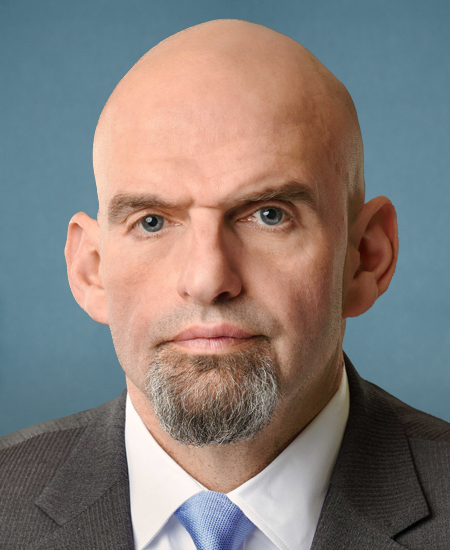
John Fetterman
John Fetterman Senate
D
Strong +
87% 30
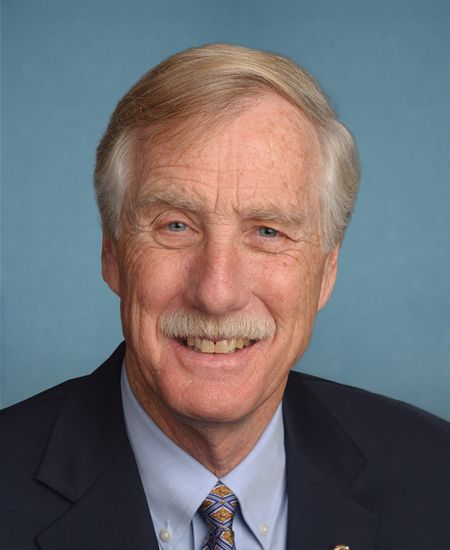
Angus S. King, Jr.
Angus S. King, Jr. Senate
I
Strong +
84% 32
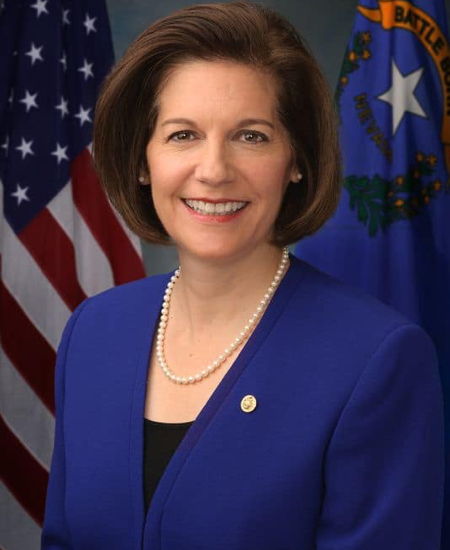
Catherine Cortez Masto
Catherine Cortez Masto Senate
D
Strong +
84% 32
Ruben Gallego
Ruben Gallego Senate
D
Strong −
8% 24
Peter Welch
Peter Welch Senate
D
Strong −
9% 23
Rand Paul
Rand Paul Senate
R
Strong −
12% 32
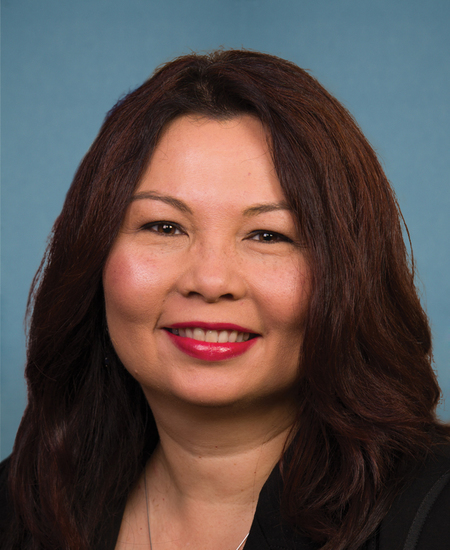
Tammy Duckworth
Tammy Duckworth Senate
D
Strong −
17% 23
Christopher Murphy
Christopher Murphy Senate
D
Strong −
19% 32
Showing 321–330 of 629 bills

All veterans bills

in committee · United States · House May 14, 2026

HR 5723: Fraud Reduction And Uncovering Deception (FRAUD) in VA Disability Exams Act

The Fraud Reduction And Uncovering Deception (FRAUD) in VA Disability Exams Act requires the Department of Veterans Affairs (VA) to establish a system for detecting and reporting fraud in disability benefit forms. This includes training VA staff to identify suspicious activity, conducting regular audits of all submitted forms, and reporting suspected fraud to the Inspector General. The VA must notify veterans if their submitted forms are under suspicion for fraud, though it cannot change final benefit decisions based on an investigation unless the veteran is convicted of fraud. The VA must also submit an annual report to Congress detailing how this system is implemented. These changes aim to strengthen fraud prevention in veterans' disability claims processing.
passed · United States · House Jul 16, 2026

HR 6963: To designate the community-based outpatient clinic of the Department of Veterans Affairs in Lafayette, Louisiana, as the "Rodney C. Hamilton Sr. VA Clinic".

This bill (HR 6963) names the Department of Veterans Affairs community-based outpatient clinic in Lafayette, Louisiana, as the "Rodney C. Hamilton Sr. VA Clinic." It honors Rodney C. Hamilton Sr., a Korean War veteran who received the Purple Heart, served on Lafayette's city council, and helped establish the clinic that opened in 2016. The bill changes the clinic's official name to recognize his contributions to veterans' care and community service. This is a ceremonial designation with no impact on clinic operations or services.
in committee · United States · House Jun 30, 2026

HR 4805: WINGS Act

The WINGS Act directs the Department of Veterans Affairs to conduct a long-term study on the brain and mental health impacts of military aviation, specifically focusing on high-performance flight and G-force exposure. It requires examining links between flight hours, G-forces, and conditions like traumatic brain injury, depression, PTSD, and neurodegenerative diseases among military aviators. The bill mandates creating a centralized, anonymized health registry for participating aviators to track flight exposure and health outcomes over time. This study must produce interim and final reports to Congress within one and three years of enactment, directly affecting current and former military pilots and aircrew who operated aircraft like fighter jets, trainers, or tiltrotors.
passed · United States · House Sep 16, 2025

HR 3854: Modernizing All Veterans and Survivors

HR 3854 requires the Department of Veterans Affairs (VA) to develop and implement automation tools to modernize claims processing for veterans and survivors. The bill mandates that within 180 days of enactment, the VA must submit a plan to use technology that automates retrieving service/health records, compiling evidence, providing decision support, sharing information between agencies, and generating claim correspondence. It prioritizes deploying this technology to key VA offices like Pension and Fiduciary Service, Education Service, and the Board of Veterans’ Appeals within one year. The bill also requires the VA to implement automatic notices for certain children’s benefits (like dependency compensation increases) within one year and a plan to ensure correct document labeling in VA systems within 180 days. These changes directly affect veterans and survivors filing claims for benefits, pension, survivor benefits, or education assistance under VA-administered laws.
in committee · United States · House May 12, 2025

HR 2970: National Veterans Advocate Act of 2025

This bill creates an independent Office of the National Veterans' Advocate within the Department of Veterans Affairs (VA) to directly address veterans' concerns. The National Veterans' Advocate, appointed at a senior executive level and reporting directly to the VA Secretary, will monitor VA operations, identify systemic problems veterans face, and make independent recommendations to Congress for improving care, benefits, and efficiency. The Office must establish a public casework request portal for veterans, submit biannual reports to Congress with unreviewed recommendations (including potential legislative changes), and ensure staffing levels of one advocate per 12,000 enrolled veterans in each VA service region. The bill authorizes $25 million annually for fiscal years 2026-2030 to fund these efforts.
in committee · United States · House Jun 9, 2025

HRES 490: Expressing support for the designation of the second Saturday in June as "Veterans Get Outside Day".

HRES 490 is a symbolic resolution expressing support for designating the second Saturday in June as "Veterans Get Outside Day." It does not create new laws or funding but encourages coordination between the Department of Veterans Affairs, the Forest Service, and the Department of the Interior to promote outdoor events for veterans. The resolution cites research showing nature exposure can improve mental health outcomes for veterans dealing with conditions like PTSD, depression, and traumatic brain injury. It aligns with existing initiatives like National Get Outdoors Day and aims to increase veteran access to outdoor activities. This is a procedural resolution with no direct legal effect on veterans or agencies.
in committee · United States · House May 14, 2026

HR 5436: End Transcript Withholding for Veterans Act

HR 5436 prohibits educational institutions from withholding a student's transcript if they used Post-9/11 GI Bill benefits, even if the student owes money to the school. This directly affects veterans and service members who accessed education benefits under the Post-9/11 GI Bill program. The bill adds a specific provision to U.S. Code (38 U.S.C. § 3328) making it illegal for schools to deny transcripts solely due to unpaid debts related to their GI Bill-funded education. The law ensures these individuals can access their academic records without financial barriers tied to their education benefits.
in committee · United States · House Apr 11, 2025

HR 1288: DRIVE Act of 2025

The DRIVE Act of 2025 requires the Department of Veterans Affairs (VA) to set mileage reimbursement rates for veterans at the federal government's current standard rate for employees using personal vehicles on official business, replacing the previous fixed rate of 41.5 cents per mile. It also mandates that the VA process and pay these reimbursements within 90 days of a veteran's valid request. This directly affects veterans who travel for VA medical appointments or services using their personal vehicles. The bill aligns veteran travel reimbursements with federal employee standards and ensures timely payments.
in committee · United States · Senate Mar 18, 2026

S 2264: Advancing VA’s Emergency Response to (AVERT) Crises Act of 2025

S 2264, the AVERT Crises Act of 2025, requires the Department of Veterans Affairs (VA) to submit three reports to Congress within 90-180 days of enactment. The first report will assess VA's emergency management roles, organizational structure, and potential for consolidating offices to improve coordination. The second will detail the operations and inventory of VA's Regional Readiness Centers, including supply requests and emergency response capabilities. The third will examine barriers to sharing resources like fuel with FEMA during emergencies and whether congressional action is needed to enable better coordination. These reports aim to identify inefficiencies and improve the VA's emergency response systems for veterans.
Sub-Topics Veteran Healthcare Veteran Housing Veteran Mental Health Tags Emergency Management
in committee · United States · Senate May 21, 2025

S 599: DRIVE Act of 2025

The DRIVE Act of 2025 updates how the Department of Veterans Affairs reimburses veterans for using personal vehicles for VA-related travel. It requires the VA to set mileage reimbursement rates equal to or higher than the federal government’s standard rate for employee travel (currently 41.5 cents per mile), replacing the fixed rate in current law. The bill also mandates that veterans receive these reimbursements within 90 days of submitting a valid claim. This directly affects veterans who travel for VA appointments or services using their personal vehicles.
Showing 321 to 330 of 629 bills
Previous 1 … 32 33 34 … 63 Next