Issue · Veterans

Veterans (Veteran Healthcare)

Every veterans bill, vote, and legislator stance in United States, automatically classified by Maddy, our AI policy reader.

Total bills
629
119th Congress
Top supporter
Mitch McConnell
91% support rate
Top opponent
Ruben Gallego
8% support rate
Ranked legislators
10
5 support · 5 oppose
Key legislators

Who's moving veteran healthcare in United States

Legislators moving veteran healthcare in United States
Legislator Party Stance Support rate Decisive votes
Mitch McConnell
Mitch McConnell Senate
R
Strong +
91% 22
Bill Cassidy
Bill Cassidy Senate
R
Strong +
90% 21
John Fetterman
John Fetterman Senate
D
Strong +
87% 30
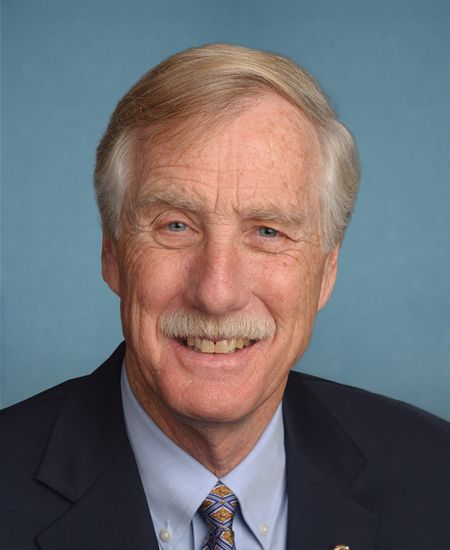
Angus S. King, Jr.
Angus S. King, Jr. Senate
I
Strong +
84% 32
Catherine Cortez Masto
Catherine Cortez Masto Senate
D
Strong +
84% 32
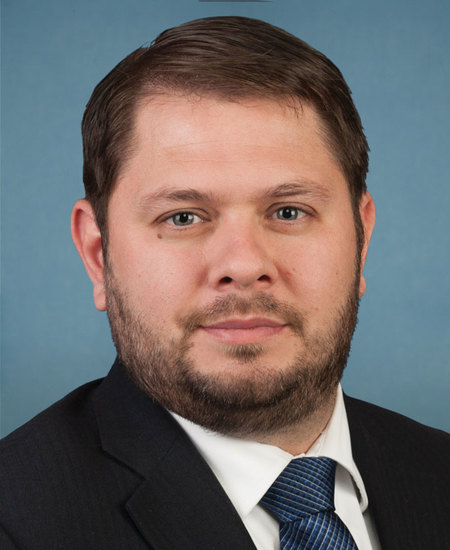
Ruben Gallego
Ruben Gallego Senate
D
Strong −
8% 24
Peter Welch
Peter Welch Senate
D
Strong −
9% 23
Rand Paul
Rand Paul Senate
R
Strong −
12% 32
Tammy Duckworth
Tammy Duckworth Senate
D
Strong −
17% 23
Christopher Murphy
Christopher Murphy Senate
D
Strong −
19% 32
Showing 291–300 of 629 bills

All veterans bills

in committee · United States · House Mar 10, 2026

HR 7598: VALOR Act

The VALOR Act (HR 7598) ensures veterans with pending disability claims don't pay unnecessary housing loan fees. It requires the VA to refund or credit fees paid by veterans who later have their disability claims approved. Specifically, if a veteran pays a housing loan fee before their disability claim is decided and the claim is approved after payment, the VA must reimburse the fee amount. This directly affects veterans applying for VA-guaranteed home loans while awaiting disability compensation decisions. The bill creates a clear, automatic reimbursement process without requiring veterans to file separate claims for refunds.
in committee · United States · Senate Oct 8, 2025

S 2988: VITAL Act of 2025

Veterans' Infrastructure and Transformation Act of 2025 or the VITAL Act of 2025 This bill addresses various policies and procedures related to Department of Veterans Affairs (VA) infrastructure and facilities, including those related to construction projects. The bill modifies the VA’s authority to share health care resources, including by providing for a simplified agreement process to share physical space (e.g., a building or parking facility) or common services (e.g., electricity). The bill also modifies the VA’s authority to lease its real property (enhanced-use leases). Specifically, the bill allows for the exchange of real property that is assessed to be of similar value and removes the cap on the length of an enhanced-use lease. The bill requires the VA to implement a seven-year pilot program to assess the feasibility and advisability of entering into enhanced-use leases for noncash consideration. Among other elements, the bill also authorizes the VA to use commercial codes and standards instead of or in addition to federal codes and standards in constructing or altering VA facilities, authorizes the VA to contract with private entities for comprehensive construction project management services, expands and extends the pilot program under which the VA may accept donations of real property and facilities, modifies the authority and responsibilities of the VA’s Director of Construction and Facilities Management, and requires the VA to consolidate certain employees and functions relating to facilities and infrastructure as well as acquisition and procurement.
in committee · United States · House Nov 7, 2025

HR 5933: HSAs For Heroes Act

HR 5933, the HSAs For Heroes Act, expands eligibility for Health Savings Accounts (HSAs) to veterans who served in active military service and were honorably discharged, regardless of whether they have a service-connected disability. It removes the current requirement that veterans must have a service-connected disability to contribute to an HSA, allowing them to use HSA funds for cost-sharing on treatments already covered by VA benefits. The bill also adds "qualified caregiving" periods (like those under the Family and Medical Leave Act) as allowable reasons to withdraw HSA funds without penalty and increases annual HSA contribution limits to $9,000. These changes apply to contributions made after 2025, with the goal of making HSAs more accessible to veterans for healthcare expenses.
in committee · United States · House May 20, 2026

HR 2303: Board of Veterans’ Appeals Attorney Retention and Backlog Reduction Act

This bill amends federal law to allow non-supervisory attorneys at the Board of Veterans' Appeals (BVA) to be promoted to the GS-15 pay grade, a higher career level typically reserved for supervisory roles. It directly affects BVA attorneys by creating a clearer career advancement path to improve retention. The key mechanism is the new promotion provision added to Section 7101A(b) of Title 38, U.S. Code. The bill aims to address staffing challenges at the BVA, which handles veterans' appeals, though it does not specify additional backlog reduction measures beyond this personnel change.
signed · United States · House Sep 5, 2025

HR 2170: To name the Department of Veterans Affairs community-based outpatient clinic in Toms River, New Jersey, the Leonard G. 'Bud' Lomell, VA Clinic, and for other purposes.

This bill names the Department of Veterans Affairs community-based outpatient clinic in Toms River, New Jersey, as the "Leonard G. 'Bud' Lomell VA Clinic." It directly affects the existing clinic facility by changing its official name to honor World War II veteran Leonard G. "Bud" Lomell. The key provision updates all federal references to the clinic - including laws, regulations, maps, and documents - to reflect this new designation after the bill's enactment. The change is purely administrative and does not alter the clinic's services or operations.
in committee · United States · House May 12, 2025

HR 3027: Green Star Families Act

HR 3027, the Green Star Families Act, establishes a free counseling program for the next of kin (like spouses, children, or parents) and former volunteer caregivers who provided unpaid care for at least three months to veterans who died by suicide. The bill requires the Department of Veterans Affairs to provide counseling services that are reasonably accessible and comparable to existing VA services, potentially partnering with state or private organizations. It mandates that the VA implement this program within 90 days of the bill's enactment. The law directly affects veterans' families and unpaid caregivers who lose a veteran to suicide, offering them accessible mental health support through the VA system.
in committee · United States · House Mar 27, 2025

HR 1972: START Act of 2025

HR 1972 (START Act of 2025) amends VA referral rules to change when Community Care referrals become valid. It requires that the validity period for VA referrals to non-VA providers begins on the day a veteran has their first appointment with that provider, not the date the referral was issued. This directly affects veterans using the VA's Community Care Program who seek care outside VA facilities. The change aims to align referral validity with actual appointment scheduling, reducing administrative delays.
in committee · United States · House May 23, 2025

HR 3594: Gold Star Spouses Health Care Enhancement Act

The Gold Star Spouses Health Care Enhancement Act removes a three-year waiting period that previously prevented surviving spouses of military members who died in the line of duty (known as Gold Star spouses) from immediately accessing TRICARE Prime medical and dental benefits. The bill amends existing law to eliminate this time limit, allowing these spouses to qualify for coverage without delay, regardless of when their military spouse died. This change applies retroactively to all affected spouses, even if the death occurred before the bill's enactment. The legislation directly expands health care access for Gold Star spouses by removing a key barrier to receiving military health benefits.
in committee · United States · House Dec 19, 2025

HR 748: RELIEVE Act

The RELIEVE Act modifies veterans' access to emergency care reimbursement under VA law. It removes the requirement for veterans to have previously received VA care before qualifying for emergency treatment reimbursement during the first 60 days after enrolling in the VA healthcare system. This change directly affects new VA enrollees seeking emergency medical care within that initial 60-day window, eliminating a prior barrier to immediate coverage. The amendment applies to emergency treatment provided one year after the bill's enactment date.
in committee · United States · House Nov 20, 2025

HR 5946: Stamp Out Veterans Medical Debt Act

HR 5946, the "Stamp Out Veterans Medical Debt Act," creates a special postage stamp sold by the U.S. Postal Service to raise funds for paying veterans' outstanding medical debt. The bill requires all revenue from stamp sales to be transferred directly to the Department of Veterans Affairs (VA), where it is used to reduce unresolved copayments and coinsurance bills for veterans who received care through VA facilities or the Community Care Program. The stamp must be available by Veterans Day each year and has no sales limits, allowing public contributions to directly offset veterans' medical debt. This bill directly affects veterans with unpaid medical bills and enables the public to support debt relief through a simple postage purchase.
Showing 291 to 300 of 629 bills
Previous 1 … 29 30 31 … 63 Next