Issue · Transportation

Transportation (Airports)

Every transportation bill, vote, and legislator stance in United States, automatically classified by Maddy, our AI policy reader.

Total bills
122
119th Congress
Top supporter
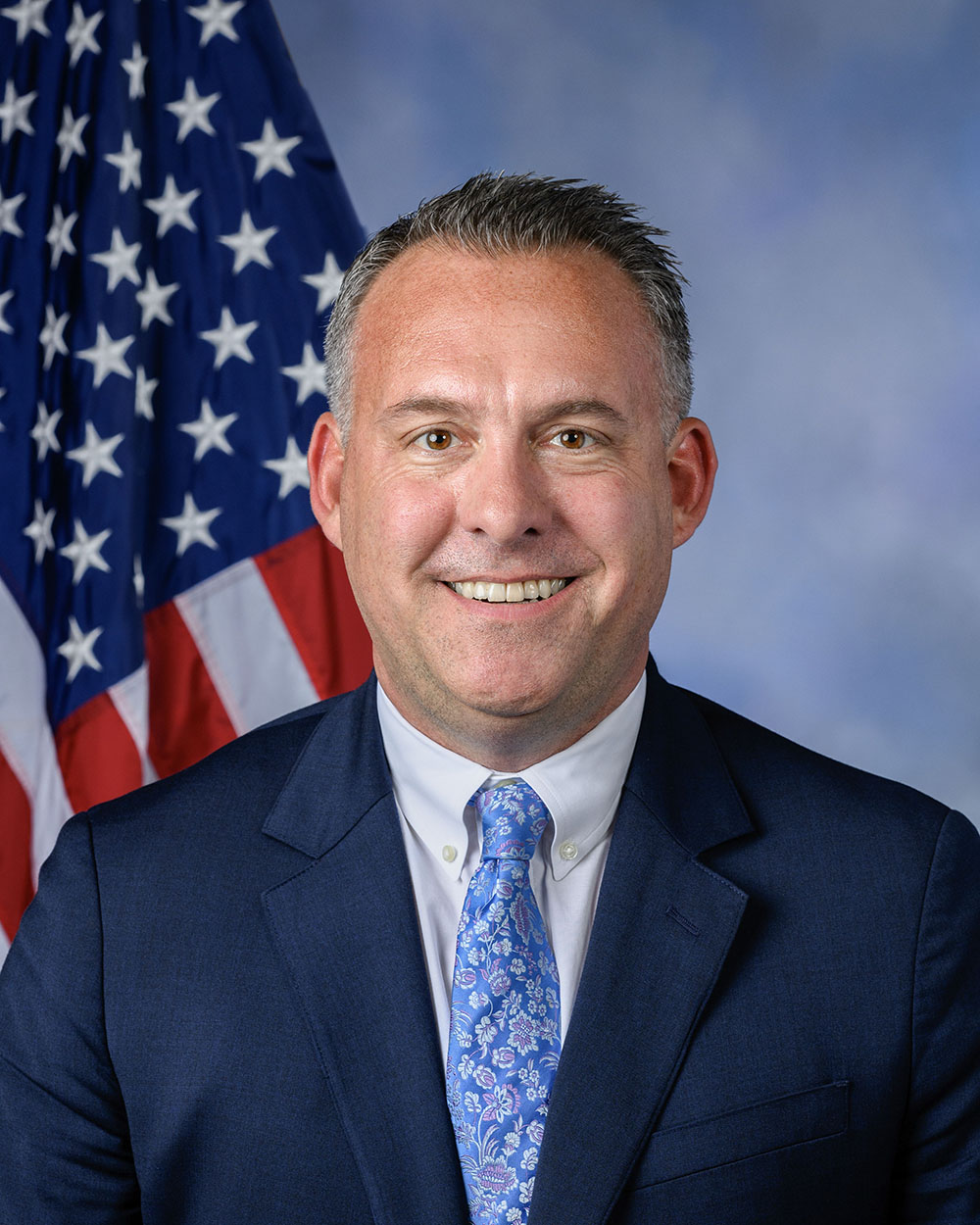
Adam Gray
100% support rate
Top opponent
Aaron Bean
0% support rate
Ranked legislators
10
5 support · 5 oppose
Key legislators

Who's moving airports in United States

Legislators moving airports in United States
Legislator Party Stance Support rate Votes
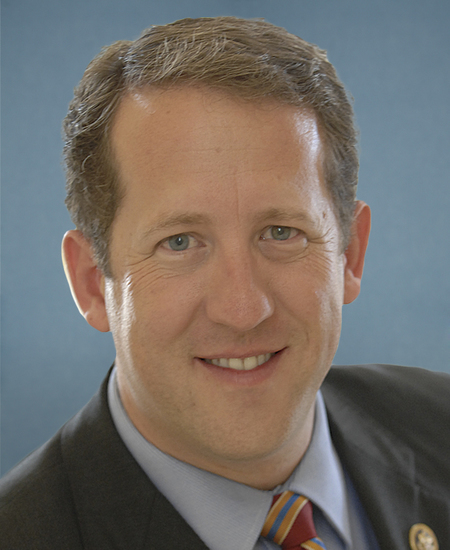
Adam Gray
Adam Gray House · District 13
D
Strong +
100% 3
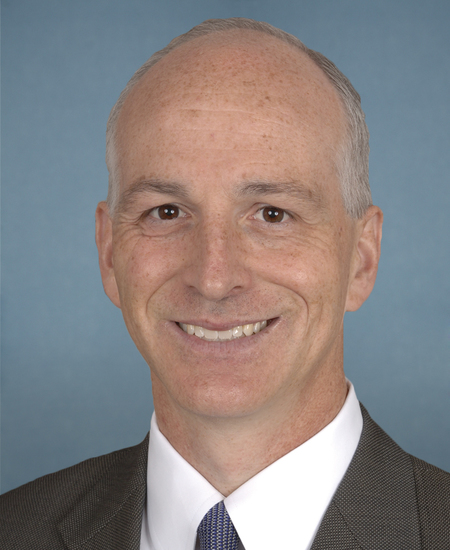
Adam Smith
Adam Smith House · District 9
D
Strong +
100% 3
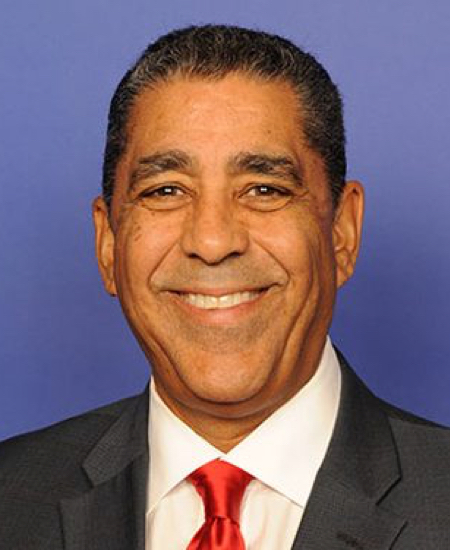
Adriano Espaillat
Adriano Espaillat House · District 13
D
Strong +
100% 3
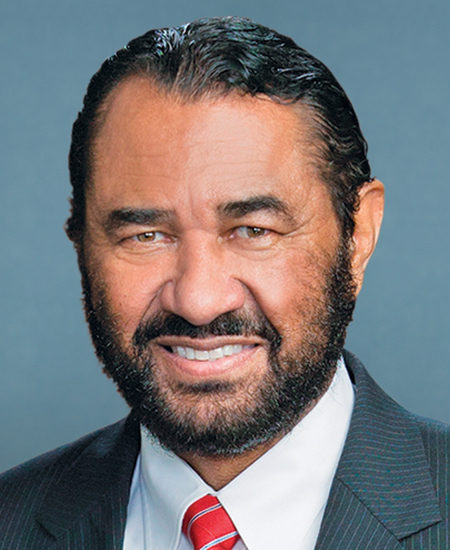
Al Green
Al Green House · District 9
D
Strong +
100% 3
Alexandria Ocasio-Cortez
Alexandria Ocasio-Cortez House · District 14
D
Strong +
100% 3
Aaron Bean
Aaron Bean House · District 4
R
Strong −
0% 3
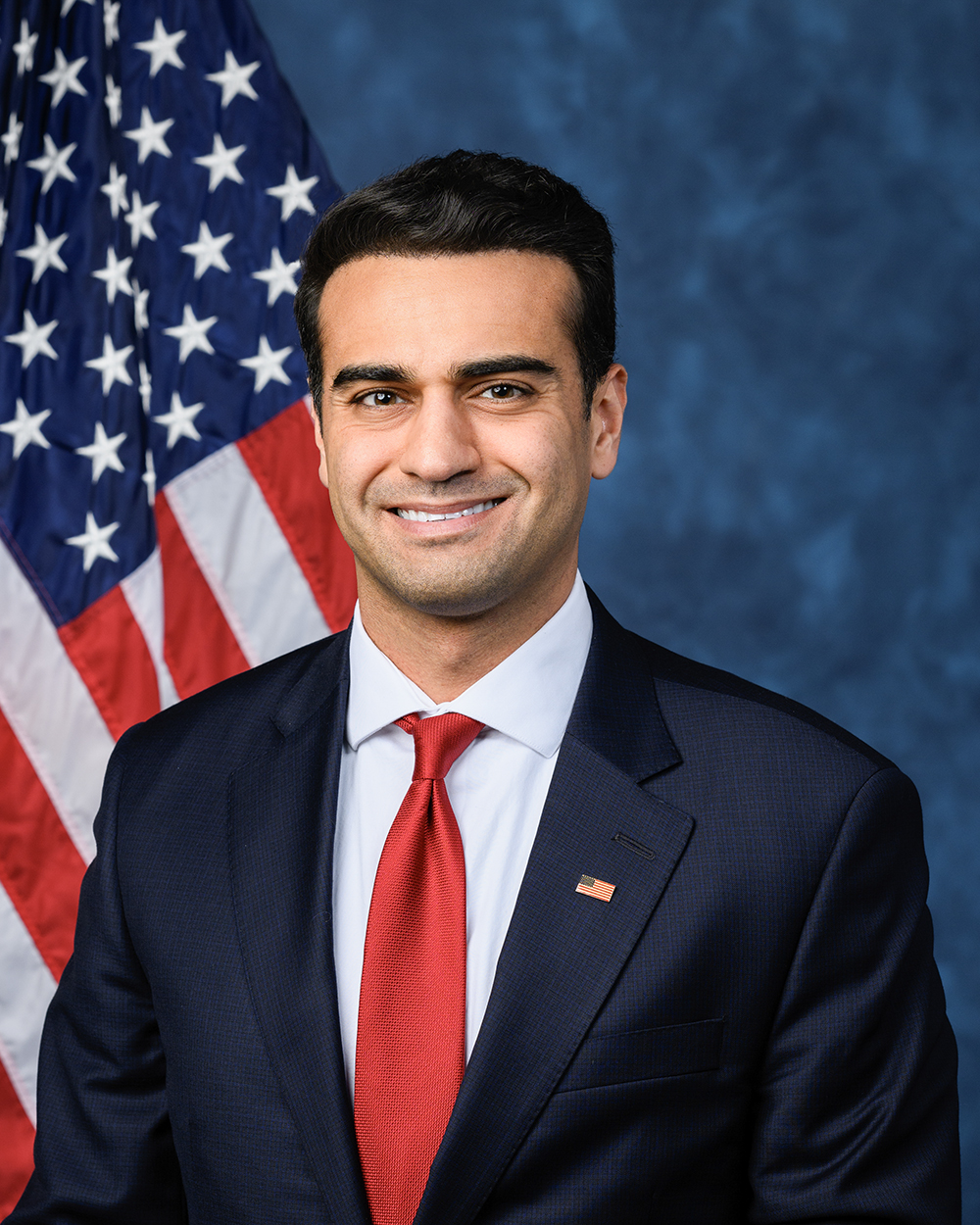
Abraham J. Hamadeh
Abraham J. Hamadeh House · District 8
R
Strong −
0% 3
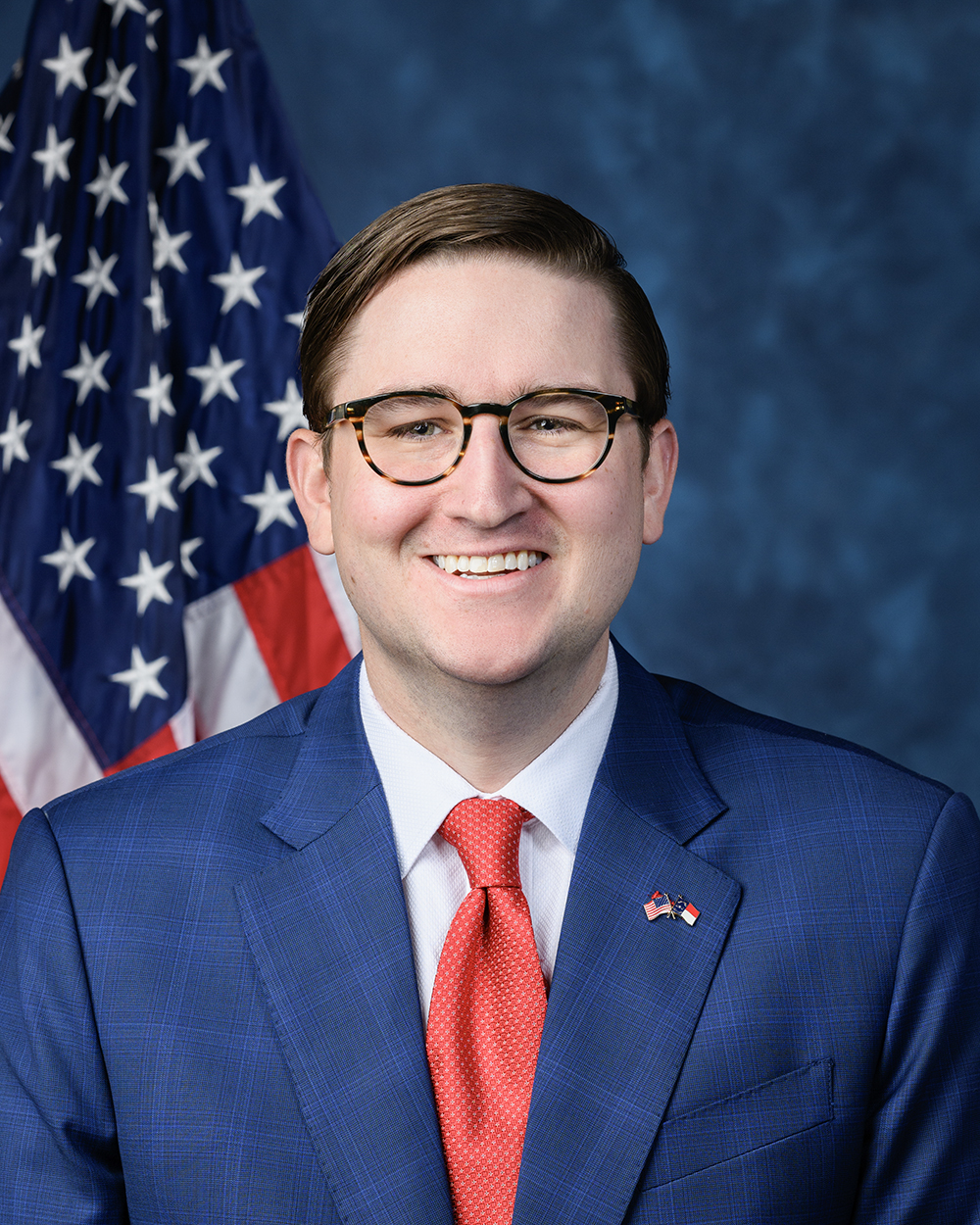
Addison P. McDowell
Addison P. McDowell House · District 6
R
Strong −
0% 3
Adrian Smith
Adrian Smith House · District 3
R
Strong −
0% 3
Andrew Ogles
Andrew Ogles House · District 5
R
Strong −
0% 3
Showing 61–70 of 122 bills

All transportation bills

in committee · United States · House Mar 18, 2025

HR 2182: Pre-Pilot Pathway Act

The Pre-Pilot Pathway Act creates a voluntary apprenticeship program for aspiring commercial pilots through FAA-certified flight training academies. It allows each participating academy to select up to eight students annually to complete a structured curriculum under existing FAA rules (Part 141), with graduates required to meet standard certification requirements. The bill also directs the Transportation Secretary to develop incentives for retired pilots to become instructors or mentors at these academies and mandates annual reports tracking apprentice progress, retention, and job placement. This program directly affects flight training providers, their students, and the broader pilot workforce pipeline, aiming to address pilot shortages through structured training pathways.
Sub-Topics Airports
in committee · United States · House Feb 1, 2025

HR 897: Aviation-Impacted Communities Act

HR 897, the Aviation-Impacted Communities Act, makes communities located near airports but outside the current FAA noise standard (65 DNL) eligible for noise mitigation funding and establishes a process for these communities to formally seek designation. It requires the FAA to partner with the National Academy of Sciences to study aviation impacts at major airports, develop a diagnostic tool for community assessments, and create community boards to represent residents. These boards can request assessments, collaborate on action plans to address noise or emissions, and access grants for solutions like sound insulation, air filtration, or flight path changes. The bill authorizes $750 million for noise mitigation funding over 10 years, targeting residential areas, schools, hospitals, and other facilities affected by aircraft noise and emissions.
Sub-Topics Airports Freight
in committee · United States · Senate Jan 29, 2026

S 3728: Long-Distance Corridor Relief Enhancement Act

This bill modifies a federal requirement for selecting rail corridors by exempting long-distance passenger rail routes from needing committed or anticipated non-Federal funding. It directly affects intercity passenger rail corridors on long-distance routes accepted into the program after October 1, 2023. The key provision removes the Secretary's obligation to consider non-Federal funding when selecting these specific corridors under the program described in the law. This change simplifies the selection process for qualifying long-distance rail corridors by eliminating a prior funding requirement.
Sub-Topics Airports Rail
in committee · United States · Senate Apr 1, 2025

S 1238: Securing Smart Investments in our Ports Act

This bill amends federal port infrastructure funding programs to require that projects receive funding based on equitable geographic distribution across U.S. regions. It adds new requirements to both the Port and Intermodal Improvement Program and assistance for small inland river/coastal ports, mandating that funding decisions consider fair representation across all U.S. regions. The change directly affects port projects seeking federal funds under these programs, ensuring regional balance in project selection. This is a procedural policy adjustment to existing grant rules, not a new funding source. The bill focuses on how funds are allocated, not on specific projects or outcomes.
passed · United States · House Apr 15, 2026

HR 7613: ALERT Act

The ALERT Act (HR 7613) requires the Federal Aviation Administration to improve aviation safety through several key measures. It mandates the evaluation and potential implementation of enhanced collision avoidance systems (ACAS-Xa) for commercial aircraft and ACAS-Xr for rotorcraft, with specific deadlines for rulemaking and installation. The bill establishes committees to develop recommendations for safety technology requirements, requires safety risk assessments for air traffic controllers, and addresses operational procedures at high-traffic airports like Ronald Reagan Washington National. These provisions affect air carriers, air traffic controllers, rotorcraft operators, and Department of Defense aircraft operations. The act aims to enhance situational awareness and reduce midair collision risks through technology upgrades and improved safety protocols.
Sub-Topics Airports
in committee · United States · House May 8, 2025

HR 3270: Air Traffic Control Workforce Development Act of 2025

HR 3270, the Air Traffic Control Workforce Development Act of 2025, aims to strengthen the pipeline of air traffic controllers by improving training programs and retention. It provides $20 million annually (2026-2031) for colleges to develop specialized curricula and equipment through the Enhanced-Collegiate Training Initiative program, allowing graduates to be hired noncompetitively as controllers. The bill also establishes a committee to modernize training curricula and the Air Traffic Skills Assessment exam, while creating retention bonuses for certified controllers and mental health training for medical examiners. These changes directly affect colleges offering air traffic control programs, prospective controllers, and current FAA air traffic controllers.
in committee · United States · House Jun 28, 2025

HR 4246: Essential Air Service Reliability Act of 2025

The Essential Air Service Reliability Act of 2025 requires airlines applying for Essential Air Service (EAS) contracts to include a contingency plan ensuring continued air service during disruptions not caused by weather. This plan must detail how service will be maintained for eligible communities if an interruption occurs due to factors like equipment failure or staffing issues. The requirement applies to all new EAS applications submitted after the bill becomes law. The bill directly affects airlines seeking EAS contracts and the small communities that rely on these services for essential air connectivity.
Sub-Topics Airports
in committee · United States · Senate Mar 13, 2025

S 1045: Aviation Funding Stability Act of 2025

Aviation Funding Stability Act of 2025 This bill provides continuing appropriations to the Federal Aviation Administration (FAA) if (1) an appropriations bill for the FAA has not been enacted before a fiscal year begins, or (2) a joint resolution making continuing appropriations for the FAA is not in effect. Specifically, the bill provides appropriations from the Airport and Airway Trust Fund at the rate of operations that was provided for the prior fiscal year to continue programs, projects, and activities for which funds were provided in the preceding fiscal year.
Sub-Topics Airports
in committee · United States · House May 1, 2025

HR 3142: Secure U.S. Leadership in Space Act of 2025

HR 3142, the Secure U.S. Leadership in Space Act of 2025, amends the federal tax code to provide spaceports with financial treatment similar to airports. It specifically allows spaceports to qualify for tax-exempt bonds used for infrastructure development and creates special rules for government leases of spaceport land. The bill defines "spaceport" broadly to include facilities for spacecraft manufacturing, launch services, reentry operations, and cargo transport. These changes directly benefit spaceport developers and operators seeking tax advantages for building and operating commercial space infrastructure. The policy change modifies existing tax code sections (142, 146, 149) to exclude spaceport bonds from certain state tax limits and federal guarantee restrictions.
in committee · United States · House Nov 21, 2025

HR 6168: Airport TIFIA Financing Certainty Act

This bill expands eligibility for federal TIFIA loans to include most airport infrastructure projects, such as new terminals, security systems, or surface transportation links, regardless of revenue generation or public access. It raises the maximum loan amount from $75 million to $100 million and removes certain eligibility barriers for airport projects seeking loan waivers. The changes directly affect airport authorities and developers seeking federal financing for aviation facility construction or upgrades. Key provisions clarify that projects enhancing air transportation safety, passenger movement, or airport operations qualify under TIFIA. The bill modifies existing transportation law to simplify access to federal credit for airport infrastructure.
Sub-Topics Airports Ports
Showing 61 to 70 of 122 bills
Previous 1 6 7 8 13 Next