Issue · Transportation

Transportation

Every transportation bill, vote, and legislator stance in United States, automatically classified by Maddy, our AI policy reader.

Total bills
728
119th Congress
Top supporter
Matt Van Epps
86% support rate
Top opponent
Adelita S. Grijalva
14% support rate
Ranked legislators
10
5 support · 5 oppose
Key legislators

Who's moving transportation in United States

Legislators moving transportation in United States
Legislator Party Stance Support rate Votes
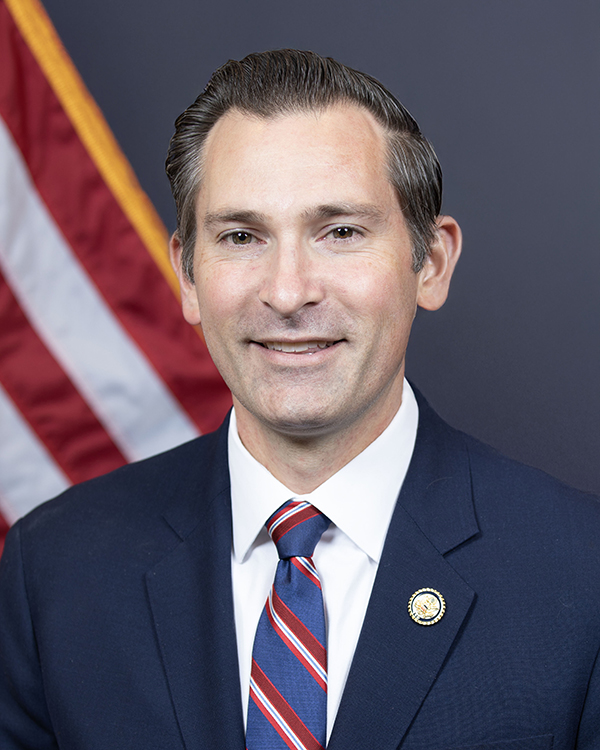
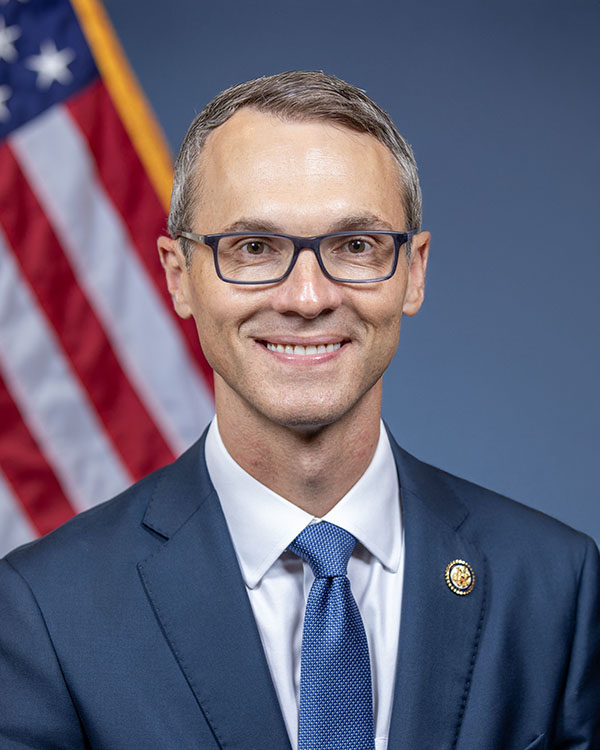
Matt Van Epps
Matt Van Epps House · District 7
R
Strong +
86% 67
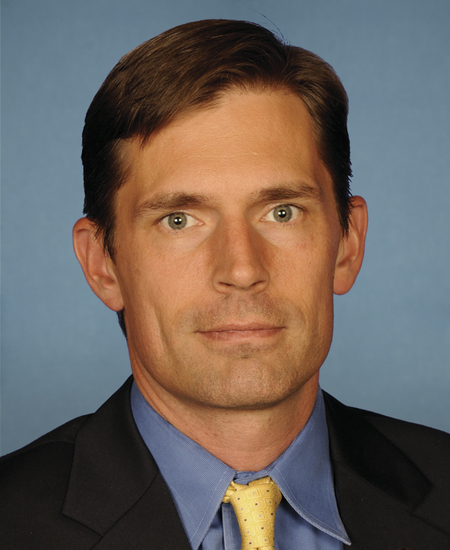
Martin Heinrich
Martin Heinrich Senate
D
Support
78% 133
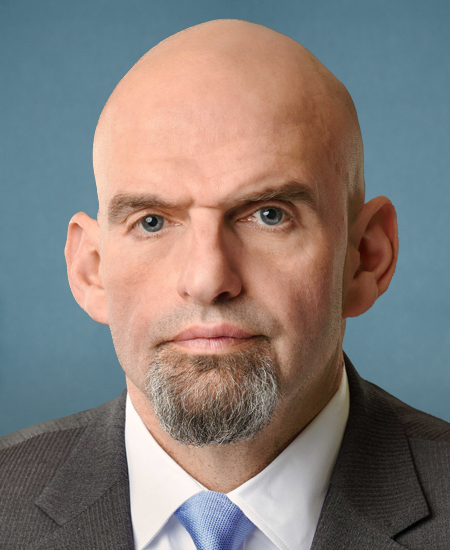
John Fetterman
John Fetterman Senate
D
Support
70% 150
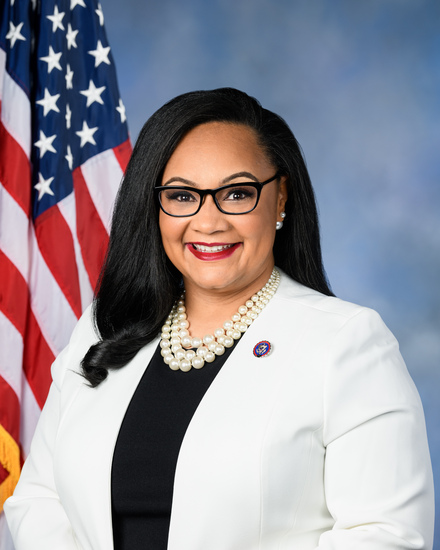
Nikema Williams
Nikema Williams House · District 5
D
Support
70% 113
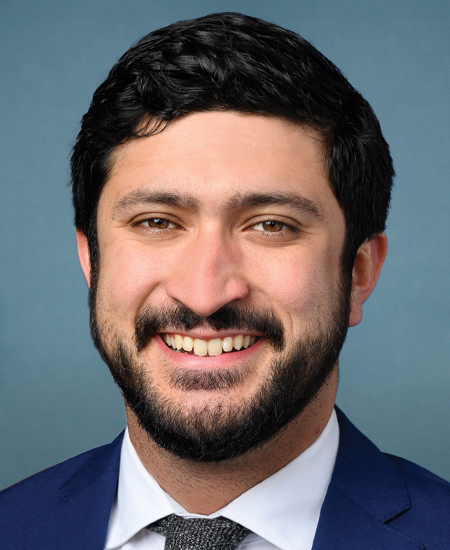
Greg Casar
Greg Casar House · District 35
D
Support
70% 105
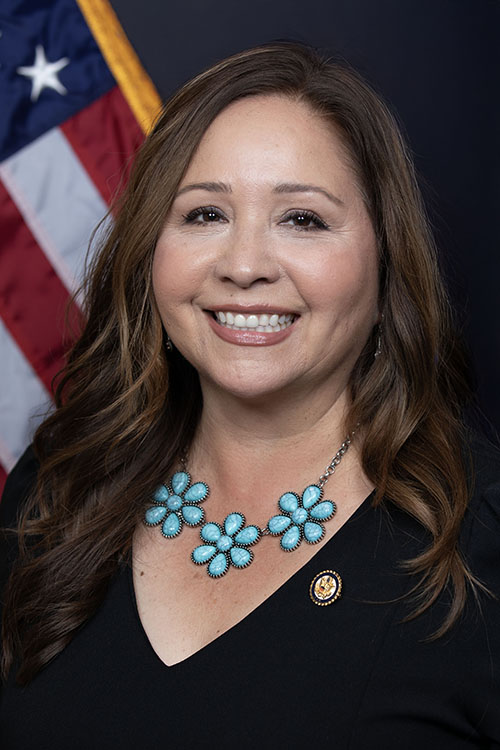
Adelita S. Grijalva
Adelita S. Grijalva House · District 7
D
Strong −
14% 72
James R. Walkinshaw
James R. Walkinshaw House · District 11
D
Strong −
14% 80
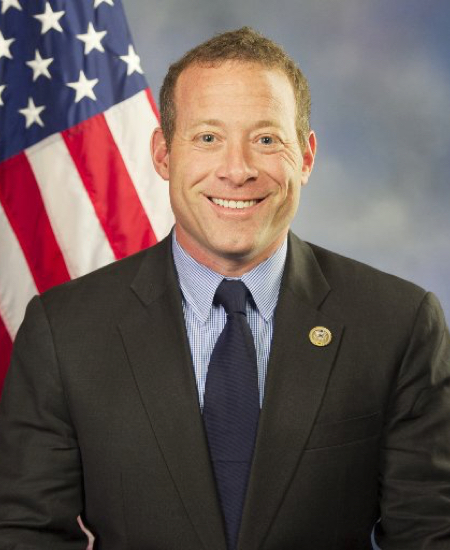
Josh Gottheimer
Josh Gottheimer House · District 5
D
Strong −
14% 109
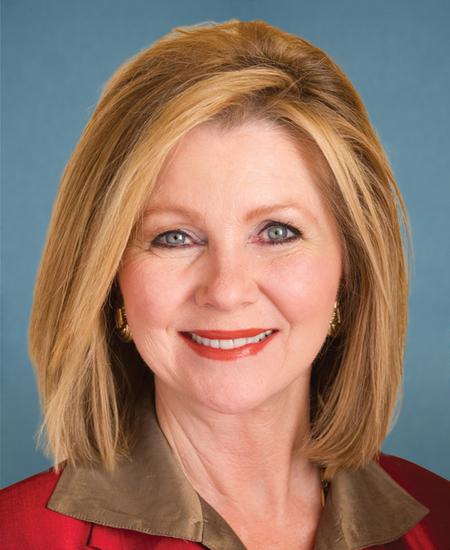
Marsha Blackburn
Marsha Blackburn Senate
R
Oppose
22% 128
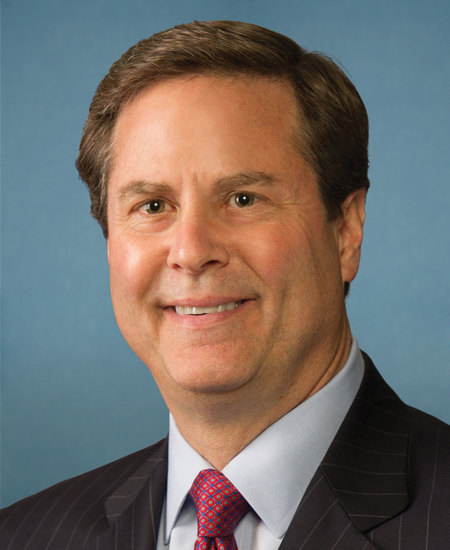
Donald Norcross
Donald Norcross House · District 1
D
Oppose
25% 107
Showing 661–670 of 728 bills

All transportation bills

in committee · United States · House Sep 9, 2025

HR 5177: To amend title 49, United States Code, with respect to the enforcement of certain safety requirements relating to commercial motor vehicle drivers, and for other purposes.

HR 5177 requires states to enforce specific safety rules for commercial truck drivers at weigh stations, as outlined in Executive Order 14286 (signed April 28, 2025). The bill directly affects commercial motor vehicle drivers and state transportation agencies responsible for weigh station operations. Its key provision mandates that the Secretary of Transportation ensure states enforce sections 3 and 4 of the executive order during weigh station inspections. This focuses on routine safety compliance checks at these locations, without altering the underlying safety standards themselves. The bill is procedural in nature, requiring enforcement of existing rules rather than creating new policies.
in committee · United States · House Jul 21, 2025

HR 4552: Transportation, Housing and Urban Development, and Related Agencies Appropriations Act, 2026

# Summary of Transportation, Housing and Urban Development, and Related Agencies Appropriations Act, 2026 This comprehensive appropriations bill allocates funding for the Department of Transportation, Department of Housing and Urban Development (HUD), and several related agencies for fiscal year 2026. ## Key Funding Areas 1. **Department of Transportation**: Includes funding for transportation infrastructure, safety programs, and related initiatives. 2. **Department of Housing and Urban Development (HUD)**: - Tenant-based rental assistance (Section 8) - Public housing operating and capital funds - Lead hazard reduction programs - Fair housing activities - Homeless assistance grants - Community development programs - Healthy homes initiatives 3. **Related Agencies**: Funding for the Access Board, Federal Maritime Commission, National Railroad Passenger Corporation (Amtrak), National Transportation Safety Board, Neighborhood Reinvestment Corporation, and Surface Transportation Board. ## Major Restrictions and Provisions 1. **Funding Restrictions**: - No funds may be used for certain types of training (e.g., training inducing emotional stress, religious content, or designed to change personal values) - No funds for first-class airline travel in contravention of federal regulations - No funds for certain projects (e.g., no funds to support projects using eminent domain for private economic development) - No funds to facilitate new scheduled air transportation to Cuban Government-confiscated property 2. **Reporting Requirements**: - Quarterly reports to Congress on uncommitted, unobligated, recaptured, and excess funds - Semi-annual reports on properties with failing physical inspections 3. **Fund Transfer Rules**: - Strict limitations on reprogramming funds without Congressional approval - Restrictions on transferring funds between accounts (e.g., no more than 10% or $5 million transfer between offices) - Specific rules for transfer of funds to the Information Technology Fund 4. **Other Significant Provisions**: - Restrictions on using funds for certain types of litigation - Requirements for transparency in consulting services - Limits on using funds for executive-legislative activities - Prohibitions on using funds for certain types of contracts (e.g., "HAP Contract Support Services" solicitation) The bill contains numerous specific restrictions on how funds may be used, with over 100 provisions detailing what the funds cannot be used for, reflecting a strong emphasis on fiscal responsibility and program accountability.
in committee · United States · House Sep 9, 2025

HR 5216: BUFFER Act

HR 5216, the BUFFER Act, requires the Secretary of Transportation to allow regional transit agencies to increase their spare bus ratio to 30% upon meeting specific criteria. This directly affects transit agencies in regions that regularly experience extreme weather events like heatwaves or cold snaps, which disrupt fixed-route bus services. To qualify, agencies must certify their exposure to extreme weather, document past service disruptions, and explain how additional spare buses will maintain reliable service during such events. The bill mandates federal guidance to implement this change within one year of enactment, aiming to improve emergency resilience for bus-dependent riders.
Sub-Topics Public Transit Rail
in committee · United States · Senate Jul 30, 2025

S 2535: Protecting Jobs in American Ports Act

This bill amends coastwise laws to clarify that passenger vessels traveling between U.S. ports (including routes via foreign ports) must comply with U.S. coastwise regulations. It directly affects passenger vessel operators on domestic routes, ensuring these services fall under existing U.S. maritime rules. The key change adds a specific definition to the law, explicitly including vessels using foreign ports as transit points in their U.S. passenger routes, while confirming this does not exempt them from other federal laws.
Sub-Topics Ports
in committee · United States · Senate Dec 16, 2025

S 3503: Wildlife Road Crossing Program Reauthorization Act of 2025

This bill reauthorizes a federal program that funds wildlife crossings - structures like overpasses or underpasses designed to help animals safely cross roads - through fiscal years 2027 to 2031. It authorizes $200 million annually from the Highway Trust Fund to support these projects, directly affecting state and tribal governments, local agencies, and conservation groups that apply for grants. Key provisions include making the program permanent (removing "pilot" language), requiring 100% federal funding for tribal projects, and dedicating 0.5% of annual funds to provide tribal technical assistance for faster project approval and funding access. The bill also allows the federal government to retain up to 0.5% of funds for administrative tasks like grant reviews and project oversight.
in committee · United States · Senate Jun 18, 2025

S 2115: Safe and Open Streets Act

The Safe and Open Streets Act creates a new federal crime for intentionally blocking public roads or highways to disrupt the movement of goods and services. It makes it unlawful to purposefully obstruct, delay, or interfere with commerce by blocking a public road, with penalties including fines and up to five years in prison. The bill also updates related federal laws to remove outdated references to "threats or violence" that previously appeared in the same legal section. This law would directly affect individuals who block public roads in ways that interfere with commercial traffic, such as during protests or roadblocks.
in committee · United States · House Nov 1, 2025

HR 5886: Warrior Road Act

This bill requires the Transportation Secretary to prioritize highway projects that support national defense. It mandates a biennial list of the top 3 defense-focused highway projects in each state (developed with FEMA), and directs that projects designated for defense under existing law receive priority in federal funding decisions. States must ensure defense-designated projects get priority for both discretionary grants and apportioned highway funds under Title 23. The law updates existing highway funding rules to integrate civil defense planning into transportation project selection.
Sub-Topics Bridges Roads & Highways Transportation Funding Tags Emergency Management
in committee · United States · House Jan 23, 2025

HR 623: LICENSE Act of 2025

HR 623, the LICENSE Act of 2025, modifies federal commercial driver’s license (CDL) regulations to improve testing flexibility and standards. It requires the Transportation Secretary to revise two key regulations: (1) allowing third-party examiners to administer knowledge tests only if they hold valid certification, complete specific training, and have 1 unit of required instruction (per 49 CFR §384.228), and (2) enabling any state to administer skills tests to CDL applicants regardless of their state of residence or where they received training (per 49 CFR §383.79). These changes directly affect CDL applicants, states administering tests, and third-party examiners. The bill focuses on streamlining testing processes while establishing clearer examiner qualifications and removing geographic barriers for skills testing.
Sub-Topics Driver Licensing Freight Tags Licensing
passed · United States · Senate Dec 2, 2025

SRES 512: A resolution designating November 30, 2025, as "Drive Safer Sunday".

SRES 512 is a non-binding Senate resolution designating November 30, 2025, as "Drive Safer Sunday" to promote highway safety awareness. It encourages schools, trucking companies, clergy, law enforcement, and the public to participate in educational efforts - such as campus campaigns, driver safety reminders via CB radios, and community outreach - focusing on seat belt use and safe driving habits. The resolution specifically highlights the Sunday after Thanksgiving as a high-traffic period and references the National Highway Traffic Safety Administration's data on seat belts saving over 15,000 lives annually. As a symbolic gesture, it does not create new laws or requirements but aims to foster voluntary safety practices across communities.
in committee · United States · Senate Apr 9, 2025

S 1373: USRC Funding Eligibility Act

This bill makes the Union Station Redevelopment Corporation (USRC) eligible to receive specific federal transportation grants with 100% federal funding. It amends four grant programs (BUILD, National Infrastructure Project Assistance, Consolidated Rail Infrastructure, and Federal-State Partnership for Intercity Passenger Rail) to explicitly include the USRC as an eligible recipient. For all these programs, the bill requires the federal government to cover 100% of eligible project costs for USRC projects, eliminating typical cost-sharing requirements. The bill directly affects the USRC, enabling it to access these federal funds without contributing state or local matching funds. This is a policy change affecting federal grant eligibility and funding structure for the USRC.
Sub-Topics Airports Rail
Showing 661 to 670 of 728 bills
Previous 1 66 67 68 73 Next