Issue · Transportation

Transportation

Every transportation bill, vote, and legislator stance in United States, automatically classified by Maddy, our AI policy reader.

Total bills
728
119th Congress
Top supporter
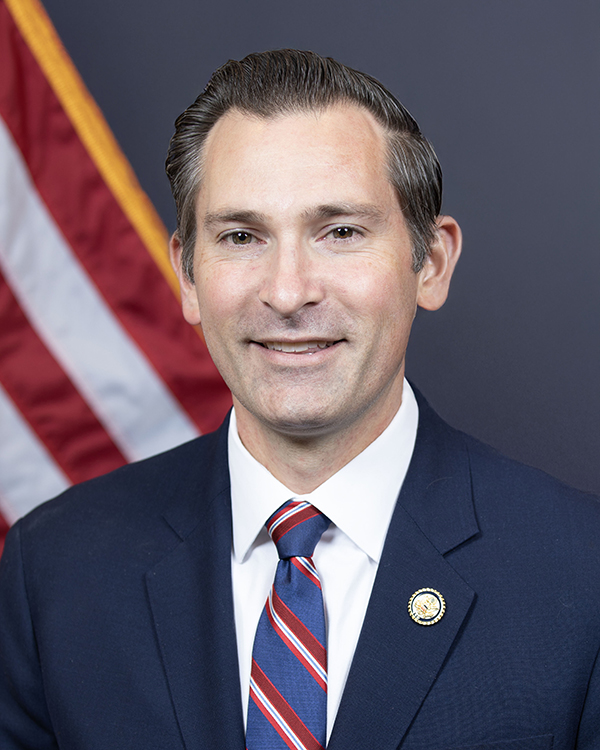
Matt Van Epps
86% support rate
Top opponent
Adelita S. Grijalva
14% support rate
Ranked legislators
10
5 support · 5 oppose
Key legislators

Who's moving transportation in United States

Legislators moving transportation in United States
Legislator Party Stance Support rate Votes
Matt Van Epps
Matt Van Epps House · District 7
R
Strong +
86% 67
Martin Heinrich
Martin Heinrich Senate
D
Support
78% 133
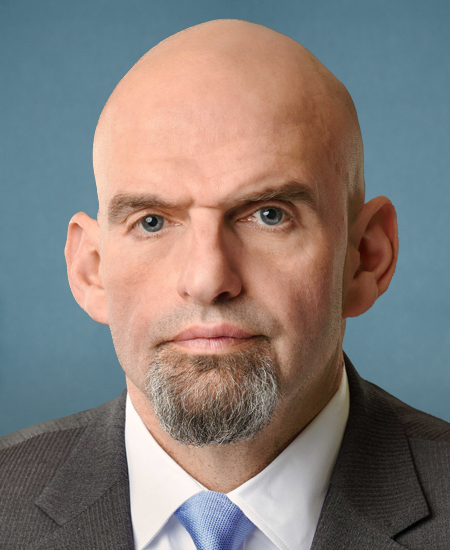
John Fetterman
John Fetterman Senate
D
Support
70% 150
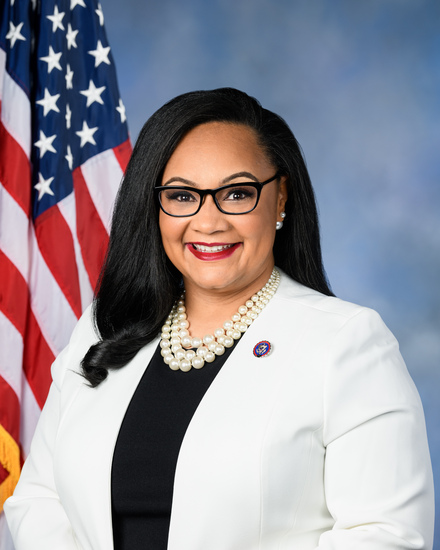
Nikema Williams
Nikema Williams House · District 5
D
Support
70% 113
Greg Casar
Greg Casar House · District 35
D
Support
70% 105
Adelita S. Grijalva
Adelita S. Grijalva House · District 7
D
Strong −
14% 72
James R. Walkinshaw
James R. Walkinshaw House · District 11
D
Strong −
14% 80
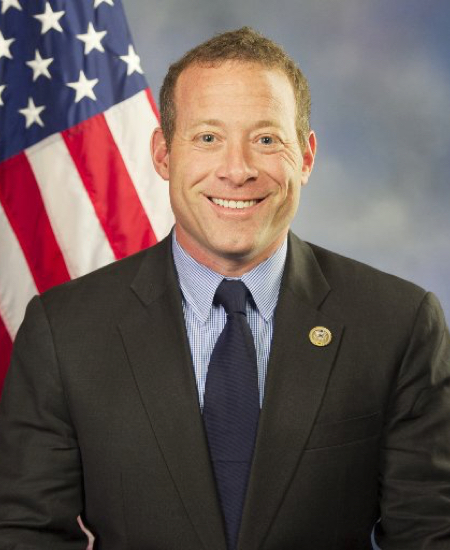
Josh Gottheimer
Josh Gottheimer House · District 5
D
Strong −
14% 109
Marsha Blackburn
Marsha Blackburn Senate
R
Oppose
22% 128
Donald Norcross
Donald Norcross House · District 1
D
Oppose
25% 107
Showing 591–600 of 728 bills

All transportation bills

in committee · United States · House Jun 7, 2025

HR 3799: Executive Order 14286 Act of 2025

This bill codifies Executive Order 14286, which established "commonsense rules of the road for America's truck drivers," making it legally binding law. It directly affects commercial truck drivers by implementing specific operational regulations previously set by the executive order. The bill does not create new rules but formally incorporates the existing order into law, ensuring its requirements have the force of statute. This procedural measure applies to truck drivers operating under the regulations outlined in the April 28, 2025, executive order.
in committee · United States · House Feb 13, 2025

HR 1333: To amend the Intermodal Surface Transportation Efficiency Act of 1991 to designate a portion of United States Route 74 in North Carolina as a future interstate, and for other purposes.

HR 1333 designates a specific segment of U.S. Route 74 in North Carolina - from Columbus to Kings Mountain - as a future interstate highway under the Intermodal Surface Transportation Efficiency Act of 1991. This bill updates existing transportation law to add this corridor to the list of high-priority routes and future interstate designations. The change directly affects communities along this North Carolina stretch by formally recognizing it for potential future interstate development, though it does not allocate funding or initiate construction. The bill is procedural, focusing solely on legislative designation within federal transportation planning.
in committee · United States · Senate Jul 23, 2025

S 1733: Highway Funding Transferability Improvement Act

This bill amends federal highway funding rules to allow states to move a larger share of their federal-aid highway funds between project categories. Specifically, it increases the maximum percentage of funds that can be transferred from 50% to 75% under Section 126(a) of Title 23, U.S. Code. This directly affects state transportation departments, giving them greater flexibility to reallocate funds within their highway programs without needing federal approval for the full amount. The change simplifies administrative processes for states managing federal highway budgets.
in committee · United States · Senate Feb 12, 2026

S 2968: Outdoor Americans with Disabilities Act

This bill requires U.S. Forest Service and Bureau of Land Management to update travel plans for public lands, ensuring areas meet a new standard: at least 2.5 miles of accessible road per square mile for people with disabilities using motorized or off-road vehicles. It directly affects public land users, particularly those with mobility disabilities who rely on accessible routes for recreation. Key provisions include preventing road closures that would drop accessibility below the 2.5-mile threshold (unless for emergencies or safety), mandating public notice and hearings before closures, and requiring new roads to replace closed ones within a year. The law prioritizes maintaining access to activities like hiking, fishing, and wildlife viewing while balancing safety and environmental needs.
Sub-Topics Roads & Highways Tags People with Disabilities
in committee · United States · Senate Sep 18, 2025

S 2900: Work Zone Weather Integration Act of 2025

S 2900 establishes a 3-year pilot program to integrate real-time weather hazard alerts from the National Weather Service with active work zone location and status data. The program, run by the Secretary of Transportation with coordination from weather and transportation agencies, will test technical protocols in at least five participating states (including one rural state) to improve roadway safety. It aims to evaluate the feasibility and safety impacts of nationwide deployment of such integrated alert systems, with a report due to Congress within three years. This pilot does not create new regulations but focuses on developing data-sharing protocols for drivers and state transportation departments.
Sub-Topics Roads & Highways
in committee · United States · Senate Dec 3, 2025

S 3316: WATER Act of 2025

This bill allows states to assume federal permitting responsibilities for highway, railroad, and public transportation projects under the Clean Water Act. States can take over environmental reviews and permit approvals for these projects through written agreements with the Army Corps and EPA, potentially speeding up project timelines. The program requires states to meet federal standards, maintain financial resources, and undergo regular federal audits to ensure compliance. It does not change environmental standards but shifts implementation authority to states for specific transportation infrastructure projects.
in committee · United States · House Jul 16, 2025

HR 4401: Bridge Investment and Modernization Act of 2025

The Bridge Investment and Modernization Act of 2025 extends federal funding for bridge infrastructure projects through fiscal years 2027-2031, authorizing $3.05 billion in 2027 rising to $3.25 billion in 2031. It modifies an existing program under the Infrastructure Investment and Jobs Act to maintain consistent annual funding levels for bridge repairs and replacements. The bill also streamlines the bridge selection process by removing a specific administrative requirement (Section 124(c)(5)(B) of Title 23, U.S. Code). This directly affects federal transportation agencies and state departments responsible for managing bridge infrastructure projects.
in committee · United States · Senate Sep 16, 2025

S 2814: Transit Crime Reporting Act of 2025

S 2814, the Transit Crime Reporting Act of 2025, requires the U.S. Secretary of Transportation to annually report crime statistics on federally funded transit systems (like buses and trains receiving federal funding) to Congress, broken down by violent and non-violent incidents. It also establishes a 12-member task force - featuring transit agency leaders, law enforcement, transit workers, and national transit associations - to develop safety recommendations for Congress within two years. The bill directly affects all transit agencies receiving federal funds under specific laws, mandating improved transparency in crime data reporting. Its key mechanisms are the annual crime reports and the task force’s structured process for generating safety recommendations, without implementing new safety measures itself.
Sub-Topics Public Transit Rail
in committee · United States · Senate Mar 11, 2025

S 944: Sarah Debbink Langenkamp Active Transportation Safety Act

This bill increases federal funding for projects improving safety for pedestrians and cyclists. It allows states and localities using federal highway funds to fully cover (100%) the costs of specific projects, such as connecting existing bike/pedestrian paths or reducing risks to vulnerable road users, if they use "Proven Safety Countermeasures" for cyclists/pedestrians as defined by the Federal Highway Administration. Projects must align with state safety plans or local safety plans like Complete Streets or Vision Zero plans. The bill directly affects states and local governments managing transportation infrastructure funded through federal highway programs.
in committee · United States · House Jan 15, 2026

HR 7062: Build HUBS Act

The Build HUBS Act extends and improves the Transportation Infrastructure Finance and Innovation (TIFIA) and Railroad Rehabilitation and Improvement Financing (RRIF) programs to support housing near transit. It creates new definitions for "attainable housing projects" (affordable to households earning up to 120% of area median income, with most units affordable to those earning up to 80% of area median income) and allows an "investment-creditworthiness assessment alternative" instead of requiring investment-grade ratings for financing. The bill requires at least 75% of TIFIA funding for attainable housing projects to go toward residential components, sets a lower interest rate (half the Treasury Rate) for these projects, and exempts certain land acquisition activities from environmental review requirements under the National Environmental Policy Act.
Showing 591 to 600 of 728 bills
Previous 1 59 60 61 73 Next