Issue · Transportation

Transportation (Airports)

Every transportation bill, vote, and legislator stance in United States, automatically classified by Maddy, our AI policy reader.

Total bills
122
119th Congress
Top supporter
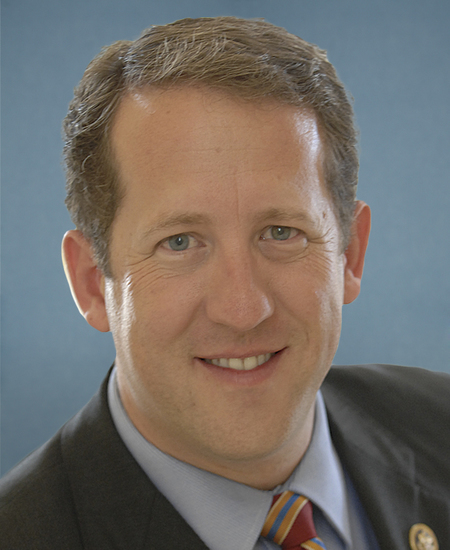
Adam Gray
100% support rate
Top opponent
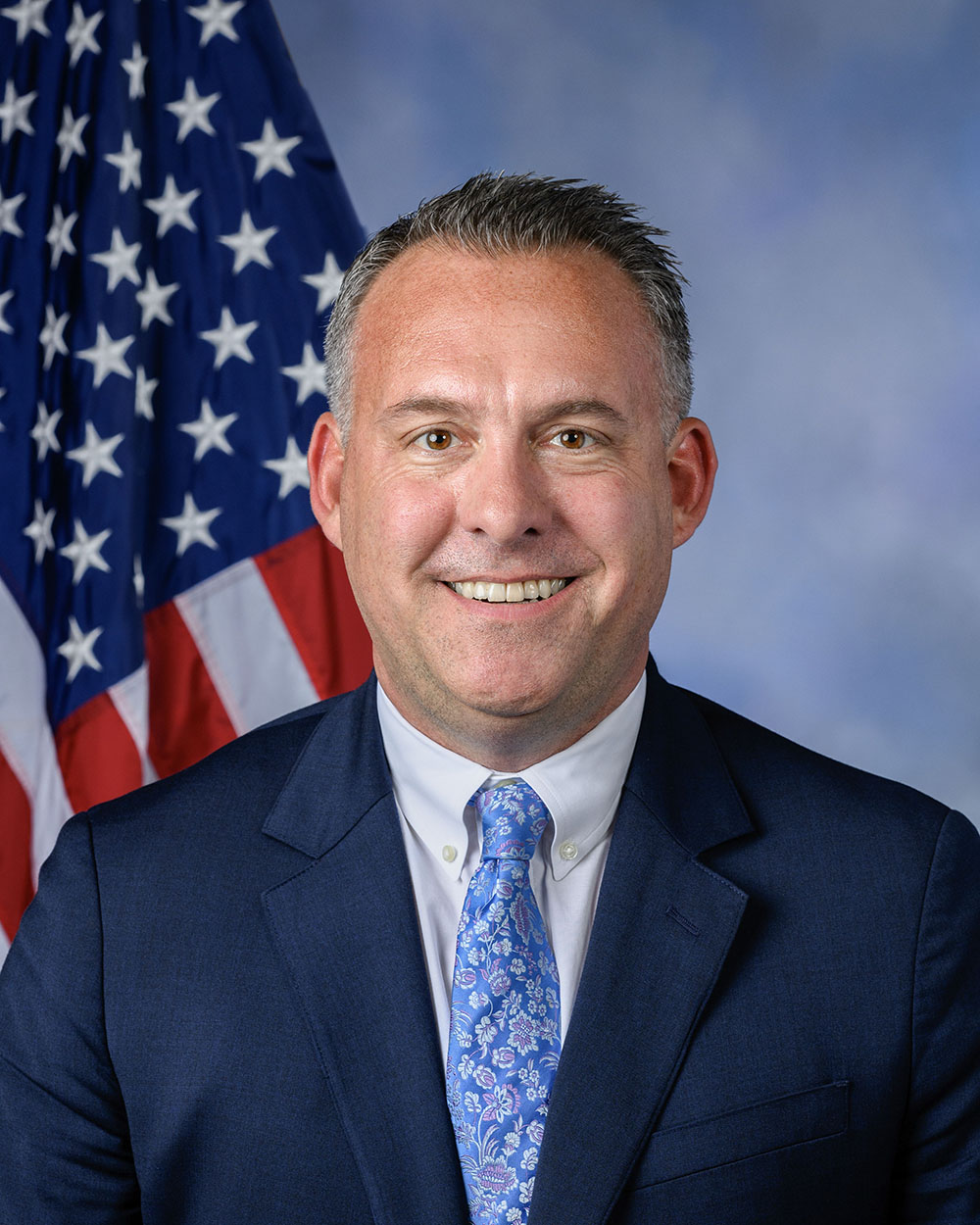
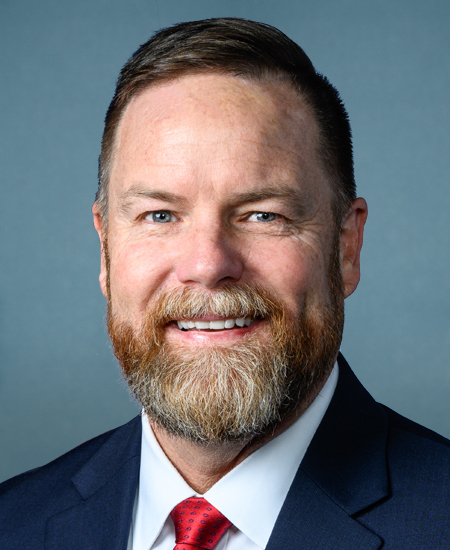
Aaron Bean
0% support rate
Ranked legislators
10
5 support · 5 oppose
Key legislators

Who's moving airports in United States

Legislators moving airports in United States
Legislator Party Stance Support rate Votes
Adam Gray
Adam Gray House · District 13
D
Strong +
100% 3
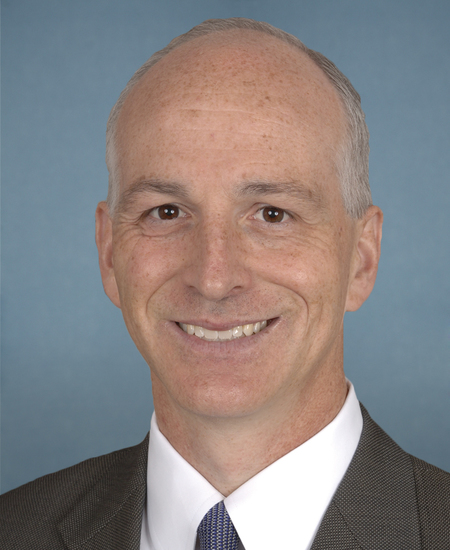
Adam Smith
Adam Smith House · District 9
D
Strong +
100% 3
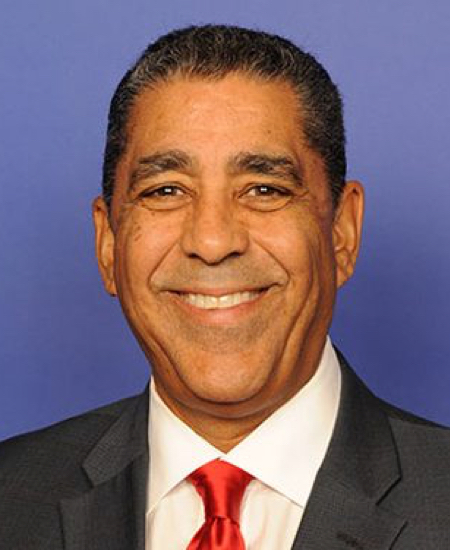
Adriano Espaillat
Adriano Espaillat House · District 13
D
Strong +
100% 3
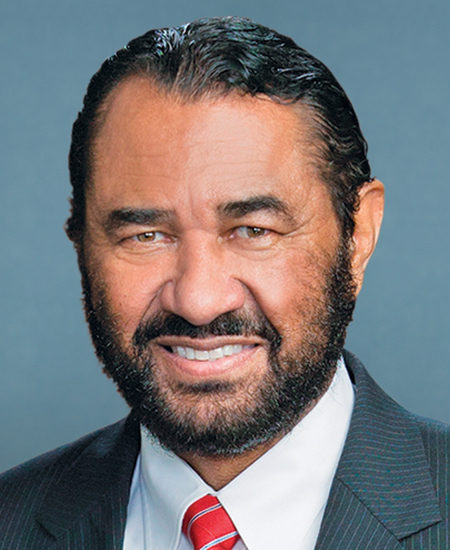
Al Green
Al Green House · District 9
D
Strong +
100% 3
Alexandria Ocasio-Cortez
Alexandria Ocasio-Cortez House · District 14
D
Strong +
100% 3
Aaron Bean
Aaron Bean House · District 4
R
Strong −
0% 3
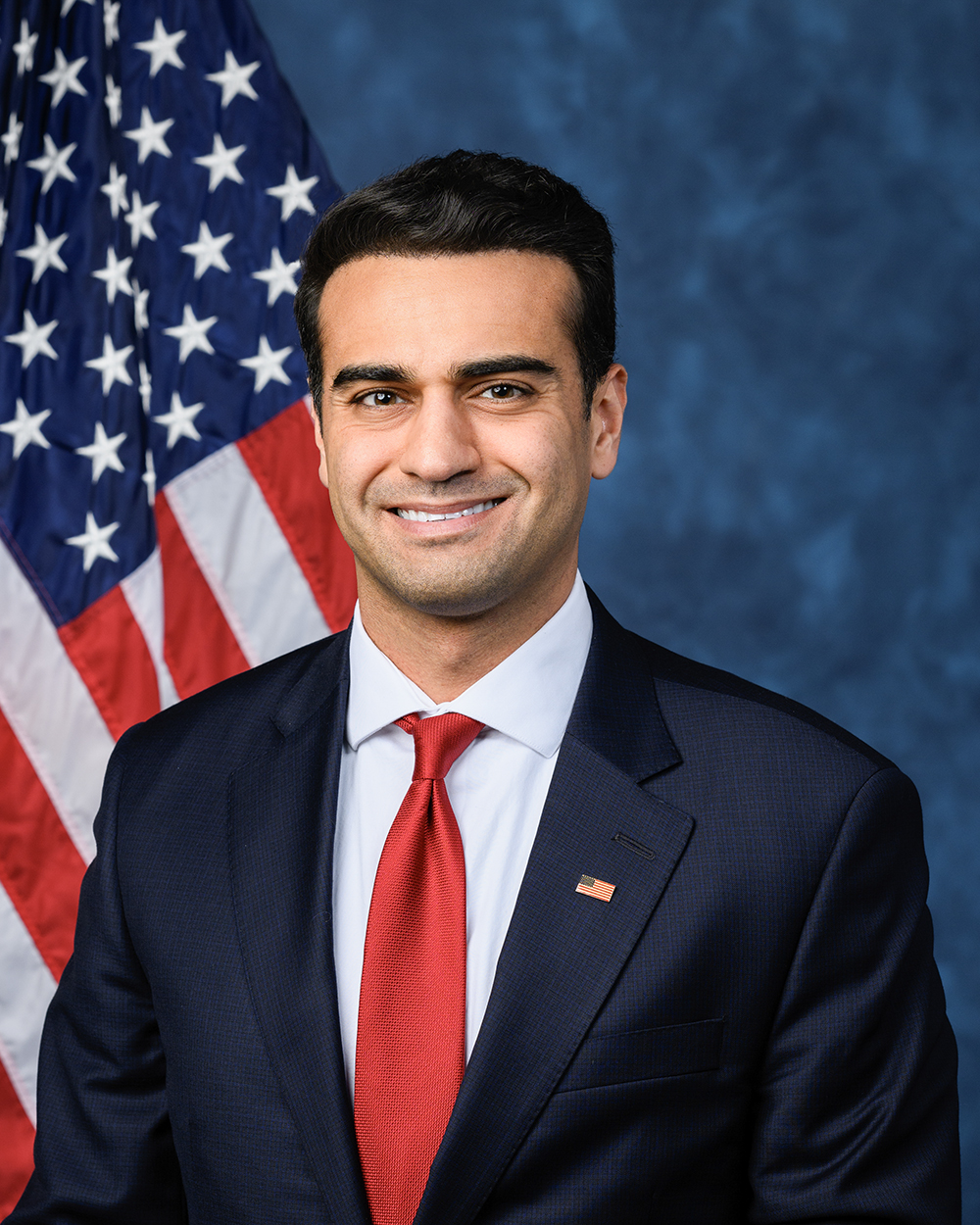
Abraham J. Hamadeh
Abraham J. Hamadeh House · District 8
R
Strong −
0% 3
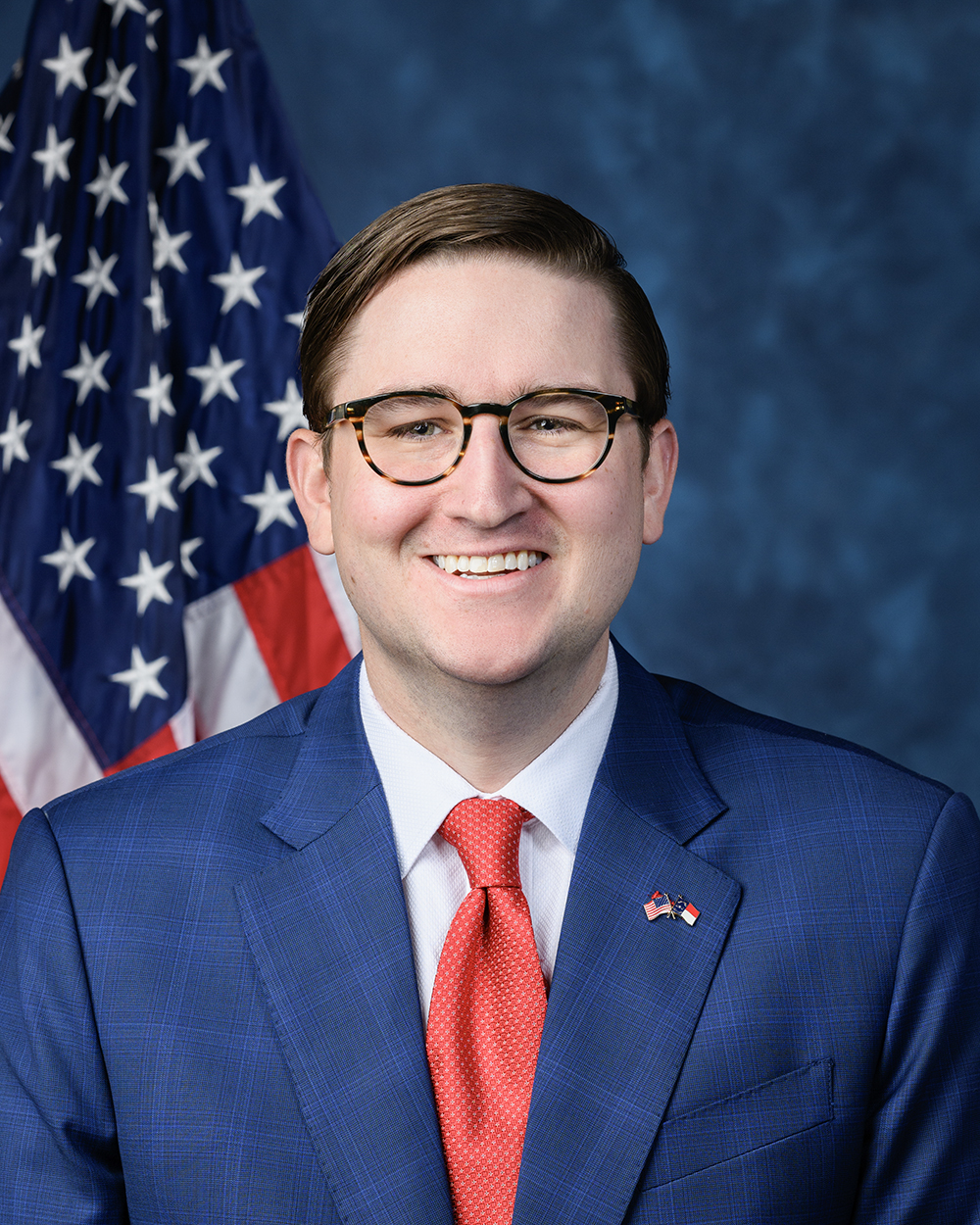
Addison P. McDowell
Addison P. McDowell House · District 6
R
Strong −
0% 3
Adrian Smith
Adrian Smith House · District 3
R
Strong −
0% 3
Andrew Ogles
Andrew Ogles House · District 5
R
Strong −
0% 3
Showing 41–50 of 122 bills

All transportation bills

in committee · United States · House Apr 10, 2025

HR 2887: Protecting Outdoor Concerts Act of 2025

This bill requires the Federal Aviation Administration (FAA) to create temporary flight restrictions (TFRs) for outdoor concerts or music festivals with at least 30,000 daily attendees. The TFRs would limit both manned aircraft and drones in designated airspace around these events to protect safety on the ground and in the air. The FAA must follow existing rules used for major sporting events and drone regulations when establishing these restrictions. The law mandates this change within one year of enactment, applying specifically to large-scale outdoor music gatherings. It does not affect smaller events or alter general aviation rules outside of these designated temporary zones.
Sub-Topics Airports
in committee · United States · House Apr 8, 2025

HR 2751: ATC Protection Act

This bill prohibits the Federal Aviation Administration (FAA) from reducing, replacing, or outsourcing 1% or more of its workforce without explicit congressional approval. It requires the Transportation Secretary to submit a detailed report to Congress explaining such decisions and their potential impacts on aviation safety and operations. The bill also explicitly bans the privatization or outsourcing of the entire FAA air traffic control system and blocks external oversight bodies (like "DOGE") from controlling FAA functions. These provisions directly affect FAA staffing decisions and ensure public control over air traffic management, with no new services or funding created.
Sub-Topics Airports
in committee · United States · House Oct 28, 2025

HR 5862: American Energy Independence and Affordability Act

The American Energy Independence and Affordability Act extends multiple clean energy tax credits that were set to expire between 2025 and 2026. It specifically extends residential clean energy credits through 2034, clean electricity investment credits for wind and solar through 2032, and clean vehicle credits for electric vehicles through 2032. The bill also reinstates special rates for sustainable aviation fuel and modifies requirements for energy-efficient home improvements. These provisions directly affect homeowners installing solar panels, businesses investing in clean energy infrastructure, and manufacturers producing clean energy equipment.
passed · United States · House Sep 9, 2025

HR 3423: Facility for Runway Operations and Safe Transportation Act

This bill amends an existing aviation safety law to clarify that "storage facilities for aircraft deicing equipment and fluids" are explicitly included under regulatory coverage. It directly affects airport operators and federal aviation authorities (FAA) who manage deicing operations at airports. The change corrects a technical omission in the law's definition, ensuring storage facilities for deicing equipment are covered under existing safety regulations without creating new requirements. This is a procedural clarification, not a policy change.
Sub-Topics Airports
passed · United States · House Mar 25, 2026

HR 3410: Supersonic Aviation Modernization Act

The Supersonic Aviation Modernization Act requires the Federal Aviation Administration (FAA) to issue new regulations within one year of enactment, enabling commercial supersonic flights (faster than the speed of sound) over U.S. airspace without special permission. These regulations would only permit such flights if the aircraft is operated to prevent sonic booms from reaching the ground. The bill directly affects companies developing and operating supersonic aircraft, as well as the FAA, which must revise existing rules to accommodate this change. This policy shift removes current barriers to routine supersonic travel in U.S. airspace under specific noise-reduction conditions.
Sub-Topics Airports
in committee · United States · House Jan 31, 2026

HR 7275: Aviation Weather Safety Improvement Act

HR 7275, the Aviation Weather Safety Improvement Act, requires Center Weather Service Units to coordinate staffing with the National Weather Service, FAA, and relevant unions to ensure adequate coverage for aviation weather support. This directly affects FAA and National Weather Service staff at these units by mandating collaboration with union representatives to maintain safe aircraft movement. The bill also adds a requirement for the Secretary to submit annual reports to specific congressional committees on staffing implementation. The law aims to improve safety through structured staffing coordination, avoiding complex jargon while focusing on concrete procedural changes.
Sub-Topics Airports
in committee · United States · House Sep 3, 2025

HR 5061: Counter-UAS Authority Security, Safety, and Reauthorization Act

HR 5061 establishes new authority for federal and local agencies to detect, identify, monitor, and mitigate unmanned aircraft systems (drones) that pose security threats to critical infrastructure, airports, and public events. The bill requires counter-UAS systems to meet minimum performance standards that ensure aviation safety and minimize interference with communications, with a list of approved systems maintained by the Secretary of Homeland Security. It creates a pilot program for state and local law enforcement to use authorized counter-UAS systems at covered sites (like critical infrastructure, oil refineries, and amusement parks) and covered events, with requirements for training, coordination, and privacy protections. The law includes annual reporting requirements and expires on October 1, 2030.
Sub-Topics Airports
in committee · United States · House Feb 24, 2025

HR 1536: PIFAA

The Pacific Island Flight Alternatives Act of 2025 (PIFAA) would update federal aviation rules to allow airlines from Japan, the Philippines, and South Korea to operate more direct flights between Guam, the Northern Mariana Islands, and the U.S. It clarifies that adding or removing passengers in Guam or the Northern Mariana Islands during a flight between the U.S. and other Pacific destinations does not break the international journey for these carriers. This change aims to increase competition on routes currently dominated by limited U.S. carriers, potentially lowering travel costs for residents. The bill specifically applies to foreign airlines from those three nations that already hold permits under existing U.S. aviation regulations.
Sub-Topics Airports Freight
in committee · United States · House Apr 2, 2025

HR 2592: Aviation Medication Transparency Act of 2025

HR 2592, the Aviation Medication Transparency Act of 2025, requires the Federal Aviation Administration (FAA) to create and maintain a public website listing medications approved for use by pilots and aircrew (airmen) during medical certification. The list must be developed with input from pilots' unions, air traffic controllers' representatives, and other stakeholders, and include details like "Do Not Issue" medications, required duty limitations for new medications, and contact information for medical providers. The FAA must publish this list within one year of the bill's enactment and update it annually. This directly affects pilots seeking or holding medical certifications by providing clear, accessible information about medication use in aviation.
Sub-Topics Airports
in committee · United States · House Jul 21, 2025

HR 4562: Sustainable Aviation Fuel Information Act

This bill requires the Energy Information Administration (EIA) to collect and publish detailed data on sustainable aviation fuel (SAF) in its existing energy reports. Specifically, it mandates reporting on the raw materials used (including location by state, U.S., or country), production volumes, and import sources for SAF. The data must follow consistent statistical methods to avoid double-counting. This affects the energy industry by increasing transparency around SAF supply chains but does not create new regulations or funding.
Showing 41 to 50 of 122 bills
Previous 1 4 5 6 13 Next