Issue · Transportation

Transportation

Every transportation bill, vote, and legislator stance in United States, automatically classified by Maddy, our AI policy reader.

Total bills
736
119th Congress
Top supporter
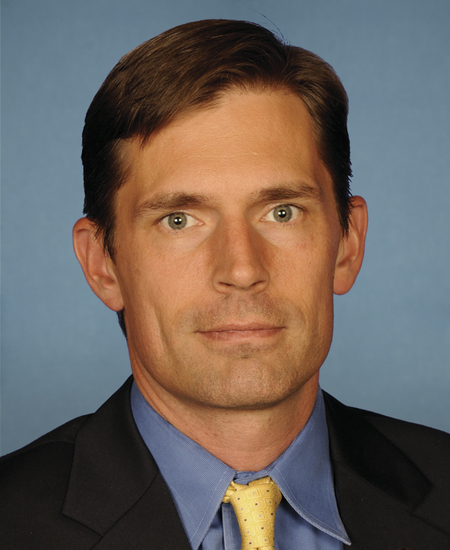
Martin Heinrich
78% support rate
Top opponent
Marsha Blackburn
22% support rate
Ranked legislators
10
5 support · 5 oppose
Key legislators

Who's moving transportation in United States

Legislators moving transportation in United States
Legislator Party Stance Support rate Decisive votes
Martin Heinrich
Martin Heinrich Senate
D
Support
78% 9
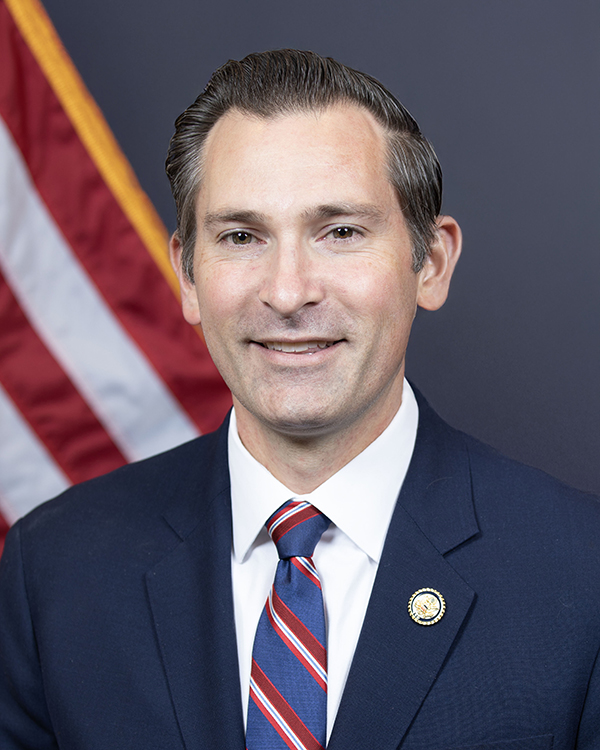
Matt Van Epps
Matt Van Epps House · District 7
R
Support
78% 9
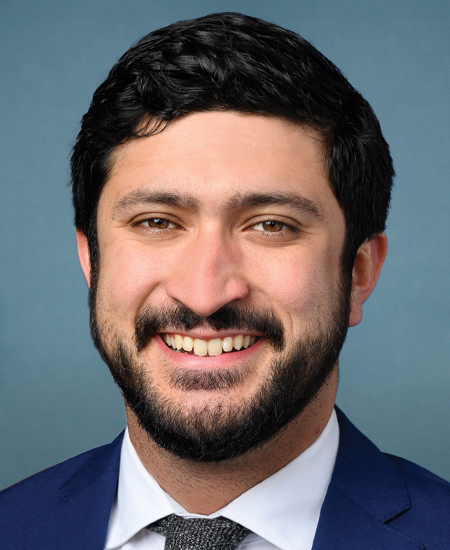
Greg Casar
Greg Casar House · District 35
D
Support
75% 12
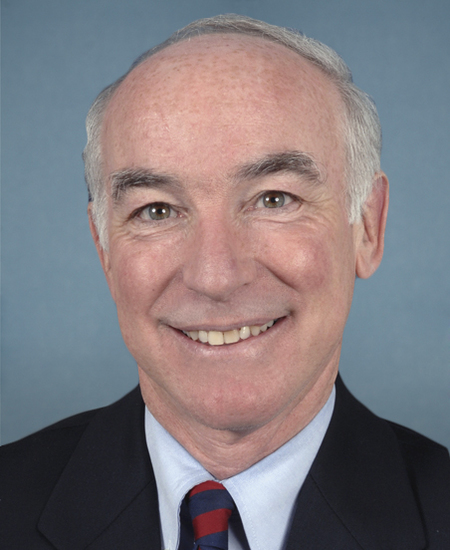
Joe Courtney
Joe Courtney House · District 2
D
Support
75% 12
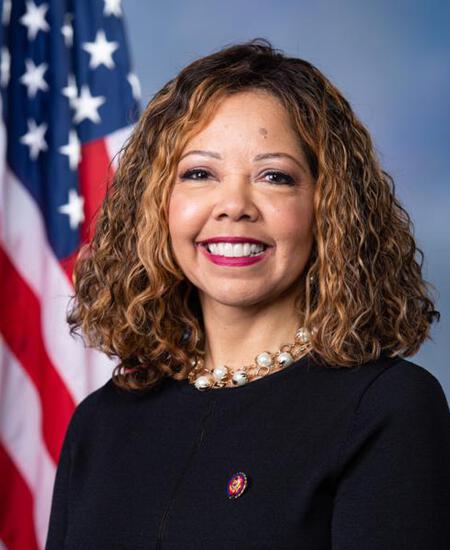
Lucy McBath
Lucy McBath House · District 6
D
Support
75% 12
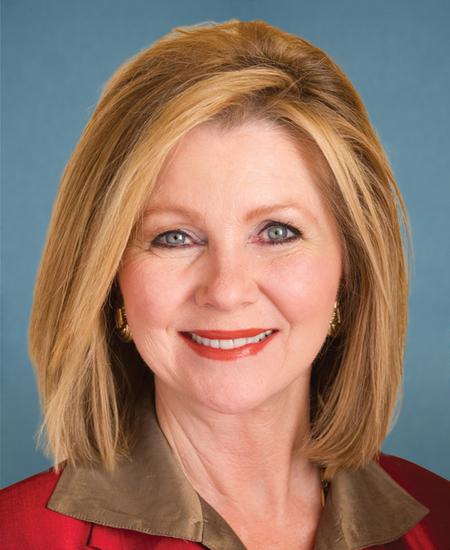
Marsha Blackburn
Marsha Blackburn Senate
R
Oppose
22% 9
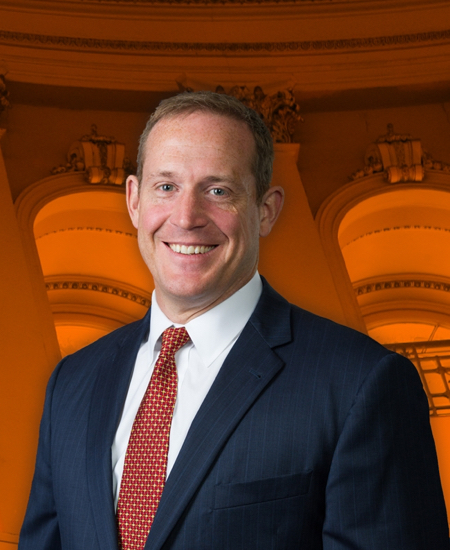
Ted Budd
Ted Budd Senate
R
Oppose
25% 12
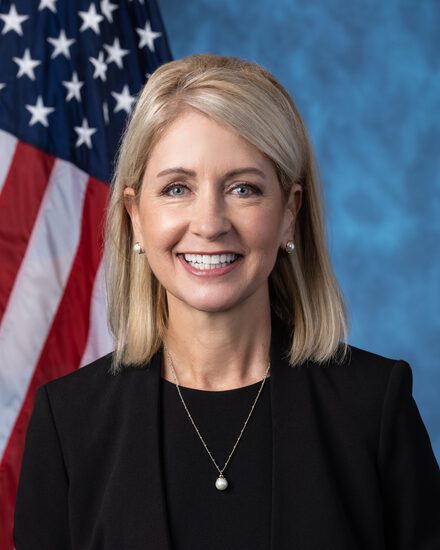
Mary E. Miller
Mary E. Miller House · District 15
R
Oppose
29% 14
Wesley Hunt
Wesley Hunt House · District 38
R
Oppose
30% 10
Joni Ernst
Joni Ernst Senate
R
Oppose
31% 26
Showing 421–430 of 736 bills

All transportation bills

in committee · United States · House Jun 28, 2025

HR 4246: Essential Air Service Reliability Act of 2025

The Essential Air Service Reliability Act of 2025 requires airlines applying for Essential Air Service (EAS) contracts to include a contingency plan ensuring continued air service during disruptions not caused by weather. This plan must detail how service will be maintained for eligible communities if an interruption occurs due to factors like equipment failure or staffing issues. The requirement applies to all new EAS applications submitted after the bill becomes law. The bill directly affects airlines seeking EAS contracts and the small communities that rely on these services for essential air connectivity.
Sub-Topics Airports
in committee · United States · House Jan 4, 2025

HR 141: Trailer Safety Improvement Act

The Trailer Safety Improvement Act (HR 141) amends federal highway safety programs to specifically address trailer safety. It requires these programs to prevent improper and unsafe use of light- and medium-duty trailers and to educate the public about required safety equipment and preventive maintenance, particularly after unsecured vehicle loads. This directly affects trailer owners, operators, and the public by promoting safer towing practices through existing federal initiatives. The key change is adding these two concrete objectives to current program requirements under Title 23, U.S. Code. The bill does not create new funding or regulations but refocuses existing efforts on these safety priorities.
in committee · United States · Senate Feb 23, 2026

S 337: Household Goods Shipping Consumer Protection Act

Household Goods Shipping Consumer Protection Act This bill allows the Federal Motor Carrier Safety Administration (FMCSA) to assess civil penalties against motor carriers, brokers, and freight forwarders for violations related to the interstate transportation of household goods and provides states with additional related authorities. As background, a broker is the “middle person” between a shipper and a motor carrier and arranges for the transportation of household goods. A freight forwarder organizes shipments for individuals or corporations. Unlike a broker, freight forwarders assume responsibility for transportation and may transport the freight itself. The bill expands the FMCSA registration requirements to require motor carriers, brokers, and freight forwarders to designate a principal place of business (i.e., a single physical location where management officials report to work, a significant portion of the transportation business is conducted, and records are maintained). FMCSA may withhold, suspend, amend, or revoke any part of a registration for failure to designate. In addition, brokers and freight forwarders must disclose any common ownership, management, control, or familial relationship with any other carrier, freight forwarder, broker, or applicant in the previous three years. Under current law, motor carriers must disclose this information. Further, states may use certain grant funds to enforce federal household goods statutes and regulations for the interstate transportation of these goods by motor carriers and brokers. This applies to Motor Carrier Safety Assistance Program (MCSAP) grant funds and MCSAP High Priority discretionary grant funds. A state shall retain collected fines that are a result of enforcement.
in committee · United States · House Apr 2, 2025

HR 2596: Renewable Natural Gas Incentive Act of 2025

HR 2596 creates a $1.00 per gallon tax credit for renewable natural gas (RNG) used as transportation fuel in vehicles, boats, or aircraft. The credit applies to producers and businesses that sell or use RNG meeting specific requirements, including registration under existing rules and producer certification. RNG must be derived from biomass and produced within the U.S., with blended fuel treated as RNG only under strict contractual and certification conditions. The credit expires for sales or uses after December 31, 2035, and applies to fuel sold or used after December 31, 2025.
in committee · United States · Senate Mar 13, 2025

S 1045: Aviation Funding Stability Act of 2025

Aviation Funding Stability Act of 2025 This bill provides continuing appropriations to the Federal Aviation Administration (FAA) if (1) an appropriations bill for the FAA has not been enacted before a fiscal year begins, or (2) a joint resolution making continuing appropriations for the FAA is not in effect. Specifically, the bill provides appropriations from the Airport and Airway Trust Fund at the rate of operations that was provided for the prior fiscal year to continue programs, projects, and activities for which funds were provided in the preceding fiscal year.
Sub-Topics Airports
in committee · United States · House Apr 17, 2025

HR 2920: VARIANCE Act

The VARIANCE Act (HR 2920) allows commercial trucks transporting dry bulk goods to exceed standard axle weight limits by up to 10 percent (reaching 110% of the maximum axle weight), while still adhering to overall gross vehicle weight restrictions. It directly affects trucking companies hauling unpackaged, nonliquid bulk materials like grain or sand in specialized trailers. The bill amends federal transportation law to create this weight variance specifically for dry bulk cargo, defined as homogeneous, unmarked materials transported in purpose-built trailers. This change aims to improve efficiency by reducing the number of trips needed for bulk shipments without increasing total vehicle weight.
in committee · United States · House Jul 1, 2025

HRES 565: Expressing support for the designation of the week of June 30 through July 4, 2025, as "National Tire Safety Week" in the United States, and supporting the goals and ideals of "National Tire Safety Week" to educate American motorists about the importance of proper tire care and maintenance.

HRES 565 designates the week of June 30-July 4, 2025, as "National Tire Safety Week" to promote education about tire maintenance for American motorists. The resolution supports existing safety practices like checking tire pressure monthly (when tires are cold), verifying tread depth (using the penny test), and rotating tires per manufacturer guidelines. It encourages drivers to inspect tires for damage and follow recommended maintenance to reduce risks like underinflation, hydroplaning, and premature wear. As a non-binding resolution, it expresses congressional support for public awareness efforts but does not create new legal requirements.
in committee · United States · House Dec 18, 2025

HR 6791: To authorize the Land Port of Entry Community Infrastructure Program to address deficiencies in community infrastructure supportive of land ports of entry, and for other purposes.

HR 6791 authorizes grants to help local governments, tribes, and utility groups fix infrastructure near U.S. land ports of entry, such as roads, water systems, or waste facilities within 25 miles of a port. It prioritizes projects improving border security (like drug seizure rates), trade efficiency, community resilience, and quality of life for border patrol families. Recipients must cover at least 30% of costs (lowered or waived for rural areas or security projects), with the government reimbursing up to 70% for eligible pre-2021 work. The bill focuses on tangible infrastructure upgrades directly tied to port operations, not broader policy changes.
Sub-Topics Ports
in committee · United States · House Sep 18, 2025

HR 5423: Predatory Truck Leasing Prevention Act of 2025

HR 5423, the Predatory Truck Leasing Prevention Act of 2025, would ban truck companies from using lease-purchase agreements that trap drivers in debt without building equity. It requires the federal government to create new rules within one year to prohibit "predatory" programs where carriers control drivers' work, pay, and debt while denying drivers ownership of the truck. Drivers who signed such agreements after the new rules take effect could seek relief if the terms violated the regulations. This directly affects truck drivers in lease-purchase programs and the trucking companies that use them.
Sub-Topics Gig Economy Freight
in committee · United States · House Feb 2, 2026

HR 6704: Drunk Driving Prevention and Enforcement Act of 2025

HR 6704 establishes a $45 million prize competition to accelerate development of passive, in-vehicle technology that prevents operation by drivers with high blood alcohol levels (e.g., breath or touch sensors). It also creates a Traffic Safety Enforcement Center of Excellence to provide states and law enforcement with data-driven strategies for targeting drunk and drug-impaired driving, and mandates a national drug-involved crash data system to track non-alcohol impairments in fatal and serious injury crashes. The bill directly affects vehicle manufacturers (through tech integration incentives), states (via enforcement training and data grants), and law enforcement agencies (through new protocols and resource targeting). Key provisions include requiring standardized toxicology data collection, prioritizing rural/underserved states for grants, and de-identifying public crash data to comply with privacy laws.
Showing 421 to 430 of 736 bills
Previous 1 42 43 44 74 Next