Issue · Transportation

Transportation (Airports)

Every transportation bill, vote, and legislator stance in United States, automatically classified by Maddy, our AI policy reader.

Total bills
122
119th Congress
Top supporter
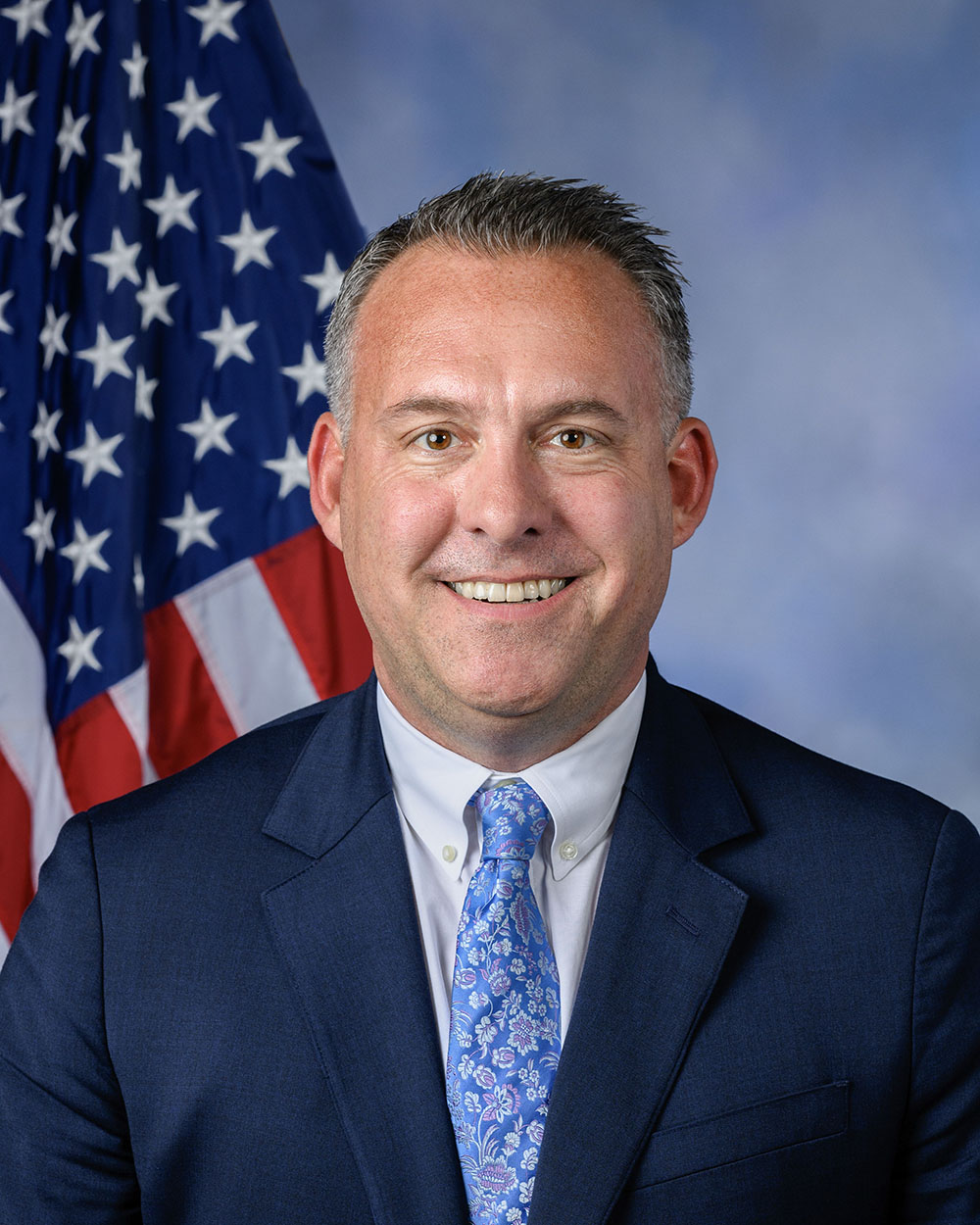
Adam Gray
100% support rate
Top opponent
Aaron Bean
0% support rate
Ranked legislators
10
5 support · 5 oppose
Key legislators

Who's moving airports in United States

Legislators moving airports in United States
Legislator Party Stance Support rate Votes
Adam Gray
Adam Gray House · District 13
D
Strong +
100% 3
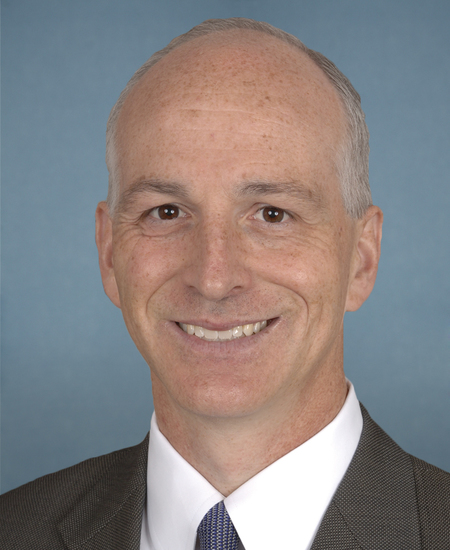
Adam Smith
Adam Smith House · District 9
D
Strong +
100% 3
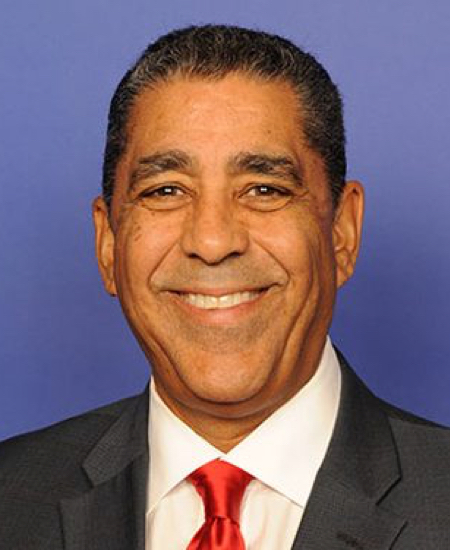
Adriano Espaillat
Adriano Espaillat House · District 13
D
Strong +
100% 3
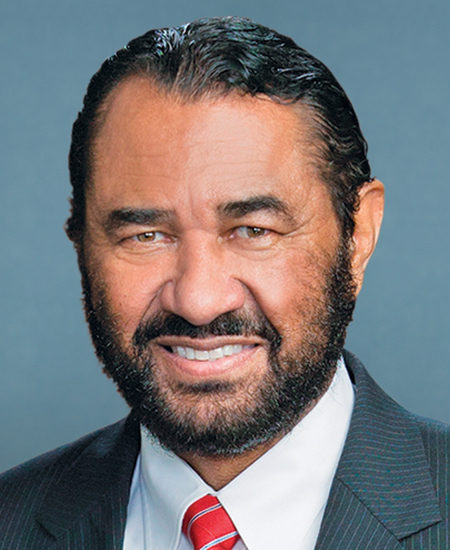
Al Green
Al Green House · District 9
D
Strong +
100% 3
Alexandria Ocasio-Cortez
Alexandria Ocasio-Cortez House · District 14
D
Strong +
100% 3
Aaron Bean
Aaron Bean House · District 4
R
Strong −
0% 3
Abraham J. Hamadeh
Abraham J. Hamadeh House · District 8
R
Strong −
0% 3
Addison P. McDowell
Addison P. McDowell House · District 6
R
Strong −
0% 3
Adrian Smith
Adrian Smith House · District 3
R
Strong −
0% 3
Andrew Ogles
Andrew Ogles House · District 5
R
Strong −
0% 3
Showing 31–40 of 122 bills

All transportation bills

in committee · United States · House Jun 11, 2025

HR 3477: Ensuring Airline Resiliency to Reduce Delays and Cancellations Act

HR 3477, the Ensuring Airline Resiliency to Reduce Delays and Cancellations Act, requires major U.S. airlines (defined as "covered carriers" under federal regulations) to create and regularly update operational resiliency plans within one year of the law's enactment. These plans must detail how airlines will prevent or limit disruptions from severe weather, staffing shortages, technology failures, and cybersecurity risks, including specific measures for crew scheduling and passenger rebooking. The bill mandates a government audit by the Comptroller General after three years to assess the effectiveness of these plans and report findings to Congress. The law directly affects airlines by imposing new planning requirements and indirectly benefits air travelers by aiming to reduce flight delays and cancellations.
Sub-Topics Airports
in committee · United States · Senate May 5, 2025

S 1590: Aviation Workforce Development Act

This bill expands the use of 529 college savings plans to cover tuition and related costs for specific aviation training. It allows students to use 529 funds for qualified aviation maintenance courses at FAA-approved Part 147 schools and qualified commercial pilot courses at FAA-approved flight schools (Part 61 or Part 141). The change directly affects students pursuing careers as aircraft maintenance technicians or commercial pilots by making these training costs eligible for tax-advantaged savings. The provision amends the Internal Revenue Code to include these specific aviation programs under existing 529 plan rules, effective after the bill's enactment.
in committee · United States · House Sep 19, 2025

HR 5451: Aviation Funding Stability Act of 2025

The Aviation Funding Stability Act of 2025 ensures continued operation of Federal Aviation Administration (FAA) programs during government funding gaps. It allows the FAA to use unspent funds from the Airport and Airway Trust Fund to maintain critical services - including air traffic control, airport infrastructure, and safety research - at the previous fiscal year's funding level if Congress fails to pass a new budget. This prevents shutdowns for up to 30 days or until a new budget is enacted, with spending limited to prior-year rates and subject to existing program rules. The bill directly affects all FAA operations, keeping airports and air traffic systems running during budget delays.
Sub-Topics Airports
passed · United States · House Sep 9, 2025

HR 2591: Mental Health in Aviation Act of 2025

The Mental Health in Aviation Act of 2025 requires the Federal Aviation Administration (FAA) to update regulations within two years to encourage pilots and air traffic controllers to seek mental health care and disclose conditions without fear of losing medical clearance. It mandates annual reviews to improve the medical clearance process for mental health conditions - such as approving additional safe medications, enhancing examiner training, and reducing backlogs - and allocates $13.74 million yearly (2026-2029) to hire more aviation medical examiners. The bill also directs the FAA to implement recommendations from a mental health rulemaking committee and fund a public campaign to reduce stigma around mental health care in aviation. These provisions aim to support aviation workers' well-being while streamlining safety-related medical evaluations.
Sub-Topics Mental Health Airports
in committee · United States · House Dec 9, 2025

HR 6518: SAF Act

This bill extends and increases tax credits for sustainable aviation fuel (SAF) producers. It raises the credit rate from 20 cents to 35 cents per gallon for certain SAF facilities and from $1.00 to $1.75 per gallon for others, while requiring SAF to meet ASTM International standards and exclude palm oil or petroleum-derived sources. The credit period is extended from ending in 2029 to 2033, applying to fuel produced after December 31, 2025. The bill directly affects SAF producers meeting these specific criteria, aiming to incentivize cleaner fuel production for the aviation industry.
Sub-Topics Oil & Gas Airports
in committee · United States · House Jun 27, 2025

HR 4193: Time is Money Act

HR 4193, the Time is Money Act, updates airline passenger protections by lowering the delay threshold that triggers airline assistance. It requires the Transportation Secretary to amend federal regulations within 180 days, reducing the definition of a "significantly delayed flight" from 3 hours to 2 hours for domestic trips and from 6 hours to 5 hours for international trips. This change directly affects air travelers experiencing these shorter delays, making it easier for them to qualify for airline services like meals, accommodations, or refunds. The bill focuses on adjusting the specific delay timeframes in existing rules, not on new financial penalties or broader airline regulations.
Sub-Topics Airports
in committee · United States · House May 5, 2025

HR 3196: Improving Helicopter Safety Act of 2025

HR 3196, the Improving Helicopter Safety Act of 2025, prohibits civil helicopter flights within a 20-mile radius of the Statue of Liberty National Monument, effective 60 days after enactment. This directly affects helicopter tour operators and commercial flight services near the monument, with exceptions for emergency response (law enforcement, medical services), infrastructure maintenance, and certain news/media flights. The bill requires the FAA to issue implementing regulations within 90 days to enforce the no-fly zone. The law aims to enhance safety and reduce disruptions in this high-traffic tourist area while allowing essential operations.
Sub-Topics Airports
in committee · United States · House Sep 30, 2025

HR 5667: To provide for continued operation of the Federal Aviation Administration in the event of a lapse in appropriations.

HR 5667 provides temporary funding to maintain Federal Aviation Administration (FAA) operations during a government funding lapse. It appropriates necessary funds for up to 30 days or until the funding gap ends, whichever occurs first. This ensures uninterrupted air traffic control, safety inspections, and airport operations during budget shortfalls.
Sub-Topics Airports
in committee · United States · House Apr 1, 2025

HR 2563: Aviation Education Remaining Operational Act

HR 2563, the Aviation Education Remaining Operational Act (AERO Act), ensures the Federal Aviation Administration Academy in Oklahoma City remains open during government shutdowns or funding lapses. It requires the FAA Administrator to maintain all operations and support services - including air traffic controller training - and exempts Academy employees and students from furloughs during these periods. The bill directly affects the Academy’s staff, trainees, and the continuity of critical aviation training programs. This provision prevents disruption to FAA workforce development during federal budget gaps, without altering broader FAA funding or policy.
in committee · United States · House Nov 21, 2025

HR 6222: ROTOR Act

The ROTOR Act narrows the definition of "sensitive government mission" for aircraft operations, excluding training flights and flights by officials below Cabinet rank. It requires regular reporting to Congress about exceptions to ADS-B Out requirements, establishes deadlines for requiring ADS-B In equipment on most aircraft, and mandates safety reviews for airports with military operations. The bill also improves coordination between the FAA and Department of Defense on airspace management and safety information sharing. These changes increase transparency around aircraft operations that don't broadcast their location while enhancing safety oversight. The bill directly affects Federal agencies operating aircraft, the FAA, and aircraft operators required to equip with ADS-B technology.
Sub-Topics Airports
Showing 31 to 40 of 122 bills
Previous 1 3 4 5 13 Next