Issue · Transportation

Transportation

Every transportation bill, vote, and legislator stance in United States, automatically classified by Maddy, our AI policy reader.

Total bills
736
119th Congress
Top supporter
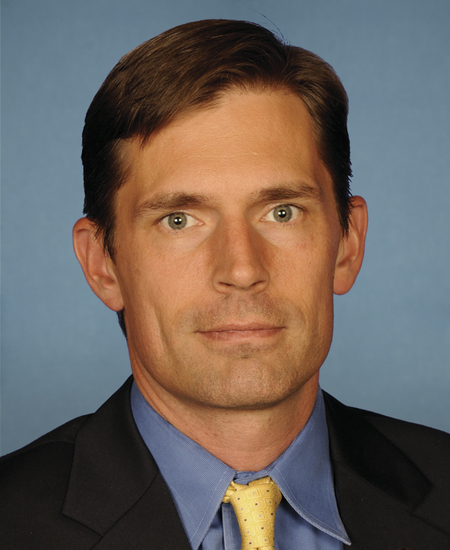
Martin Heinrich
78% support rate
Top opponent
Marsha Blackburn
22% support rate
Ranked legislators
10
5 support · 5 oppose
Key legislators

Who's moving transportation in United States

Legislators moving transportation in United States
Legislator Party Stance Support rate Decisive votes
Martin Heinrich
Martin Heinrich Senate
D
Support
78% 9
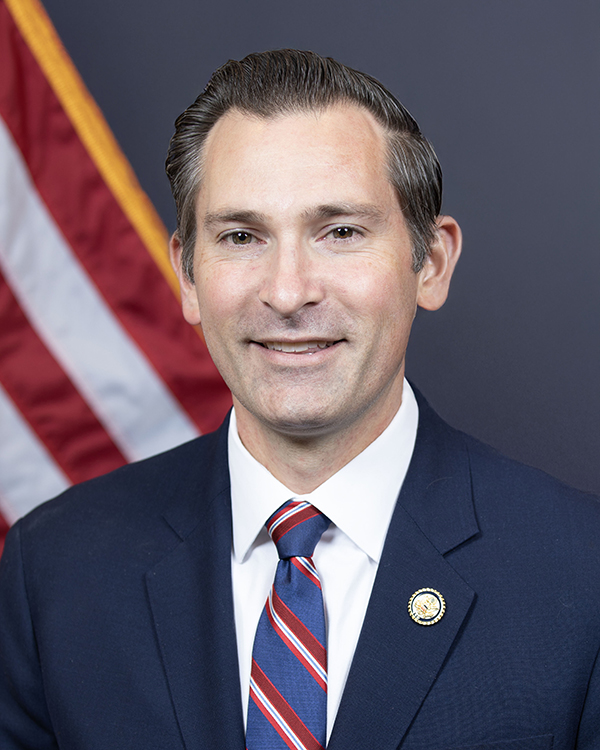
Matt Van Epps
Matt Van Epps House · District 7
R
Support
78% 9
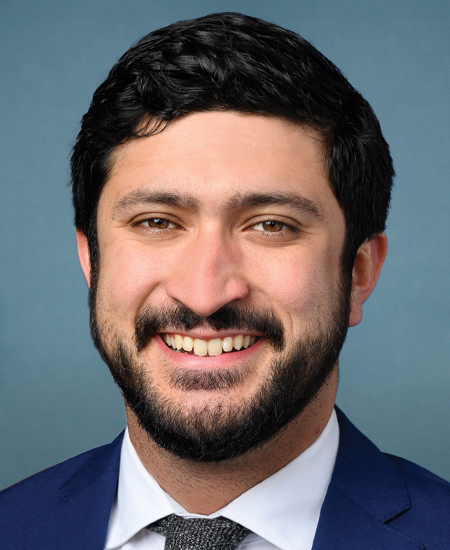
Greg Casar
Greg Casar House · District 35
D
Support
75% 12
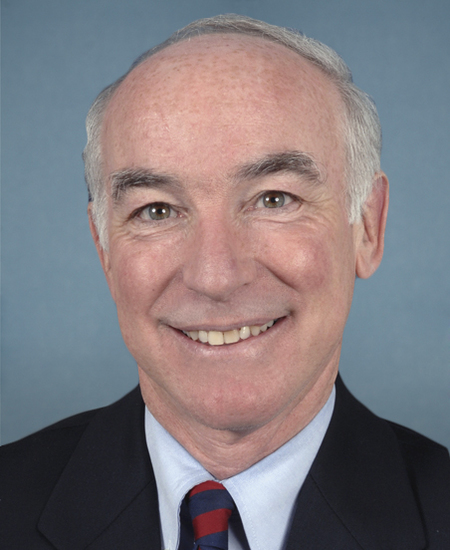
Joe Courtney
Joe Courtney House · District 2
D
Support
75% 12
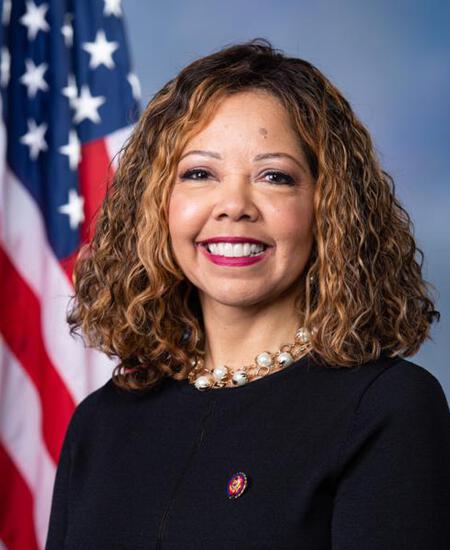
Lucy McBath
Lucy McBath House · District 6
D
Support
75% 12
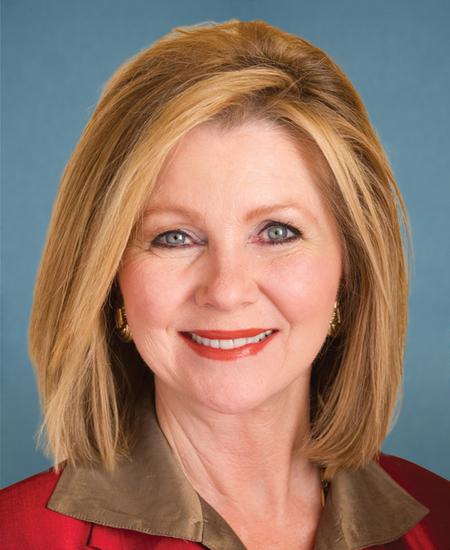
Marsha Blackburn
Marsha Blackburn Senate
R
Oppose
22% 9
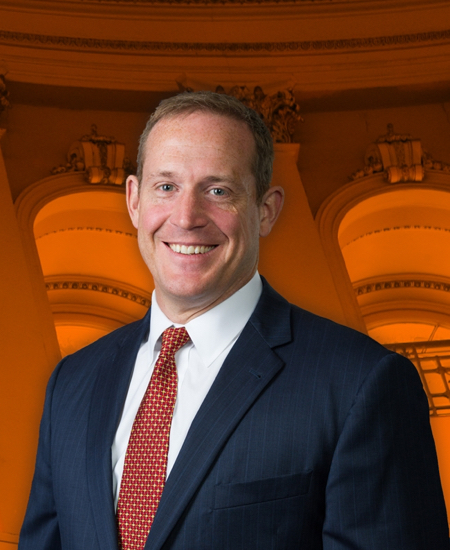
Ted Budd
Ted Budd Senate
R
Oppose
25% 12
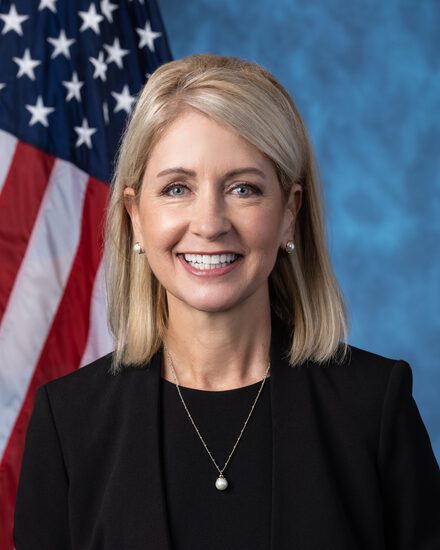
Mary E. Miller
Mary E. Miller House · District 15
R
Oppose
29% 14
Wesley Hunt
Wesley Hunt House · District 38
R
Oppose
30% 10
Joni Ernst
Joni Ernst Senate
R
Oppose
31% 26
Showing 381–390 of 736 bills

All transportation bills

in committee · United States · House Jan 22, 2026

HR 7191: Fatigued Pilot Protection Act

HR 7191, the Fatigued Pilot Protection Act, requires the Federal Aviation Administration (FAA) to update regulations within 180 days of enactment. It mandates that existing flight and duty limitations and rest rules (currently under FAA regulations at 14 CFR Part 117) apply universally to all airline pilots and operators conducting scheduled passenger flights (under FAA regulations at 14 CFR Part 121). This ensures consistent rest requirements for flightcrew members across all airlines operating under Part 121, directly affecting pilots and airlines. The bill does not create new rules but extends the applicability of current rest standards to all relevant airline operations.
Sub-Topics Airports
in committee · United States · House Nov 18, 2025

HR 6069: RIDER Safety Act

HR 6069, the RIDER Safety Act, directs federal funding for unarmed "transit support specialists" on public transit systems. These specialists are defined as staff who enhance rider safety through presence, engagement, and de-escalation - monitoring stations/vehicles, assisting riders, reporting threats, resolving minor conflicts, and connecting patrons to crisis services without police involvement. The bill amends federal transit grant rules to specifically allow operational funds for these roles, separate from traditional crime prevention funding. It directly affects public transit systems receiving federal grants under Sections 5338 or 5307, enabling them to hire and deploy this new type of safety personnel.
in committee · United States · Senate Jul 31, 2025

S 161: She DRIVES Act

She Develops Regulations In Vehicle Equality and Safety Act or the She DRIVES Act This bill directs the Department of Transportation (DOT) to revise motor vehicle safety standards to require the use of certain anthropomorphic test devices (i.e., crash test dummies) and testing on female crash test dummies. Specifically, DOT must issue final rules to revise the current testing regulations to include specific adult male and adult female frontal impact and side impact crash test dummies. The final rules must establish or update the testing injury criteria based on real-world injuries and the greatest potential to increase safety. The injury criteria must include head, neck, chest, abdomen, pelvis, upper leg, and lower leg criteria for the crash test dummies. The final rules must also establish crashworthiness frontal and side impact tests for adult female occupants in all front seating positions that are currently tested for adult male occupants (as of the date of the bill's enactment). Further, DOT must promulgate a final decision notice to update the testing procedures for the  New Car Assessment Program of the National Highway Traffic Safety Administration to require the use of these crash test dummies for frontal and side impact crashworthiness testing. Finally, DOT must submit reports to Congress that, among other things, identify timelines for DOT to incorporate additional types of crash test dummies into the regulations and identify testing devices used in other countries for similar crashworthiness standards.
in committee · United States · House Dec 18, 2025

HR 6086: Aviation Funding Solvency Act

Aviation Funding Solvency Act This bill provides continuing appropriations to the Federal Aviation Administration (FAA) if (1) an appropriations bill for the FAA has not been enacted before a fiscal year begins, or (2) a law making continuing appropriations for the FAA is not in effect. Specifically, the bill provides appropriations from the Aviation Insurance Revolving Fund at the rate of operations that was provided for the prior fiscal year to continue programs, projects, and activities that were funded in the preceding fiscal year. The FAA may use the balance of the fund, minus $1 billion. If the FAA determines that the amounts from the fund are insufficient to continue all programs, projects, or activities, then the FAA must prioritize compensation payments for employees of the Air Traffic Organization (e.g., air traffic controllers). The bill provides the appropriations until the date on which either (1) specified appropriations legislation for the fiscal year becomes law, or (2) a bill making continuing appropriations becomes law. Finally, the bill permanently extends the FAA Non-premium War Risk Insurance Program. This program provides aviation insurance without a premium to eligible air carriers at the request of the Department of Defense or another federal agency, provided that the agency agrees to indemnify the FAA from all losses covered under the insurance. Eligible air carriers include those whose operations are under a federal contract and are necessary for national security or to carry out U.S. foreign policy.
Sub-Topics Airports
in committee · United States · House Nov 22, 2025

HR 6276: Dredging Coordination Improvement Act

This bill requires the Army Corps of Engineers (acting through the Chief of Engineers) to improve coordination for maintenance dredging contracts. It mandates consulting stakeholders and prioritizing dredging in waters used for commercial navigation, emergencies, environmental timing windows, or national interests over recreational or non-essential uses. The bill also requires the Corps to notify local project partners within three business days of any changes affecting contract timelines and to provide capability numbers for dredging activities upon request. These provisions directly affect commercial ports, navigation infrastructure, and local entities partnering with the federal government on dredging projects.
Sub-Topics Ports
in committee · United States · House Dec 1, 2025

HRES 798: Expressing support for the designation of the week of September 15 through September 21, 2025, as "Rail Safety Week" in the United States, and supporting the goals and ideals of reducing highway-rail grade crossing-related incidents, fatalities, and injuries.

HRES 798 designates the week of September 15-21, 2025, as "Rail Safety Week" in the U.S. to raise public awareness about highway-rail grade crossing safety. The resolution supports existing efforts - led by organizations like Operation Lifesaver - to reduce incidents, fatalities, and injuries at railroad crossings, citing 2024 data showing 2,260 incidents with 260 deaths. It encourages the public to participate in safety events and learn about safe practices around tracks, without creating new laws or funding. The bill directly affects the general public by promoting education and caution at crossings, aligning with ongoing industry and government safety initiatives.
in committee · United States · House Mar 26, 2025

HR 2353: Safer Skies Act of 2025

The Safer Skies Act of 2025 requires specific smaller airlines to adopt enhanced security screening protocols currently used by larger carriers. It mandates that "covered air carrier operations" - defined as airlines operating under certain FAA rules, offering individual seats with public schedules, using planes with more than nine passenger seats, and not using TSA checkpoints - to follow the Aircraft Operator Standard Security Program (49 CFR §1544.101(a)) within 360 days of the bill's enactment. The Transportation Security Administration must revise its rules to enforce this requirement. This directly affects regional and private charter airlines that currently skip TSA checkpoint screening but serve the public with scheduled passenger flights.
Sub-Topics Airports
in committee · United States · House Apr 9, 2025

HR 2792: USRC Funding Eligibility Act

HR 2792, the USRC Funding Eligibility Act, makes the Union Station Redevelopment Corporation (USRC) eligible to receive 100% federal funding for several transportation infrastructure grant programs. The bill specifically modifies eligibility rules for BUILD grants, National Infrastructure Project Assistance grants, Consolidated Rail Infrastructure grants, and Federal-State Partnership for Intercity Rail grants to include the USRC as an entity that qualifies for full federal cost coverage. This policy change directly affects the USRC, allowing it to secure grants without contributing any local funds for eligible projects. The bill does not create new programs but adjusts existing federal grant rules to benefit this single designated organization.
Sub-Topics Rail
in committee · United States · Senate Feb 24, 2025

S 692: Sustainable Vessel Fuel Act

This bill creates a new clean fuel production tax credit for sustainable vessel fuel used in commercial ships and ferries. It defines "sustainable vessel fuel" as liquid fuel meeting strict criteria: zero emissions, not derived from palm oil or petroleum, and meeting specific environmental standards set by the Secretary. The credit extends through 2035 for this fuel type (previously expiring in 2027), directly benefiting fuel producers and commercial vessel operators who adopt qualifying sustainable fuels.
in committee · United States · Senate Mar 13, 2025

S 1067: Concrete and Asphalt Innovation Act of 2025

The Concrete and Asphalt Innovation Act of 2025 establishes a federal research, development, and demonstration program focused on reducing greenhouse gas emissions in cement, concrete, asphalt binder, and asphalt mixture production. The program, funded with $200 million over fiscal years 2025-2029, will support demonstration projects, provide technical assistance to update building codes and standards, and establish Manufacturing USA institutes for low-emissions materials. It also creates a Federal Highway Administration initiative that reimburses states for higher costs of using low-emissions materials in highway projects and offers 2% incentives on project costs. The bill aims to reduce embodied greenhouse gas emissions in construction materials while supporting domestic manufacturing and creating jobs in the construction sector.
Showing 381 to 390 of 736 bills
Previous 1 … 38 39 40 … 74 Next