

Issue · Transportation
Transportation
Every transportation bill, vote, and legislator stance in United States, automatically classified by Maddy, our AI policy reader.
Total bills
728
119th Congress
Top supporter
Matt Van Epps
86% support rate
Top opponent
Adelita S. Grijalva
14% support rate
Ranked legislators
10
5 support · 5 oppose
Key legislators
Who's moving transportation in United States
| Legislator | Party | Stance | Support rate | Votes |
|---|---|---|---|---|

Matt Van Epps
House · District 7
|
R |
Strong +
|
86% | 67 |

Martin Heinrich
Senate
|
D |
Support
|
78% | 133 |

John Fetterman
Senate
|
D |
Support
|
70% | 150 |

Nikema Williams
House · District 5
|
D |
Support
|
70% | 113 |

Greg Casar
House · District 35
|
D |
Support
|
70% | 105 |

Adelita S. Grijalva
House · District 7
|
D |
Strong −
|
14% | 72 |

James R. Walkinshaw
House · District 11
|
D |
Strong −
|
14% | 80 |
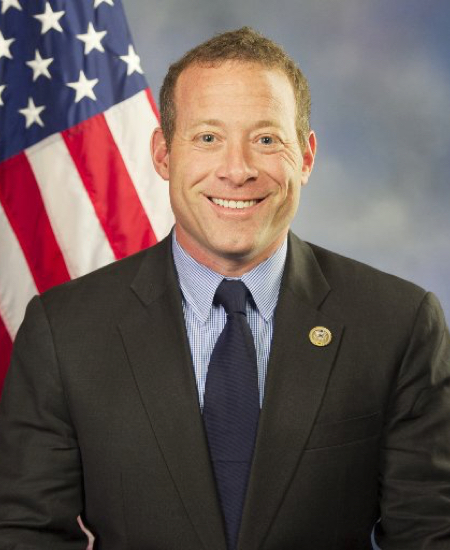
Josh Gottheimer
House · District 5
|
D |
Strong −
|
14% | 109 |

Marsha Blackburn
Senate
|
R |
Oppose
|
22% | 128 |
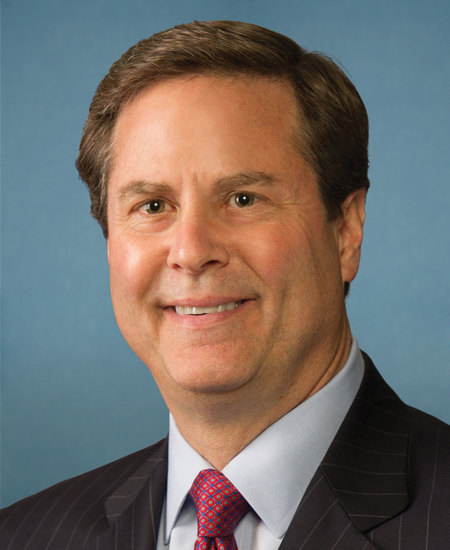
Donald Norcross
House · District 1
|
D |
Oppose
|
25% | 107 |
Showing 141–150 of 728
bills
All transportation bills
HR 8870: BUILD America 250 Act
Topics
✓ Budget & TaxesSupports Budget & TaxesBill explicitly authorizes billions in funding for infrastructure, directly advancing government spending and budget allocation for public services.
✓ TransportationSupports TransportationBill allocates billions for highways, bridges, transit, and rail, explicitly funding infrastructure construction and safety improvements.
HR 8713: RAPID Responders Act of 2026
Sub-Topics
Rail
S 4484: I–47 Future Interstate Act of 2026
Sub-Topics
Roads & Highways
HR 8615: FLEETS Now Act
Sub-Topics
Ports
HR 8468: Protecting American Railroad Workers’ Jobs Act of 2026
Topics
✗ ImmigrationOpposes ImmigrationBill restricts train operations to US nationals or authorized aliens with US reporting points, limiting access for unauthorized immigrants.
✓ Labor & EmploymentSupports Labor & EmploymentBill mandates crew changes and safety inspections, explicitly protecting workers' rights and workplace safety.
✓ TransportationSupports TransportationBill enhances transportation safety by mandating crew changes and inspections for freight trains crossing the border.
HR 7169: UBER Act
Topics
✗ ImmigrationOpposes ImmigrationBill restricts immigrant access by mandating English proficiency and single-state licensing for ride-share drivers, effectively limiting employment opportunities for non-English speakers and non-residents.
✗ Labor & EmploymentOpposes Labor & EmploymentBill imposes new federal requirements and barriers for ride-sharing drivers, effectively restricting access to employment for those under 21 or lacking specific credentials.
✓ TransportationSupports TransportationBill establishes federal requirements for ride-sharing companies to enhance driver safety and communication standards, thereby strengthening transportation safety.
HR 8864: LIFT Act
Topics
✓ Budget & TaxesSupports Budget & TaxesThe LIFT Act provides federal tax credits to states and municipalities for infrastructure bond interest, directly increasing funding for capital projects and promoting fiscal responsibility.
✓ EnergySupports EnergyBill provides tax incentives for infrastructure bonds used for capital projects, which can fund energy infrastructure and utilities.
✓ TransportationSupports TransportationThe bill provides tax credits for infrastructure bonds used for capital projects and maintenance, directly funding transportation improvements.
S 4485: Gas Tax Suspension Act
Topics
✗ Budget & TaxesOpposes Budget & TaxesBill eliminates federal excise tax on fuel, reducing government revenue and weakening fiscal management despite a required transfer.
✓ EnergySupports EnergyBill temporarily eliminates federal excise tax on gasoline and diesel, reducing fuel costs for consumers and supporting energy affordability.
✓ TransportationSupports TransportationBill funds highway infrastructure by transferring general funds to the Highway Trust Fund to offset tax suspension.
HR 8748: Surface Transportation Research and Development Act of 2026
Topics
✓ Budget & TaxesSupports Budget & TaxesBill extends federal funding periods through FY 2031 and establishes new oversight councils, indicating support for government spending and fiscal management.
✓ EnvironmentSupports EnvironmentBill mandates a strategy to increase reclaimed asphalt use, promoting resource conservation and reducing waste in road construction.
✓ TechnologySupports TechnologyBill studies safety impacts of new headlamp technologies and coordinates data collection, showing engagement with tech advancements.
✓ TransportationSupports TransportationBill extends funding, creates a data council, studies safety tech, and promotes sustainable road materials.