Issue · Transportation

Transportation (Roads & Highways)

Every transportation bill, vote, and legislator stance in United States, automatically classified by Maddy, our AI policy reader.

Total bills
201
119th Congress
Top supporter
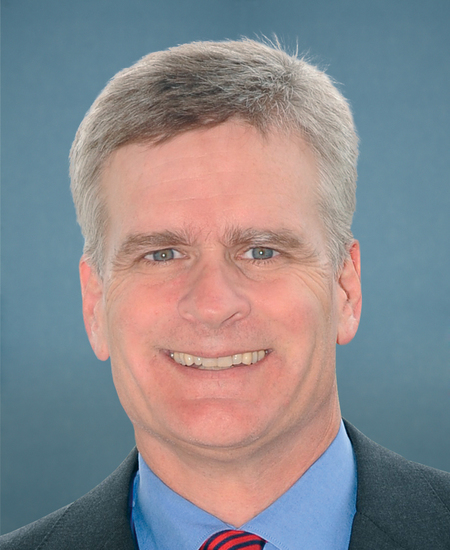
Rand Paul
69% support rate
Top opponent
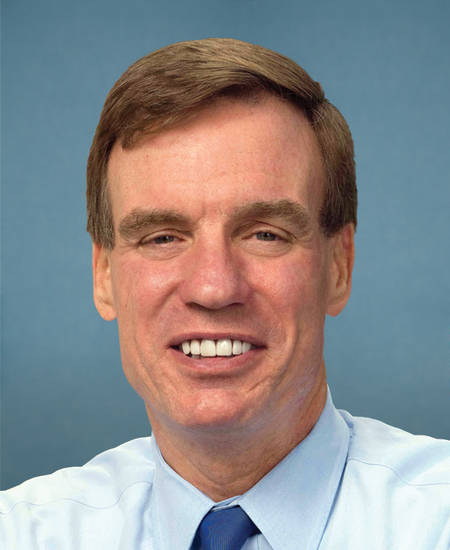
Mark R. Warner
31% support rate
Ranked legislators
10
5 support · 5 oppose
Key legislators

Who's moving roads & highways in United States

Legislators moving roads & highways in United States
Legislator Party Stance Support rate Decisive votes
Rand Paul
Rand Paul Senate
R
Support
69% 13
Marsha Blackburn
Marsha Blackburn Senate
R
Support
67% 3
Ashley Moody
Ashley Moody Senate
R
Support
64% 14
Bernie Moreno
Bernie Moreno Senate
R
Support
64% 14
Bill Cassidy
Bill Cassidy Senate
R
Support
64% 14
Mark R. Warner
Mark R. Warner Senate
D
Oppose
31% 13
Martin Heinrich
Martin Heinrich Senate
D
Oppose
33% 3
Adam B. Schiff
Adam B. Schiff Senate
D
Oppose
36% 14
Alex Padilla
Alex Padilla Senate
D
Oppose
36% 14
Amy Klobuchar
Amy Klobuchar Senate
D
Oppose
36% 14
Showing 121–130 of 201 bills

All transportation bills

in committee · United States · House Feb 2, 2026

HR 6642: ROUTE Act

The ROUTE Act allows drivers aged 18 to 20 who hold a commercial driver's license (CDL) limited to intrastate driving to operate commercial vehicles in interstate commerce within a 150-mile radius of their regular work location. To qualify, drivers must return to their work location within 14 consecutive hours of departure, have at least 10 hours off duty between shifts, and maintain their work location within the same state as their intrastate CDL. This bill directly affects young truck drivers seeking expanded work opportunities while maintaining existing CDL restrictions. It creates a limited interstate pathway without changing the requirement for an intrastate CDL.
passed · United States · Senate May 13, 2025

SRES 222: A resolution expressing support for the designation of May 2025 as "Motorcycle Safety Awareness Month".

This Senate resolution (SRES 222) symbolically designates May 2025 as "Motorcycle Safety Awareness Month" to promote safety awareness among all road users. It encourages rider education, proper gear use, and shared roadway responsibility, recognizing motorcycles' role in transportation and the need to reduce motorcyclist fatalities. The resolution does not create new laws or allocate funds but formally supports existing safety efforts by the motorcycling community and the National Highway Traffic Safety Administration. It directly affects public awareness and serves as a symbolic gesture to encourage safer road practices.
in committee · United States · Senate Sep 19, 2025

S 2917: Safety Funding Parity Adjustment Act of 2025

The Safety Funding Parity Adjustment Act of 2025 requires the Transportation Secretary to adjust federal highway safety funding between two specific programs before distributing funds each fiscal year. If the increase in funding for Program A (section 402) is not at least four times the increase for Program B (section 405), funds must be transferred from Program B to Program A to achieve that 4:1 ratio. This mechanism ensures Program A receives a disproportionately larger funding boost relative to Program B when their increases don't meet the 4:1 threshold. The bill directly affects how federal highway safety funds are allocated to states and local governments through these two programs. It takes effect October 1, 2026.
in committee · United States · House Apr 24, 2025

HR 2992: To amend title 23, United States Code, and the Infrastructure Investment and Jobs Act with respect to vehicle roadside crashes, work zone safety, and for other purposes.

This bill updates highway safety laws to better protect people involved in roadside incidents and work zones. It expands definitions to include "occupants and pedestrians associated with disabled vehicles" in safety programs and requires collecting data on roadside deaths and work zone fatalities. The bill creates two new working groups - one focused on disabled vehicle crashes and another on work zone safety - to analyze data, develop solutions, and share best practices with the National Highway Traffic Safety Administration. It also mandates annual reports from the Federal Highway Administration on how states use work zone safety funds, including spending details and effectiveness. These changes directly affect drivers, pedestrians, construction workers, and emergency responders by improving data collection and safety planning.
in committee · United States · House Mar 5, 2025

HR 1892: Wireless Electric Vehicle Charging Grant Program Act of 2025

HR 1892 establishes a federal grant program to fund wireless electric vehicle (EV) charging infrastructure across the U.S. The program, authorized with $250 million, provides competitive grants (capped at $25 million per project) to states, transit agencies, and other eligible entities to build or improve wireless charging systems for vehicles - prioritizing fleets (like buses and trucks), underserved communities, and projects that reduce range anxiety. Grants cover up to 80% of project costs, require adherence to Davis-Bacon wage standards, and mandate Buy America rules for equipment. This directly affects local governments and transit providers implementing EV charging networks while aiming to expand EV adoption through accessible, grid-friendly infrastructure.
in committee · United States · House Jan 17, 2026

HR 7143: Roadside Pollinator Program Amendments Act

This bill amends a federal program to promote pollinator-friendly vegetation along roadsides and highway rights-of-way. It expands eligibility to include 501(c)(3) nonprofits managing such projects and requires consultation with the Fish and Wildlife Service before finalizing plans. The bill increases annual funding from $150,000 to $500,000 for program administration and raises the annual funding cap for projects from $2 million to $5 million (for fiscal years 2026-2031). These changes directly affect state transportation departments, federal land agencies, and qualifying nonprofit organizations managing roadside vegetation. The key policy shift is broadening partnership opportunities while increasing funding and clarifying consultation requirements.
in committee · United States · House Jun 5, 2025

HR 3712: Complete Streets Act of 2025

The Complete Streets Act of 2025 requires states to establish programs that help local governments, transit agencies, Tribal governments, and other eligible entities design and build transportation infrastructure accommodating all users - including pedestrians, cyclists, transit riders, and people with disabilities. States must provide technical assistance and grants for complete streets projects, with funding coming from 5% of transportation funds apportioned to each state. The bill establishes new design standards requiring protected bike lanes, accessible sidewalks, and appropriate lighting for many road projects, with compliance required for certain new construction and reconstruction projects on Federal-aid highways within metropolitan areas. It also mandates that states develop "complete streets prioritization plans" focusing on improving safety, mobility, and accessibility, particularly in underserved communities.
in committee · United States · Senate Oct 8, 2025

S 2991: Connor’s Law

Connor’s Law (S 2991) requires commercial motor vehicle operators (like truck and bus drivers) to read and speak English well enough to converse with the public, understand English highway signs, respond to officials, and complete reports. It amends federal law to add this language requirement as a condition for operating commercial vehicles. Drivers found noncompliant by enforcement officers would be immediately declared "out of service" (removed from driving). The bill directly affects commercial drivers nationwide who operate vehicles under federal regulations. It does not change existing out-of-service rules for other safety violations.
in committee · United States · Senate Jan 13, 2026

S 3629: Transportation Project Accountability Act of 2026

This bill requires states to publicly report annually on major transportation projects (costing over $10 million) included in their statewide transportation plans. States must publish online reports detailing each project's score based on how well it meets state performance goals and national transportation targets, along with projected benefits, selection reasons, and geographic coordinates. The reports must also explain the metrics used to calculate project scores. These requirements apply to all states implementing qualifying projects, aiming to increase transparency and tie project selection to measurable outcomes. The law mandates these reports start one year after enactment and continue annually.
in committee · United States · Senate Sep 18, 2025

S 2895: Surface Transportation Weather Safety Gap Analysis Act of 2025

This bill mandates a joint study by the Comptroller General and the Transportation Secretary to examine weather-related safety gaps in surface transportation (roads, highways, etc.). The study will evaluate federal programs, state/local practices, emergency response, technology barriers, and cost-benefit analyses related to weather impacts on transportation safety. It specifically assesses whether current efforts reduce crashes, reach rural areas, and support real-time traveler alerts. The study must be completed within two years of enactment, with findings and recommendations reported to Congress. This is a procedural study bill focused on identifying gaps, not implementing new policies.
Sub-Topics Roads & Highways
Showing 121 to 130 of 201 bills
Previous 1 12 13 14 21 Next