Issue · Transportation

Transportation (Airports)

Every transportation bill, vote, and legislator stance in United States, automatically classified by Maddy, our AI policy reader.

Total bills
122
119th Congress
Top supporter
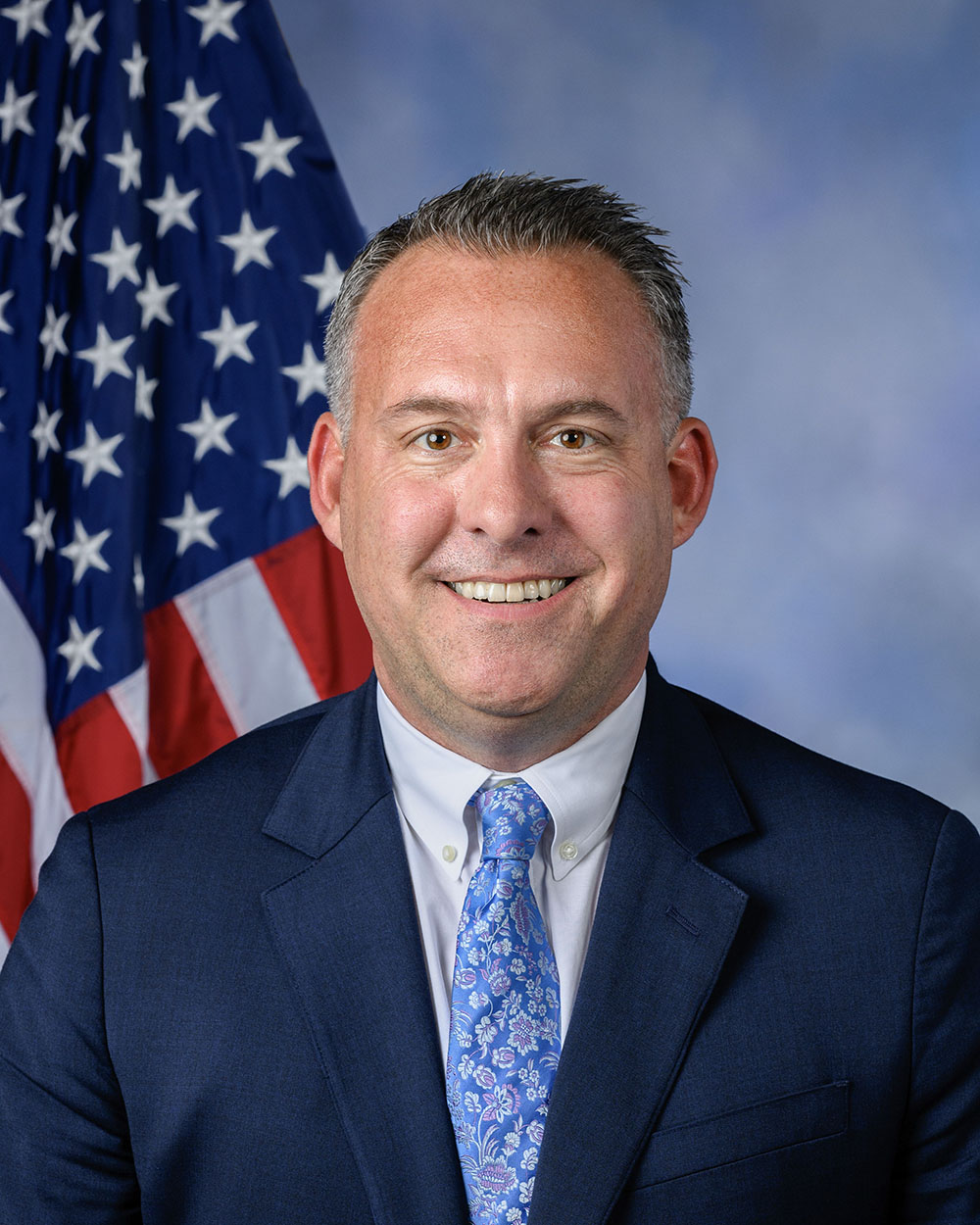
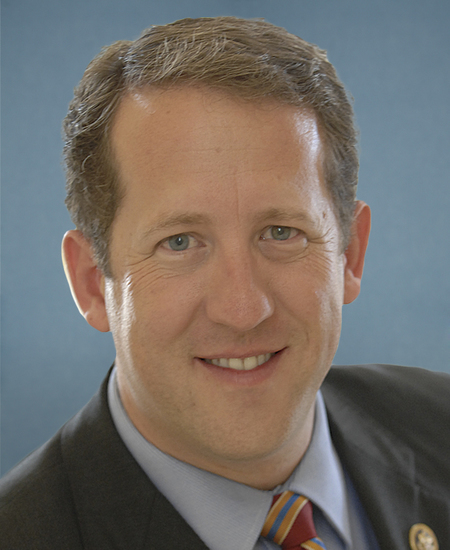
Adam Gray
100% support rate
Top opponent
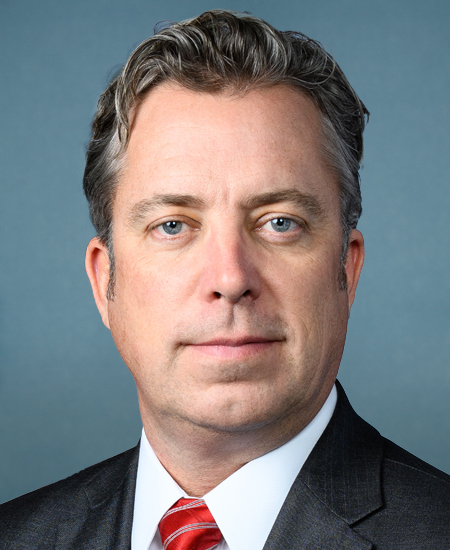
Aaron Bean
0% support rate
Ranked legislators
10
5 support · 5 oppose
Key legislators

Who's moving airports in United States

Legislators moving airports in United States
Legislator Party Stance Support rate Votes
Adam Gray
Adam Gray House · District 13
D
Strong +
100% 3
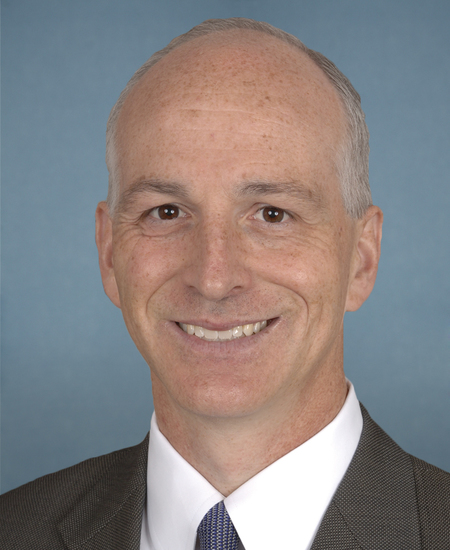
Adam Smith
Adam Smith House · District 9
D
Strong +
100% 3
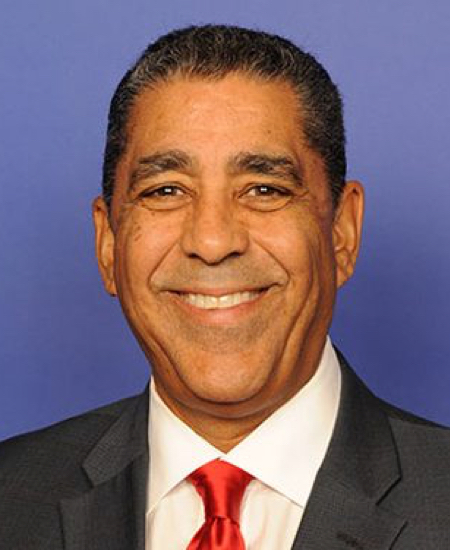
Adriano Espaillat
Adriano Espaillat House · District 13
D
Strong +
100% 3
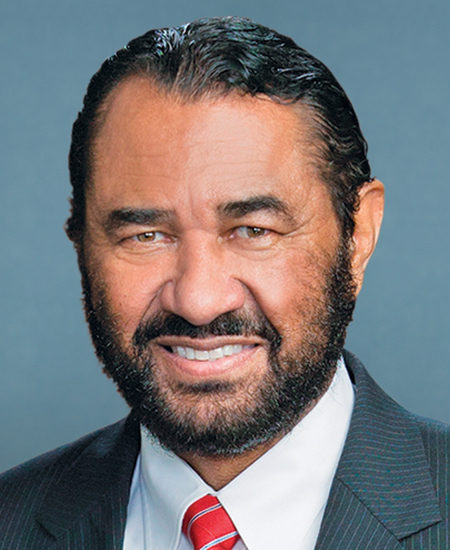
Al Green
Al Green House · District 9
D
Strong +
100% 3
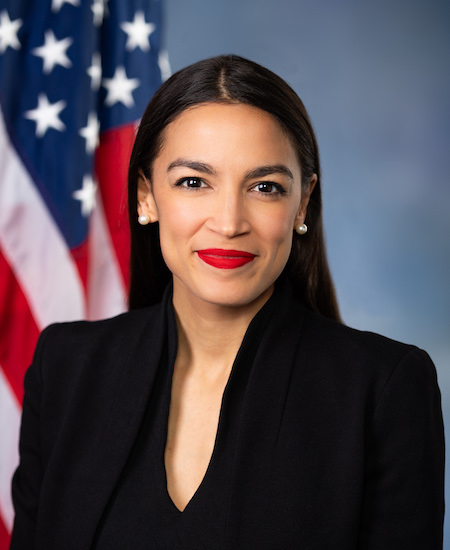
Alexandria Ocasio-Cortez
Alexandria Ocasio-Cortez House · District 14
D
Strong +
100% 3
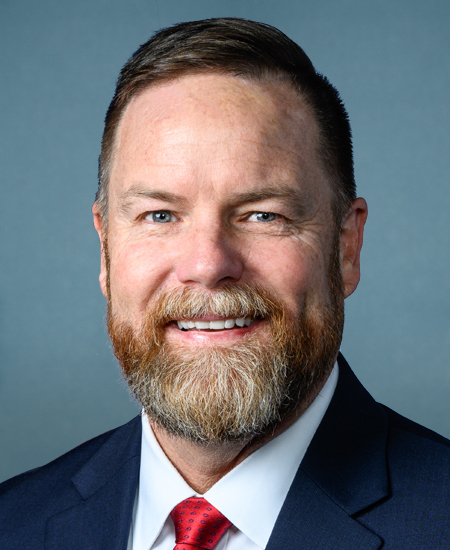
Aaron Bean
Aaron Bean House · District 4
R
Strong −
0% 3
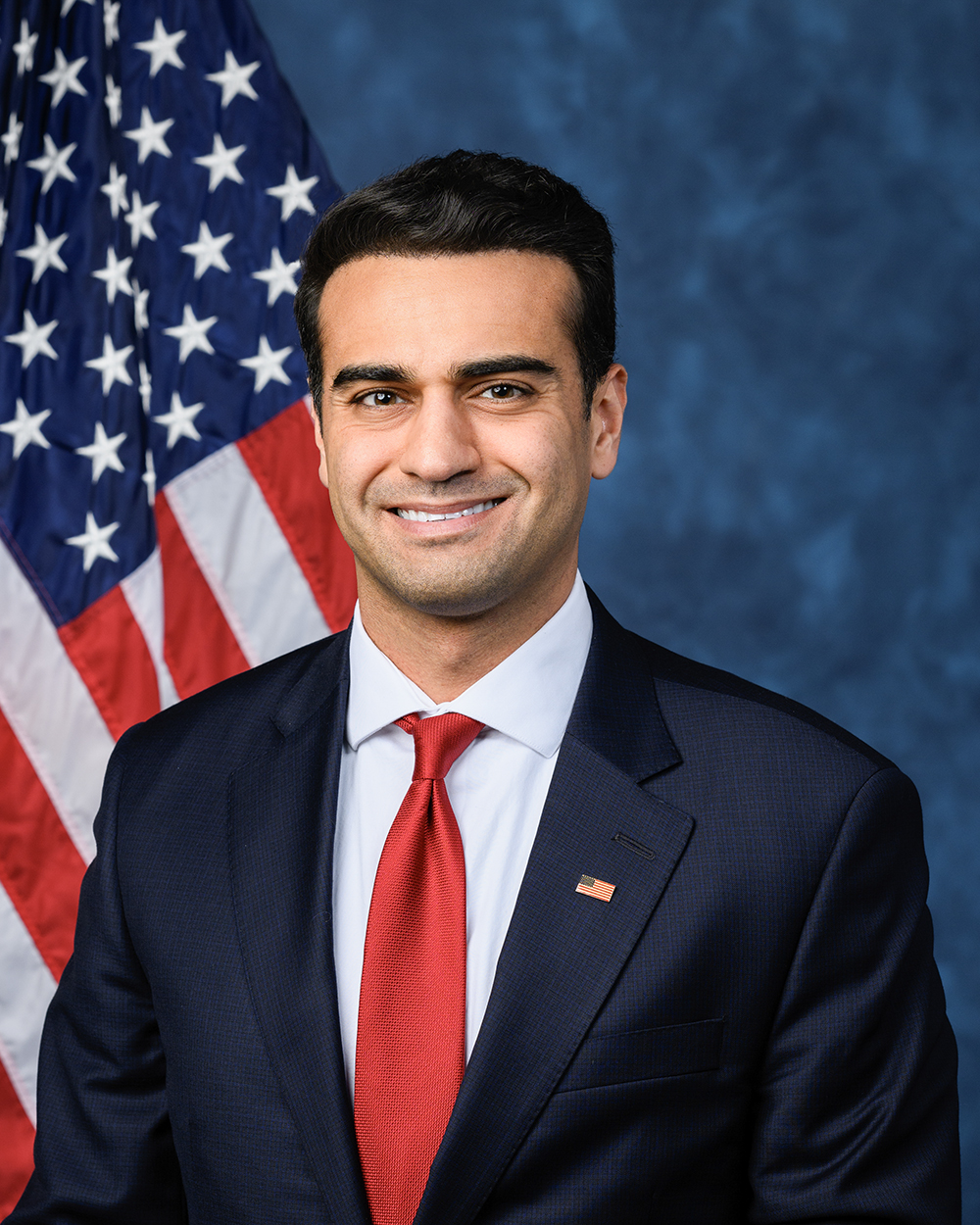
Abraham J. Hamadeh
Abraham J. Hamadeh House · District 8
R
Strong −
0% 3
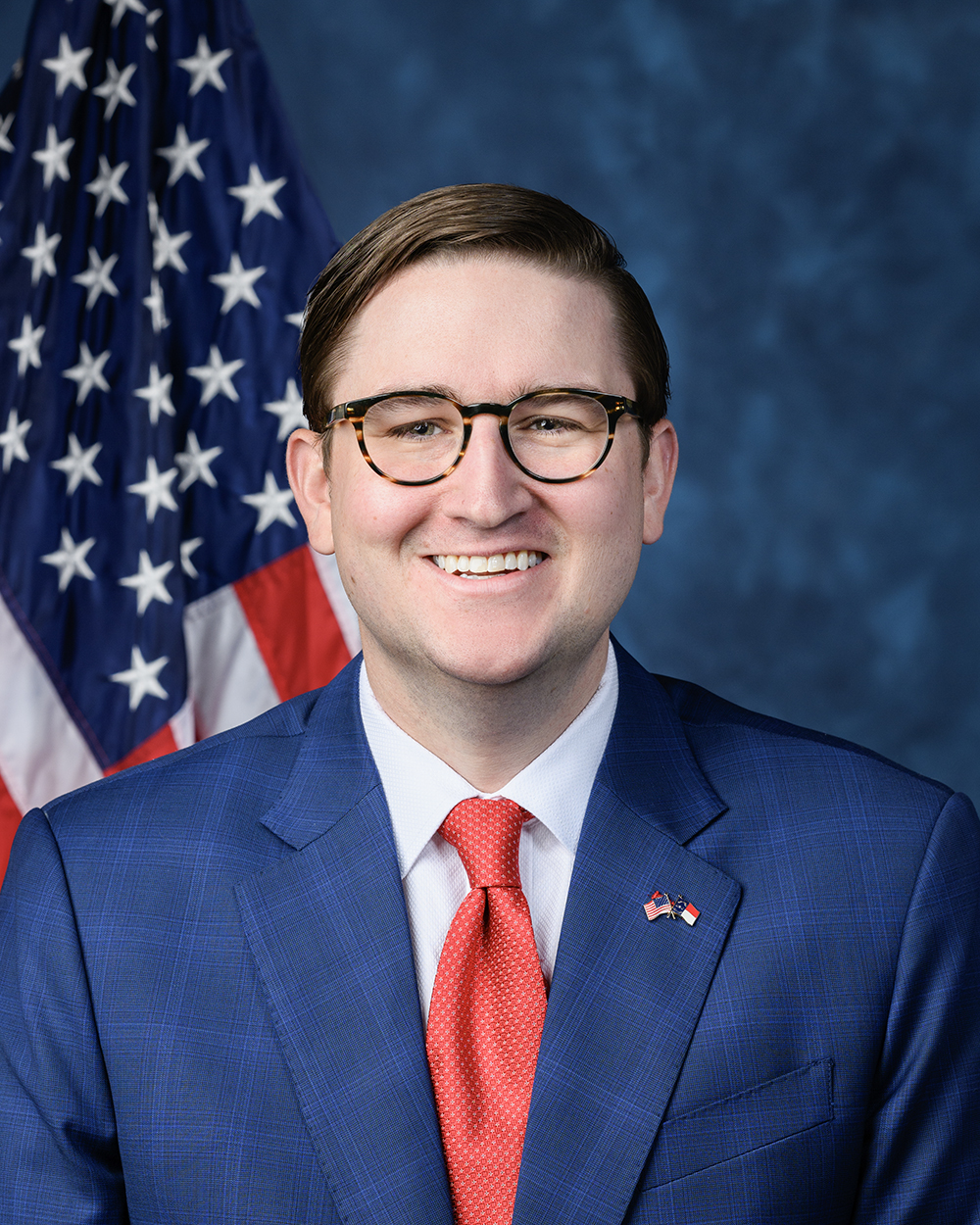
Addison P. McDowell
Addison P. McDowell House · District 6
R
Strong −
0% 3
Adrian Smith
Adrian Smith House · District 3
R
Strong −
0% 3
Andrew Ogles
Andrew Ogles House · District 5
R
Strong −
0% 3
Showing 101–110 of 122 bills

All transportation bills

in committee · United States · House Jun 12, 2025

HR 3933: Paving the Way for American Industry Act

The Paving the Way for American Industry Act amends a provision of the Infrastructure Investment and Jobs Act to require that yellow organic pigments used in road, highway, and airport surface markings must be manufactured entirely within the United States. Specifically, it mandates that the entire manufacturing process - from combining materials through the chemical reaction forming the pigment - must occur domestically, including the creation of new molecular structures. This requirement applies immediately to pigments in water-based paints for surface markings, with full implementation for all formulas starting two years after the bill's enactment. The Office of Management and Budget must update relevant guidance within 90 days to reflect this change.
in committee · United States · Senate Mar 12, 2025

S 980: Alleviating Spaceport Traffic by Rewarding Operators Act of 2025

This bill establishes a pilot program to provide grants to spaceport operators for improving transportation infrastructure at or near launch/reentry sites. Operators receive grants based on their licensed launch activity ($250,000 per licensed launch, $100,000 per permit), with a maximum $2.5 million annual grant per operator. Supplemental grants (up to 50% of the primary grant) are available if states or private entities match funds. The program runs until 2030 and requires infrastructure projects to directly support transportation safety and be generally accessible, with total annual funding capped at $20 million.
Sub-Topics Airports
in committee · United States · Senate Jun 5, 2025

S 1966: Don't Miss Your Flight Act

S 1966, the "Don't Miss Your Flight Act," establishes a federal grant program to fund transportation infrastructure projects connecting to public airports. It provides funding for eligible states, tribes, and local governments to improve highways, bridges, transit, or rail systems near airports that reduce congestion or expand access. At least 50% of annual funding must support large hub airports, and 30% must support medium hub airports, as defined by existing law. The program is funded through $1 billion annually from the Highway Trust Fund for fiscal years 2027-2031.
in committee · United States · House Jan 7, 2026

HR 6950: District of Columbia Transportation Funding Equality Act

This bill amends federal transportation funding laws to include the District of Columbia as a recipient of existing grant programs previously excluding it. Specifically, it adds "the District of Columbia" to formulas for bus grants (49 U.S.C. §5339), apportionment for growing/high-density states (49 U.S.C. §5340), culvert replacement grants (49 U.S.C. §6703), and safe streets grants (Infrastructure Investment and Jobs Act §24112). These changes allow the District to access federal transportation funds on equal footing with states for projects like bus services, road infrastructure, and culvert repairs. The bill does not create new funding but adjusts eligibility in current programs to remove DC's exclusion.
in committee · United States · House Jul 24, 2025

HR 4686: LIFT Act of 2025

The LIFT Act of 2025 streamlines regulations for drone and eVTOL (electric air taxi) operations in the U.S. It requires the Transportation Secretary to create new safety rules enabling routine drone flights beyond visual range (BVLOS) within six months and use AI to speed up approval requests for drone waivers. The bill also establishes a 3-year pilot program giving grants to state, local, tribal, and territorial governments to test eVTOL operations - prioritizing projects using U.S.-manufactured drone technology and focusing on applications like medical response and cargo transport. This directly affects drone operators, local governments implementing air mobility projects, and U.S. drone manufacturers by accelerating regulatory approvals and funding for safe integration into national airspace.
in committee · United States · House Feb 26, 2025

HR 1594: Sustainable Aviation Fuel Act

The Sustainable Aviation Fuel Act establishes national goals for reducing aviation greenhouse gas emissions, aiming for a 35% reduction by 2035 and net zero by 2050 compared to 2005 levels. It creates a low-carbon fuel standard requiring a 20% reduction in carbon intensity by 2030 and 50% by 2050, with a credit system allowing producers of sustainable aviation fuel to generate credits for sale to those who don't meet the standard. The bill requires the Department of Defense to purchase at least 10% sustainable aviation fuel for military aircraft by 2025 if cost-competitive and produced domestically. It also provides funding for research through the FAA and Department of Energy, and extends tax credits for sustainable aviation fuel production through 2032.
in committee · United States · Senate Feb 2, 2026

S 3759: SAF Act

This bill (S 3759, the SAF Act) boosts financial incentives for producers of sustainable aviation fuel (SAF) by increasing tax credits and extending their availability. It raises the credit rate to $1.75 per gallon for certain SAF facilities (up from $1.00) and to 35 cents per gallon for others (up from 20 cents), while extending the credit period through December 31, 2033 (previously ending in 2029). The bill specifically defines SAF to exclude palm oil-based fuel and petroleum, requiring compliance with ASTM International fuel standards. These changes directly affect SAF producers meeting the defined criteria, providing greater financial support for clean aviation fuel production.
Sub-Topics Oil & Gas Airports
in committee · United States · House Jul 21, 2025

HR 4552: Transportation, Housing and Urban Development, and Related Agencies Appropriations Act, 2026

# Summary of Transportation, Housing and Urban Development, and Related Agencies Appropriations Act, 2026 This comprehensive appropriations bill allocates funding for the Department of Transportation, Department of Housing and Urban Development (HUD), and several related agencies for fiscal year 2026. ## Key Funding Areas 1. **Department of Transportation**: Includes funding for transportation infrastructure, safety programs, and related initiatives. 2. **Department of Housing and Urban Development (HUD)**: - Tenant-based rental assistance (Section 8) - Public housing operating and capital funds - Lead hazard reduction programs - Fair housing activities - Homeless assistance grants - Community development programs - Healthy homes initiatives 3. **Related Agencies**: Funding for the Access Board, Federal Maritime Commission, National Railroad Passenger Corporation (Amtrak), National Transportation Safety Board, Neighborhood Reinvestment Corporation, and Surface Transportation Board. ## Major Restrictions and Provisions 1. **Funding Restrictions**: - No funds may be used for certain types of training (e.g., training inducing emotional stress, religious content, or designed to change personal values) - No funds for first-class airline travel in contravention of federal regulations - No funds for certain projects (e.g., no funds to support projects using eminent domain for private economic development) - No funds to facilitate new scheduled air transportation to Cuban Government-confiscated property 2. **Reporting Requirements**: - Quarterly reports to Congress on uncommitted, unobligated, recaptured, and excess funds - Semi-annual reports on properties with failing physical inspections 3. **Fund Transfer Rules**: - Strict limitations on reprogramming funds without Congressional approval - Restrictions on transferring funds between accounts (e.g., no more than 10% or $5 million transfer between offices) - Specific rules for transfer of funds to the Information Technology Fund 4. **Other Significant Provisions**: - Restrictions on using funds for certain types of litigation - Requirements for transparency in consulting services - Limits on using funds for executive-legislative activities - Prohibitions on using funds for certain types of contracts (e.g., "HAP Contract Support Services" solicitation) The bill contains numerous specific restrictions on how funds may be used, with over 100 provisions detailing what the funds cannot be used for, reflecting a strong emphasis on fiscal responsibility and program accountability.
in committee · United States · Senate Apr 9, 2025

S 1373: USRC Funding Eligibility Act

This bill makes the Union Station Redevelopment Corporation (USRC) eligible to receive specific federal transportation grants with 100% federal funding. It amends four grant programs (BUILD, National Infrastructure Project Assistance, Consolidated Rail Infrastructure, and Federal-State Partnership for Intercity Passenger Rail) to explicitly include the USRC as an eligible recipient. For all these programs, the bill requires the federal government to cover 100% of eligible project costs for USRC projects, eliminating typical cost-sharing requirements. The bill directly affects the USRC, enabling it to access these federal funds without contributing state or local matching funds. This is a policy change affecting federal grant eligibility and funding structure for the USRC.
Sub-Topics Airports Rail
in committee · United States · House Jun 6, 2025

HR 3746: Rebuilding America’s Airport Infrastructure Act

This bill increases the maximum passenger facility charge (PFC) airports can collect from travelers. It sets new annual caps: $5.50 starting January 1, 2027; $6.50 in 2028; $7.50 in 2029; and $8.50 starting January 1, 2030, with future annual inflation adjustments. The policy directly affects airlines and travelers who pay these fees at participating airports. It amends existing law to update the PFC structure, effective for fees imposed on or after January 1, 2027.
Showing 101 to 110 of 122 bills
Previous 1 10 11 12 13 Next