Issue · Technology

Technology

Every technology bill, vote, and legislator stance in United States, automatically classified by Maddy, our AI policy reader.

Total bills
1,447
119th Congress
Top supporter
Ami Bera
86% support rate
Top opponent
Scott Perry
14% support rate
Ranked legislators
10
5 support · 5 oppose
Key legislators

Who's moving technology in United States

Legislators moving technology in United States
Legislator Party Stance Support rate Decisive votes
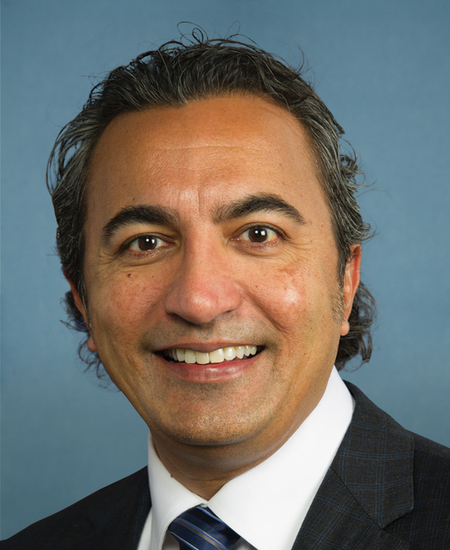
Ami Bera
Ami Bera House · District 6
D
Strong +
86% 22
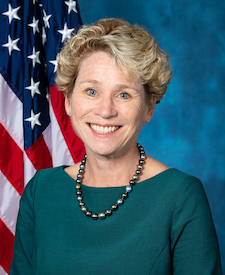
Chrissy Houlahan
Chrissy Houlahan House · District 6
D
Strong +
86% 22
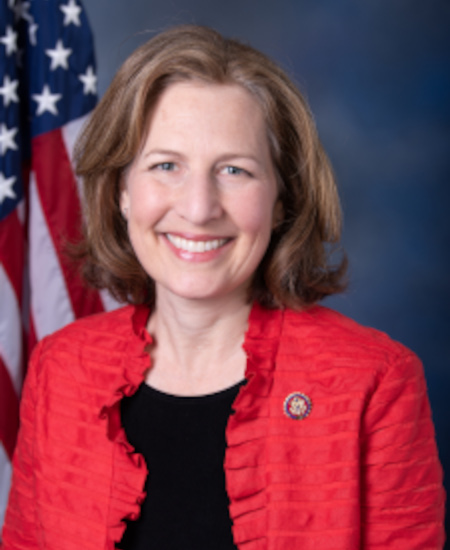
Kim Schrier
Kim Schrier House · District 8
D
Strong +
86% 22
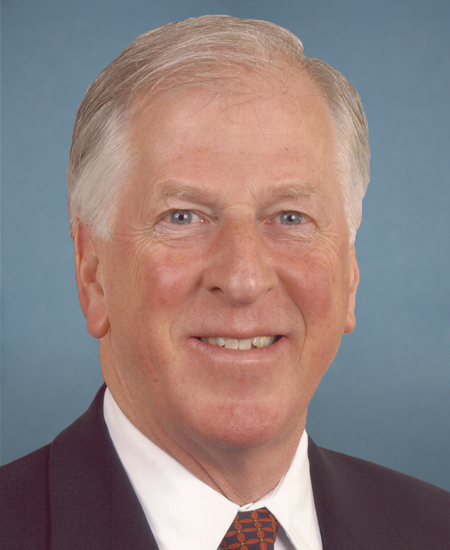
Mike Thompson
Mike Thompson House · District 4
D
Strong +
86% 22
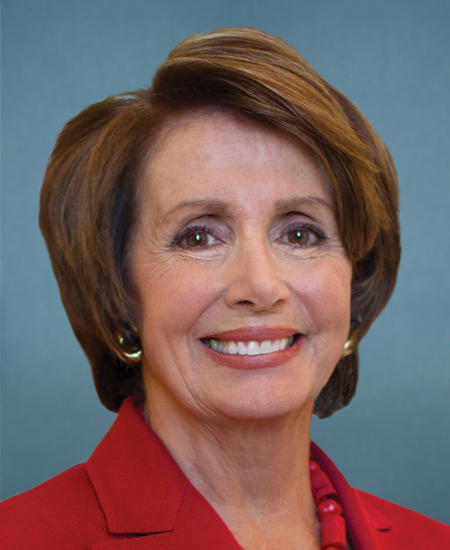
Nancy Pelosi
Nancy Pelosi House · District 11
D
Strong +
86% 22
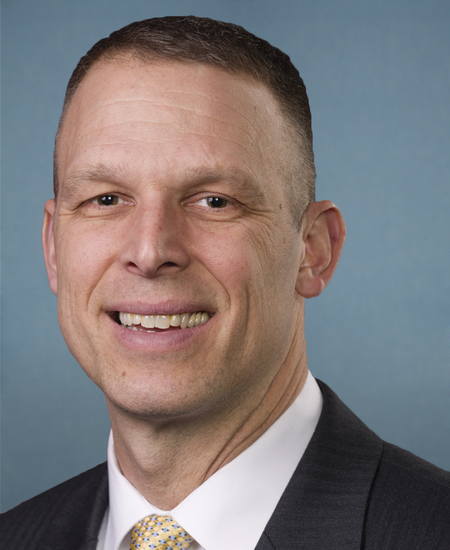
Scott Perry
Scott Perry House · District 10
R
Strong −
14% 21
AA
Alan Armstrong Senate
R
Strong −
17% 29
Rand Paul
Rand Paul Senate
R
Strong −
17% 46
Josh Hawley
Josh Hawley Senate
R
Strong −
18% 45
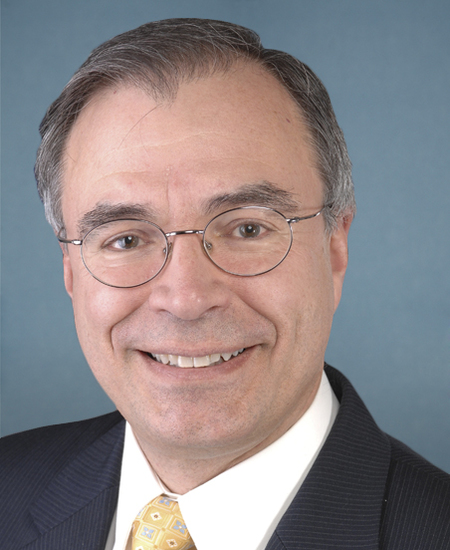
Andy Harris
Andy Harris House · District 1
R
Strong −
18% 22
Showing 381–390 of 1,447 bills

All technology bills

in committee · United States · House Apr 27, 2026

HR 8516: American Leadership in AI Act

The American Leadership in AI Act establishes a new Center for AI Standards and Innovation at the National Institute of Standards and Technology to develop voluntary guidelines and testing methods for ensuring artificial intelligence systems are safe, secure, and reliable. It creates a large National Artificial Intelligence Research Resource to provide researchers and students with access to advanced computing power and data, while also launching prize competitions to solve specific challenges in areas like national security and health care. The bill mandates that every federal agency appoint a full-time Chief Artificial Intelligence Officer to oversee responsible AI use and requires the development of federal standards for AI procurement and security. Additionally, the legislation strengthens penalties for financial crimes committed using AI, protects workers who report AI safety violations from retaliation, and expands educational programs to improve AI literacy among K-12 students and the broader workforce.
in committee · United States · Senate May 14, 2026

S 4528: IGNITE HBCU Excellence Act

The IGNITE HBCU Excellence Act establishes a competitive grant program administered by the Department of Education to provide long-term funding for infrastructure improvements at Historically Black Colleges and Universities. These grants are intended to support projects such as modernizing campus facilities, upgrading technology and broadband systems, enhancing safety measures, and acquiring research equipment, with a specific focus on addressing deferred maintenance and health risks. Priority for funding is given to institutions that demonstrate the greatest need due to facility conditions or financial limitations, as well as those serving high percentages of low-income students. The legislation also includes requirements for recipients to submit detailed plans, engage in community partnerships, and use a portion of funds for administrative costs, while prohibiting the use of money for routine maintenance or athletic facilities.
passed · United States · House Jul 14, 2026

HR 8738: FEC Administrative Improvements Act

The FEC Administrative Improvements Act updates federal election laws to modernize how political committees report and make payments. It requires that filings for electioneering communications be submitted electronically, streamlining the reporting process for these groups. Additionally, the bill permits political committees to make financial disbursements using methods other than traditional checks, such as electronic transfers. These provisions adjust administrative requirements under the Federal Election Campaign Act without changing spending limits or campaign rules.
Tags Elections
in committee · United States · House Apr 21, 2026

HR 8398: Guidelines for Use, Access, and Responsible Disclosure of Financial Data Act

The Guidelines for Use, Access, and Responsible Disclosure of Financial Data Act strengthens privacy protections for consumers by amending the Gramm-Leach-Bliley Act to require financial institutions to limit data collection to what is necessary, provide clearer privacy notices, and offer new rights for customers to access or delete their personal information. Key provisions include requiring explicit opt-in consent for sensitive data like biometric information, restricting how third parties can use consumer login credentials, and mandating that institutions disclose how they use artificial intelligence in processing financial data. The bill also establishes a right for former customers to request deletion of their data within 45 days and requires regulators to consider the impact of rules on smaller financial institutions with $15 billion or less in assets.
in committee · United States · House Apr 21, 2026

HR 8395: PACE Act of 2026

This bill establishes a federal registration system for payment service providers, allowing companies that meet specific state licensing and charter requirements to register with the Comptroller of the Currency and operate across state lines. Once registered, these providers must maintain customer funds in segregated reserve accounts backed by highly liquid assets like U.S. currency, Treasury securities, and insured deposits, and they are prohibited from reusing customer funds for their own purposes. The legislation also requires registered providers to follow fair access rules that prevent discrimination based on political views or beliefs, undergo regular federal examinations, and submit financial reports to regulators. Additionally, the bill grants the Comptroller authority to act as a conservator or receiver for insolvent nonbank payment providers and ensures that customer balances held with these providers are not classified as securities under federal law.
signed · United States · Senate Jun 10, 2026

S 2: Secure America Act

The Secure America Act appropriates billions of dollars to U.S. Customs and Border Protection and Immigration and Customs Enforcement for fiscal year 2026 to expand staffing and operations. These funds are specifically designated for hiring agents to conduct functions other than immigration enforcement and customs duties, as well as for purchasing new technology to combat drug trafficking and improve border surveillance. The legislation includes restrictions that prohibit using the money to recruit processing coordinators after October 2028 and bans the deployment of untested autonomous surveillance towers. A portion of the funding is also set aside to hire investigators and analysts dedicated to identifying and rescuing victims of child sexual exploitation.
in committee · United States · House Apr 20, 2026

HR 8369: No ICE in Schools Act

The "No ICE in Schools Act" proposes to prevent educational agencies and institutions from releasing student records or other personal information for immigration enforcement purposes. It directly affects schools and colleges receiving federal funds, as well as students whose data might be sought by immigration enforcement. The bill amends existing law to prohibit federal funds from being provided to any educational entity that releases such information without specific written consent from the student's parents. This parental consent must detail the records, reasons for release, and recipient, with a copy provided to the parents.
in committee · United States · Senate Mar 25, 2026

S 4203: Voter Empowerment Act of 2026

The Voter Empowerment Act of 2026 seeks to modernize federal elections by expanding voter access, strengthening election integrity, and enhancing security, directly affecting all eligible voters, states, and election officials. Key provisions include mandating online, automatic, and same-day voter registration, as well as pre-registration for 16 and 17-year-olds, while also setting stricter rules for
Tags Elections
in committee · United States · House Apr 16, 2026

HR 8327: Communications, Video, and Technology Accessibility Act of 2026

This bill, the Communications, Video, and Technology Accessibility Act of 2026, aims to significantly enhance accessibility for individuals with disabilities across various communication and video services and related equipment. It expands requirements for closed captioning and audio description to include online video programming and consumer-generated media, and mandates that sign language interpretation be consistently visible on screen when provided. The bill also requires video playback devices to have easily accessible accessibility features and mandates that video conferencing services and customer support offer features like voice recognition, visual interpretation, and direct video calling for sign language users. Additionally, it strengthens telecommunications relay services for DeafBlind individuals and sign language users, increases funding for equipment distribution for the DeafBlind, and directs the FCC to assess and regulate the accessibility of emerging technologies.
Sub-Topics Telecommunications Tags People with Disabilities
in committee · United States · House Apr 23, 2026

HR 8470: Surveillance Accountability Act

The Surveillance Accountability Act aims to strengthen Fourth Amendment protections against warrantless government searches, directly affecting federal employees involved in surveillance and individuals whose data or privacy is subject to government access. It generally mandates that government entities obtain a warrant based on probable cause for most searches, explicitly requiring one to access data held by third-party companies like internet providers or financial institutions. While outlining exceptions for situations like plain view or publicly available information, the bill specifically prohibits the warrantless collection or analysis of biometric data (e.g., facial recognition) or license plate reader data from public places without informed consent. Additionally, it creates a new legal avenue for individuals to sue federal employees who violate their Fourth Amendment rights, allowing for redress and attorney's fees.
Showing 381 to 390 of 1,447 bills
Previous 1 38 39 40 145 Next