Issue · Technology

Technology

Every technology bill, vote, and legislator stance in United States, automatically classified by Maddy, our AI policy reader.

Total bills
1,435
119th Congress
Top supporter
Ami Bera
86% support rate
Top opponent
Alan Armstrong
14% support rate
Ranked legislators
10
5 support · 5 oppose
Key legislators

Who's moving technology in United States

Legislators moving technology in United States
Legislator Party Stance Support rate Decisive votes
Ami Bera
Ami Bera House · District 6
D
Strong +
86% 22
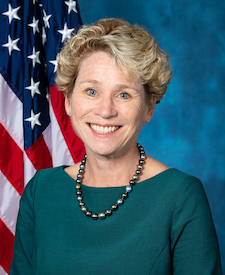
Chrissy Houlahan
Chrissy Houlahan House · District 6
D
Strong +
86% 22
Kim Schrier
Kim Schrier House · District 8
D
Strong +
86% 22
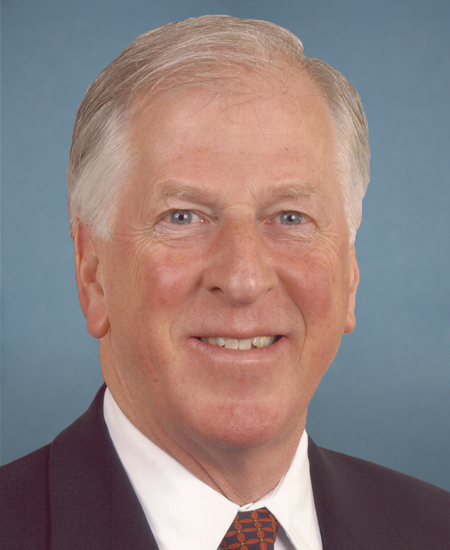
Mike Thompson
Mike Thompson House · District 4
D
Strong +
86% 22
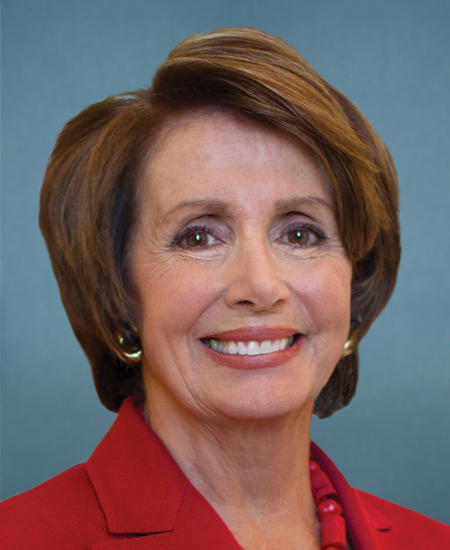
Nancy Pelosi
Nancy Pelosi House · District 11
D
Strong +
86% 22
AA
Alan Armstrong Senate
R
Strong −
14% 28
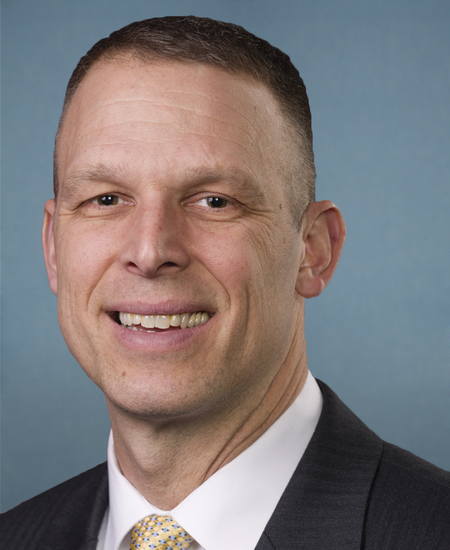
Scott Perry
Scott Perry House · District 10
R
Strong −
14% 21
Rand Paul
Rand Paul Senate
R
Strong −
16% 45
Josh Hawley
Josh Hawley Senate
R
Strong −
18% 44
Andy Harris
Andy Harris House · District 1
R
Strong −
18% 22
Showing 191–200 of 1,435 bills

All technology bills

in committee · United States · Senate Jun 8, 2026

S 4707: Responsible Artificial Intelligence Defense Act of 2026

The Responsible Artificial Intelligence Defense Act of 2026 establishes a new framework for the U.S. Department of Defense to develop and deploy autonomous weapon systems and artificial intelligence capabilities. It requires the Secretary of Defense to maintain continuous human oversight, ensuring that operators can intervene to stop systems acting illegally or unexpectedly. The bill mandates rigorous testing, cybersecurity reviews, and legal assessments before these technologies are prototyped or fielded, while also creating a working group to advise on safety standards. Specific prohibitions prevent the use of AI for nuclear launch decisions or warrantless surveillance of individuals within the United States. Additionally, the act defines different risk levels for these systems and requires annual reports to Congress on their administration.
in committee · United States · Senate Jun 23, 2026

S 4866: Farmers’ Market Local Revitalization Act of 2026

The Farmers' Market Local Revitalization Act of 2026 increases funding and modernizes two federal nutrition programs that provide benefits at farmers' markets for seniors and low-income women, infants, and children. For seniors, the bill raises the minimum benefit to $35, removes spending caps, and allows funds to be used for electronic payment systems and delivery services, while also reserving a portion of funds for states that previously did not participate. The program for women, infants, and children similarly increases benefit amounts and permits up to 10 percent of funds to be used for technology upgrades and administrative costs. The legislation also authorizes new funding levels for these programs starting in fiscal year 2027 and requires the Secretary of Agriculture to conduct a study on integrating these nutrition programs to reduce administrative burdens.
passed · United States · House Sep 15, 2026

HR 9342: GPO Modernization Act of 2026

The GPO Modernization Act of 2026 updates the operations and oversight of the Government Publishing Office to improve how federal documents are produced, distributed, and preserved. The bill redesigns the oversight committee from the Joint Committee on Printing to the Joint Committee on Publishing and expands the GPO's authority to manage digital content, accept gifts, and simplify procurement processes. It also establishes a National Collection of U.S. Government Public Information to ensure permanent, free public access to federal publications and modernizes rules for depository libraries to better serve communities with both physical and digital resources. Additionally, the legislation shifts the requirement for the Annotated Constitution from hardbound print versions to digital formats available online, starting after the October 2026 Supreme Court term.
in committee · United States · Senate Jun 15, 2026

S 4782: ReportScams.gov Act

The ReportScams.gov Act establishes a comprehensive federal framework to combat scams by creating a centralized website, reportscams.gov, where the public can access prevention resources, report incidents, and find victim assistance. This initiative requires the Office of Management and Budget to set a national priority goal for reducing scams and form an interagency Steering Committee involving major departments like the FBI, FTC, and Secret Service to develop a unified action plan. The bill mandates the creation of a secure online portal that routes scam reports to relevant federal and state authorities while providing detailed, up-to-date information on recognizing and avoiding fraud. Additionally, the legislation ensures accountability through quarterly progress reviews, annual public reports on scam trends and financial losses, and a specific authority for agencies to transfer funds to support these coordinated efforts.
Sub-Topics Digital Government
in committee · United States · House Jun 25, 2026

HR 9396: Prior Authorization Accountability Act

The Prior Authorization Accountability Act requires health insurance plans and issuers to publicly report detailed data on their prior authorization processes starting in 2027. This includes submitting information on approval and denial rates, appeal outcomes, processing times, and the specific use of artificial intelligence or other automated technologies in making coverage decisions. The bill mandates that these reports be available on public websites for both individual and group coverage, allowing consumers to compare how different plans handle requests for medical services. Additionally, the legislation updates the Affordable Care Act to ensure that health plans sold through insurance exchanges display this new transparency data to help shoppers make informed choices.
in committee · United States · Senate Jun 18, 2026

S 4835: Bureau of Industry and Security License Administration Enhancement Act

The Bureau of Industry and Security License Administration Enhancement Act aims to streamline and clarify how export control licenses are managed by the U.S. government. It requires that specific regulatory guidance letters be published in official government records within 60 days unless they are converted into permanent regulations, ensuring greater transparency for businesses. Additionally, the bill mandates the creation of specialized advisory committees focused on critical technologies like artificial intelligence, semiconductors, and biotechnology to advise the Secretary of Commerce on export control policies. These committees will consist of industry, national security, and academic experts who must meet regularly and submit annual reports on technological developments and policy recommendations. Finally, the legislation directs a review of existing rules regarding advanced computing integrated circuits, with a report to Congress on the findings and any necessary updates within 120 days of enactment.
in committee · United States · Senate Jun 23, 2026

S 4855: SAFE KIDS Act

The SAFE KIDS Act requires companies providing AI chatbots to verify user ages, conduct regular safety risk assessments, and implement specific safeguards to protect children from harms such as self-harm, sexual exploitation, and manipulative design. Providers must offer robust parental controls that allow parents to limit usage, restrict data collection, and receive notifications if their child encounters dangerous content or expresses suicidal ideation. The legislation also prohibits targeting children with advertisements or selling their personal information without explicit parental consent, while mandating annual independent audits to ensure compliance. Enforcement of these rules will be handled by the Federal Trade Commission, which has the authority to impose civil penalties for violations.
in committee · United States · House Jun 11, 2026

HR 9307: Web of Biological Data Act of 2026

The Web of Biological Data Act of 2026 directs the Department of Energy to create a centralized online platform called the Web of Biological Data to help researchers access and analyze biological information using advanced tools like artificial intelligence. This system will serve as a single entry point for federally funded data, featuring strict cybersecurity measures and tiered access controls to protect sensitive information. The bill establishes a phased rollout, beginning with a pilot version within two years that focuses on specific data types and user-friendly design, followed by a full expansion five years later that includes broader data compatibility and bioinformatic tools. To ensure the project's success, the legislation creates an advisory board with members from industry, academia, and government, and mandates regular reports to Congress on progress and security assessments. Funding is authorized to support the initial development, testing, and long-term maintenance of the platform while preserving existing privacy and ethical protections for biological data.
in committee · United States · Senate Jun 11, 2026

S 4762: Generative AI Terrorism Risk Assessment Act

This bill directs the Department of Homeland Security to conduct annual assessments for five years on how foreign terrorist organizations use generative artificial intelligence to spread extremist messages or develop weapons. These reports must analyze specific incidents from the previous year and include recommendations for countermeasures while protecting privacy and civil liberties. The unclassified portions of these assessments will be made public on a government website, and federal agencies will share relevant intelligence with state and local fusion centers to improve information sharing.
in committee · United States · House Jun 11, 2026

HR 9279: Preventing AI Censorship Act

This bill creates a legal pathway for citizens to sue federal employees if they force artificial intelligence companies to censor content based on political views, religious beliefs, or other personal ideologies. It specifically prohibits government workers from directing AI providers to remove specific outputs, alter how the technology is trained, or deny access to services because of a user's viewpoint or identity. The law also bans federal officials from spying on or penalizing individuals for their lawful use of AI tools. While it allows victims to seek damages and legal fees, it does not permit lawsuits against the federal government itself for actions taken within the scope of official duties.
Showing 191 to 200 of 1,435 bills
Previous 1 19 20 21 144 Next