Issue · Technology

Technology

Every technology bill, vote, and legislator stance in United States, automatically classified by Maddy, our AI policy reader.

Total bills
210
119th Congress
Top supporter
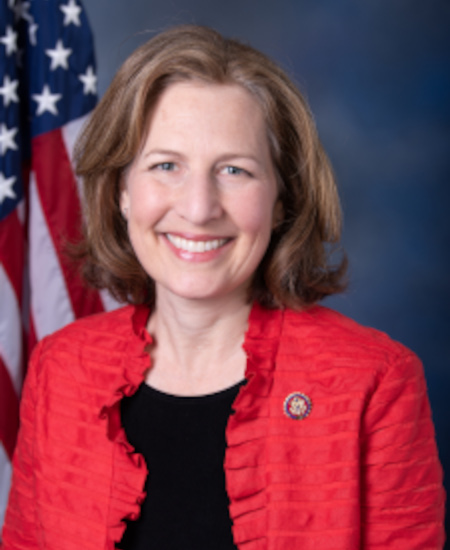
Suzan K. DelBene
86% support rate
Top opponent
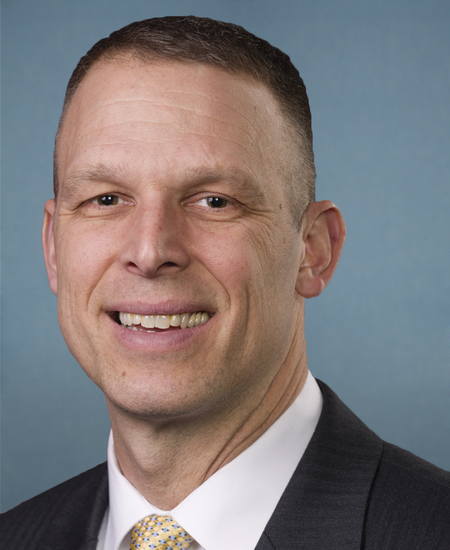
Scott Perry
14% support rate
Ranked legislators
10
5 support · 5 oppose
Key legislators

Who's moving technology in United States

Legislators moving technology in United States
Legislator Party Stance Support rate Votes
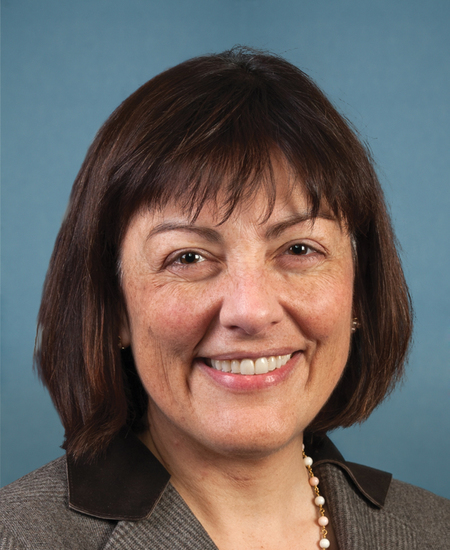
Suzan K. DelBene
Suzan K. DelBene House · District 1
D
Strong +
86% 259
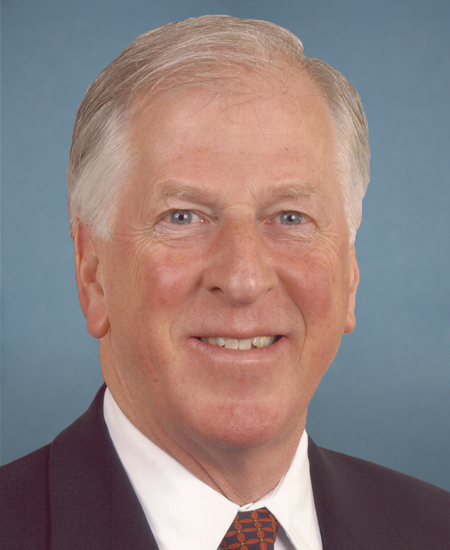
Mike Thompson
Mike Thompson House · District 4
D
Strong +
86% 261
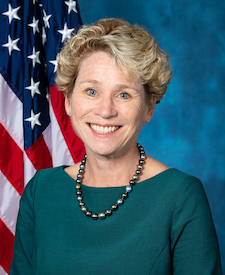
Chrissy Houlahan
Chrissy Houlahan House · District 6
D
Strong +
86% 259
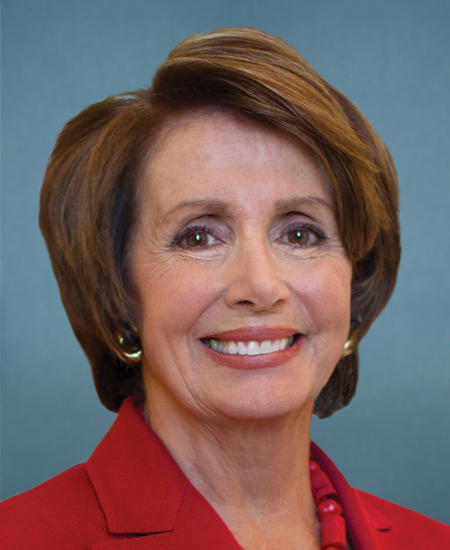
Nancy Pelosi
Nancy Pelosi House · District 11
D
Strong +
86% 246
Kim Schrier
Kim Schrier House · District 8
D
Strong +
86% 261
Scott Perry
Scott Perry House · District 10
R
Strong −
14% 252
AA
Alan Armstrong Senate
R
Strong −
14% 46
Rand Paul
Rand Paul Senate
R
Strong −
16% 223
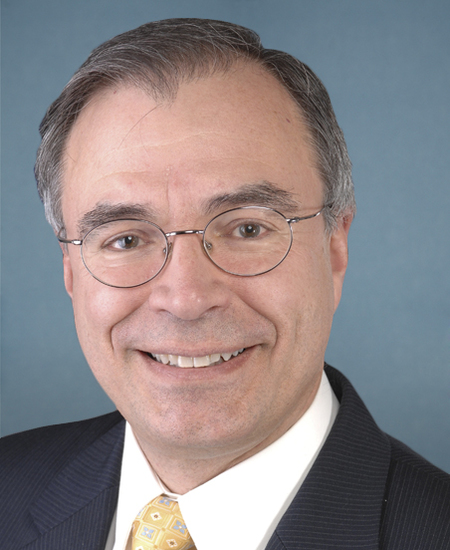
Andy Harris
Andy Harris House · District 1
R
Strong −
18% 257
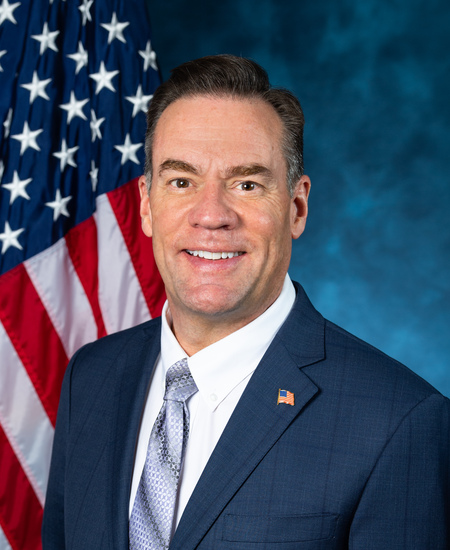
Russ Fulcher
Russ Fulcher House · District 1
R
Strong −
18% 262
Showing 171–180 of 210 bills

All technology bills

in committee · United States · House Sep 10, 2025

HR 5272: Protect Elections from Deceptive AI Act

HR 5272, the *Protect Elections from Deceptive AI Act*, prohibits the intentional distribution of AI-generated audio or video that falsely represents a federal candidate’s appearance, speech, or conduct in a way that would mislead voters during an election. It directly affects candidates for federal office, political committees, and entities distributing such content with the intent to influence elections or solicit funds. The bill includes key exceptions for news organizations (with clear authenticity disclosures), publications (with explicit statements), and satire. Victims can seek court injunctions or damages for violations, with the burden of proof requiring "clear and convincing evidence." This law aims to prevent AI-generated disinformation from distorting election outcomes.
in committee · United States · House Feb 7, 2025

HR 1121: No DeepSeek on Government Devices Act

HR 1121, the "No DeepSeek on Government Devices Act," prohibits U.S. federal executive agencies from using the DeepSeek application (or any successor by High Flyer) on government information technology devices. It requires the Office of Management and Budget to develop removal standards within 60 days, directing agencies to remove the application while complying with existing security rules. Exceptions are permitted for national security, law enforcement, and security research activities, but agencies must document risk mitigation plans for any authorized use under these exceptions. The bill directly affects all executive agencies covered under federal information technology policies.
in committee · United States · Senate Sep 18, 2025

S 2912: Deceptive Practices and Voter Intimidation Prevention Act of 2025

This bill prohibits the intentional dissemination of false information about voting procedures, election timing, or voter eligibility that is designed to prevent people from voting. It specifically makes it illegal to spread misleading information through any communication method, including via generative artificial intelligence, within 60 days of an election. The bill creates criminal penalties for such deceptive acts (up to one year in prison) and allows civil lawsuits for victims. The Attorney General would have authority to issue corrective information when false statements are spreading, and would be required to report on deceptive practices to Congress after each election.
in committee · United States · House Apr 29, 2025

HR 3060: No Biometric Barriers to Housing Act of 2025

HR 3060, the "No Biometric Barriers to Housing Act of 2025," prohibits owners of federally assisted rental housing (including public housing, Section 8 units, and supportive housing programs) from using facial recognition, fingerprint, or remote biometric technology (like voice or gait analysis) for surveillance or other purposes that could unfairly affect tenant access to housing. The ban takes effect one year after the bill's enactment and applies to all covered housing types listed in the bill, such as those under the Housing Act of 1937 or Native American housing programs. It also requires the Department of Housing and Urban Development to report to Congress within a year on past biometric use in these units, its impacts on tenants, and effects on vulnerable communities. This law directly affects housing owners in federally subsidized properties by banning specific surveillance technologies and mandating transparency about their prior use.
in committee · United States · Senate Mar 11, 2025

S 962: Protecting Children Over Profits Act

This bill amends federal law to clarify that electronic communications and remote computing service providers (like internet companies) are exempt from certain record-keeping requirements when handling information related to child exploitation. It specifically removes the need for providers to maintain certain records about child exploitation cases and prohibits them from being paid for providing information, facilities, or technical assistance related to such cases. The exemption applies only to information defined as "child exploitation" under the 2008 PROTECT Our Children Act. The bill directly affects tech companies and service providers by streamlining their ability to share child exploitation data without financial compensation or record-keeping burdens.
in committee · United States · House Dec 16, 2025

HR 6746: Sunset To Reform Section 230 Act

HR 6746, the "Sunset To Reform Section 230 Act," would amend Section 230 of the Communications Act to end its legal protections for online platforms after December 31, 2026. This bill directly affects websites, social media companies, and other online platforms that currently benefit from Section 230 immunity, which shields them from most lawsuits over user-generated content. The key provision is a fixed expiration date - Section 230 would no longer apply to these platforms after 2026, meaning they could face greater legal liability for user content starting in 2027. The bill does not change Section 230's current rules but sets a specific end date for its operation.
passed · United States · House Apr 8, 2025

HRES 294: Providing for consideration of the joint resolution (S.J. Res. 18) disapproving the rule submitted by the Bureau of Consumer Financial Protection relating to "Overdraft Lending: Very Large Financial Institutions"; providing for consideration of the joint resolution (S.J. Res. 28) disapproving the rule submitted by the Bureau of Consumer Financial Protection relating to "Defining Larger Participants of a Market for General-Use Digital Consumer Payment Applications"; providing for consideration of the bill (H.R. 1526) to amend title 28, United States Code, to limit the authority of district courts to provide injunctive relief, and for other purposes; providing for consideration of the bill (H.R. 22) to amend the National Voter Registration Act of 1993 to require proof of United States citizenship to register an individual to vote in elections for Federal office, and for other purposes; and for other purposes.

HRES 294 is a procedural resolution that sets rules for the House to debate and vote on four specific legislative items. It enables consideration of two disapproval resolutions targeting Consumer Financial Protection Bureau rules (one on overdraft fees for large banks, another on digital payment app regulations), a bill limiting court injunctions (H.R. 1526), and a voting rights bill requiring citizenship proof for federal elections (H.R. 22). The resolution waives objections to these items and specifies debate time and amendment procedures. It does not change policy itself but streamlines the process for the House to act on these proposals. This is a procedural step, not a substantive policy change.
in committee · United States · Senate Dec 4, 2025

S 3374: SAFE Chips Act of 2025

The SAFE Chips Act of 2025 requires U.S. exporters to obtain government licenses before sending advanced computer chips to "foreign adversary countries" (including China, Hong Kong, and Macau) or to entities owned by such countries. It defines "advanced integrated circuits" using specific technical standards, such as high processing power (e.g., 4,800+ performance points) or bandwidth (e.g., 4,100+ gigabytes per second), excluding chips designed for data centers. The bill mandates license denials for these exports and allows the Commerce Secretary to update technical definitions after 30 months, with required Congressional briefings on national security impacts. This directly affects chip manufacturers and companies exporting to specified regions, imposing strict controls on advanced semiconductor trade.
in committee · United States · Senate Jan 9, 2025

S 69: COLLUDE Act

This bill amends Section 230 of the Communications Act to change how online platforms are treated in legal cases involving user content. It requires platforms or users to prove they are not "information content providers" when sued for publishing user content (shifting the burden of proof to them). Crucially, it removes Section 230 protection if a platform restricts content based on a communication from a government entity (or a non-government entity acting at government request) regarding political speech. This directly affects platforms that moderate content in response to government requests about political expression, while maintaining exceptions for legitimate law enforcement or national security communications.
Sub-Topics Social Media
in committee · United States · Senate Sep 16, 2025

S 2821: American Tech Workforce Act of 2025

S 2821, the American Tech Workforce Act of 2025, directly affects U.S. tech companies and foreign workers in H-1B visa and Optional Practical Training (OPT) programs. It terminates the OPT program (ending work authorization for international students after graduation) and raises the H-1B wage floor to $150,000 annually (adjusted for inflation), requiring employers to pay at least the wage of comparable U.S. workers. The bill also prohibits H-1B visas for work at third-party client sites unless the assignment is specific and continuous, and mandates prioritizing higher-paying H-1B petitions. These changes aim to reduce reliance on foreign labor at below-market wages in the tech sector.
Showing 171 to 180 of 210 bills
Previous 1 17 18 19 21 Next