Issue · Technology

Technology

Every technology bill, vote, and legislator stance in United States, automatically classified by Maddy, our AI policy reader.

Total bills
210
119th Congress
Top supporter
Suzan K. DelBene
86% support rate
Top opponent
Scott Perry
14% support rate
Ranked legislators
10
5 support · 5 oppose
Key legislators

Who's moving technology in United States

Legislators moving technology in United States
Legislator Party Stance Support rate Votes
Suzan K. DelBene
Suzan K. DelBene House · District 1
D
Strong +
86% 259
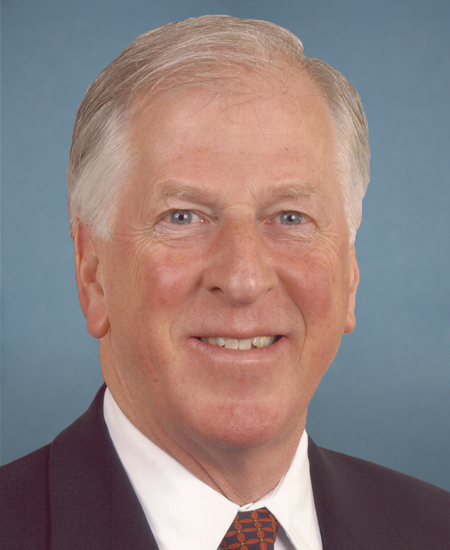
Mike Thompson
Mike Thompson House · District 4
D
Strong +
86% 261
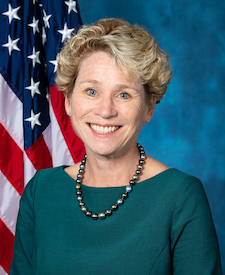
Chrissy Houlahan
Chrissy Houlahan House · District 6
D
Strong +
86% 259
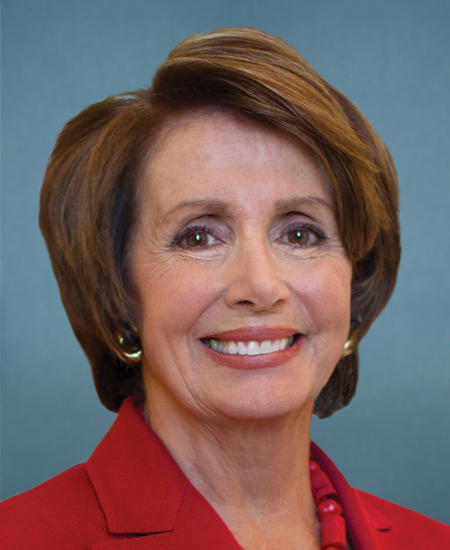
Nancy Pelosi
Nancy Pelosi House · District 11
D
Strong +
86% 246
Kim Schrier
Kim Schrier House · District 8
D
Strong +
86% 261
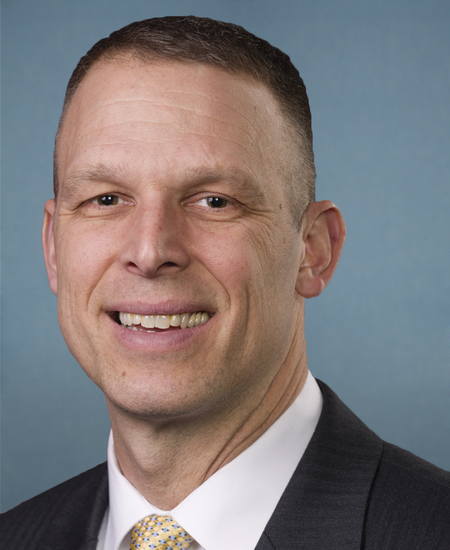
Scott Perry
Scott Perry House · District 10
R
Strong −
14% 252
AA
Alan Armstrong Senate
R
Strong −
14% 46
Rand Paul
Rand Paul Senate
R
Strong −
16% 223
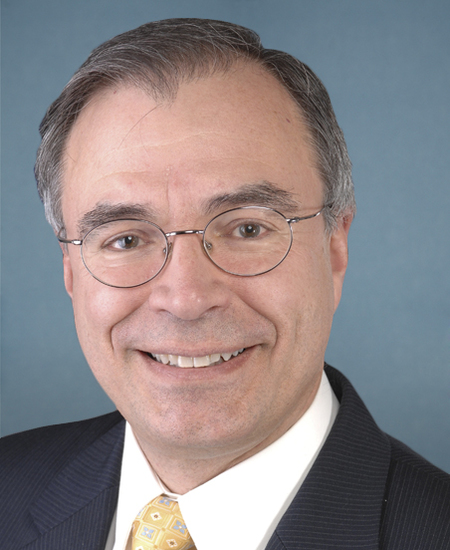
Andy Harris
Andy Harris House · District 1
R
Strong −
18% 257
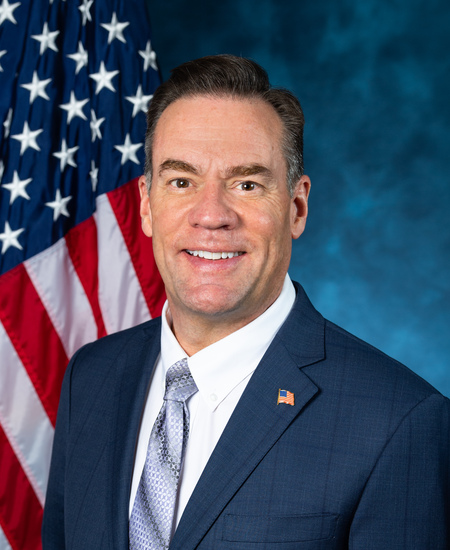
Russ Fulcher
Russ Fulcher House · District 1
R
Strong −
18% 262
Showing 141–150 of 210 bills

All technology bills

in committee · United States · Senate Feb 6, 2025

S 464: No CBDC Act

S 464, the "No CBDC Act," prohibits the Federal Reserve, Treasury, and other federal agencies from creating, issuing, or offering central bank digital currency (CBDC) directly to individuals or through intermediaries like banks. It bans these entities from maintaining individual accounts for digital currency, holding government-issued digital money on their balance sheets, or offering related financial services. The bill directly affects federal financial institutions by blocking all federal involvement in developing a government-run digital currency system. It focuses on preventing the U.S. government from entering the digital currency market, rather than regulating private digital assets.
in committee · United States · House Dec 2, 2025

HR 6361: Ban AI Denials in Medicare Act

HR 6361, the Ban AI Denials in Medicare Act, prohibits the U.S. Department of Health and Human Services from implementing or testing Medicare models that use artificial intelligence for prior authorization of covered services under traditional Medicare. Specifically, it blocks the existing WISeR model (described in a 2025 federal notice) and prevents future models from using AI to deny coverage for Medicare Part A or Part B services. This bill directly affects Medicare beneficiaries and healthcare providers who would otherwise face AI-driven coverage decisions. The key mechanism is an amendment to the Social Security Act, explicitly banning the use of AI in prior authorization systems within Medicare's innovation models.
in committee · United States · Senate Jun 9, 2025

SJRES 57: A joint resolution providing for congressional disapproval under chapter 8 of title 5, United States Code, of the rule submitted by the Federal Trade Commission relating to "Negative Option Rule".

SJRES 57 is a joint resolution seeking congressional disapproval of a Federal Trade Commission rule on "negative option" billing practices. The rule, published in November 2024 (89 Fed. Reg. 90476), would have required businesses to obtain explicit customer consent before automatically charging for subscriptions or services. If enacted, this resolution would void the rule, preventing it from taking effect. It uses the Congressional Review Act process, which allows Congress to block federal regulations with a simple majority vote in both chambers.
in committee · United States · House Dec 10, 2025

HR 6576: SAFE LiDAR Act

HR 6576, the SAFE LiDAR Act, prohibits U.S. businesses and critical infrastructure operators (like utilities, transportation systems, and government entities) from using LiDAR technology developed or controlled by countries designated as "foreign adversaries" (China, Russia, Iran, North Korea) after specific deadlines. It bans new transactions involving such technology starting three years after enactment and requires existing systems to transition within five years, with limited waivers available for national security or critical infrastructure needs. Key exemptions include research, testing, legacy systems in use before enactment, and products exported outside the U.S. The bill establishes a process for waivers, a national security task force, and annual reporting to Congress on enforcement actions and emerging threats.
in committee · United States · House Dec 3, 2025

HR 6371: No Robot Bosses Act

The "No Robot Bosses Act" (HR 6371) prevents employers from making final employment decisions (like hiring, firing, or promotions) using automated systems without human oversight. It requires companies with 11+ employees to test these systems for bias against protected groups, explain how they work in plain language to workers, and provide opportunities for workers to dispute automated decisions through human review. The bill creates a new Technology and Worker Protection Division within the Department of Labor to enforce these rules and requires annual public reports on bias testing. It also includes strong whistleblower protections for workers who report violations. The law applies to most employers but excludes certain government entities and labor organizations acting in their representative capacity.
in committee · United States · House Jan 21, 2026

HR 6875: AI OVERWATCH Act

The AI OVERWATCH Act requires U.S. exporters to obtain a license for sending certain high-performance integrated circuits (defined by specific technical specifications like processing power or bandwidth) to countries designated as "concerns," including China, Russia, Iran, and North Korea. Before approving such licenses, the Commerce Department must submit detailed certifications to Congress, including assurances the export won’t support military/intelligence capabilities of the recipient country and won’t harm U.S. semiconductor availability or AI leadership. The bill also creates an exemption for U.S. companies meeting strict security and ownership standards ("trusted United States persons") to export these chips to non-target countries without a license. Additionally, it mandates a national security strategy assessing how such exports affect U.S. AI competitiveness, particularly regarding China’s semiconductor production and capabilities.
in committee · United States · Senate Mar 25, 2025

S 1124: Anti-CBDC Surveillance State Act

This bill prohibits the Federal Reserve System from developing, testing, or issuing any central bank digital currency (CBDC) or similar digital assets. It bans the Federal Reserve from offering direct products/services to individuals, maintaining personal accounts, or issuing CBDCs either directly or through financial intermediaries. The bill also explicitly prevents the Federal Reserve Board and Federal Open Market Committee from using digital assets for monetary policy. It includes an exception for physical U.S. currency, preserving its privacy protections, and states Congress believes the Fed lacks authority to issue CBDCs without constitutional amendment.
in committee · United States · House Feb 5, 2026

HR 7363: ICE Out of Our Faces Act

HR 7363, the ICE Out of Our Faces Act, prohibits U.S. Customs and Border Protection (CBP) and U.S. Immigration and Customs Enforcement (ICE) officers from using facial recognition, voice recognition, or other biometric surveillance technology for immigration enforcement. It directly affects CBP and ICE officers, including those deputized under Section 287(g), by banning the acquisition, possession, or use of such technology within the U.S. The bill requires immediate deletion of all existing biometric data collected by these agencies within 30 days of enactment and makes illegally obtained data inadmissible in court. Individuals harmed by violations can sue the federal government for damages, while officers violating the law face retraining, suspension, or termination.
in committee · United States · House Feb 11, 2025

HR 1188: Police CAMERA Act of 2025

HR 1188 establishes a federal grant program to help state and local law enforcement agencies purchase body-worn cameras and implement camera programs. To qualify for funding, agencies must adopt public policies on camera use, secure data storage, privacy protections, and strict limits on facial recognition technology (requiring judicial authorization for its use). The bill mandates collecting and reporting demographic data on use-of-force incidents (by race, gender, etc.) and prohibits sharing footage without legal justification. It allocates $30 million annually for fiscal years 2026-2028, with requirements for public policy access, data security, and annual reporting to the federal government.
in committee · United States · House Jun 6, 2025

HR 3825: Kelsey Smith Act

HR 3825, the Kelsey Smith Act, requires phone companies (mobile carriers and IP voice service providers) to share a device’s location with police during emergencies. If police claim the device was used in a 911 call within the past 48 hours or they have reasonable suspicion about an immediate risk of death or serious harm, companies must provide location data "without delay." Police must document each request with justification, and companies cannot be sued for complying. This directly affects telecommunications providers and law enforcement agencies responding to urgent public safety threats.
Sub-Topics Telecommunications
Showing 141 to 150 of 210 bills
Previous 1 14 15 16 21 Next