Issue · Technology

Technology

Every technology bill, vote, and legislator stance in United States, automatically classified by Maddy, our AI policy reader.

Total bills
1,447
119th Congress
Top supporter
Ami Bera
86% support rate
Top opponent
Scott Perry
14% support rate
Ranked legislators
10
5 support · 5 oppose
Key legislators

Who's moving technology in United States

Legislators moving technology in United States
Legislator Party Stance Support rate Decisive votes
Ami Bera
Ami Bera House · District 6
D
Strong +
86% 22
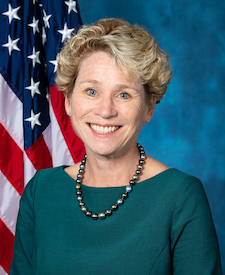
Chrissy Houlahan
Chrissy Houlahan House · District 6
D
Strong +
86% 22
Kim Schrier
Kim Schrier House · District 8
D
Strong +
86% 22
Mike Thompson
Mike Thompson House · District 4
D
Strong +
86% 22
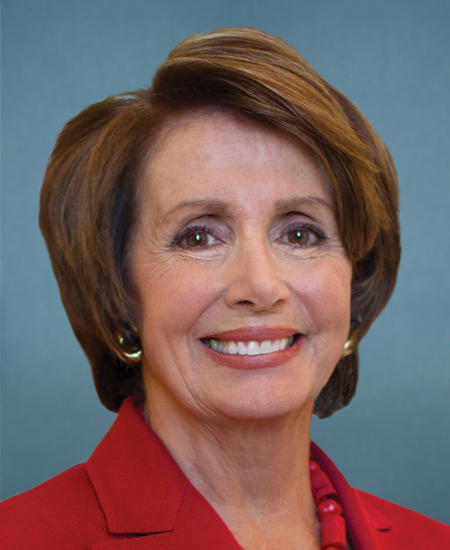
Nancy Pelosi
Nancy Pelosi House · District 11
D
Strong +
86% 22
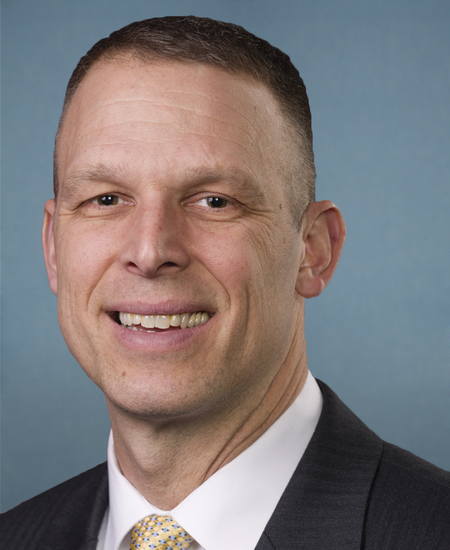
Scott Perry
Scott Perry House · District 10
R
Strong −
14% 21
AA
Alan Armstrong Senate
R
Strong −
17% 29
Rand Paul
Rand Paul Senate
R
Strong −
17% 46
Josh Hawley
Josh Hawley Senate
R
Strong −
18% 45
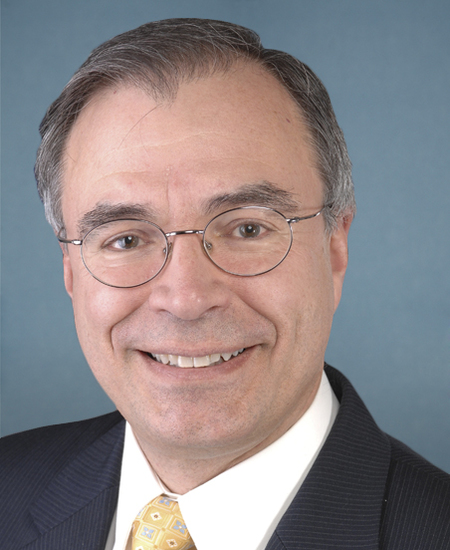
Andy Harris
Andy Harris House · District 1
R
Strong −
18% 22
Showing 1,141–1,150 of 1,447 bills

All technology bills

in committee · United States · House Apr 22, 2026

HR 4920: BIS IT Modernization Act

This bill requires the Bureau of Industry and Security (BIS) to modernize its outdated information technology systems by 2030, focusing on streamlining export license reviews and enhancing national security monitoring. Key provisions include replacing legacy systems with a unified platform for case management, adopting advanced data analytics tools to track military-related trade patterns, and improving data sharing with industry and government partners. It directly affects BIS operations, industry stakeholders using export systems, and federal agencies collaborating on security enforcement. The bill authorizes $25 million annually (2026-2029) for this modernization, aiming to reduce manual processing, strengthen cybersecurity, and improve efficiency in reviewing entities on the Entity List.
Sub-Topics Cybersecurity
in committee · United States · House Jul 24, 2025

HR 4686: LIFT Act of 2025

The LIFT Act of 2025 streamlines regulations for drone and eVTOL (electric air taxi) operations in the U.S. It requires the Transportation Secretary to create new safety rules enabling routine drone flights beyond visual range (BVLOS) within six months and use AI to speed up approval requests for drone waivers. The bill also establishes a 3-year pilot program giving grants to state, local, tribal, and territorial governments to test eVTOL operations - prioritizing projects using U.S.-manufactured drone technology and focusing on applications like medical response and cargo transport. This directly affects drone operators, local governments implementing air mobility projects, and U.S. drone manufacturers by accelerating regulatory approvals and funding for safe integration into national airspace.
passed · United States · House Apr 29, 2025

HR 2399: Rural Broadband Protection Act of 2025

This bill requires the FCC to establish a vetting process for applicants seeking high-cost universal service fund money to deploy rural broadband networks. It mandates that applicants must demonstrate technical, financial, and operational capabilities through detailed proposals, including documentation showing they can meet performance standards and have a viable business plan. The FCC must evaluate these proposals against established technical standards (like those from the Digital Opportunity Data Collection) and the applicant's history of complying with broadband funding requirements. Penalties for failing to meet pre-authorization requirements must be at least $9,000 per violation or 30% of the funding amount. The bill directly affects entities applying for new broadband funding under the universal service program.
Sub-Topics Broadband Access Data Privacy Telecommunications Tags Rural Communities
in committee · United States · Senate Jul 31, 2025

S 2589: Expanding the VOTE Act

S 2589, the Expanding the VOTE Act, strengthens language access in elections by updating the Voting Rights Act. It clarifies that "voting materials" include digital and printed content (like ballots and instructions) and requires states to provide these in minority languages when populations meet specific thresholds. The bill adds new notice requirements for states near language access thresholds and creates grants to help jurisdictions provide materials for languages not currently covered under Section 203, while establishing special provisions for American Indian and Alaska Native languages. It also directs a study on lowering language minority thresholds and expanding covered languages. This directly affects states, localities, and language minority communities participating in federal elections.
Tags Elections
in committee · United States · Senate Jul 17, 2025

S 2350: Protect DREAMer Confidentiality Act of 2025

This bill requires the Department of Homeland Security (DHS) to keep all personal information from DACA applications confidential. It prohibits sharing this data with U.S. Immigration and Customs Enforcement (ICE), U.S. Customs and Border Protection (CBP), or state/local law enforcement for any purpose other than administering the DACA program. Limited exceptions allow sharing only to prevent fraud, address specific national security threats, or investigate felonies unrelated to immigration status. The law directly protects DACA applicants and recipients by preventing their personal details from being used against them by law enforcement.
in committee · United States · Senate Jul 17, 2025

S 2352: PROTECTED Act

S 2352, the PROTECTED Act, modifies the Equal Credit Opportunity Act to change how financial institutions collect data for small business loans. It requires institutions to inform applicants they aren't obligated to provide certain financial details (like revenue), that their response won't affect credit decisions, and that the data is collected for federal reporting. The bill prohibits institutions from compiling data through visual observation or other indirect methods and bars using applicant response rates to assess compliance. It directly affects financial institutions originating at least 2,500 small business loans annually (with $1 billion+ in assets) and small businesses with under $1 million in annual revenue. The law includes a 2-year safe harbor period before enforcement begins.
Tags Small Business
in committee · United States · Senate Jun 25, 2025

S 2168: Drones for America Act

The Drones for America Act increases tariffs on drones and drone parts imported from China, starting at 30% and rising to 45% over four years. It requires documentation proving drones and parts don't contain Chinese components, with these requirements taking effect in 2028 for drones and 2031 for parts. The bill creates a grant program funded by these tariffs to help first responders, farmers, ranchers, and critical infrastructure providers purchase secure drone systems. It also supports U.S. manufacturers of drone components through workforce development and capacity building. The legislation aims to strengthen U.S. drone supply chains by reducing reliance on Chinese-made components.
Sub-Topics Emerging Technology
in committee · United States · House May 15, 2025

HR 3435: Federal Cyber Workforce Training Act of 2025

The Federal Cyber Workforce Training Act of 2025 establishes a Federal Institute to train federal employees in cybersecurity roles and human resources staff managing cybersecurity positions. The Institute will develop role-specific training modules - including hands-on exercises and assessments - based on the NICE cybersecurity framework, offering both in-person and virtual options without requiring a cybersecurity degree. The National Cyber Director must submit a detailed implementation plan to Congress within 180 days, and the Institute will operate without new funding, leveraging existing federal resources. This training aims to enhance skills for entry-level cybersecurity roles, support mid-career transitions, and improve hiring practices for federal cybersecurity personnel.
Sub-Topics Cybersecurity
passed · United States · House Nov 18, 2025

HR 2659: Strengthening Cyber Resilience Against State-Sponsored Threats Act

HR 2659 creates a federal task force to address cyber threats from China's state-sponsored actors, specifically targeting groups like Volt Typhoon identified in a 2024 CISA advisory. The task force, led by CISA and FBI directors, coordinates federal agencies responsible for critical infrastructure security to detect and respond to cyberattacks. It must produce annual reports - including classified assessments of infrastructure risks and recommendations - to Congress within 540 days of formation and for five years after. These reports will guide federal efforts to protect critical infrastructure (like energy grids and transportation systems) and inform owners/operators through a public awareness campaign.
Sub-Topics Cybersecurity
in committee · United States · House Feb 4, 2025

HR 912: 9–8–8 Lifeline Cybersecurity Responsibility Act

This bill requires the National Suicide Prevention Lifeline (9-8-8 hotline) program to address cybersecurity vulnerabilities and report incidents. It mandates that the program’s network administrator and participating local crisis centers must report identified security weaknesses or cyber incidents to federal officials within a reasonable time, while protecting user privacy. The law also requires a study by the Comptroller General within 180 days to evaluate cybersecurity risks specific to the 9-8-8 system. These changes directly affect the federally funded 9-8-8 hotline program and its local crisis centers.
Showing 1,141 to 1,150 of 1,447 bills