Issue · Labor & Employment

Labor & Employment

Every labor & employment bill, vote, and legislator stance in United States, automatically classified by Maddy, our AI policy reader.

Total bills
1,420
119th Congress
Top supporter
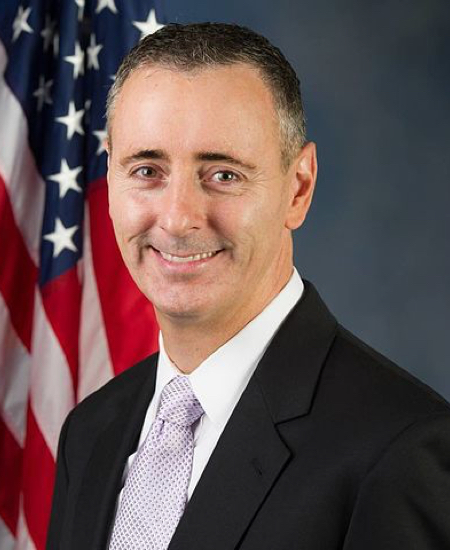
Brian K. Fitzpatrick
93% support rate
Top opponent
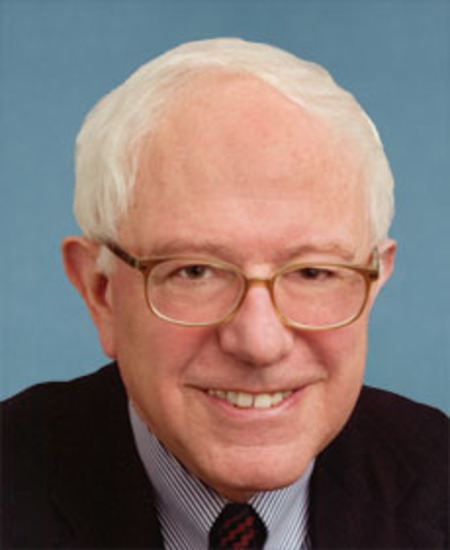
Bernard Sanders
27% support rate
Ranked legislators
10
5 support · 5 oppose
Key legislators

Who's moving labor & employment in United States

Legislators moving labor & employment in United States
Legislator Party Stance Support rate Decisive votes
Brian K. Fitzpatrick
Brian K. Fitzpatrick House · District 1
R
Strong +
93% 14
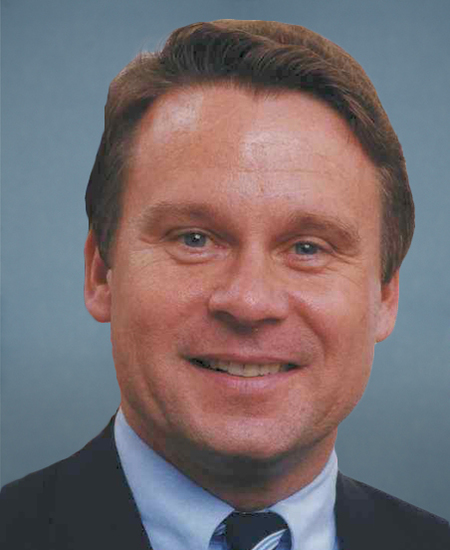
Christopher H. Smith
Christopher H. Smith House · District 4
R
Strong +
93% 14
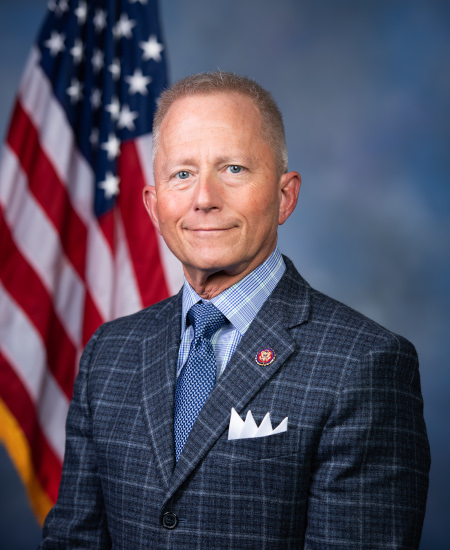
Jefferson Van Drew
Jefferson Van Drew House · District 2
R
Strong +
93% 14
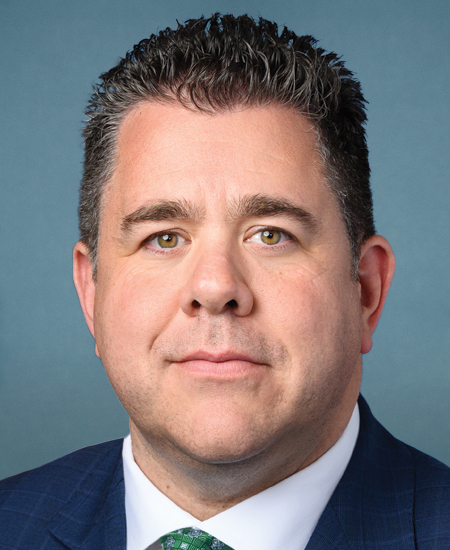
Nick LaLota
Nick LaLota House · District 1
R
Strong +
93% 14
Robert P. Bresnahan, Jr.
Robert P. Bresnahan, Jr. House · District 8
R
Strong +
93% 14
Bernard Sanders
Bernard Sanders Senate
I
Oppose
27% 11
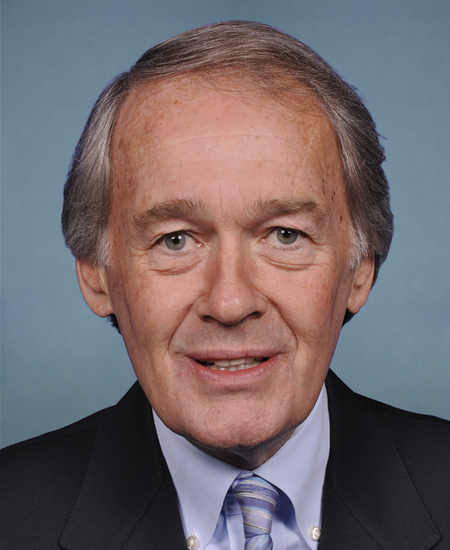
Edward J. Markey
Edward J. Markey Senate
D
Oppose
27% 11
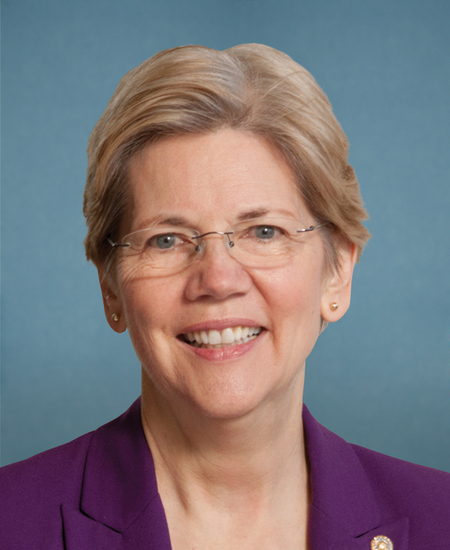
Elizabeth Warren
Elizabeth Warren Senate
D
Oppose
27% 11
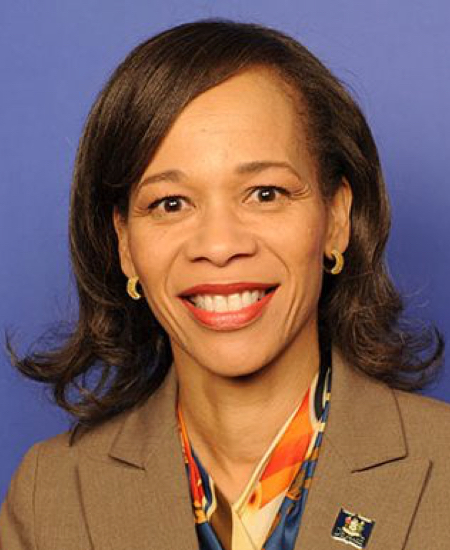
Lisa Blunt Rochester
Lisa Blunt Rochester Senate
D
Oppose
27% 11
Chip Roy
Chip Roy House · District 21
R
Oppose
29% 14
Showing 811–820 of 1,420 bills

All labor & employment bills

in committee · United States · Senate May 12, 2025

S 1707: Helping Young Americans Save for Retirement Act

The Helping Young Americans Save for Retirement Act (S 1707) lowers the minimum age for joining employer retirement plans, such as 401(k)s, from 21 to 18. Young workers aged 18 or older can now participate if they work at least 500 hours in two consecutive 12-month periods. The bill amends federal retirement laws (ERISA) and tax code provisions to implement this change, directly affecting new workers entering the workforce. These provisions will apply to retirement plan years starting one year after the bill becomes law.
in committee · United States · Senate Apr 30, 2025

S 1526: Retirement Savings for Americans Act of 2025

The Retirement Savings for Americans Act of 2025 would establish a new government-managed retirement savings program called the American Worker Retirement Fund, primarily for workers without access to employer-sponsored retirement plans. It would automatically enroll eligible workers at a 3% contribution rate (with the option to opt-out) and provide a government match tax credit of up to 5% of income for contributions. The fund would be invested in various options including government securities, fixed-income, and stock index funds, managed by an independent board of experts. Participants would have access to their funds at retirement age with multiple withdrawal options, and the program would include financial literacy requirements to help participants make informed decisions. This program would directly affect qualifying workers (employees without retirement plans or independent contractors without retirement plans) and participating employers who would be required to enroll eligible workers.
in committee · United States · House May 7, 2025

HR 3254: Disaster Relief for Farm Workers Act

This bill creates annual emergency grants for farm workers affected by covered disasters. It directly helps migrant and seasonal farm workers who lose income or cannot work due to events like hurricanes, wildfires, pandemics, or extreme weather. Grants fund immediate relief (food, shelter), rebuild community capacity, and support long-term resilience against future disasters. Eligible organizations, including farm worker groups or qualified nonprofits, receive funds to distribute aid without time limits.
Tags Agriculture
in committee · United States · House Aug 22, 2025

HR 5019: CEO Accountability and Responsibility Act

HR 5019, the CEO Accountability and Responsibility Act, would require publicly traded corporations to pay higher federal income taxes based on their CEO-to-median-employee pay ratio. Specifically, corporations with a ratio exceeding 100:1 would face incremental tax rate increases (up to 3 percentage points for ratios over 400:1), with additional tax hikes if they reduce U.S. full-time staff while increasing contracted or foreign workers. The bill also directs federal agencies to prioritize contracting with companies maintaining a pay ratio below 50:1. These provisions directly affect publicly traded corporations subject to U.S. income tax, altering their tax liability based on pay equity metrics rather than revenue or profits.
in committee · United States · House Sep 8, 2025

HR 5209: HOPE for Haitian Prosperity Act of 2025

This bill extends preferential U.S. trade benefits for Haitian exports until 2037 (previously ending in 2025) under the Caribbean Basin Economic Recovery Act. It requires Haitian producers to comply with core labor standards and Haitian labor laws related to minimum wages, working hours, and safe conditions to maintain these benefits. The bill also creates a new technical assistance program where the U.S. Trade Representative will work with Haitian government agencies, businesses, labor groups, and trade support institutions to boost exports - focusing on agricultural processing, apparel sector competitiveness, and export strategy development. These changes directly affect Haitian exporters seeking U.S. trade preferences and U.S. agencies administering trade programs.
Sub-Topics Labor Standards
in committee · United States · Senate Mar 13, 2025

S 1048: Connecting Small Businesses with Career and Technical Education Graduates Act

This bill requires Small Business Development Centers and Women’s Business Centers to provide new services connecting small businesses with career and technical education (CTE) program graduates. Specifically, it mandates that these centers help small businesses hire CTE graduates and assist CTE graduates in starting their own small businesses. The law amends the Small Business Act to add these explicit duties to existing program requirements, directly affecting small businesses seeking skilled workers and CTE graduates entering entrepreneurship. The policy change focuses on strengthening workforce pipelines by integrating CTE education outcomes with small business needs.
Sub-Topics Career & Technical Education Workforce Development Tags Small Business
in committee · United States · Senate Feb 27, 2025

S 802: Pay Our Coast Guard Act

This bill ensures Coast Guard personnel and support staff continue receiving pay and benefits during specific funding gaps. It directly affects active-duty and reserve Coast Guard members, qualified civilian employees, and contract workers providing essential support. The key mechanism mandates automatic funding - without new appropriations - to cover pay, benefits, death gratuities, funeral costs, and housing allowances for dependents during a "Coast Guard-specific funding lapse" (when Coast Guard funding isn't enacted before a fiscal year starts but Defense funding is covered). This maintains equitable treatment with other military branches during such lapses.
in committee · United States · Senate Feb 5, 2025

S 426: Ensuring Accountability and Dignity in Government Contracting Act of 2025

This bill requires government contractors to report human trafficking incidents during contract performance and submit remedial action plans. It mandates Inspector General investigations when such reports are filed and allows contracting officials to suspend payments until corrective actions are taken. The law directly affects contractors working with agencies like Defense, State, and Homeland Security, imposing new reporting and accountability steps. Additionally, it directs the Office of Management and Budget to assess improvements to anti-trafficking compliance systems within 18 months.
in committee · United States · House Sep 18, 2025

HR 5423: Predatory Truck Leasing Prevention Act of 2025

HR 5423, the Predatory Truck Leasing Prevention Act of 2025, would ban truck companies from using lease-purchase agreements that trap drivers in debt without building equity. It requires the federal government to create new rules within one year to prohibit "predatory" programs where carriers control drivers' work, pay, and debt while denying drivers ownership of the truck. Drivers who signed such agreements after the new rules take effect could seek relief if the terms violated the regulations. This directly affects truck drivers in lease-purchase programs and the trucking companies that use them.
Sub-Topics Gig Economy Freight
in committee · United States · House Apr 2, 2025

HR 2595: Building Child Care for a Better Future Act

The Building Child Care for a Better Future Act (HR 2595) increases federal child care funding to $20 billion for fiscal year 2026 with annual inflation-based increases, plus an additional $5 billion annually for targeted improvements in child care access and quality. It allocates specific portions of funds to Indian tribes (5%) and territories (4%), requiring states and tribes to identify areas with particular child care needs and develop plans to improve workforce, supply, quality, and access through activities like provider training, facility upgrades, and higher wages. The bill mandates regular reporting and evaluations to track how funds improve child care services for low-income families, children with disabilities, dual language learners, and those in rural or high-poverty areas. This legislation directly affects child care providers, low-income families seeking care, and tribal organizations by providing concrete funding mechanisms to address specific child care shortages.
Tags Children
Showing 811 to 820 of 1,420 bills
Previous 1 … 81 82 83 … 142 Next