Issue · Labor & Employment

Labor & Employment

Every labor & employment bill, vote, and legislator stance in United States, automatically classified by Maddy, our AI policy reader.

Total bills
1,439
119th Congress
Top supporter
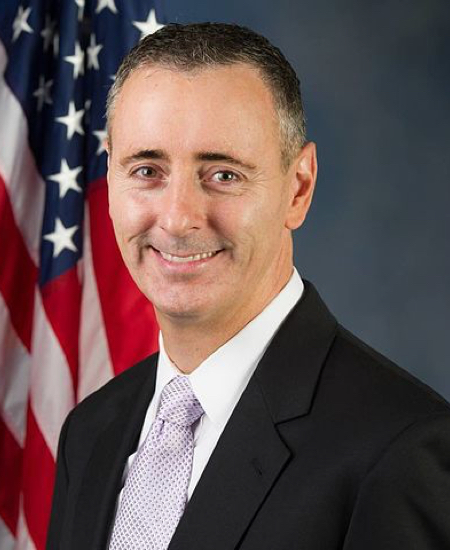
Brian K. Fitzpatrick
93% support rate
Top opponent
Bernard Sanders
23% support rate
Ranked legislators
10
5 support · 5 oppose
Key legislators

Who's moving labor & employment in United States

Legislators moving labor & employment in United States
Legislator Party Stance Support rate Decisive votes
Brian K. Fitzpatrick
Brian K. Fitzpatrick House · District 1
R
Strong +
93% 14
Christopher H. Smith
Christopher H. Smith House · District 4
R
Strong +
93% 14
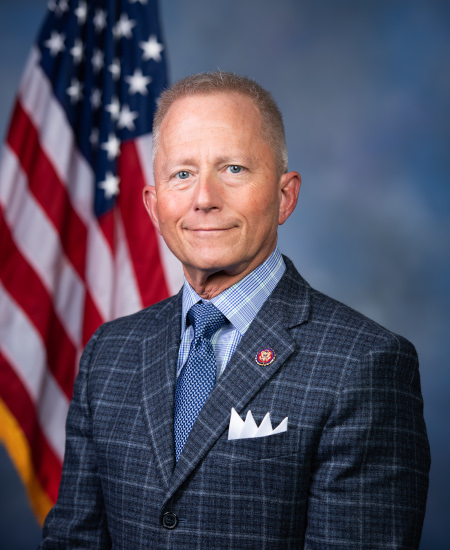
Jefferson Van Drew
Jefferson Van Drew House · District 2
R
Strong +
93% 14
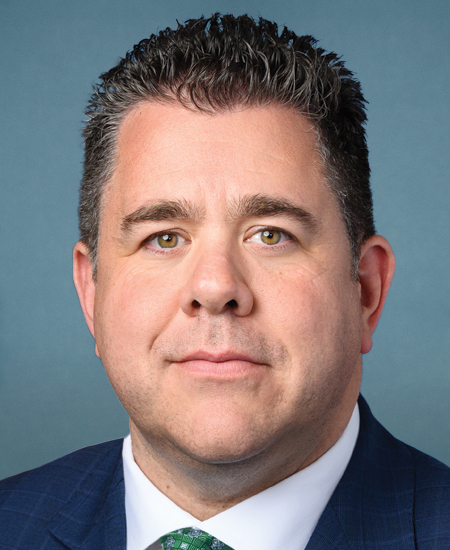
Nick LaLota
Nick LaLota House · District 1
R
Strong +
93% 14
Robert P. Bresnahan, Jr.
Robert P. Bresnahan, Jr. House · District 8
R
Strong +
93% 14
Bernard Sanders
Bernard Sanders Senate
I
Oppose
23% 13
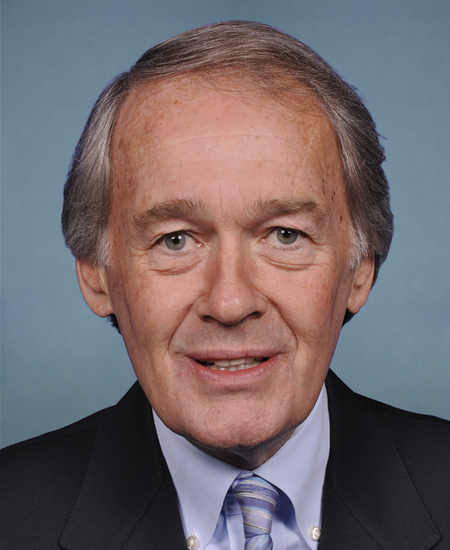
Edward J. Markey
Edward J. Markey Senate
D
Oppose
23% 13
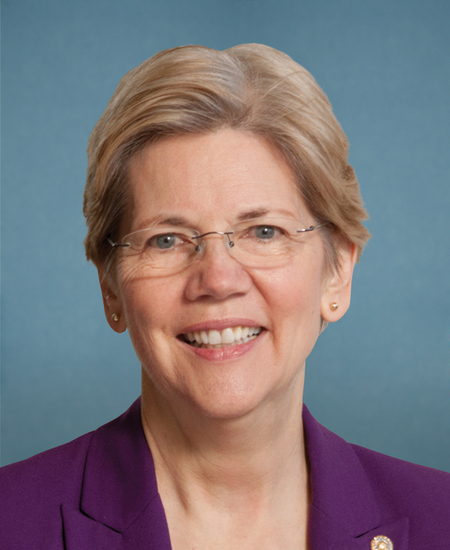
Elizabeth Warren
Elizabeth Warren Senate
D
Oppose
23% 13
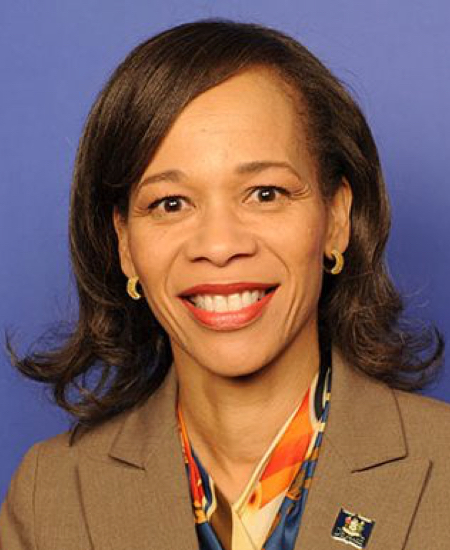
Lisa Blunt Rochester
Lisa Blunt Rochester Senate
D
Oppose
23% 13
Rand Paul
Rand Paul Senate
R
Oppose
25% 12
Showing 681–690 of 1,439 bills

All labor & employment bills

in committee · United States · House Jan 14, 2026

HR 5169: Retire through Ownership Act

This bill amends the definition of "adequate consideration" in retirement law to clarify how Employee Stock Ownership Plans (ESOPs) value company stock. It allows ESOP fiduciaries (plan managers) to rely on independent appraisals that follow IRS guidelines (Revenue Ruling 59-60) when determining the fair value of company stock for retirement decisions. The change directly affects ESOPs and the companies that use them to provide employee retirement benefits. It simplifies the valuation process for these plans by establishing a clear standard for acceptable appraisals.
Sub-Topics Retirement Benefits
in committee · United States · House Aug 26, 2025

HR 5056: Teachers Are Leaders Act of 2025

HR 5056, the Teachers Are Leaders Act of 2025, creates a federal grant program to support teachers in high-need schools who maintain classroom roles while taking on leadership responsibilities. The bill provides funding for eligible school district-university partnerships to offer teachers one year of professional development leading to a teacher leadership credential, plus up to two additional years of support. This includes training in areas like curriculum development, peer coaching, and cultural competencies, with selection criteria requiring at least three years of teaching experience and certification. Grants cover 50% of stipends in the first two years and 33% in the third year, and teachers may repay credential costs if they leave the program early. The program directly affects classroom teachers in high-need schools and aims to improve student achievement through data-driven instructional practices.
in committee · United States · House Jul 29, 2025

HR 4791: Keep USGS Strong Act

HR 4791, the Keep USGS Strong Act, prevents the U.S. Geological Survey (USGS) from facing hiring freezes, staff cuts, or lease cancellations without approval, specifically exempting it from a January 2025 presidential hiring freeze and related restrictions. This protects USGS employees and operations when Congress has appropriated funds for their salaries and expenses. The bill directly affects USGS staff and its ability to maintain ongoing scientific work critical to monitoring natural hazards, water resources, ecosystems, and geospatial data used by communities and agencies nationwide. It ensures continuity in the USGS’s essential data collection and research, which supports public safety, environmental management, and informed decision-making.
in committee · United States · House Sep 19, 2025

HR 5531: Career and Technical Education Access Act

HR 5531, the Career and Technical Education Access Act, creates a voluntary federal grant program for states to establish, expand, or improve career and technical education (CTE) programs in public secondary schools. It directly affects students in underserved communities, rural areas, and opportunity youth by requiring states to align CTE programs with local job markets through workforce assessments and mandating industry partnerships, work-based learning, and automatic college credit transfer. Key mechanisms include competitive grants for building CTE facilities, developing online/hybrid programs, and creating CTE Pell Grants to cover costs for certifications, apprenticeships, and dual-enrollment courses. States must report annually on student outcomes like graduation rates, job placements, and credential attainment to ensure accountability.
in committee · United States · House Aug 15, 2025

HR 4973: Fulbright Teacher’s Loan Forgiveness Act

This bill amends the Higher Education Act to include Fulbright Teacher Exchange Program and Fulbright English Teaching Assistant Program participation as qualifying public service employment for student loan forgiveness. It directly affects teachers who serve in these Fulbright programs, allowing them to count their service toward existing loan cancellation benefits under the public service repayment plan. The key provision adds a specific definition to the law, treating Fulbright teaching roles as equivalent to other public service jobs for loan forgiveness eligibility. This change expands access to an existing program without altering the core loan forgiveness mechanism. The bill does not create new benefits but makes Fulbright teaching service eligible under current rules.
in committee · United States · House Aug 1, 2025

HR 4871: COVID–19 Military Backpay Act of 2025

HR 4871, the COVID-19 Military Backpay Act of 2025, allows military members discharged for non-compliance with the 2021 Department of Defense COVID-19 vaccination mandate to seek legal remedies. It provides a pathway for affected service members (active/reserve, National Guard) to file civil actions in the Court of Federal Claims, arguing their discharges were involuntary. If successful, the court can award compensation for missed inactive-duty training, retroactively count service time toward retirement (including 20-year or 18-year milestones), restore retirement benefits, and deem members eligible for reenlistment with two additional years of service. The bill specifically restores benefits like retirement pay and medical care that were lost due to the discharge, without reducing compensation for civilian employment earned afterward.
in committee · United States · House Aug 26, 2025

HR 5043: Bringing Benefits Back Act of 2025

HR 5043, the Bringing Benefits Back Act of 2025, repeals specific provisions from a prior reconciliation law (Public Law 119-21) related to title I and title VII. It restores any laws amended by those repealed provisions to their original state as if the changes had never occurred. The bill does not create new benefits or directly affect specific groups, but rather reverses prior legislative changes to existing laws. As a procedural repeal, it focuses on returning legal text to its pre-reconciliation status without altering substantive policy. The exact laws or beneficiaries affected are not specified in the provided text.
in committee · United States · House Aug 19, 2025

HR 5002: Protect Americans from Climate Disasters Act

This bill requires the National Oceanic and Atmospheric Administration (NOAA) to restore full staffing levels within 30 days of enactment, including reinstating employees terminated between January 20, 2025, and the bill's passage. It mandates the immediate reinstatement of specific NOAA programs, including the discontinued "Billion-Dollar Weather and Climate Disasters" product and two environmental databases tracking ocean currents and marine buoys. The bill allocates $6.756 billion in funding for NOAA's operations through fiscal year 2026 to support these staffing and program restorations. It directly affects NOAA employees, state/local emergency response efforts, and the public relying on NOAA's weather forecasting and disaster data for safety planning.
Sub-Topics Natural Disasters
in committee · United States · House Feb 11, 2026

HR 4671: Ensuring Casualty Assistance for our Firefighters Act

HR 4671 establishes a Wildland Fire Management Casualty Assistance Program to support families of firefighters and wildland fire support personnel injured or killed in the line of duty. The program requires the Secretary of the Interior to develop procedures for notifying next-of-kin about critical injuries or deaths, reimbursing travel expenses for family visits, and providing centralized case management. It mandates a centralized website offering free, personalized information about federal benefits and complaint mechanisms for survivors. The bill also defines "next-of-kin" priority (spouse, children, parents, etc.) and requires data collection on casualty assistance quality, without affecting existing Line of Duty Death benefits.
in committee · United States · House Sep 26, 2025

HR 5612: Cost-of-Living Fairness Act

This bill allows individuals applying for government benefits to deduct certain insurance costs from their reported income when determining eligibility. It covers auto insurance for vehicle owners, home/renter insurance, and flood insurance for primary residences. These deductions apply to both federal programs (like SNAP or Medicaid) and state/local programs receiving federal funding. The change directly affects people seeking assistance by reducing their counted income for benefit calculations.
Sub-Topics Medicaid
Showing 681 to 690 of 1,439 bills
Previous 1 … 68 69 70 … 144 Next