Issue · Labor & Employment

Labor & Employment

Every labor & employment bill, vote, and legislator stance in United States, automatically classified by Maddy, our AI policy reader.

Total bills
1,439
119th Congress
Top supporter
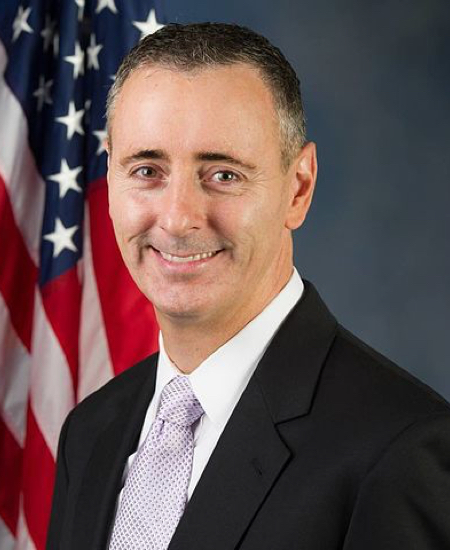
Brian K. Fitzpatrick
93% support rate
Top opponent
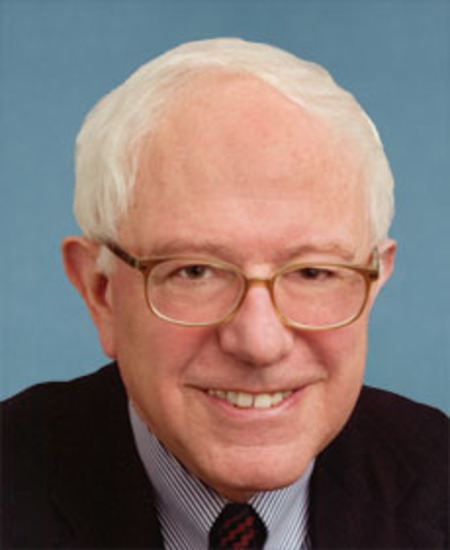
Bernard Sanders
23% support rate
Ranked legislators
10
5 support · 5 oppose
Key legislators

Who's moving labor & employment in United States

Legislators moving labor & employment in United States
Legislator Party Stance Support rate Decisive votes
Brian K. Fitzpatrick
Brian K. Fitzpatrick House · District 1
R
Strong +
93% 14
Christopher H. Smith
Christopher H. Smith House · District 4
R
Strong +
93% 14
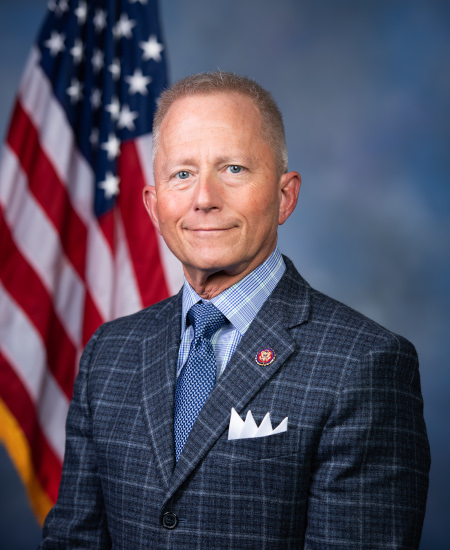
Jefferson Van Drew
Jefferson Van Drew House · District 2
R
Strong +
93% 14
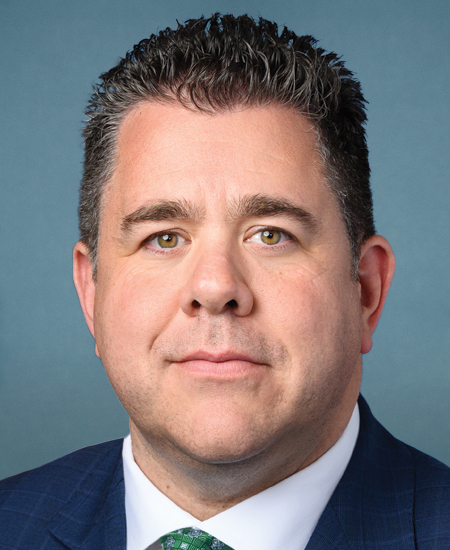
Nick LaLota
Nick LaLota House · District 1
R
Strong +
93% 14
Robert P. Bresnahan, Jr.
Robert P. Bresnahan, Jr. House · District 8
R
Strong +
93% 14
Bernard Sanders
Bernard Sanders Senate
I
Oppose
23% 13
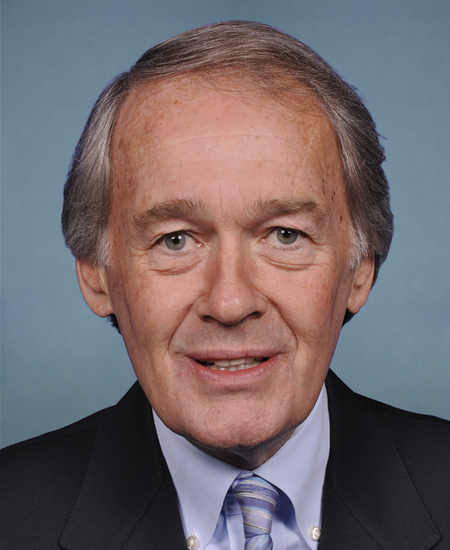
Edward J. Markey
Edward J. Markey Senate
D
Oppose
23% 13
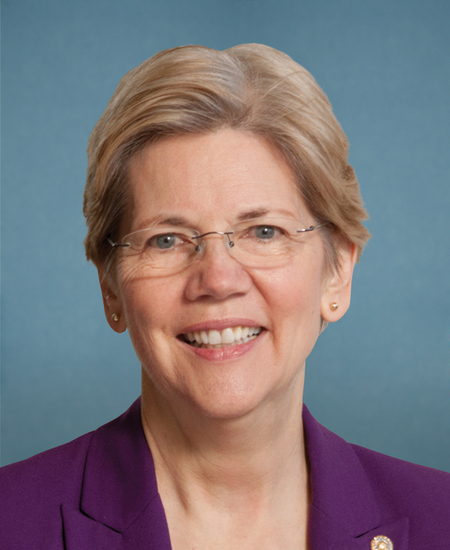
Elizabeth Warren
Elizabeth Warren Senate
D
Oppose
23% 13
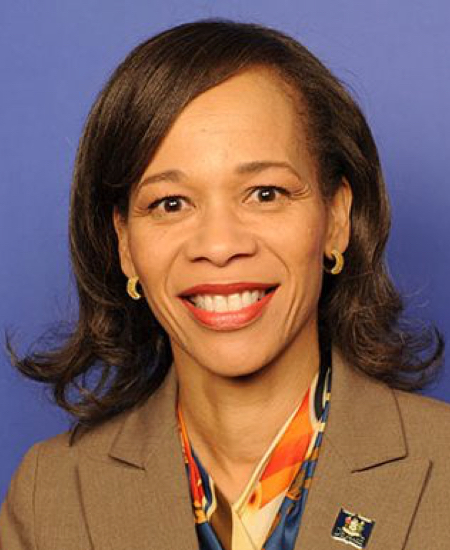
Lisa Blunt Rochester
Lisa Blunt Rochester Senate
D
Oppose
23% 13
Rand Paul
Rand Paul Senate
R
Oppose
25% 12
Showing 631–640 of 1,439 bills

All labor & employment bills

in committee · United States · House May 8, 2025

HR 3305: LEO Fair Retirement Act of 2025

The LEO Fair Retirement Act of 2025 allows federal law enforcement officers to include unpaid overtime hours in their retirement benefit calculations. Currently, pay caps prevent officers from being compensated for all overtime worked, meaning they miss out on retirement credit for those hours. To qualify, officers must make a lump-sum payment (or choose a reduced monthly annuity) to cover the retirement contributions they would have made if paid, based on their actual overtime hours. This applies to officers covered by the Civil Service Retirement System (CSRS) or Federal Employees Retirement System (FERS), and the bill also provides a tax credit for the lump-sum payment.
in committee · United States · House May 7, 2025

HR 3241: Defense Workforce Integration Act of 2025

HR 3241, the Defense Workforce Integration Act of 2025, creates pathways for military personnel medically disqualified from service to transition into civilian defense jobs. It requires the Defense Department to establish a process within one year for entry-level service members (like those in basic training or ROTC) who can't serve due to medical reasons to qualify for civilian roles in the Department of Defense. The bill also mandates a new program to connect medically disqualified individuals with employment opportunities in the defense industrial base, cybersecurity, research, and other national security support roles. Additionally, it directs the Navy to provide career information about Military Sealift Command and shipbuilder training to personnel during transition assistance. The Secretary of Defense must report on implementation to Congress within one year.
in committee · United States · House Apr 8, 2025

HR 2711: Invest to Protect Act of 2025

The Invest to Protect Act of 2025 establishes a $50 million annual grant program (2027-2031) for local governments employing fewer than 175 law enforcement officers, including counties, municipalities, and Tribal governments. Grants fund de-escalation training, victim-centered domestic violence response training, evidence-based safety training for scenarios like mental health crises or active shooters, recruitment/retention bonuses (capped at 20% of salary), and mental health resources for officers. Recipients must report on program use, disclose bonus amounts publicly, and comply with audits to prevent misuse of funds. The bill aims to improve officer safety and community relations through targeted support for smaller law enforcement agencies.
Sub-Topics Domestic Violence Law Enforcement Mental Health Tags Public Safety
in committee · United States · House Apr 10, 2025

HR 2830: Public Safety Officer Concussion and Traumatic Brain Injury Health Act of 2025

HR 2830, the Public Safety Officer Concussion and Traumatic Brain Injury Health Act of 2025, requires the CDC to collect and publicly share data on concussions and traumatic brain injuries (TBIs) affecting public safety officers (including firefighters, police, and emergency responders). The bill directs the CDC to update its website and develop outreach materials to share this information with medical professionals, public safety employers, mental health providers, patients/families, and researchers. Key provisions include compiling evidence-based practices for diagnosis, treatment, and prevention, and consulting with affected groups to ensure the information meets their needs. This bill creates a centralized information resource but does not mandate new treatments or funding for specific programs.
Sub-Topics Mental Health Tags Public Safety
in committee · United States · House Apr 10, 2025

HR 2845: PROSPECT Act

The PROSPECT Act creates federal grants to provide free, high-quality infant and toddler child care for student parents attending community colleges and minority-serving institutions. It authorizes four types of grants: planning grants to assess child care needs, access grants to provide direct child care (with a goal of serving 500,000 children), impact grants to expand community child care capacity, and pipeline grants to develop child care worker training programs. The access grants require child care centers to provide nontraditional hours, support for dual language learners, and ensure staff wages are comparable to elementary educators. The bill aims to reduce barriers to education completion for student parents, who are nearly twice as likely to leave college before graduating compared to students without children. The legislation includes detailed reporting requirements on student persistence rates, child care access, and demographic data to track the program's impact.
in committee · United States · House May 1, 2025

HR 3171: Reduction in Force Review Act

HR 3171, the Reduction in Force Review Act, requires federal agencies to provide detailed justifications before implementing workforce reductions. It directly affects agencies conducting reductions in force under specific federal workforce rules (subchapter I of chapter 35), mandating they include five specific elements: the specific reasons for the reduction, its impact on employees and operations, alternatives considered and rejected, summaries of consultations with affected employees and their representatives, and how veterans will be impacted. The bill adds these requirements to the existing Congressional review process for agency workforce actions under Title 5 of the U.S. Code. This creates a standardized transparency framework for agency decisions affecting federal workers.
Sub-Topics Public Employees
in committee · United States · House May 7, 2025

HR 3226: Law Enforcement Officers Equity Act

The Law Enforcement Officers Equity Act expands federal retirement benefits to include specific non-traditional law enforcement roles, such as IRS tax collection officers, U.S. Postal Inspection Service employees, Department of Veterans Affairs police, and certain U.S. Customs and Border Protection seized property specialists. It directly affects current and future federal workers in these positions who were previously excluded from law enforcement retirement benefits under the Federal Employees Retirement System and Civil Service Retirement System. The bill allows current employees (incumbents) to elect to count prior service toward retirement by paying a deposit covering the difference in retirement contributions, with government contributions made over 10 years. It also temporarily exempts law enforcement officers from mandatory separation for three years after enactment.
passed · United States · House Sep 9, 2025

HR 2591: Mental Health in Aviation Act of 2025

The Mental Health in Aviation Act of 2025 requires the Federal Aviation Administration (FAA) to update regulations within two years to encourage pilots and air traffic controllers to seek mental health care and disclose conditions without fear of losing medical clearance. It mandates annual reviews to improve the medical clearance process for mental health conditions - such as approving additional safe medications, enhancing examiner training, and reducing backlogs - and allocates $13.74 million yearly (2026-2029) to hire more aviation medical examiners. The bill also directs the FAA to implement recommendations from a mental health rulemaking committee and fund a public campaign to reduce stigma around mental health care in aviation. These provisions aim to support aviation workers' well-being while streamlining safety-related medical evaluations.
Sub-Topics Mental Health Airports
in committee · United States · House Apr 28, 2025

HR 3042: MMEDS Act of 2025

The MMEDS Act of 2025 creates tax credits for medical manufacturers operating in economically distressed zones (areas with high poverty rates) to encourage job creation and medical manufacturing in these communities. It provides a 40% tax credit for wages, employee benefits, and facility costs related to medical manufacturing in these zones, with higher credits (60%) for facilities that repatriated manufacturing from foreign countries or produce "population health products" for vulnerable populations. The bill establishes a process for designating economically distressed zones based on poverty rates and requires states to submit strategic development plans. The tax credits apply to taxable years beginning after December 31, 2024.
Sub-Topics Tax Credits Tax Incentives Tags Economic Development
in committee · United States · House Apr 7, 2025

HR 2696: Retirement Savings for Americans Act of 2025

The Retirement Savings for Americans Act of 2025 creates a new retirement savings program called the American Worker Retirement Fund to help workers without access to employer-sponsored retirement plans. It requires businesses to automatically enroll qualifying workers (those without existing retirement plans) at a 3% contribution rate, with the option to opt out. The program includes a government match tax credit that provides up to 5% of a worker's income as matching contributions, phasing out for higher earners. The Fund will be managed by a Board and Executive Director, offering multiple investment options and maintaining accounts until retirement or withdrawal.
Showing 631 to 640 of 1,439 bills
Previous 1 … 63 64 65 … 144 Next