Issue · Labor & Employment

Labor & Employment

Every labor & employment bill, vote, and legislator stance in United States, automatically classified by Maddy, our AI policy reader.

Total bills
144
119th Congress
Top supporter
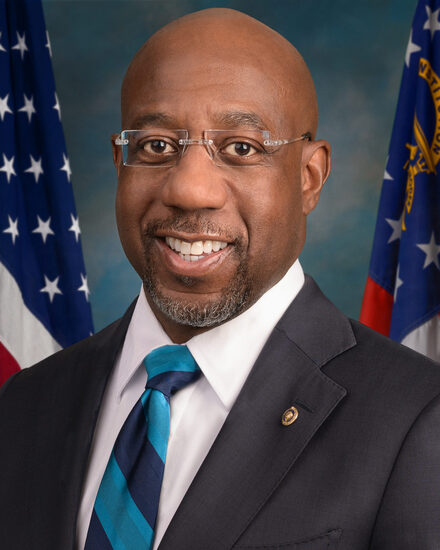
Raphael G. Warnock
100% support rate
Top opponent
Eric Burlison
31% support rate
Ranked legislators
10
5 support · 5 oppose
Key legislators

Who's moving labor & employment in United States

Legislators moving labor & employment in United States
Legislator Party Stance Support rate Votes
Raphael G. Warnock
Raphael G. Warnock Senate
D
Strong +
100% 211
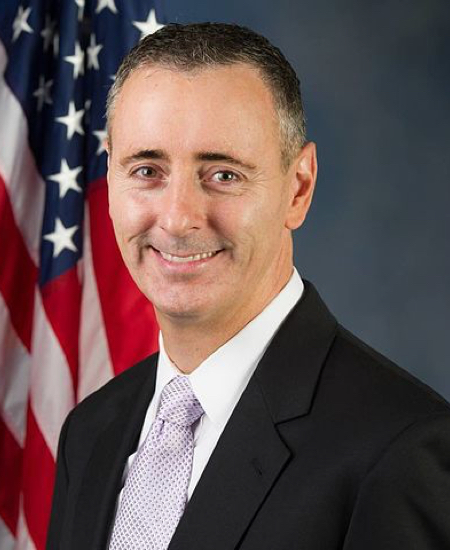
Brian K. Fitzpatrick
Brian K. Fitzpatrick House · District 1
R
Strong +
92% 194
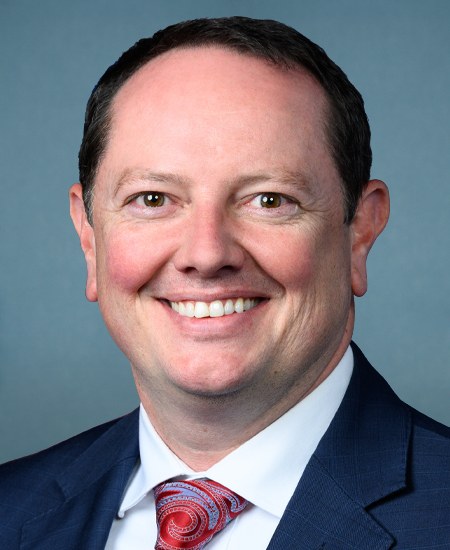
Robert P. Bresnahan, Jr.
Robert P. Bresnahan, Jr. House · District 8
R
Strong +
92% 197
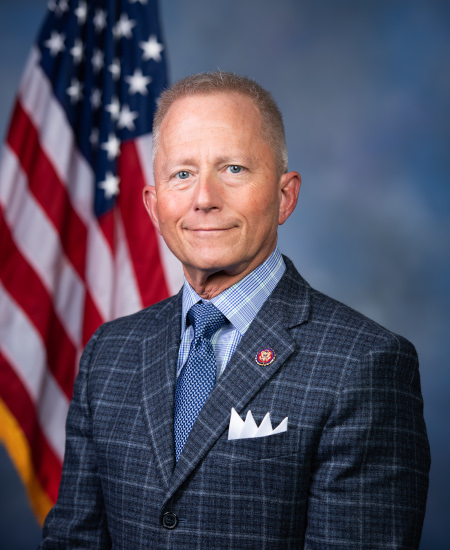
Jefferson Van Drew
Jefferson Van Drew House · District 2
R
Strong +
92% 197
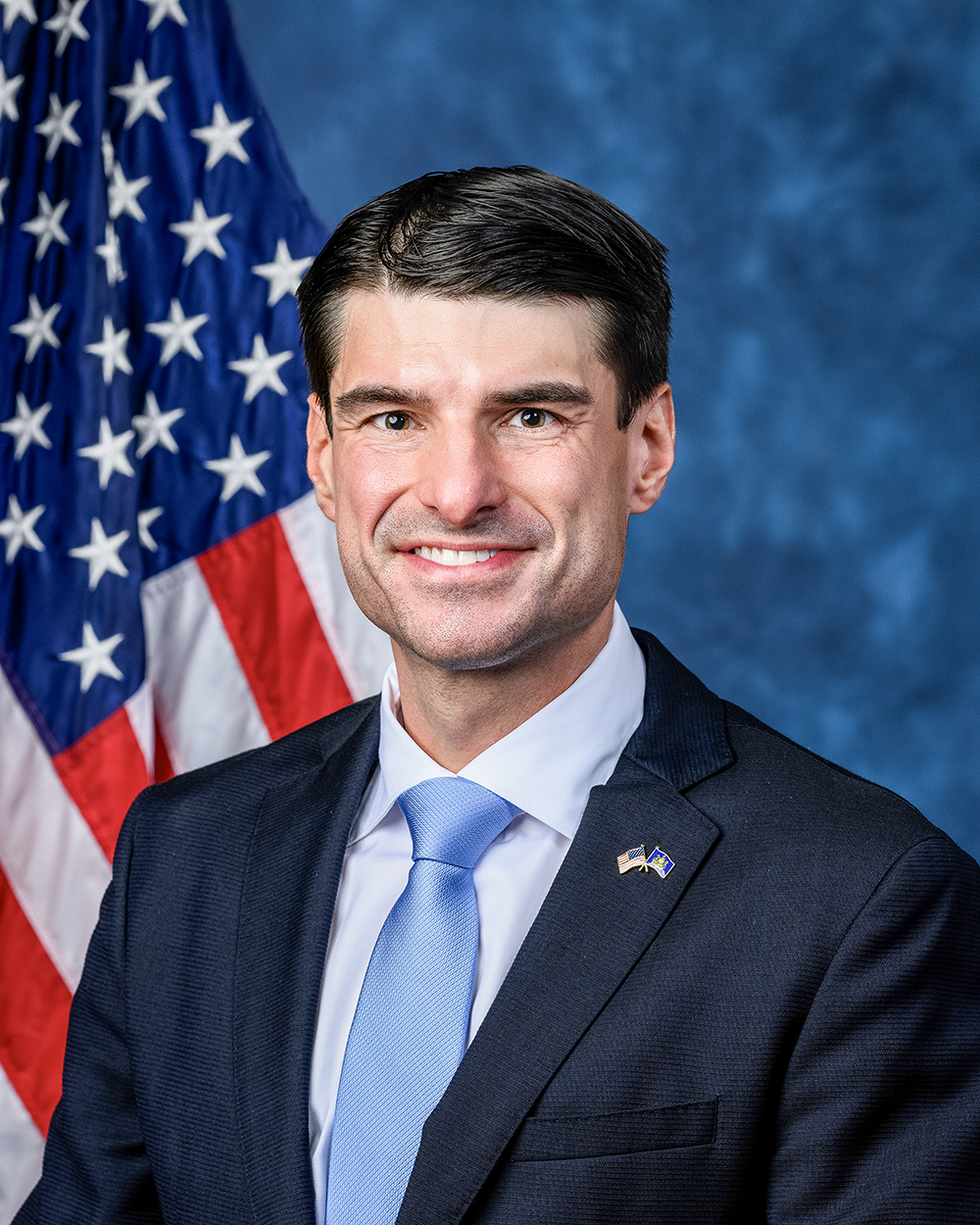
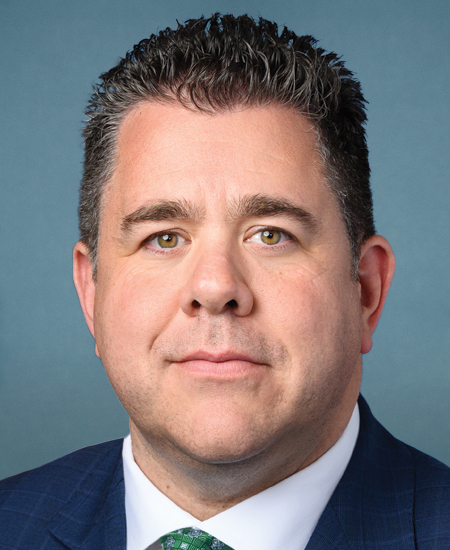
Nick LaLota
Nick LaLota House · District 1
R
Strong +
92% 195
Eric Burlison
Eric Burlison House · District 7
R
Oppose
31% 197
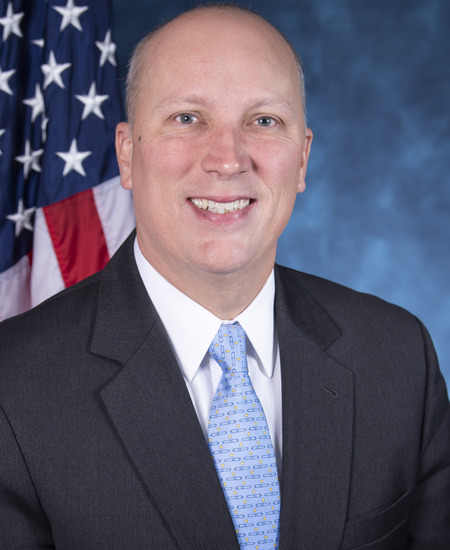
Chip Roy
Chip Roy House · District 21
R
Oppose
31% 190
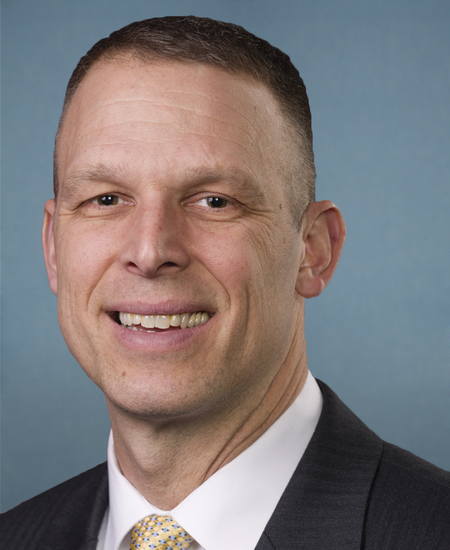
Scott Perry
Scott Perry House · District 10
R
Oppose
31% 194
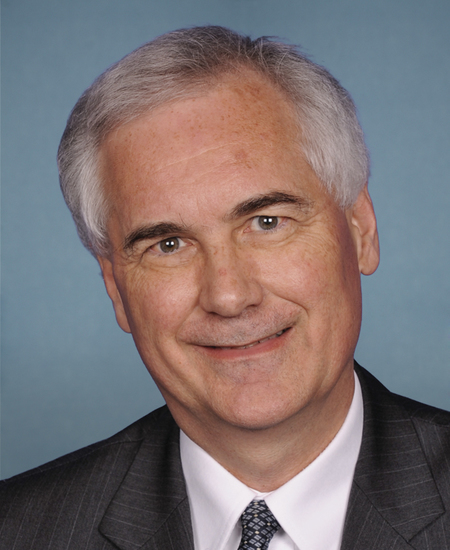
Tom McClintock
Tom McClintock House · District 5
R
Oppose
31% 190
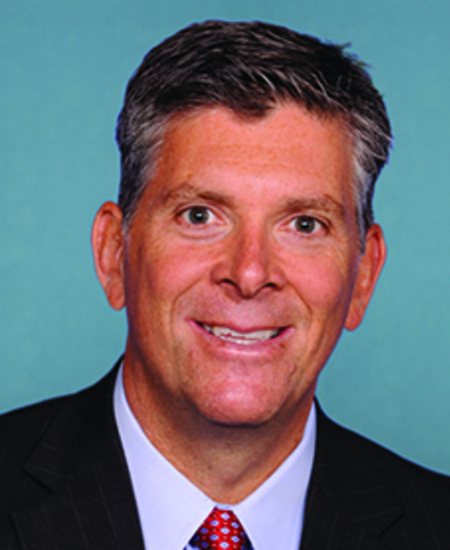
Darin LaHood
Darin LaHood House · District 16
R
Oppose
33% 175
Showing 51–60 of 144 bills

All labor & employment bills

in committee · United States · House Jan 23, 2025

HR 697: End the Deep State Act

HR 697 (the "End the Deep State Act") creates a new "Schedule Policy/Career" for federal positions involving confidential, policy-making, or policy-advocating work that are not typically replaced during presidential transitions. Agencies must review their roles by 2025 to identify such positions for this streamlined hiring process, which bypasses standard competitive exams and reduces civil service protections for these roles. The bill revokes a 2021 executive order protecting federal workforce hiring practices and requires agencies to adjust appointment rules accordingly. This affects thousands of federal employees in policy-focused roles across executive agencies, shifting their classification from competitive hiring to a non-competitive, politically aligned appointment system.
Sub-Topics Public Employees
in committee · United States · House Feb 10, 2025

HR 1172: No Social Security for Illegal Aliens Act of 2025

HR 1172 would amend the Social Security Act to prevent undocumented immigrants from earning Social Security credits for work performed in the U.S. without authorization. It specifically excludes wages earned and self-employment income derived during periods when an individual lacked work authorization from counting toward Social Security benefits. This change applies retroactively to all wages earned before, on, or after the law's enactment, affecting future benefit calculations for undocumented workers. The bill directly impacts individuals working without legal status, ensuring such work does not contribute to their Social Security eligibility or future benefits.
Sub-Topics Work Authorization
in committee · United States · House Jan 28, 2025

HR 800: DEI to DIE Act

HR 800, the "DEI to DIE Act," requires federal agencies to eliminate all diversity, equity, and inclusion (DEI) programs, offices, and policies within 60 days of enactment. It mandates termination of DEI-related positions (like Chief Diversity Officers), equity action plans, DEI training for contractors, and DEI factors in employee performance reviews, directing agencies to instead reward "individual initiative, skills, and performance." The bill requires agencies to report all existing DEI budgets, staff, and contractors providing DEI training since 2021, and to assess the cost and impact of prior DEI programs. This directly affects all federal agencies, their contractors, and grantees who participated in DEI initiatives under the previous administration.
in committee · United States · House Feb 27, 2025

HR 1683: Protecting Rural Seniors’ Access to Care Act

HR 1683 blocks the implementation of a new federal staffing rule for nursing homes (published May 2024) and creates an advisory panel focused on rural nursing home workforce challenges. The bill directly affects rural skilled nursing facilities and seniors who rely on care in these facilities by halting the rule and requiring the panel to assess staffing shortages in rural and underserved areas. The panel, composed of 17 members including rural representatives from nursing staff, facilities, and state boards, must report within 60 days on workforce barriers and recommend solutions to reduce regulatory burdens. Subsequent annual reports will track progress on strengthening the nursing home workforce, particularly in rural communities.
in committee · United States · House Mar 5, 2025

HR 1882: Saving Gig Economy Taxpayers Act

This bill modifies tax reporting rules for gig economy platforms (like Uber or DoorDash) by reinstating a pre-American Rescue Plan threshold. It requires third-party payment platforms to report income to the IRS only if a gig worker earns over $20,000 in a year or completes more than 200 transactions. This directly affects low-earning gig workers who would no longer receive tax forms for smaller earnings. The change simplifies reporting for platforms and reduces administrative burden on workers with minimal income from these platforms.
Sub-Topics Gig Economy
in committee · United States · House Apr 10, 2025

HR 2819: DRIVE Act

HR 2819, the DRIVE Act, prohibits the Federal Motor Carrier Safety Administration from requiring speed limiting devices on trucks weighing over 26,000 pounds operating in interstate commerce. This directly affects commercial truck drivers and carriers that operate large vehicles across state lines. The bill blocks the agency from implementing any rule mandating speed limiters that would cap these trucks' maximum speed. It prevents a potential new federal requirement for trucking companies without altering existing safety standards.
in committee · United States · House Jun 3, 2026

HR 5437: Protection of Lawful Commerce in Stone Slab Products Act

HR 5437, the *Protection of Lawful Commerce in Stone Slab Products Act*, prohibits lawsuits against manufacturers and sellers of stone slab products (like countertops) for injuries caused by silica dust exposure during third-party fabrication (e.g., cutting or grinding by fabricators). It directly affects stone slab manufacturers and sellers by shielding them from civil liability when injuries result from fabricators violating workplace safety laws. The bill’s key provision bans such lawsuits in federal or state courts and requires dismissal of pending cases. It aims to protect this industry, which employs thousands, from claims they cannot control, emphasizing that safety regulations apply to fabricators - not the original sellers.
Sub-Topics Workplace Safety
in committee · United States · House Jan 28, 2026

HR 7248: MARINA Act

HR 7248 (MARINA Act) standardizes fees and lease terms for marinas operating on Corps of Engineers waterways. It caps rent at 1% of marina sales (including food, fuel, and boat services), creates fixed administrative fee tiers ($50,000 for major projects, $5,000 for moderate reviews, $1,000 for routine matters), and sets minimum lease terms at 50 years for initial agreements. The bill also prohibits requiring wages above federal minimum wage and mandates a public fee schedule. It directly affects all marina operators under Corps leases, ensuring consistent pricing and reducing arbitrary fees across all districts.
Sub-Topics Minimum Wage
in committee · United States · House Dec 18, 2025

HR 6854: No Welfare for Non-Citizens Act

HR 6854, the "No Welfare for Non-Citizens Act," would remove all federal public benefit eligibility for non-citizens under current law. It amends the 1996 welfare law by eliminating exceptions that previously allowed certain non-citizens (like "qualified aliens") to access benefits such as cash assistance and unemployment benefits. The bill repeals existing provisions that permitted limited eligibility and explicitly states non-citizens are ineligible for all federal public benefits. This change would directly affect non-citizens without specific immigration statuses, removing their access to programs like SNAP (food stamps) or Temporary Assistance for Needy Families (TANF) that were previously available under limited circumstances.
in committee · United States · House Mar 17, 2026

HR 6084: ERISA Litigation Reform Act

The ERISA Litigation Reform Act (HR 6084) changes how lawsuits under the Employee Retirement Income Security Act (ERISA) are handled, directly affecting retirement and health plan beneficiaries who sue plan fiduciaries over alleged violations. It requires plaintiffs to specifically allege and prove that transactions (like purchases of company stock) aren’t exempt under ERISA rules before proceeding. The bill also temporarily halts discovery (gathering evidence) during early court motions to dismiss, mandates document preservation during this pause, and allows courts to impose penalties for failing to preserve relevant evidence. These changes aim to streamline litigation by reducing early-stage discovery costs and frivolous claims.
Sub-Topics Retirement Benefits
Showing 51 to 60 of 144 bills
Previous 1 5 6 7 15 Next