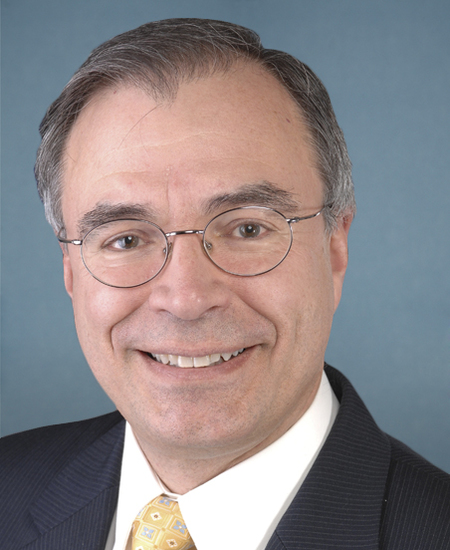
This resolution requires Members of Congress who must reimburse the Treasury for payments related to sexual harassment or discrimination claims to publicly disclose the details of those reimbursements in the House chamber. It mandates that the Office of Congressional Workplace Rights report these cases to the Clerk, who will then read the Member's name, the reimbursement amount, and related information aloud during a House session. Members who fail to comply within 30 days face restrictions on committee assignments and leadership duties, while former Members are barred from entering the House building until they complete reimbursement and undergo the public disclosure process. The measure also establishes that failures to comply with these requirements can be investigated separately by the House Ethics Committee.
The Menstrual Equity For All Act of 2025 requires schools, colleges, correctional facilities, and federal buildings to provide free menstrual products to those who need them. It makes menstrual products covered by Medicaid, prohibits states from taxing these products, and creates grant programs to support low-income individuals. Key provisions include mandating free products in educational settings, requiring employers with 100+ employees to provide them, and expanding Medicaid coverage for these items. The bill directly affects students, incarcerated individuals, homeless people, Medicaid beneficiaries, and low-income families by addressing period poverty through concrete access requirements.
This bill reauthorizes the Workforce Innovation and Opportunity Act to strengthen workforce development programs for youth, adults, and dislocated workers across the United States. It establishes new performance accountability measures requiring states and local areas to meet specific employment and earnings targets, with funding reductions for entities that fail to perform. The legislation creates new funds for critical industry skills training and industry partnerships, expands eligibility for Job Corps to include more age groups and homeless youth, and mandates the use of evidence-based practices and digital tools in workforce services.
This bill establishes a Transit Workforce Center to support the recruitment, training, and retention of skilled frontline public transportation workers. The center would be run by a qualified nonprofit organization selected through federal grants and tasked with developing training programs, educational resources, and technical assistance for transit providers across urban, suburban, rural, and Tribal areas. Key duties include conducting data analytics on workforce trends, facilitating industry dialogues, and promoting outreach to improve job readiness for workers using new technologies. The legislation requires the center to collaborate with the Federal Transit Administration, transit providers, and employee representatives while considering feedback from providers when creating training initiatives.
The Save Struggling Hospitals Act adjusts Medicare reimbursement rates for hospitals in low-wage areas to help them remain financially viable. It directly affects hospitals located in regions where the average hospital wages fall below the 25th percentile nationally. The bill increases the area wage index for these struggling hospitals by half the difference between their current index and the 25th percentile threshold, starting with discharges on or after October 1, 2019. These adjustments are designed to be budget neutral, meaning the increased payments to low-wage hospitals are offset by reductions elsewhere without decreasing payments to hospitals in the top 75th percentile or reducing any hospital's payment by more than 5 percent from the previous year.
The Health Workforce Innovation Act creates a new federal program to fund innovative training models for allied health professionals, such as medical assistants, dental hygienists, and community health workers, with a focus on underserved and rural areas. Eligible applicants include federally qualified health centers, rural health clinics, and accredited vocational programs that must submit detailed plans describing their community-driven approach, geographic service areas, and how they will recruit and retain workers from disadvantaged backgrounds. Funds awarded under this program, capped at $2.5 million per grant, can support partnerships with schools, apprenticeships, training equipment, and infrastructure improvements but cannot be used for construction or to replace existing funding. The Secretary of Health and Human Services will prioritize grants that increase workforce diversity, improve healthcare access, and demonstrate cost-effective replication potential, with funded models required to last at least three years.
This bill, titled the Bonneville Power Leadership Recruitment Act, adjusts the pay scale for the Administrator and employees of the Bonneville Power Administration to match compensation levels at consumer-owned utilities in the Western Interconnection. It requires the Secretary of Energy to conduct an annual survey of utility compensation and set pay rates accordingly, with considerations for recruitment, retention, and the agency's budget and mission goals. The changes apply to the Administrator's basic pay and to Senior Executive Service employees, aiming to make their total compensation competitive with similar private utility positions in the region.
The Workforce Data Quality Initiative Act of 2026 directs the Secretary of Labor to allocate between 5 and 10 percent of available funds to state agencies for creating workforce data systems. These grants are intended to help states build better tools for tracking employment outcomes, standardizing data across programs, and collecting real-time information on emerging skills and job roles. To receive funding, states must submit applications detailing their proposed activities, privacy protections, and plans for sustaining the systems after the grant ends. Priority funding is given to states that have not previously received such grants or to multi-state partnerships that can improve cross-border data sharing. The act also allows funds to support research, expand interoperable records for individuals, and improve staff capacity to use data for decision-making.
The Empowering Women in Agriculture Act amends existing federal agricultural laws to expand support for women in farming. It updates definitions to include gender-based prejudice alongside racial and ethnic prejudice, and formally recognizes women's nonprofit organizations as eligible recipients of outreach assistance. The bill also requires that at least 10 percent of funding for socially disadvantaged farmer programs be directed toward women who are socially disadvantaged, extending the funding period through 2031. These changes directly affect women farmers, ranchers, and the nonprofit organizations that serve them by increasing access to training and financial resources.
Tags
Agriculture
This bill, the Expedited Disability Insurance Payments for Terminally Ill Individuals Act of 2026, would allow individuals diagnosed with terminal illnesses to receive Social Security disability insurance benefits earlier than the standard waiting period. Under the proposed changes, terminally ill applicants would receive 50% of their monthly benefit in the first month and 75% in the second month, with full benefits starting in the third month if they continue to qualify. The legislation requires certification from at least two independent physicians to confirm the terminal illness diagnosis before these expedited payments begin. Additionally, the bill mandates annual reports from the Social Security Administration and the Government Accountability Office to Congress on the number of recipients, costs, and recommendations for preventing fraud. These provisions would take effect for benefits payable for months beginning after December 31, 2026.