Issue · Labor & Employment

Labor & Employment

Every labor & employment bill, vote, and legislator stance in United States, automatically classified by Maddy, our AI policy reader.

Total bills
144
119th Congress
Top supporter
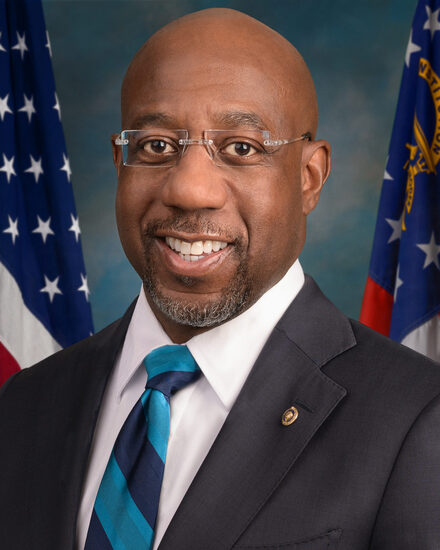
Raphael G. Warnock
100% support rate
Top opponent
Eric Burlison
31% support rate
Ranked legislators
10
5 support · 5 oppose
Key legislators

Who's moving labor & employment in United States

Legislators moving labor & employment in United States
Legislator Party Stance Support rate Votes
Raphael G. Warnock
Raphael G. Warnock Senate
D
Strong +
100% 211
Brian K. Fitzpatrick
Brian K. Fitzpatrick House · District 1
R
Strong +
92% 194
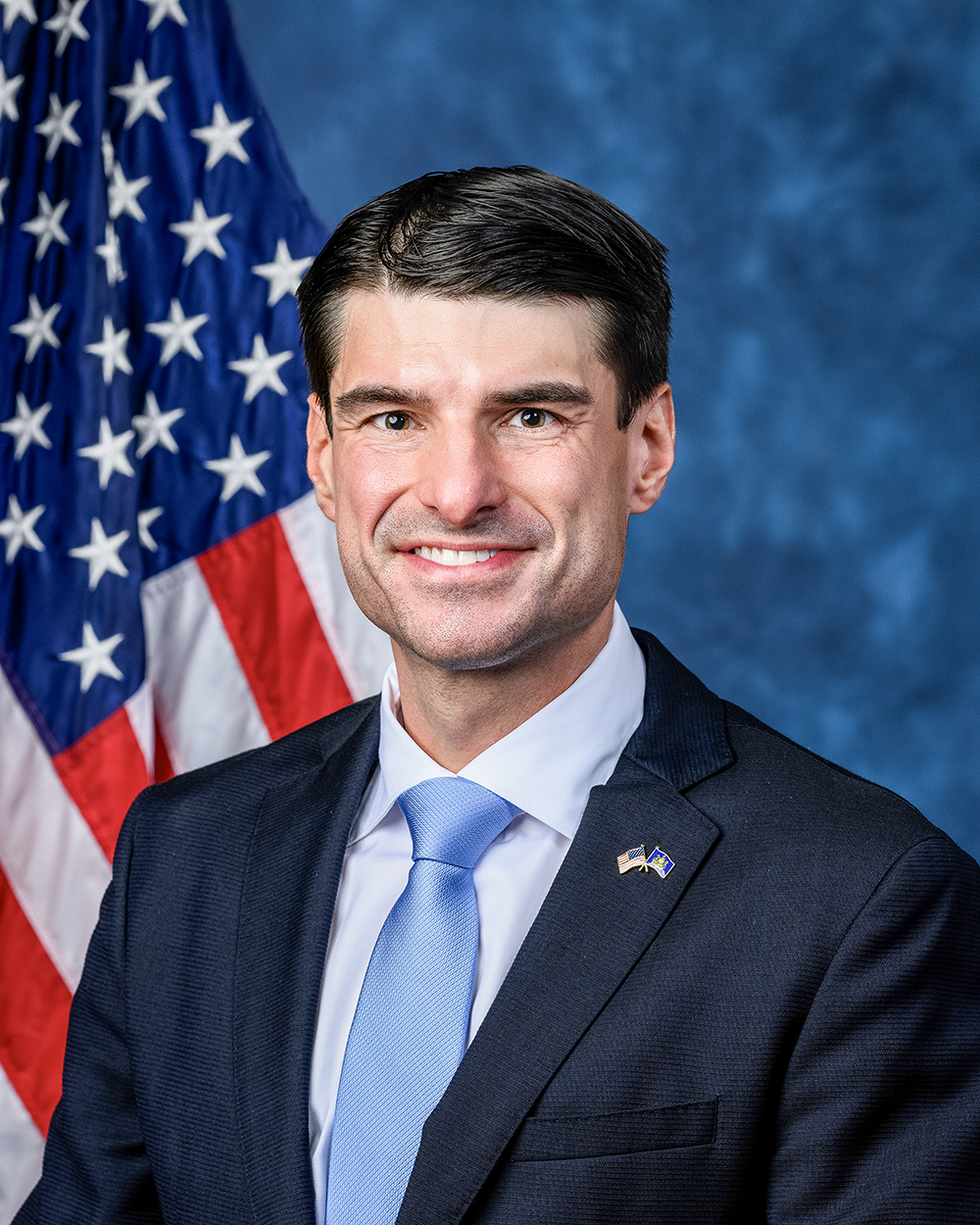
Robert P. Bresnahan, Jr.
Robert P. Bresnahan, Jr. House · District 8
R
Strong +
92% 197
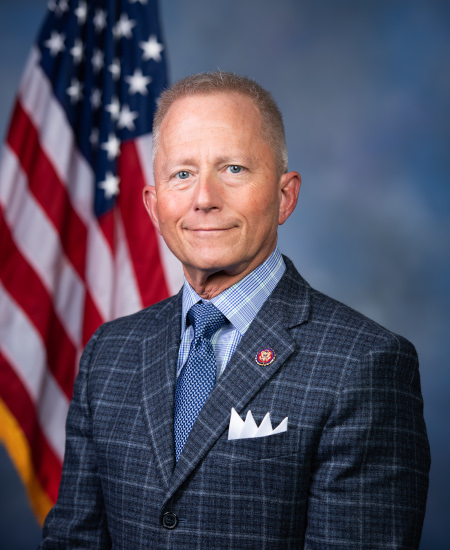
Jefferson Van Drew
Jefferson Van Drew House · District 2
R
Strong +
92% 197
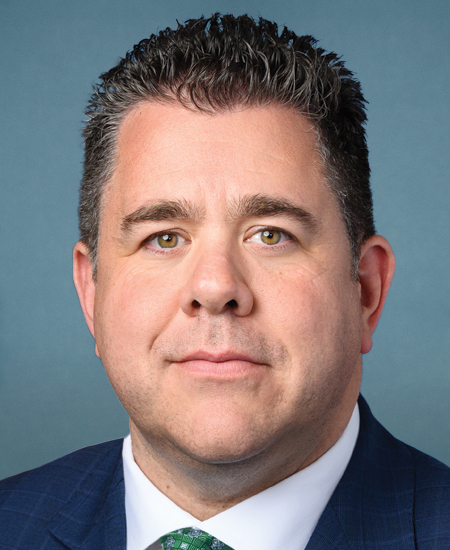
Nick LaLota
Nick LaLota House · District 1
R
Strong +
92% 195
Eric Burlison
Eric Burlison House · District 7
R
Oppose
31% 197
Chip Roy
Chip Roy House · District 21
R
Oppose
31% 190
Scott Perry
Scott Perry House · District 10
R
Oppose
31% 194
Tom McClintock
Tom McClintock House · District 5
R
Oppose
31% 190
Darin LaHood
Darin LaHood House · District 16
R
Oppose
33% 175
Showing 21–30 of 144 bills

All labor & employment bills

in committee · United States · House Jul 21, 2026

HR 8347: RURAL Healthcare Act

The RURAL Healthcare Act proposes to reclassify certain temporary healthcare professionals as independent contractors for the purposes of federal labor laws. It specifies that qualified locum tenens professionals and advanced care practitioners, such as physicians, nurse practitioners, and physician's assistants, would not be considered employees under the Fair Labor Standards Act or the National Labor Relations Act. This reclassification applies if they provide temporary services for up to one continuous year at a site and operate under a written contract stating they are not employees. The bill directly affects these healthcare providers and the facilities that contract for their temporary services.
in committee · United States · House Feb 25, 2026

HR 7682: Closing the Workforce Gap Act of 2026

This bill, titled the Closing the Workforce Gap Act of 2026, modifies the H-2B temporary worker visa program by adjusting numerical limits, strengthening enforcement measures, and adding new requirements for employers. It directly affects employers seeking to hire foreign workers under the H-2B program and the workers themselves. The legislation caps the number of H-2B visas at half the number of certified positions from the previous year, while exempting rural and seasonal locations from this limit. It also increases penalties for employers who misrepresent information or fail to meet program requirements, establishes a formal complaint process for workers, and requires employers to maintain workplace safety plans and report certain employment issues to authorities. Additionally, the bill restricts H-2B petitions to nationals from countries designated as participating based on factors like visa fraud rates and overstay statistics, and prohibits workers from paying fees for recruitment or petition processing.
in committee · United States · House Apr 9, 2026

HR 8232: To amend title 49, United States Code, to repeal certain employee protective arrangements, and for other purposes.

This bill removes a specific protective arrangement for employees under Section 5333(b) of Title 49 of the United States Code. The provision being repealed likely provided certain legal protections or benefits to workers in the transportation or related industries. By repealing this section, the bill eliminates those specific employee protections from federal law. The change directly affects workers who were previously covered under the repealed arrangement. This legislative action is a straightforward removal of existing regulatory text without adding new requirements or benefits.
in committee · United States · House Mar 26, 2026

HR 8112: Preserving Social Security and Medicare for Citizens Act of 2026

This bill proposes restricting Medicare and Social Security benefits to U.S. citizens and lawful permanent residents, excluding undocumented immigrants and other non-citizens from receiving these programs. It would also expand the Social Security payroll tax to cover wages paid to certain individuals currently exempt from such taxes. The changes would take effect for months beginning after the bill's enactment, directly affecting eligibility for federal retirement and healthcare benefits.
in committee · United States · House Apr 9, 2026

HR 8213: Defending Women in the Workplace Act

This bill amends Title VII of the Civil Rights Act of 1964 to clarify that protections against sex discrimination do not extend to gender identity. It directly affects employers, employees, and individuals involved in workplace discrimination claims by explicitly excluding gender identity from the definition of sex-based discrimination. The key provision is a rule of construction that interprets existing federal law in a specific way, rather than creating new protections or restrictions. This change would limit the scope of federal sex discrimination claims to biological sex rather than including gender identity as a protected category.
in committee · United States · House Feb 6, 2025

HR 1095: Restoring Military Focus Act

HR 1095, the Restoring Military Focus Act, eliminates two specific diversity-related positions within the Department of Defense (DoD): the Chief Diversity Officer (repealing Section 147 of Title 10, U.S. Code) and the Senior Advisor for Diversity and Inclusion (repealing Section 913 of the 2021 defense bill). The bill prohibits using federal funds to create any new position "substantially similar" to these roles. This directly affects DoD leadership and staffing by removing existing diversity-focused roles and preventing their replacement. The key mechanism is a federal funding ban on establishing comparable positions, aiming to refocus DoD resources on military operations.
in committee · United States · Senate Mar 3, 2026

S 3963: Rural Emergency Response Support Act

This bill would allow employers of emergency medical technicians and paramedics in rural areas to avoid paying overtime wages under certain conditions. It specifically exempts public agencies in communities with fewer than 100,000 residents and private contractors serving those areas from overtime requirements for these workers. The changes would be made to the Fair Labor Standards Act of 1938, which currently sets federal overtime pay rules. The legislation aims to address staffing challenges in rural emergency medical services by providing flexibility in compensation for these essential workers.
Sub-Topics Labor Standards
in committee · United States · Senate Mar 26, 2026

SJRES 152: A joint resolution providing for congressional disapproval under chapter 8 of title 5, United States Code, of the rule submitted by the Department of Labor relating to the Adverse Effect Wage Rate Methodology.

This bill seeks to overturn a Department of Labor rule that changes how the Adverse Effect Wage Rate is calculated for H-2A temporary agricultural workers. If passed, it would cancel the new methodology, restoring the previous approach used to determine minimum wage requirements for these temporary workers. The measure directly affects the Employment and Training Administration, which administers the H-2A visa program, and employers who hire foreign agricultural labor. It is a procedural action that requires approval from both the House and Senate to take effect.
in committee · United States · House Mar 12, 2026

HR 7925: American Families First Assistance Act

This bill, titled the American Families First Assistance Act, would restrict eligibility for Temporary Assistance for Needy Families (TANF) benefits for most aliens in the United States. It directly affects non-citizen immigrants by removing their ability to receive federal cash assistance for low-income families under the existing welfare program. The key provision amends the Personal Responsibility and Work Opportunity Reconciliation Act of 1996 to disqualify qualified aliens from TANF block grants, with specific exceptions for certain categories of immigrants including nationals of Cuba. This change would limit access to financial support for families with children who are not U.S. citizens or lawful permanent residents.
in committee · United States · House Sep 18, 2025

HR 5474: No DEI in DC Act

The "No DEI in DC Act" (HR 5474) prohibits the District of Columbia government from engaging in what it defines as "prohibited diversity, equity, and inclusion practices." This includes banning DEI training programs, requiring employees to sign statements about race or gender, and maintaining offices focused on diversity issues. The bill abolishes numerous DC offices and commissions related to diversity, such as the Mayor's Office of Racial Equity, Commission on Health Equity, and LGBTQ-focused offices. It also prohibits using District funds for DEI-related activities or maintaining DEI-focused offices, with the law taking effect 90 days after enactment.
Showing 21 to 30 of 144 bills
Previous 1 2 3 4 15 Next