Issue · Immigration

Immigration (Citizenship & Naturalization)

Every immigration bill, vote, and legislator stance in United States, automatically classified by Maddy, our AI policy reader.

Total bills
88
119th Congress
Top supporter
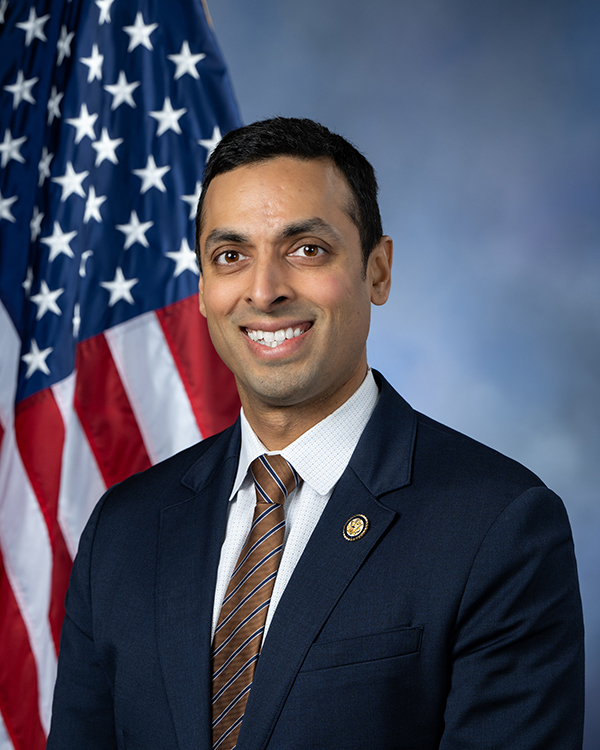
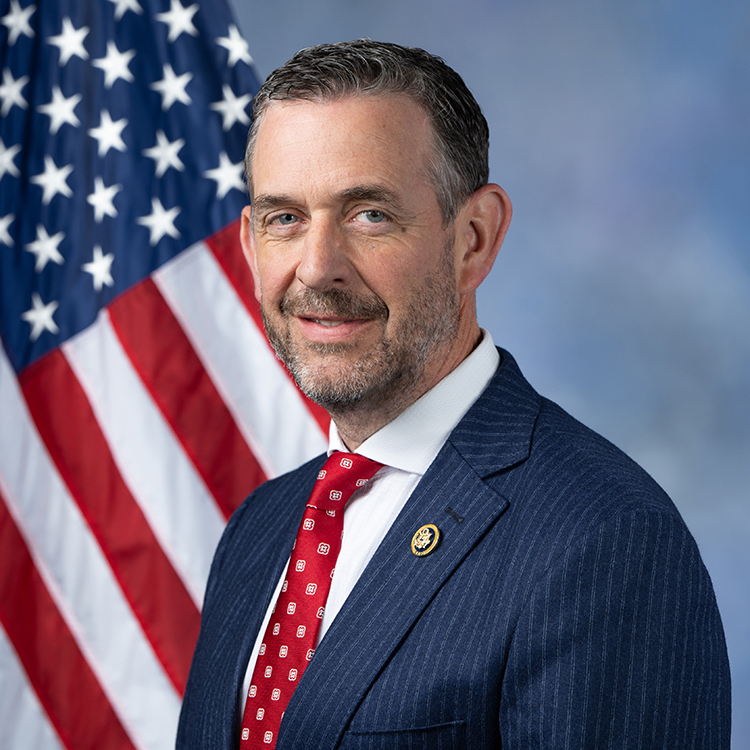
Suhas Subramanyam
100% support rate
Top opponent
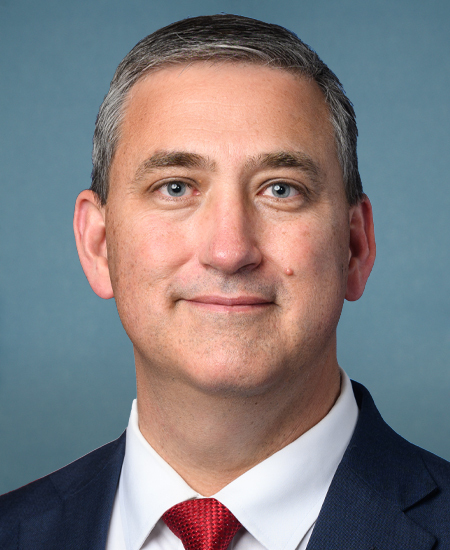
Ronny Jackson
0% support rate
Ranked legislators
10
5 support · 5 oppose
Key legislators

Who's moving citizenship & naturalization in United States

Legislators moving citizenship & naturalization in United States
Legislator Party Stance Support rate Votes
Suhas Subramanyam
Suhas Subramanyam House · District 10
D
Strong +
100% 4
Jake Auchincloss
Jake Auchincloss House · District 4
D
Strong +
100% 3
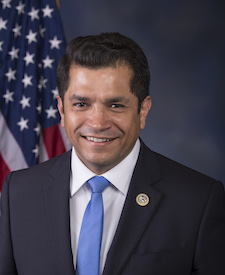
Jimmy Gomez
Jimmy Gomez House · District 34
D
Strong +
100% 3
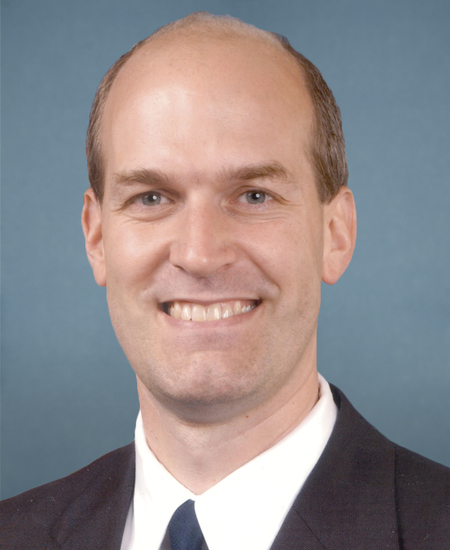
Rick Larsen
Rick Larsen House · District 2
D
Strong +
100% 3
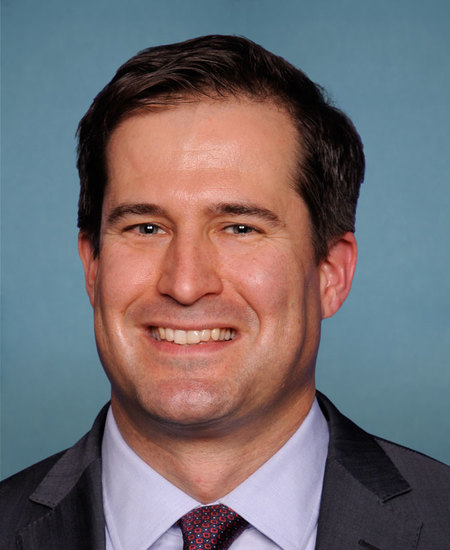
Seth Moulton
Seth Moulton House · District 6
D
Strong +
100% 3
Ronny Jackson
Ronny Jackson House · District 13
R
Strong −
0% 5
Glenn Grothman
Glenn Grothman House · District 6
R
Strong −
0% 4
Michael A. Rulli
Michael A. Rulli House · District 6
R
Strong −
0% 4
Elise M. Stefanik
Elise M. Stefanik House · District 21
R
Strong −
0% 3
Nathaniel Moran
Nathaniel Moran House · District 1
R
Strong −
0% 3
Showing 1–10 of 88 bills

All immigration bills

in committee · United States · House Jul 15, 2026

HRES 1434: Supporting the efforts of the Trump Administration to obtain a rehearing of the decision of the Supreme Court of the United States in Trump v. Barbara, and for other purposes.

This House resolution expresses support for the Trump Administration's effort to seek a rehearing of the Supreme Court's decision in *Trump v. Barbara*, which ruled that children born in the United States to parents who are unlawfully or temporarily present are citizens at birth. The bill urges the Solicitor General to file a petition for rehearing and calls on the House Judiciary Committee to monitor the case for potential legislative or oversight action. It cites concerns about commercial "birth tourism" schemes exploiting the ruling as a reason to revisit the decision before it becomes final law.
in committee · United States · Senate Aug 5, 2026

S 5259: End Housing Welfare for Illegal Aliens Act

The End Housing Welfare for Illegal Aliens Act would prohibit states and local governments designated as "sanctuary jurisdictions" from receiving Community Development Block Grants, defining such jurisdictions as those that restrict information sharing or compliance with federal immigration detainers. The bill also codifies a "mixed-status" rule that prevents housing assistance programs from providing prorated benefits to households where some members are ineligible, requiring full eligibility verification for all family members before any funds are distributed. Additionally, it mandates that public housing agencies affirmatively verify the citizenship status of applicants and expands the scope of these restrictions to include specific federal housing programs like Section 811 and Section 202.
in committee · United States · House Jul 16, 2026

HR 9724: End Birthright Citizenship for Territories Act

This bill proposes to end automatic U.S. citizenship for people born in Puerto Rico, the Virgin Islands, Guam, and the Northern Mariana Islands starting January 1, 2027. It achieves this by amending existing immigration laws to add a specific date cutoff, meaning anyone born in these territories after that date would not be granted citizenship at birth. The legislation explicitly states that children born before the cutoff date and children born to U.S. citizens or legal permanent residents in these areas will retain their current citizenship status.
in committee · United States · House Jul 22, 2026

HR 9854: Citizenship Act of 2026

The Citizenship Act of 2026 redefines the term "invader" to include individuals who are unlawfully present in the United States or those seeking entry specifically for the purpose of giving birth. Under this legislation, children born in the U.S. to these designated invaders would not be entitled to birthright citizenship if their mothers were not lawfully admitted or if the parents do not meet specific residency requirements. The bill also explicitly excludes children born through commercial surrogacy contracts involving nationals of certain countries from acquiring citizenship. Additionally, the act declares that courts cannot review the President's or Congress's determination that an invasion is occurring.
in committee · United States · House Jul 23, 2026

HR 9897: Trump-Reagan Election Enforcement Act

This bill, known as the Trump-Reagan Election Enforcement Act, would require all U.S. states to implement strict new rules proving U.S. citizenship for anyone registering to vote in federal elections. Under the proposed law, states that fail to enforce these specific documentation requirements by fiscal year 2027 would face federal funding penalties, with 10 percent of certain transportation funds withheld initially and an additional 5 percent cut each subsequent year. The legislation mandates that applicants provide specific documents like a passport or certified birth certificate, requires states to actively remove noncitizens from voter rolls, and allows private lawsuits or criminal charges against election officials who register ineligible individuals.
in committee · United States · House Jul 23, 2026

HR 9919: Ban Birth Tourism Act of 2026

This bill, known as the Ban Birth Tourism Act of 2026, aims to prevent non-immigrants from entering the United States specifically to give birth and secure citizenship for their children. It directly affects foreign nationals who plan to visit the U.S. with the primary goal of having a child there to obtain a U.S. passport. Under the new rules, immigration officials can deny entry to anyone suspected of engaging in birth tourism or deport those who have already entered for that purpose. The law defines birth tourism as entering the country with the main intent of obtaining citizenship for a child or being likely to give birth within 10 months of arrival to achieve that status. Decisions on whether someone is engaging in birth tourism will be based on the reasonable judgment of government officials such as those at the Department of Homeland Security.
in committee · United States · House Jul 23, 2026

HJRES 206: Proposing an amendment to the Constitution of the United States to require that any Representative or Senator be a natural born citizen.

This bill proposes adding a new requirement to the U.S. Constitution that only natural-born citizens can serve as members of the House of Representatives or the Senate. It would change the current rules by explicitly stating that anyone who is not a natural-born citizen is ineligible for these offices, though it allows current officeholders to finish their existing terms before the ban takes effect. If passed and ratified, this change would prevent naturalized citizens from ever holding a seat in Congress, regardless of how long they have lived in the country.
in committee · United States · House Jul 23, 2026

HR 9928: No Discounts for Foreigners Act

The No Discounts for Foreigners Act prohibits the Secretary of Homeland Security from waiving or reducing fees for U.S. citizenship applications, with the exception of current or former members of the Armed Forces. This law directly affects individuals seeking naturalization by ensuring they pay the full standard fee, while military personnel retain their existing fee reduction benefits. The bill removes the discretion to offer financial relief for citizenship applications but maintains special provisions for those who have served in the military.
in committee · United States · House Jul 22, 2026

HR 9876: BAN Act

This bill, known as the BAN Act, aims to stop the practice of "birth tourism," which it defines as entering the United States primarily to give birth to a child who would otherwise not be eligible for citizenship. The legislation makes it illegal for pregnant individuals to enter the country for this purpose and extends bans to their family members and any businesses or facilitators who help arrange these trips. Additionally, the bill introduces criminal penalties, including up to ten years in prison, for anyone who lies about a pregnancy or runs a commercial operation that assists in birth tourism. By adding birth tourism as a specific ground of inadmissibility, the law seeks to prevent unauthorized entry while maintaining that legitimate medical travel for necessary treatment remains allowed.
in committee · United States · Senate Jul 16, 2026

S 5023: Ban Birth Tourism Act of 2026

The Ban Birth Tourism Act of 2026 prohibits individuals from entering the United States if their main reason for travel is to have a child born there to gain U.S. citizenship. This law makes such travelers inadmissible upon arrival and subject to deportation if they are found to have entered the country specifically for this purpose. Officials determine whether someone is engaging in birth tourism by assessing if the person's primary goal is obtaining citizenship for a child or if they are likely to give birth within ten months of entry. The bill directly affects foreign nationals planning to visit the U.S. with the intent of using their child's birthplace to secure citizenship status.
Showing 1 to 10 of 88 bills
1 2 3 9 Next