Issue · Immigration

Immigration (Sanctuary Policies)

Every immigration bill, vote, and legislator stance in United States, automatically classified by Maddy, our AI policy reader.

Total bills
317
119th Congress
Top supporter
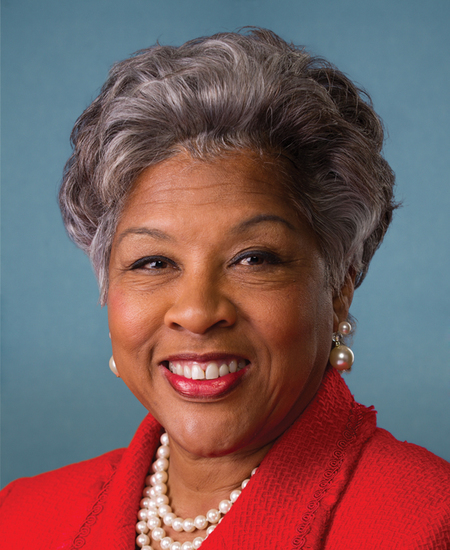
Joyce Beatty
89% support rate
Top opponent
Catherine Cortez Masto
0% support rate
Ranked legislators
10
5 support · 5 oppose
Key legislators

Who's moving sanctuary policies in United States

Legislators moving sanctuary policies in United States
Legislator Party Stance Support rate Decisive votes
Joyce Beatty
Joyce Beatty House · District 3
D
Strong +
89% 9
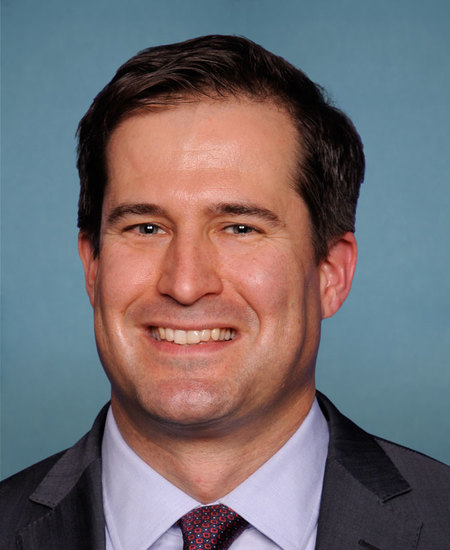
Seth Moulton
Seth Moulton House · District 6
D
Strong +
89% 9
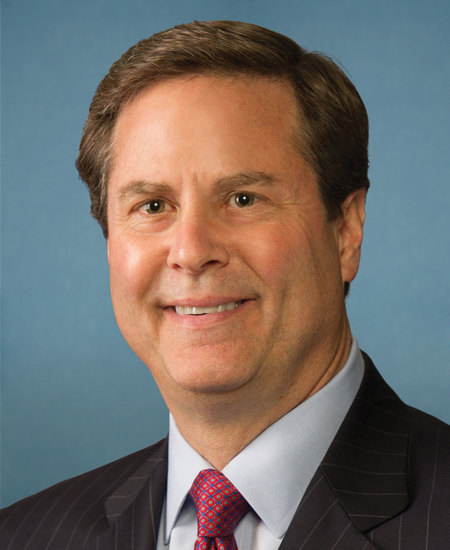
Donald Norcross
Donald Norcross House · District 1
D
Strong +
88% 8
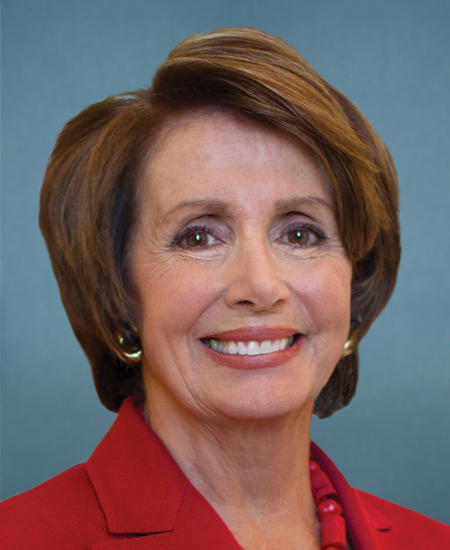
Nancy Pelosi
Nancy Pelosi House · District 11
D
Strong +
88% 8
Brad Sherman
Brad Sherman House · District 32
D
Strong +
83% 12
Catherine Cortez Masto
Catherine Cortez Masto Senate
D
Strong −
0% 7
Elissa Slotkin
Elissa Slotkin Senate
D
Strong −
0% 7
Gary C. Peters
Gary C. Peters Senate
D
Strong −
0% 7
Jacky Rosen
Jacky Rosen Senate
D
Strong −
0% 7
Jeanne Shaheen
Jeanne Shaheen Senate
D
Strong −
0% 7
Showing 81–90 of 317 bills

All immigration bills

in committee · United States · Senate Feb 4, 2026

S 3776: The Federal Grant Neutrality Act

The Federal Grant Neutrality Act (S 3776) prevents the Department of Justice from requiring entities to comply with specific immigration-related laws or presidential directives as a condition for receiving DOJ grants. It specifically blocks the Attorney General from demanding agreement to Section 642 of the 1996 immigration law, presidential memoranda, or executive orders. This directly affects local governments, community organizations, and other applicants seeking federal grant funding from the DOJ. The bill removes these requirements as a prerequisite for grant eligibility, ensuring entities can access funding without meeting those particular conditions. The change applies only to DOJ-administered grants, not other federal programs.
in committee · United States · House Feb 23, 2026

HR 7652: Respect for Local Communities Act

HR 7652, the Respect for Local Communities Act, requires the federal government to obtain local community input before building new U.S. Immigration and Customs Enforcement (ICE) detention centers or processing facilities. The bill mandates a 30-day public comment period in the Federal Register, written agreements with local mayors/councils and the state governor, and a 30-day waiting period after reporting to congressional committees before construction or operation begins. It directly affects local governments (mayors, city/county councils) and state governors who must agree to new facilities, and applies to any new ICE facility built after the bill's enactment. Key provisions include requiring an economic impact analysis, environmental compliance checks, and detailed public notice before federal agencies can proceed. The bill does not block construction but adds specific procedural steps for community engagement and oversight.
in committee · United States · House Jun 26, 2025

HR 4200: End DED Act

HR 4200, the End DED Act, prohibits federal funding for the Deferred Enforced Departure (DED) program, which provides temporary immigration protections to individuals from specific countries. It directly affects approximately 100,000 people currently covered under DED from nine nations (including Haiti, El Salvador, and Venezuela), who would lose their work authorization and travel privileges if the program is defunded. The bill’s key provision bans all federal funds from being used to implement or administer DED or any successor program. This addresses congressional concerns that DED - a policy created solely by executive action without statutory authority - undermines Congress’s constitutional power over immigration, which it delegated to Temporary Protected Status (TPS) instead.
in committee · United States · House Jan 9, 2025

HR 318: Border Safety and Security Act of 2025

This bill grants the Secretary of Homeland Security authority to temporarily suspend entry of certain individuals at U.S. borders to achieve "operational control" (defined as effective border management). It specifically applies to people seeking entry without proper documentation who would be denied entry under current law (e.g., lacking visas or asylum eligibility). The Secretary must block entry if they cannot detain or process these individuals as required by existing immigration law. States may also sue the government if they believe border security rules are violated.
in committee · United States · House Jun 10, 2025

HRES 494: Condemning the Violent Attacks on Law Enforcement Officers and Military Servicemembers, and the Destruction of Personal Property in Los Angeles, California.

HRES 494 is a symbolic House resolution condemning violent protests in Los Angeles on June 6, 2025, which included assaults on law enforcement, vandalism of federal property, and destruction of personal property. It specifically targets Los Angeles Mayor Karen Bass and California Governor Gavin Newsom, accusing them of obstructing federal immigration enforcement through sanctuary policies and failing to condemn the violence. The resolution affirms the federal government's duty to enforce immigration laws and supports prosecuting individuals who commit violence against law enforcement. It does not create new laws or policies but expresses formal disapproval of the officials' actions and the rioters' conduct.
in committee · United States · House Feb 9, 2026

HR 7439: Uniform Standards for Federal Law Enforcement Act of 2026

HR 7439 establishes new limits on when federal law enforcement officers can use deadly force, directly affecting all federal officers (including immigration officers) under the law. The bill prohibits using deadly force solely to prevent a suspect's escape, disable a moving vehicle, or address threats to property or self-harm. It requires officers to give a verbal warning before using deadly force when safe, bans warning shots except in federal prisons, and mandates new training on avoiding deadly force. These provisions aim to clarify and restrict the circumstances under which deadly force may be justified during federal law enforcement operations.
in committee · United States · Senate Jan 21, 2025

SRES 29: An original resolution expressing the sense of the Senate that the President of the United States possesses legal authority under existing law to take immediate and necessary action to secure the southwest border of the United States.

SRES 29 is a non-binding Senate resolution stating that the President has legal authority under existing immigration laws to secure the southwest border. It specifically cites sections of the Immigration and Nationality Act allowing the President to return individuals to Mexico, end the "catch-and-release" policy, and deny asylum to those who entered without first seeking protection in a transit country. The resolution urges the President and the Department of Homeland Security to immediately reinstate policies like "Remain in Mexico," eliminate taxpayer-funded benefits for undocumented immigrants, and use expedited removal. As a resolution expressing the Senate's position, it does not create new law but aims to guide executive action under current statutes.
in committee · United States · House Jan 30, 2026

HR 7297: ICE and CBP Constitutional Accountability Act

HR 7297, the "ICE and CBP Constitutional Accountability Act," creates a direct legal path for individuals harmed by ICE or CBP officers to sue the U.S. government for constitutional violations. The bill amends the Federal Tort Claims Act to allow lawsuits when officers violate rights like due process, privacy, or free speech - without requiring proof that a government policy caused the harm. Monetary damages would come from specific federal appropriations, and the government waives its usual immunity from such lawsuits. This directly affects people subjected to unlawful immigration enforcement actions by these agencies. The bill does not change agency operations but provides a new civil remedy for victims.
Sub-Topics Detention Enforcement Sanctuary Policies Tags Civil Liberties
in committee · United States · House Jun 9, 2025

HR 3837: EO 14218 Act of 2025

HR 3837, the "EO 14218 Act of 2025," is a procedural bill that codifies Executive Order 14218 into law. It states that Executive Order 14218 (which addresses ending taxpayer subsidization of open borders) shall have the force and effect of law. The bill does not create new policy or specify affected groups; it simply makes the existing executive order legally binding. This is a formal codification without new substantive provisions.
in committee · United States · House May 16, 2025

HR 3473: Humane Accountability Act

HR 3473, the Humane Accountability Act, requires U.S. Customs and Border Protection (CBP), Immigration and Customs Enforcement (ICE), and the Office of Refugee Resettlement (ORR) to submit detailed reports to Congress about immigration detentions and facility conditions. It mandates specific data on detention numbers, removals, locations (including sensitive sites like schools), and incidents of abuse, medical care, or deaths in custody. The bill also requires advance notice to Congress before using non-traditional detention sites (such as military bases or tribal lands), including justification, capacity, and compliance plans. These reports aim to increase transparency for detainees, their families, and Congress regarding detention practices. The bill directly affects immigration detention facilities, immigrant detainees, and federal agencies managing immigration enforcement.
Showing 81 to 90 of 317 bills
Previous 1 … 8 9 10 … 32 Next