Issue · Immigration

Immigration (Enforcement)

Every immigration bill, vote, and legislator stance in United States, automatically classified by Maddy, our AI policy reader.

Total bills
293
119th Congress
Top supporter
Alan Armstrong
86% support rate
Top opponent
Catherine Cortez Masto
11% support rate
Ranked legislators
10
5 support · 5 oppose
Key legislators

Who's moving enforcement in United States

Legislators moving enforcement in United States
Legislator Party Stance Support rate Decisive votes
AA
Alan Armstrong Senate
R
Strong +
86% 29
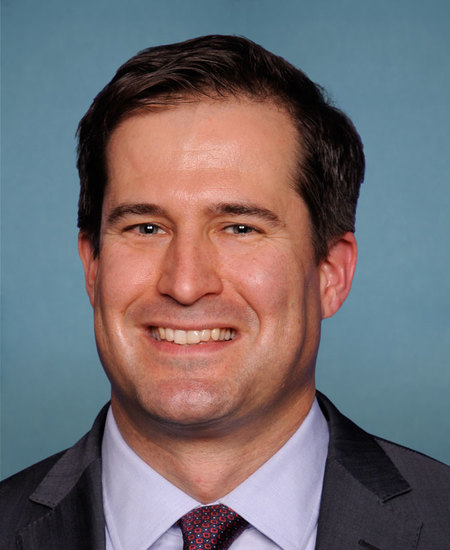
Seth Moulton
Seth Moulton House · District 6
D
Strong +
83% 12
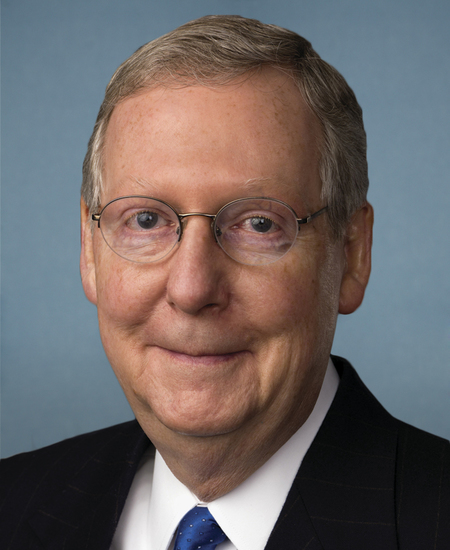
Mitch McConnell
Mitch McConnell Senate
R
Strong +
82% 33
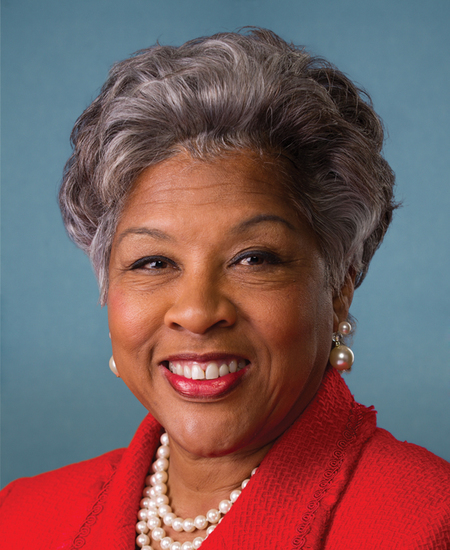
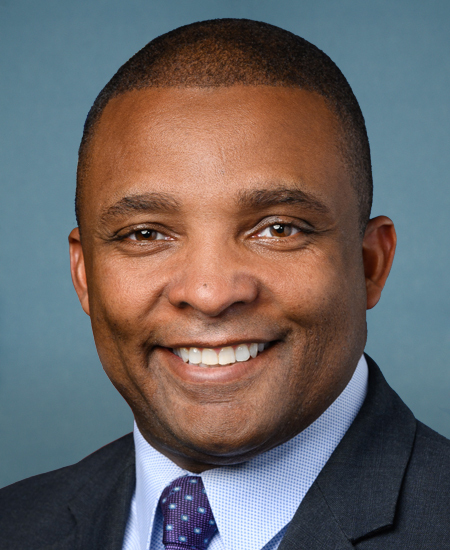
Joyce Beatty
Joyce Beatty House · District 3
D
Strong +
82% 11
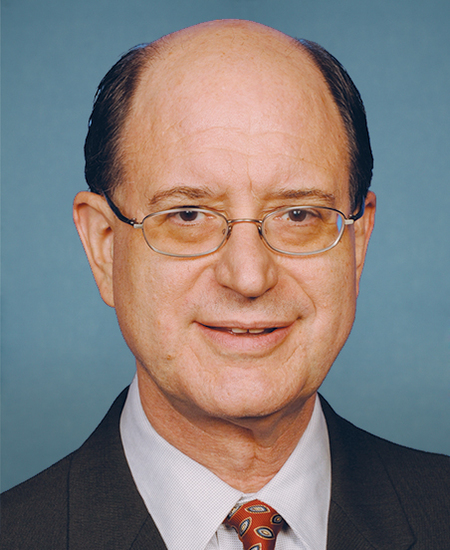
Brad Sherman
Brad Sherman House · District 32
D
Strong +
80% 15
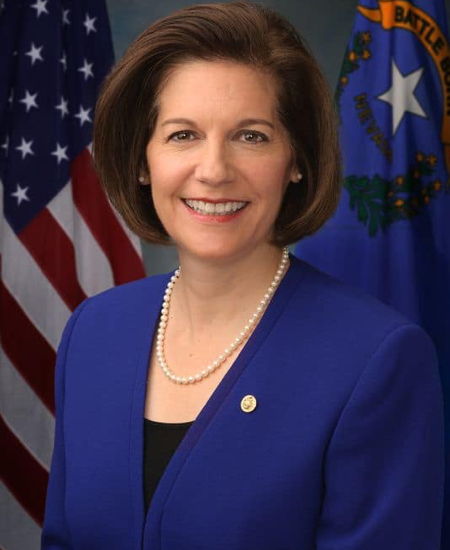
Catherine Cortez Masto
Catherine Cortez Masto Senate
D
Strong −
11% 35
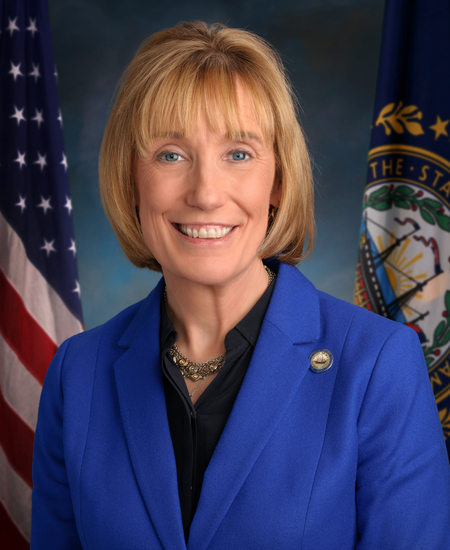
Margaret Wood Hassan
Margaret Wood Hassan Senate
D
Strong −
11% 35
Donald G. Davis
Donald G. Davis House · District 1
D
Strong −
12% 17
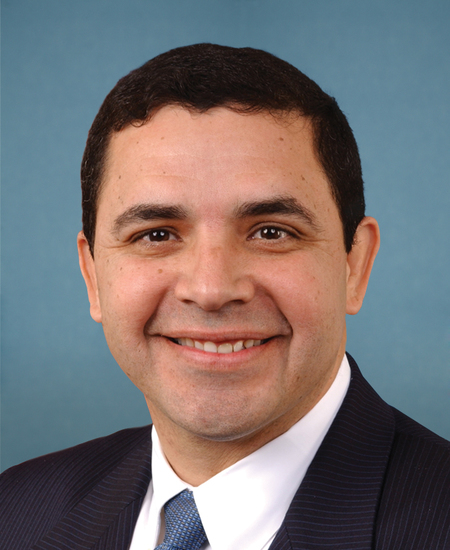
Henry Cuellar
Henry Cuellar House · District 28
D
Strong −
12% 17
Laura Gillen
Laura Gillen House · District 4
D
Strong −
12% 17
Showing 81–90 of 293 bills

All immigration bills

in committee · United States · House Jan 9, 2025

HR 285: Advanced Border Coordination Act of 2025

HR 285, the Advanced Border Coordination Act of 2025, requires the Department of Homeland Security to establish at least two Joint Operations Centers along the southern border within six months of enactment. These centers will enable coordinated operations between federal (including DHS, Defense, and Justice), state, local, and tribal law enforcement agencies to address threats like drug trafficking, human trafficking, illegal border crossings, and weapons seizures. Key mechanisms include centralized communication for field operations, shared information protocols, personnel deployment tracking, and annual reporting to Congress on center operations, resource use, and communication gaps. The bill directly affects border agencies and tribes participating in these coordinated efforts, aiming to improve interagency collaboration without specifying new enforcement powers.
in committee · United States · House Mar 11, 2025

HR 2050: Homeland Heroes Pay Act

HR 2050, the Homeland Heroes Pay Act, ensures that U.S. Customs and Border Protection (CBP) agents and Immigration and Customs Enforcement (ICE) officers continue receiving pay during federal budget gaps. It directly affects CBP agents working at Southwest, Northern, and maritime border ports (preventing terrorism, drug trafficking, and illegal entry) and ICE officers handling immigration enforcement (detaining/removing individuals) and criminal investigations (drug trafficking, human smuggling). The bill automatically funds their salaries and expenses using existing Treasury money if discretionary appropriations lapse after the bill passes. This prevents pay interruptions for these frontline personnel during budget shutdowns while they perform critical border security and enforcement duties.
in committee · United States · House Mar 6, 2025

HR 1915: Stop the Cartels Act

The Stop the Cartels Act (HR 1915) aims to combat drug trafficking and human smuggling by enhancing U.S. intelligence efforts focused on Mexico and Central American countries. It requires regular reports on drug trafficking organizations, designates specific cartels (including the Sinaloa Cartel and Jalisco New Generation Cartel) as "Special Transnational Criminal Organizations," and withholds federal grants from jurisdictions that violate immigration laws. The bill also establishes refugee application centers in Mexico and Central America, increases immigration judge staffing by 500 positions, and reforms asylum processing to address fraud while ending family separation policies. It repurposes federal drug program funding by increasing substance abuse prevention and treatment grants while repealing several existing programs. The legislation directly affects U.S. immigration enforcement, federal funding allocation to state and local governments, and the processing of asylum claims and refugee applications.
in committee · United States · House Jan 8, 2026

HR 2641: To amend the Illegal Immigration Reform and Immigrant Responsibility Act of 1996 to require all Federal contractors to participate in the E-verify program.

HR 2641 requires all federal contractors and subcontractors (at every tier) to elect participation in the E-Verify program, which checks the employment eligibility of new hires. This bill amends the 1996 Immigration Act to mandate that every contractor working with federal agencies must use E-Verify for all new employees. It directly affects businesses that contract with the federal government, including those providing services or goods to agencies. The key mechanism is the mandatory election to participate in E-Verify, replacing the current voluntary system for federal contractors.
in committee · United States · House Jan 28, 2025

HR 749: Stop Illegal Reentry Act

This bill increases criminal penalties for individuals who re-enter the U.S. after being deported, removed, or excluded. It sets a maximum 5-year prison sentence for most cases, but adds up to 10 years for those with prior drug/crime convictions or multiple prior removals. For serious cases - such as aggravated felonies or two prior reentry convictions - it mandates a 5-20 year prison term. The law directly affects people who return without authorization after formal immigration removal proceedings.
passed · United States · House Jun 27, 2025

HR 875: Jeremy and Angel Seay and Sergeant Brandon Mendoza Protect Our Communities from DUIs Act of 2025

HR 875 amends immigration law to make non-citizens with DUI convictions inadmissible (preventing entry) and deportable (requiring removal after entry). It applies to any conviction for driving while intoxicated or impaired under state, tribal, or local law, regardless of whether the offense is classified as a misdemeanor or felony. The bill directly affects non-citizens convicted of driving under the influence of alcohol or drugs, including impairment from other substances. This policy change expands immigration consequences for DUI offenses beyond current standards.
in committee · United States · House Jun 26, 2025

HR 4200: End DED Act

HR 4200, the End DED Act, prohibits federal funding for the Deferred Enforced Departure (DED) program, which provides temporary immigration protections to individuals from specific countries. It directly affects approximately 100,000 people currently covered under DED from nine nations (including Haiti, El Salvador, and Venezuela), who would lose their work authorization and travel privileges if the program is defunded. The bill’s key provision bans all federal funds from being used to implement or administer DED or any successor program. This addresses congressional concerns that DED - a policy created solely by executive action without statutory authority - undermines Congress’s constitutional power over immigration, which it delegated to Temporary Protected Status (TPS) instead.
in committee · United States · House Jan 9, 2025

HR 318: Border Safety and Security Act of 2025

This bill grants the Secretary of Homeland Security authority to temporarily suspend entry of certain individuals at U.S. borders to achieve "operational control" (defined as effective border management). It specifically applies to people seeking entry without proper documentation who would be denied entry under current law (e.g., lacking visas or asylum eligibility). The Secretary must block entry if they cannot detain or process these individuals as required by existing immigration law. States may also sue the government if they believe border security rules are violated.
in committee · United States · House Dec 1, 2025

HR 5670: Protecting America’s Roads Act

HR 5670, the Protecting America’s Roads Act, amends federal commercial driver’s license (CDL) requirements to strengthen verification of applicant eligibility. It directly affects non-citizen applicants for CDLs or commercial learner’s permits by requiring proof of lawful presence (via the federal SAVE system), proof of state residence, and in-person processing for all non-citizen license actions. Key provisions include denying CDLs to non-residents, expiring non-citizen licenses based on immigration status or after one year, and terminating foreign license reciprocity agreements within six months of enactment. The bill also mandates states to downgrade or revoke non-citizen licenses if eligibility lapses and authorizes immigration agencies to identify unauthorized commercial drivers.
in committee · United States · House Jun 10, 2025

HRES 494: Condemning the Violent Attacks on Law Enforcement Officers and Military Servicemembers, and the Destruction of Personal Property in Los Angeles, California.

HRES 494 is a symbolic House resolution condemning violent protests in Los Angeles on June 6, 2025, which included assaults on law enforcement, vandalism of federal property, and destruction of personal property. It specifically targets Los Angeles Mayor Karen Bass and California Governor Gavin Newsom, accusing them of obstructing federal immigration enforcement through sanctuary policies and failing to condemn the violence. The resolution affirms the federal government's duty to enforce immigration laws and supports prosecuting individuals who commit violence against law enforcement. It does not create new laws or policies but expresses formal disapproval of the officials' actions and the rioters' conduct.
Showing 81 to 90 of 293 bills
Previous 1 … 8 9 10 … 30 Next