Issue · Immigration

Immigration

Every immigration bill, vote, and legislator stance in United States, automatically classified by Maddy, our AI policy reader.

Total bills
494
119th Congress
Top supporter
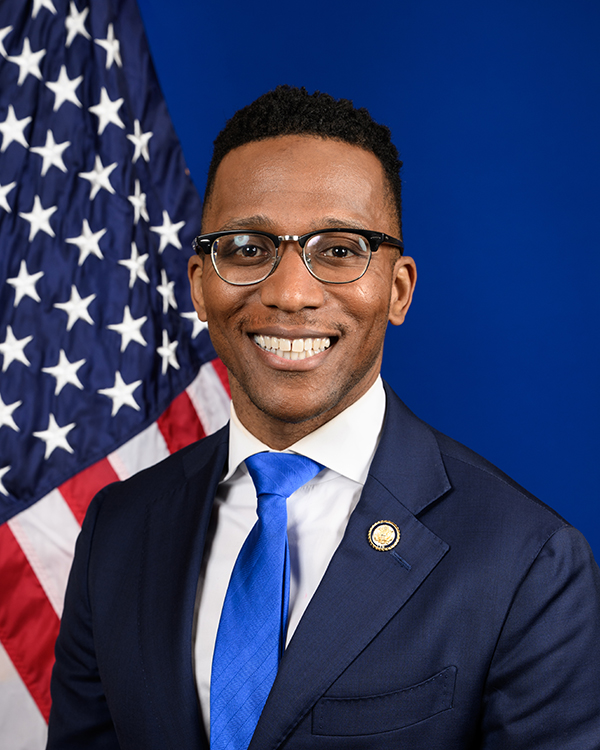
Christian D. Menefee
88% support rate
Top opponent
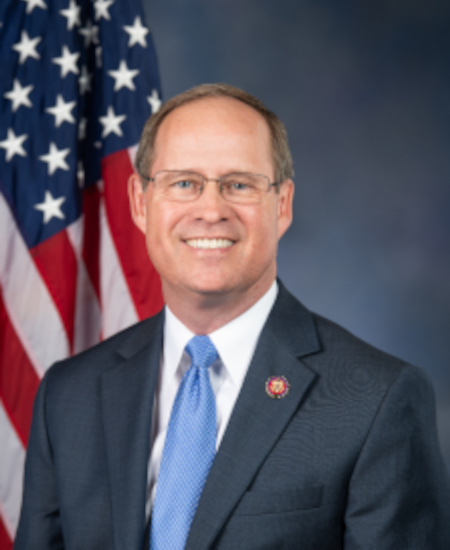
Gregory F. Murphy
14% support rate
Ranked legislators
10
5 support · 5 oppose
Key legislators

Who's moving immigration in United States

Legislators moving immigration in United States
Legislator Party Stance Support rate Votes
Christian D. Menefee
Christian D. Menefee House · District 18
D
Strong +
88% 66
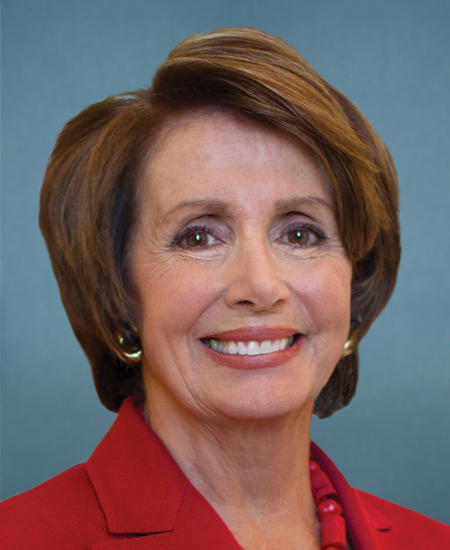
Nancy Pelosi
Nancy Pelosi House · District 11
D
Strong +
86% 139
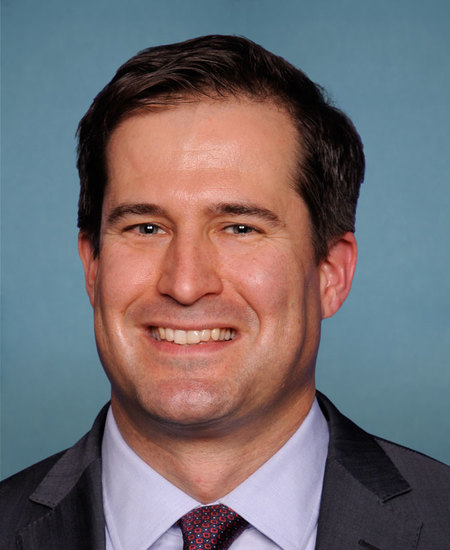
Seth Moulton
Seth Moulton House · District 6
D
Strong +
85% 127
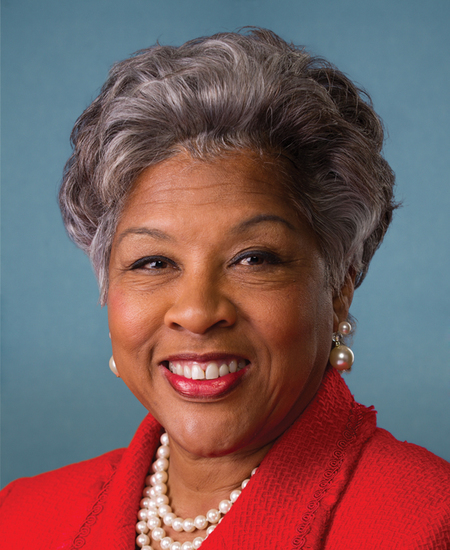
Joyce Beatty
Joyce Beatty House · District 3
D
Strong +
84% 135
Mike Quigley
Mike Quigley House · District 5
D
Strong +
84% 146
Gregory F. Murphy
Gregory F. Murphy House · District 3
R
Strong −
14% 123
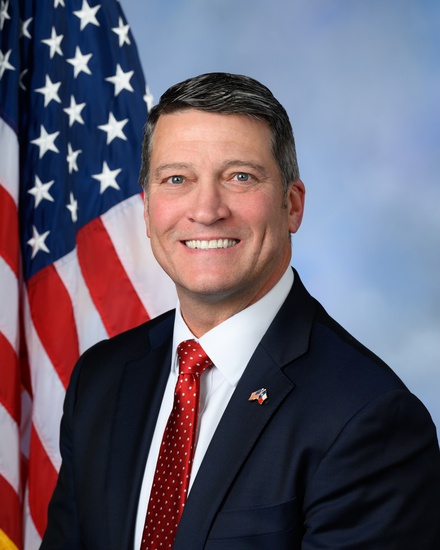
Ronny Jackson
Ronny Jackson House · District 13
R
Strong −
15% 145
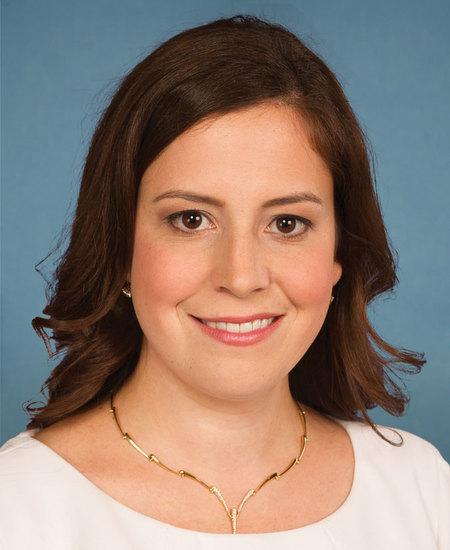
Elise M. Stefanik
Elise M. Stefanik House · District 21
R
Strong −
16% 132
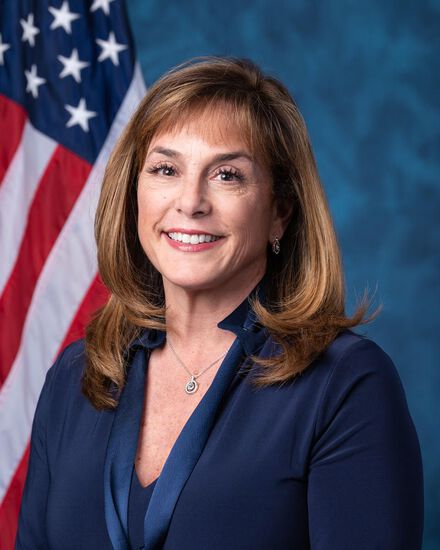
Lisa C. McClain
Lisa C. McClain House · District 9
R
Strong −
16% 147
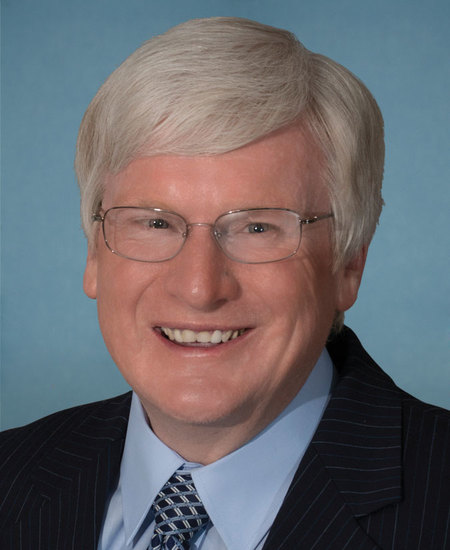
Glenn Grothman
Glenn Grothman House · District 6
R
Strong −
16% 147
Showing 81–90 of 494 bills

All immigration bills

in committee · United States · House Apr 10, 2026

HR 8223: RECOUP Act of 2026

The RECOUP Act of 2026 requires the Department of Homeland Security to pay local first responders for their time and resources when they assist federal immigration agents. Under this bill, agencies that help enforce immigration laws can submit detailed requests for reimbursement, which must include information about the number of officers involved, the duration of the response, and their pay rates. The law also mandates that the government protect the personal details of these responders and prohibits releasing that information without a court order. Funding for these payments would come from existing budgets allocated to immigration enforcement agencies, allowing the money to be used until January 2029.
in committee · United States · Senate Apr 29, 2026

SJRES 189: A joint resolution proposing an amendment to the Constitution of the United States to protect United States citizenship.

This joint resolution proposes a new amendment to the U.S. Constitution to clarify who qualifies as a citizen at birth. It would restrict automatic citizenship to children born in the United States only if at least one parent is a U.S. citizen, a lawful permanent resident, or an alien with lawful status serving in the military. The bill aims to limit the scope of the 14th Amendment's citizenship clause and explicitly grants Congress the authority to pass laws enforcing these new requirements. If ratified, this change would alter the legal definition of birthright citizenship for children born to undocumented immigrants or other non-citizen parents.
in committee · United States · House May 4, 2026

HJRES 172: Proposing an amendment to the Constitution of the United States to protect United States citizenship.

This bill proposes a constitutional amendment to clarify how citizenship is determined at birth, directly affecting individuals born in the United States and their parents. It would restrict automatic citizenship to children born to parents who are U.S. citizens, lawful permanent residents, or active-duty military members, while also granting Congress the authority to pass laws enforcing these rules. By modifying the interpretation of the 14th Amendment, the measure aims to establish specific criteria for birthright citizenship that align with current immigration laws.
in committee · United States · House Apr 22, 2026

HR 8443: End H–1B Visa Abuse Act of 2026

This bill proposes a comprehensive overhaul of the H-1B visa program by pausing new issuances for three years and capping the annual limit at 25,000 visas. It would eliminate the current lottery system, replacing it with a process that prioritizes employers offering the highest wages, while also restricting visa holders to a maximum stay of three years and banning them from holding multiple jobs simultaneously. The legislation further mandates that all H-1B workers be paid at least $200,000 annually, prohibits staffing agencies from sponsoring these visas, and bars federal agencies from hiring or petitioning for H-1B workers. Additionally, the bill would end employment authorization for foreign students and interns, and generally prevent most nonimmigrants from adjusting their status to become permanent residents while in the United States.
Sub-Topics Work Authorization
in committee · United States · House May 20, 2026

HR 8941: No Housing Welfare for Illegal Aliens Act

This bill, titled the No Housing Welfare for Illegal Aliens Act, restricts federal housing assistance for individuals who are not U.S. citizens or permanent residents. It requires that all family members applying for assistance must be verified as eligible before any funds are released, preventing partial payments while checks are pending. Additionally, the legislation prohibits grants to states or local governments that provide housing help to undocumented immigrants or refuse to cooperate with federal immigration enforcement requests. These measures aim to limit access to specific federal housing programs for non-citizens and condition funding on compliance with immigration detention protocols.
in committee · United States · House May 15, 2026

HR 8847: Deporting Illegal Poachers Act

This bill, titled the Deporting Illegal Poachers Act, would make non-citizens who break hunting or fishing laws subject to deportation. It directly affects foreign nationals who have been convicted of, admitted to, or whose actions constitute violations of state or federal rules regarding licenses, seasons, bag limits, or protected species. Under the new provisions, these individuals would be considered inadmissible to the United States and deportable if found guilty of such offenses, regardless of whether the crime is classified as a misdemeanor or felony. The law applies to violations occurring in any jurisdiction, including Tribal and local areas, without requiring the offense to be labeled as a serious crime under federal standards.
in committee · United States · Senate Apr 16, 2026

S 4316: Sanctuary City Elimination Act

The Sanctuary City Elimination Act defines "sanctuary jurisdictions" as states or local areas that restrict cooperation with federal immigration authorities, such as refusing to share immigration data or honor detention requests. If a jurisdiction is classified as a sanctuary, the bill prohibits it from receiving various federal grants, including funding for education, environmental protection, economic development, and community housing projects. The legislation also provides a legal mechanism allowing state attorneys general to sue in federal court to recover these funds if a sanctuary jurisdiction releases an immigrant who subsequently commits a crime in another state. Additionally, the bill grants local law enforcement the authority to act as federal agents when complying with immigration detainers and offers them immunity from liability in lawsuits related to those actions.
in committee · United States · House Apr 16, 2026

HR 8335: PROTECT Act of 2026

The PROTECT Act of 2026 modifies rules for H-1B visa petitions to ensure higher wages and stricter oversight for third-party work arrangements. It requires employers to pay H-1B workers at least the higher of the local market rate or $100,000, adjusted annually for inflation, and limits visas for those working at third-party sites to a maximum of one year unless the job assignment is clearly defined and long-term. Additionally, the bill mandates that visa petitions offering higher compensation be prioritized for approval regardless of filing date. A separate provision exempts health care workers from certain filing fees if the employer can prove they made a good faith effort to hire a U.S. citizen or permanent resident before bringing in foreign staff. These changes apply to all H-1B visa petitions filed on or after the date the law is enacted.
in committee · United States · Senate May 14, 2026

S 4546: ASSIMILATION Act

The ASSIMILATION Act fundamentally restructures the U.S. immigration system by replacing family-based and lottery-based admissions with a merit-based approach that prioritizes economic self-sufficiency and national interest. Key provisions include eliminating the Diversity Visa lottery, reducing family-sponsored immigration caps, and raising the English language requirement for naturalization to a B2 proficiency level. The bill also tightens public charge rules by presuming inadmissibility for those who rely on means-tested benefits, mandates universal use of E-Verify for all employers, and imposes stricter financial sponsorship requirements with mandatory bonds. Additionally, it limits H-1B visas to 50,000 annually, restricts asylum for those transiting through other countries, and expands criminal bars for naturalization applicants.
in committee · United States · House May 12, 2026

HR 8756: CRUSADE Act

The CRUSADE Act amends immigration law to require applicants for special immigrant visas to explicitly disavow Sharia law. Under this provision, individuals seeking these specific visas must take an additional oath affirming their commitment to uphold the U.S. Constitution. The bill directly affects foreign nationals applying for special immigrant status by adding a new eligibility requirement related to their legal and religious beliefs. This change does not alter the general immigration process but imposes a specific condition on one category of visa applicants.
Showing 81 to 90 of 494 bills
Previous 1 8 9 10 50 Next