Issue · Immigration

Immigration (Sanctuary Policies)

Every immigration bill, vote, and legislator stance in United States, automatically classified by Maddy, our AI policy reader.

Total bills
104
119th Congress
Top supporter
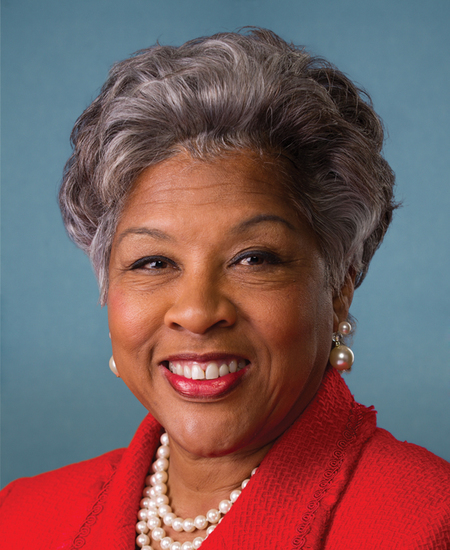
Joyce Beatty
89% support rate
Top opponent
Catherine Cortez Masto
0% support rate
Ranked legislators
10
5 support · 5 oppose
Key legislators

Who's moving sanctuary policies in United States

Legislators moving sanctuary policies in United States
Legislator Party Stance Support rate Decisive votes
Joyce Beatty
Joyce Beatty House · District 3
D
Strong +
89% 9
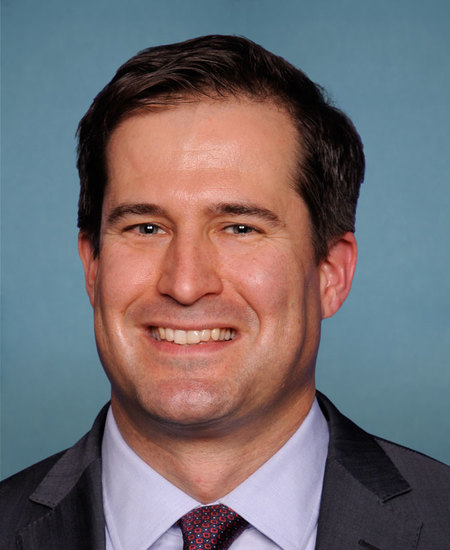
Seth Moulton
Seth Moulton House · District 6
D
Strong +
89% 9
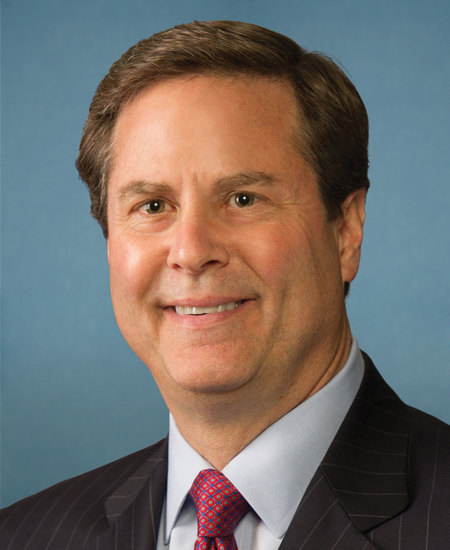
Donald Norcross
Donald Norcross House · District 1
D
Strong +
88% 8
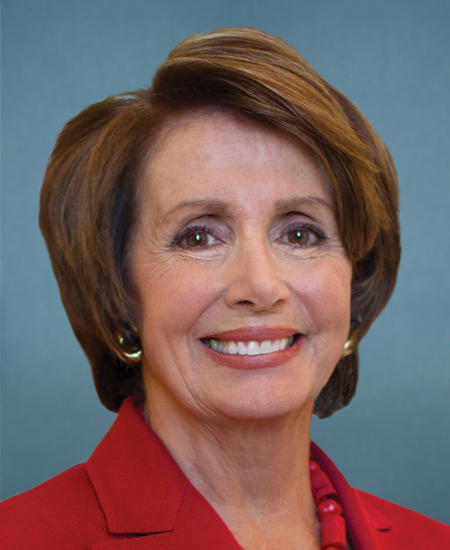
Nancy Pelosi
Nancy Pelosi House · District 11
D
Strong +
88% 8
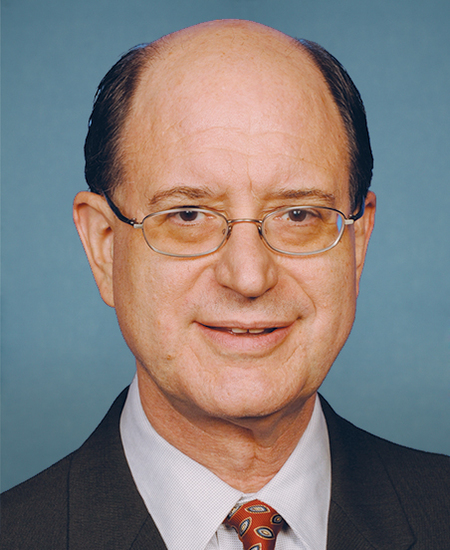
Brad Sherman
Brad Sherman House · District 32
D
Strong +
83% 12
Catherine Cortez Masto
Catherine Cortez Masto Senate
D
Strong −
0% 7
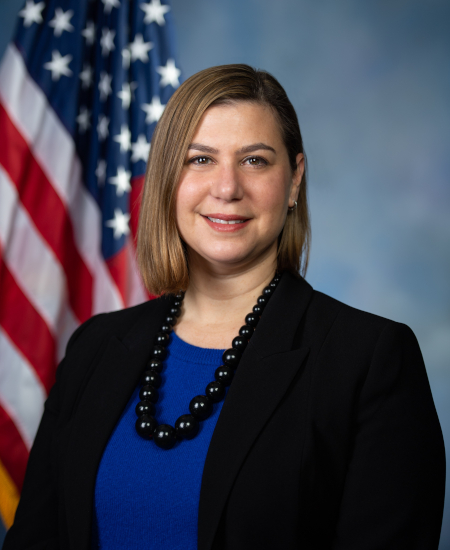
Elissa Slotkin
Elissa Slotkin Senate
D
Strong −
0% 7
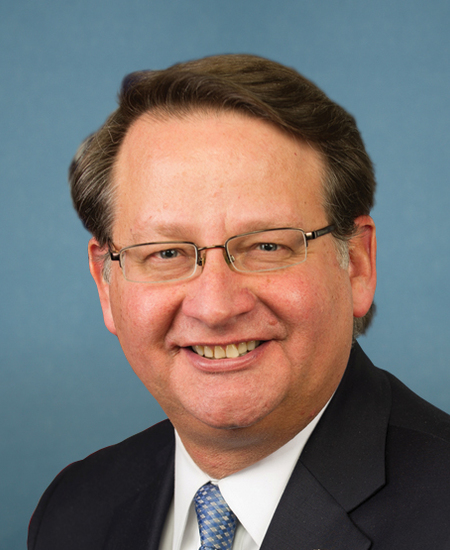
Gary C. Peters
Gary C. Peters Senate
D
Strong −
0% 7
Jacky Rosen
Jacky Rosen Senate
D
Strong −
0% 7
Jeanne Shaheen
Jeanne Shaheen Senate
D
Strong −
0% 7
Showing 71–80 of 104 bills

All immigration bills

in committee · United States · House Jul 23, 2025

HR 4703: To establish a system to track, record, and report all instances in which a United States citizen or individual lawfully admitted for permanent resident was, for the purpose of immigration enforcement, detained or removed by the Department of Homeland Security, and for other purposes.

This bill requires the Department of Homeland Security (DHS) to create a system tracking all detentions or removals of U.S. citizens and lawful permanent residents (LPRs) during immigration enforcement. DHS must report these cases quarterly to Congress, including instances where minors were removed alongside undocumented parents. The system must also include cases involving citizens or LPRs detained by other agencies and transferred to DHS. A separate process for individuals to prove citizenship or LPR status during detention must be established within 180 days.
in committee · United States · House May 20, 2025

HR 3504: Artemis Act of 2025

This bill amends immigration law to create an exception for certain individuals during expedited removal proceedings. It prevents the removal of aliens who are natives or citizens of a "country of concern" (defined as a country designated as a "country of particular concern" or on the "special watch list" under the International Religious Freedom Act of 1998). The key mechanism adds a new exception (subparagraph H) to the existing immigration law, blocking expedited removal for these individuals. This directly affects people from designated countries who would otherwise face rapid deportation. The bill does not change the definition of "country of concern" or create new designations; it only modifies removal procedures for existing designations.
in committee · United States · House Sep 3, 2025

HR 5073: INFORM Act of 2025

HR 5073, the INFORM Act of 2025, requires immigration authorities to notify the immediate family of a detained individual within 24 hours if they are transferred to a different detention facility. This applies directly to immigrants held under U.S. immigration law and their immediate family members, defined as parents, children, spouses, and certain extended family like step-relatives or domestic partners. The law mandates that notifications include the reason for the transfer and full contact details (name, address, phone number, and point of contact) for the new facility. It establishes a specific timeline and content requirement for these notifications to improve transparency during detention transfers. The bill focuses on procedural changes for facility transfers, not on altering detention policies or immigration eligibility.
in committee · United States · House Jul 24, 2025

HR 4667: VISIBLE Act

HR 4667, the VISIBLE Act, requires U.S. Immigration and Customs Enforcement (ICE), U.S. Customs and Border Protection (CBP), and other authorized immigration officers to visibly display their agency name and either their last name or unique badge number during all public immigration enforcement activities (such as stops, arrests, raids, or checkpoints). This identification must be clearly legible from 25 feet away on outer clothing, not obscured by gear, and officers cannot wear face coverings that hide their face during public interactions unless for covert operations or hazardous conditions. The bill mandates DHS to discipline non-compliant officers and submit annual reports to Congress detailing enforcement activities, violations, and disciplinary actions. It also directs DHS’s Civil Rights Office to investigate public complaints about noncompliance.
in committee · United States · House Aug 8, 2025

HR 4944: Ending Qualified Immunity for ICE Agents Act

This bill amends federal law to remove two key legal defenses ICE agents currently use in civil rights lawsuits. Specifically, it eliminates the ability of ICE agents to claim "good faith" or argue that constitutional rights were "not clearly established" when sued for actions like unlawful detention or deportation. The change directly affects ICE agents by making them personally liable for civil rights violations under federal law. It shifts the legal standard so plaintiffs need only prove the agent violated a clearly established right, not that the agent knew it was illegal at the time. This is a procedural change to the lawsuit process, not a new policy or funding measure.
Sub-Topics Civil Rights Detention Enforcement Sanctuary Policies Tags Civil Liberties
in committee · United States · House Feb 6, 2025

HR 1061: Protecting Sensitive Locations Act

Protecting Sensitive Locations Act This bill prohibits immigration enforcement actions within 1,000 feet of a sensitive location except in exigent circumstances, such as the imminent risk of death, violence, or physical harm to any person. Sensitive locations include  health care facilities; schools and school bus stops; places that provide assistance for people such as children, pregnant women, and abuse victims; child care facilities; places that provide disaster or emergency services; places of worship; courthouses and lawyers’ offices; facilities used as polling places; certain labor union facilities; and public assistance offices. The prohibition shall apply to Department of Homeland Security officers and agents, as well as state employees pursuing immigration enforcement actions. If an enforcement action is carried out in violation of this prohibition (1) no information resulting from the action may be entered into the record in a resulting removal proceeding, and (2) the affected individual may move to immediately terminate such a proceeding. U.S. Immigration and Customs Enforcement and U.S. Customs and Border Protection shall annually report to Congress about enforcement actions taken at sensitive locations in the preceding year.
in committee · United States · House Nov 19, 2025

HR 6149: FAIR Act

The FAIR Act requires immigration detention centers to provide detained immigrants with access to forms needed to contact their congressional representatives, including a Privacy Waiver form (ICE Form 60-001) and a Congressional Privacy Release form, upon written request. Detainees must receive these forms and a multilingual handbook explaining constituent services within 90 days of the bill’s enactment, with the handbook provided in their language or via interpreter. Centers must notify the detainee’s congressional office within seven days of a request and allow access to communication tools like computers and printers for ongoing contact. Failure to comply allows detainees to file complaints or sue in federal court, with enforcement mechanisms detailed in the bill. The law takes effect 90 days after enactment.
in committee · United States · Senate Jul 31, 2025

S 2594: IEIS Act

The IEIS Act requires U.S. Customs and Border Protection, Immigration and Customs Enforcement, and other authorized immigration enforcement personnel to visibly display their last name, a unique identifier, agency name, and face during public immigration enforcement activities like stops, arrests, or raids. This applies to officers performing "immigration enforcement functions" but excludes undercover operations, high-risk tactical situations (e.g., active shooter responses), or mandated face coverings. The bill also allows federal agencies to reimburse covered employees - defined as immigration officers and their immediate family members living with them - for privacy-enhancing services (e.g., software masking personal information) up to 100% of costs. It directly affects immigration enforcement staff and their families by mandating transparency during public duties while providing tools to protect their personal data.
in committee · United States · Senate Feb 6, 2025

S 455: Protecting Sensitive Locations Act

Protecting Sensitive Locations Act This bill prohibits immigration enforcement actions within 1,000 feet of a sensitive location except in exigent circumstances, such as the imminent risk of death, violence, or physical harm to any person. Sensitive locations include  health care facilities; schools and school bus stops; places that provide assistance for people such as children, pregnant women, and abuse victims; child care facilities; places that provide disaster or emergency services; places of worship; courthouses and lawyers’ offices; facilities used as polling places; certain labor union facilities; and public assistance offices. The prohibition shall apply to Department of Homeland Security officers and agents, as well as state employees pursuing immigration enforcement actions. If an enforcement action is carried out in violation of this prohibition (1) no information resulting from the action may be entered into the record in a resulting removal proceeding, and (2) the affected individual may move to immediately terminate such a proceeding. U.S. Immigration and Customs Enforcement and U.S. Customs and Border Protection shall annually report to Congress about enforcement actions taken at sensitive locations in the preceding year.
in committee · United States · Senate Nov 6, 2025

S 3146: Restoring Access for Detainees Act

S 3146 (Restoring Access for Detainees Act) would require U.S. Immigration and Customs Enforcement (ICE) to provide immigration detainees in DHS custody with specific communication services. It mandates 200 free monthly minutes for calls to family or legal representatives, unlimited free minutes for communications with legal entities (like courts, immigration officials, or the UN Refugee Agency), and private communication opportunities with lawyers or oversight officials during initial detention and location changes. The bill also prohibits facilities from restricting legal call duration or monitoring protected communications, while requiring clear public policies on call timing and location. This directly affects detained immigrants seeking legal assistance or family contact during immigration proceedings.
Showing 71 to 80 of 104 bills
Previous 1 … 7 8 9 … 11 Next