Issue · Immigration

Immigration

Every immigration bill, vote, and legislator stance in United States, automatically classified by Maddy, our AI policy reader.

Total bills
494
119th Congress
Top supporter
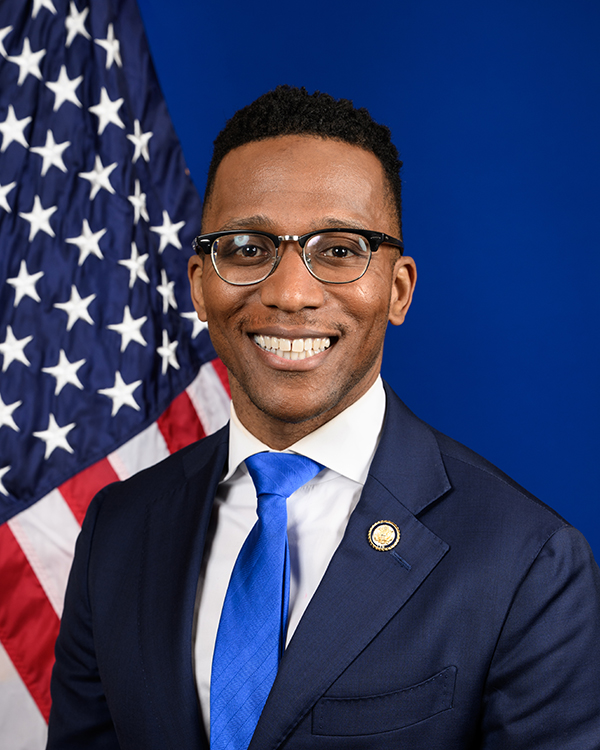
Christian D. Menefee
88% support rate
Top opponent
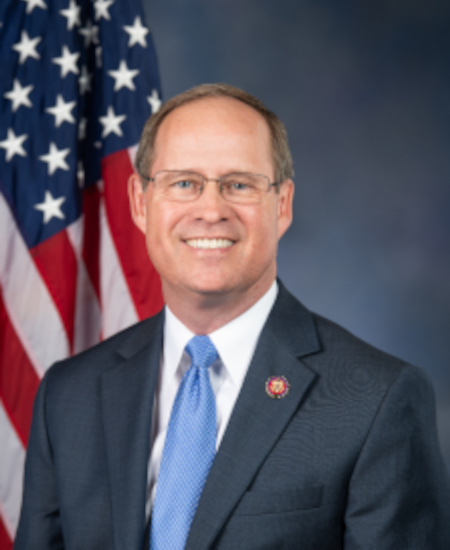
Gregory F. Murphy
14% support rate
Ranked legislators
10
5 support · 5 oppose
Key legislators

Who's moving immigration in United States

Legislators moving immigration in United States
Legislator Party Stance Support rate Votes
Christian D. Menefee
Christian D. Menefee House · District 18
D
Strong +
88% 66
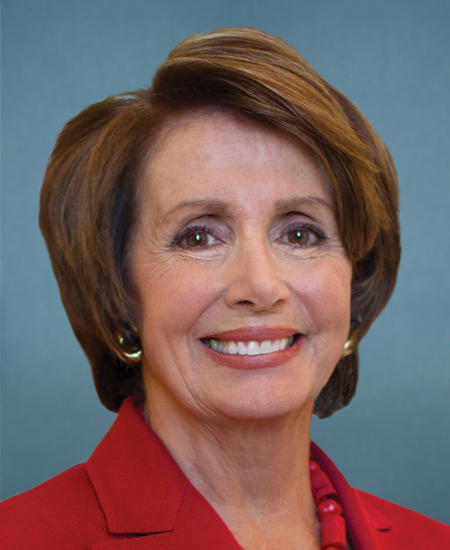
Nancy Pelosi
Nancy Pelosi House · District 11
D
Strong +
86% 139
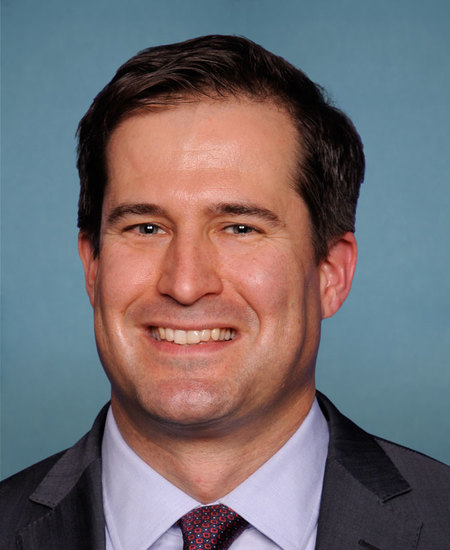
Seth Moulton
Seth Moulton House · District 6
D
Strong +
85% 127
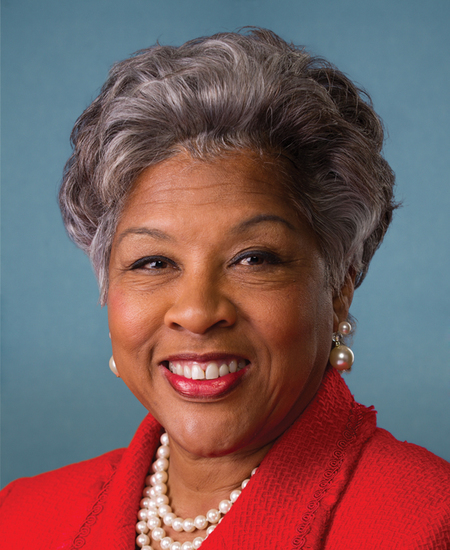
Joyce Beatty
Joyce Beatty House · District 3
D
Strong +
84% 135
Mike Quigley
Mike Quigley House · District 5
D
Strong +
84% 146
Gregory F. Murphy
Gregory F. Murphy House · District 3
R
Strong −
14% 123
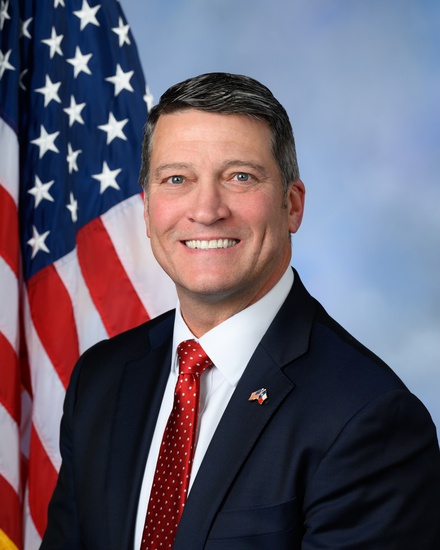
Ronny Jackson
Ronny Jackson House · District 13
R
Strong −
15% 145
Elise M. Stefanik
Elise M. Stefanik House · District 21
R
Strong −
16% 132
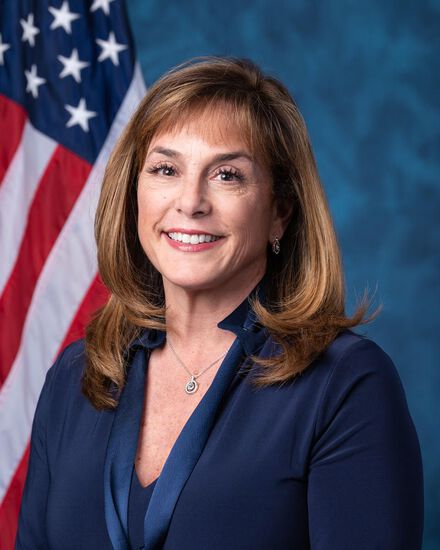
Lisa C. McClain
Lisa C. McClain House · District 9
R
Strong −
16% 147
Glenn Grothman
Glenn Grothman House · District 6
R
Strong −
16% 147
Showing 41–50 of 494 bills

All immigration bills

in committee · United States · House Jun 30, 2026

HR 9562: Anchors Away Act

The Anchors Away Act modifies U.S. immigration laws to expand birthright citizenship and restrict entry for certain pregnant individuals. It clarifies that anyone born in the United States to a parent who is a citizen, a lawful permanent resident, or a member of the U.S. Armed Forces automatically acquires citizenship. Additionally, the bill makes it illegal for pregnant nonimmigrants who are not married to U.S. citizens to enter the country, though it allows entry for those seeking legitimate medical treatment for childbirth. These changes apply only to people born on or after the law's enactment and to new admission applications filed on or after that date.
in committee · United States · House Jun 29, 2026

HR 9514: Homeownership Eligibility Reform Act

The Homeownership Eligibility Reform Act restricts access to government-backed and private mortgage insurance for single-family homes to individuals who are U.S. citizens. Specifically, the bill amends laws governing the Federal Housing Administration, Fannie Mae, and Freddie Mac to require that borrowers for one-to-four-unit properties must be citizens to qualify for their mortgage products. This change directly affects foreign nationals and non-citizen residents who currently might purchase homes with these types of financing, effectively limiting their eligibility for these specific mortgage programs.
in committee · United States · House Jun 25, 2026

HR 9456: SNAP Citizenship and Residency Act of 2026

The SNAP Citizenship and Residency Act of 2026 would restrict access to the Supplemental Nutrition Assistance Program for certain non-citizens. Under this proposal, individuals who are not lawful permanent residents would be ineligible for benefits, even if they live in a household that otherwise qualifies. Additionally, lawful permanent residents must have lived in the United States for at least 10 years after being admitted to receive assistance. This change directly impacts the eligibility criteria for immigrants currently participating in or seeking food assistance programs.
in committee · United States · House Jun 24, 2026

HR 9447: Getting Terrorist Fanatics Out Act of 2026

This bill, titled the Getting Terrorist Fanatics Out Act of 2026, amends existing immigration laws to allow for the immediate revocation of citizenship for individuals convicted of specific terrorist offenses. It directly affects naturalized U.S. citizens who are found guilty under sections 2339A or 2339B of the United States Code, which relate to providing material support to designated foreign terrorist organizations. Under the new provisions, the court handling the criminal conviction would automatically cancel the person's certificate of naturalization and declare their citizenship void without requiring a separate immigration hearing. The legislation grants criminal courts the authority to make this determination as part of the trial process for the underlying terrorist charges.
in committee · United States · House May 29, 2026

HR 9063: Hire American Act

The Hire American Act mandates that only U.S. citizens or nationals can be employed by the federal government, with specific exceptions for translators, emergency field workers, international broadcasters, and short-term wildland firefighters. To enforce this rule, the bill requires new hires to sign an affidavit confirming their citizenship status and allows for penalties of fines or imprisonment for individuals who knowingly provide false information. The Office of Personnel Management is tasked with issuing implementation guidance within 180 days and must publish reports detailing any non-citizen appointments made under the allowed exceptions. Additionally, the law extends these employment restrictions to include employees of the United States Postal Service and the Postal Regulatory Commission.
in committee · United States · Senate Jun 18, 2026

S 4834: Prioritizing American Talent Act

The Prioritizing American Talent Act prevents the Department of Homeland Security from using funds to process work permits for foreign students and special immigrants unless Congress explicitly authorizes their employment. This restriction applies specifically to individuals classified under sections 101(a)(15)(F) and (M) of the Immigration and Nationality Act, effectively halting the approval of their employment authorization applications. Additionally, the bill requires the rescission of any unspent fees collected for processing these specific applications that are not backed by congressional authorization. The Department of Homeland Security must determine and withdraw these funds within 30 days of the law's enactment.
Sub-Topics Work Authorization
in committee · United States · House Jun 18, 2026

HR 9361: Worst of the Worst Act

The Worst of the Worst Act requires the Department of Homeland Security to create a public database within 180 days of enactment. This database will list released criminal aliens who are subject to mandatory detention, including their photos, names, physical descriptions, release dates, and locations. The system will allow the public to search for individuals by name or release jurisdiction to track their whereabouts.
in committee · United States · House Jun 25, 2026

HR 9479: Remigration Act

The Remigration Act introduces several strict measures to revoke U.S. citizenship and immigration status under specific conditions. It allows for the loss of naturalized citizenship if a person is convicted of government fraud, joins a terrorist organization, or commits certain serious crimes within ten years of becoming a citizen. Additionally, the bill defines citizenship for children born in the U.S. based on their parents' legal status, creates a task force to review asylum and refugee grants made between 2021 and 2025, and mandates the revocation of status for individuals from designated countries or those who received public benefits recently. The legislation also raises the English language requirement for naturalization, allows for deportation based on anti-American beliefs, and requires denaturalized individuals to repatriate with their children.
in committee · United States · Senate Jun 11, 2026

S 4771: Protecting Asylum Integrity Act

The Protecting Asylum Integrity Act establishes a mandatory fee of at least $100 for individuals undergoing credible fear interviews, which is the initial screening process for those seeking asylum or other protection from removal. This fee must be paid before the interview takes place and is designed to cover the administrative costs associated with these screenings while potentially deterring the filing of meritless claims. Half of the collected fees will be used directly by U.S. Citizenship and Immigration Services to support processing operations, while the other half will go to the general Treasury fund. The bill also includes a provision to adjust the fee amount annually for inflation starting in fiscal year 2027.
in committee · United States · House Jul 7, 2026

HR 9199: Permanent Trump Secure Border Act

This bill, titled the Permanent Trump Secure Border Act, aims to strengthen border security and reform immigration enforcement by directing the Department of Homeland Security to resume and complete the construction of a physical border wall, expand the use of surveillance technology, and increase staffing levels for Border Patrol agents. It also imposes stricter rules on asylum eligibility and employment authorization for applicants, mandates the reopening of specific immigration detention facilities, and requires the return of individuals arriving from contiguous foreign countries to those nations while their claims are processed. Additionally, the legislation expands penalties for visa overstays, limits the use of certain digital tools like the CBP One app, and includes provisions to reduce funding for organizations that facilitate illegal entry or provide services to inadmissible aliens.
Showing 41 to 50 of 494 bills
Previous 1 4 5 6 50 Next