Issue · Immigration

Immigration (Enforcement)

Every immigration bill, vote, and legislator stance in United States, automatically classified by Maddy, our AI policy reader.

Total bills
431
119th Congress
Top supporter
Alan Armstrong
86% support rate
Top opponent
Catherine Cortez Masto
11% support rate
Ranked legislators
10
5 support · 5 oppose
Key legislators

Who's moving enforcement in United States

Legislators moving enforcement in United States
Legislator Party Stance Support rate Votes
AA
Alan Armstrong Senate
R
Strong +
86% 29
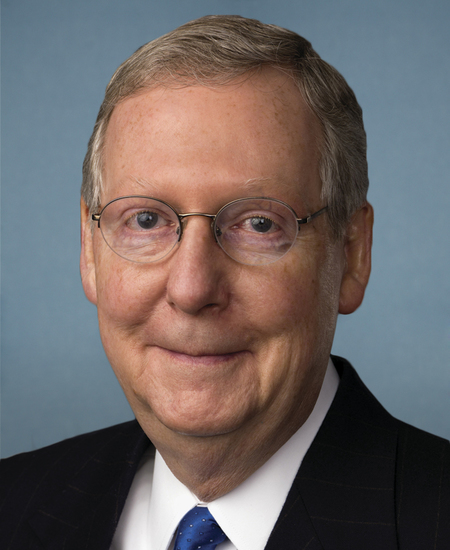
Mitch McConnell
Mitch McConnell Senate
R
Strong +
82% 33
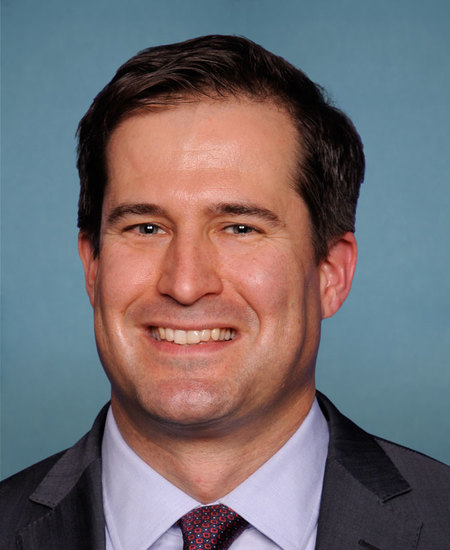
Seth Moulton
Seth Moulton House · District 6
D
Strong +
82% 11
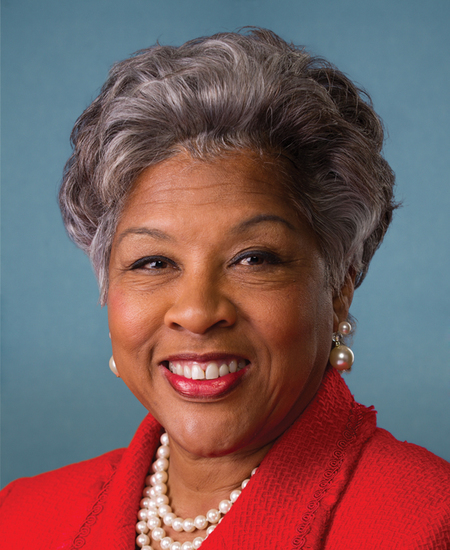
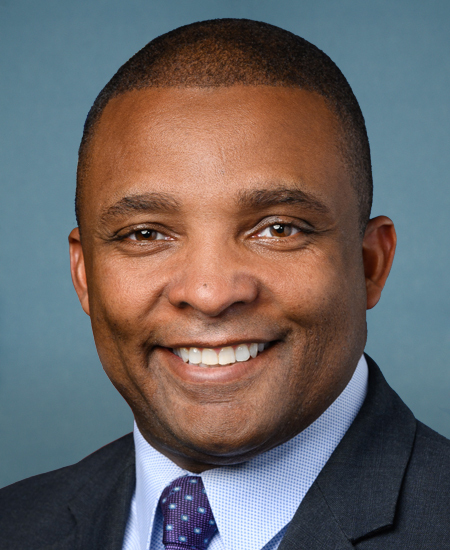
Joyce Beatty
Joyce Beatty House · District 3
D
Strong +
80% 10
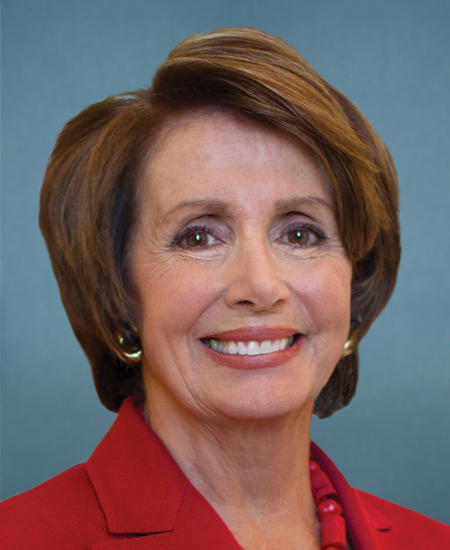
Nancy Pelosi
Nancy Pelosi House · District 11
D
Strong +
80% 10
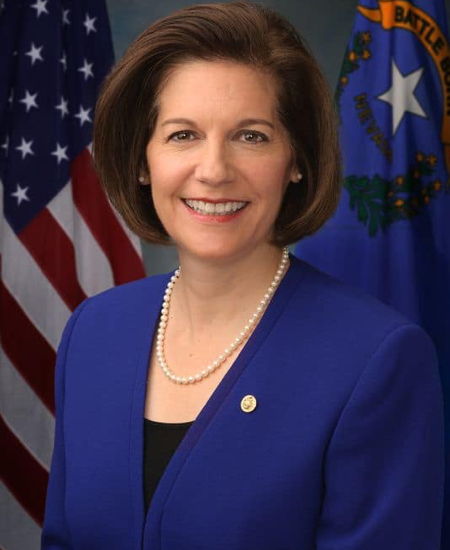
Catherine Cortez Masto
Catherine Cortez Masto Senate
D
Strong −
11% 35
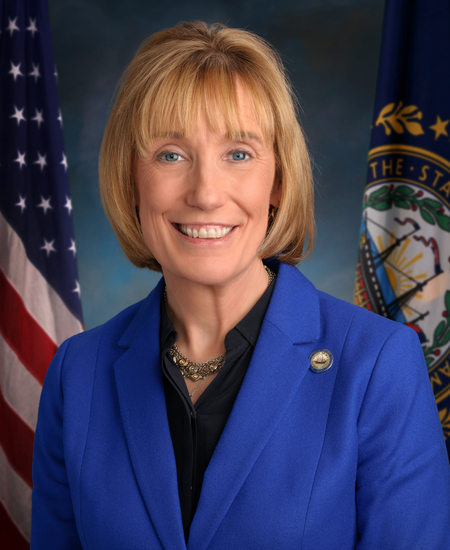
Margaret Wood Hassan
Margaret Wood Hassan Senate
D
Strong −
11% 35
Donald G. Davis
Donald G. Davis House · District 1
D
Strong −
12% 16
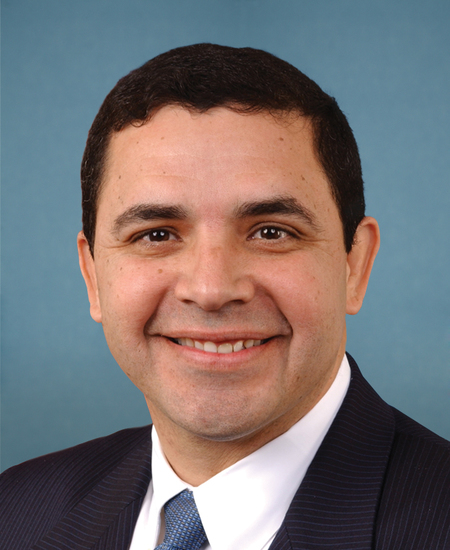
Henry Cuellar
Henry Cuellar House · District 28
D
Strong −
12% 16
Laura Gillen
Laura Gillen House · District 4
D
Strong −
12% 16
Showing 411–420 of 431 bills

All immigration bills

in committee · United States · House Mar 7, 2026

HR 1913: BLOC Act

The BLOC Act withholds federal highway construction funds from local governments (like cities or counties) that do not require officials to notify Homeland Security within 48 hours before releasing certain undocumented immigrants detained for at least 48 hours. Specifically, it blocks funding for infrastructure projects if a jurisdiction lacks a policy mandating such notifications for aliens determined by DHS to be unlawfully present. This directly affects local governments operating detention facilities and receiving federal transportation funds, requiring them to comply with DHS notification protocols to maintain funding. The bill does not change immigration law but ties federal infrastructure funding to cooperation with federal immigration enforcement.
in committee · United States · House Sep 19, 2025

HRES 754: Recognizing the psychological impact of immigration enforcement overreach on individuals, their families, and their community.

HRES 754 is a House resolution recognizing the psychological harm caused by current immigration enforcement practices, specifically affecting undocumented immigrants, their families (including 5.5 million U.S.-citizen children living with undocumented relatives), and communities. It condemns ICE tactics that undermine due process and Fourth Amendment rights, such as expedited deportations and courthouse arrests, and calls for Congress to oversee ICE detention centers and monitor policy implementation. The resolution also requests federal agencies collect data on mental health impacts and collaborate with nonprofits to provide culturally appropriate mental health services to affected communities. As a non-binding resolution, it does not change laws but formally acknowledges documented psychological effects like anxiety, family separation trauma, and disrupted community stability.
Sub-Topics Detention Enforcement Sanctuary Policies Tags Civil Liberties
in committee · United States · House Jul 10, 2025

HR 4349: Stop GAPS Act of 2025

This bill requires the Office of Refugee Resettlement (ORR) to track unaccompanied alien children (UACs) who are in the U.S. and in ongoing immigration proceedings after being released from Homeland Security custody. It also mandates ORR to work with states to find placements for these children. The bill amends federal regulations by removing a specific paragraph (45 CFR §410.1201(a)(6)) related to UAC processing. It directly affects UACs in immigration cases and the federal/state agencies managing their care. The key change is creating a formal tracking system and placement coordination requirement for this vulnerable population.
in committee · United States · Senate Feb 4, 2026

S 3779: ICE Out of Our Faces Act

The ICE Out of Our Faces Act prohibits U.S. Immigration and Customs Enforcement (ICE) and U.S. Customs and Border Protection (CBP) officers from using facial recognition, voice recognition, or other biometric surveillance technology for immigration enforcement. It directly affects ICE, CBP, and 287(g) deputized officers by banning their acquisition, possession, or use of such technology in the U.S. The bill requires immediate deletion of all existing biometric data collected by these officers within 30 days and makes evidence obtained in violation inadmissible in court. Violations could lead to lawsuits by affected individuals or state attorneys general, with possible damages, penalties, or injunctive relief.
in committee · United States · Senate Jul 8, 2025

S 2212: VISIBLE Act

S 2212, the VISIBLE Act, requires immigration enforcement officers to visibly display their agency name and either their last name or unique badge number during all public-facing immigration enforcement activities in the United States. This applies to officers from U.S. Customs and Border Protection, U.S. Immigration and Customs Enforcement, and other authorized personnel during actions like stops, arrests, raids, or warrant service. The bill mandates that this identification be clearly legible from 25 feet away on outermost clothing, prohibits non-medical face coverings that obscure it (except in covert operations or hazardous conditions), and requires annual reports to Congress on compliance and disciplinary actions. It aims to increase transparency during immigration enforcement interactions where the public may be present.
in committee · United States · Senate Mar 25, 2025

S 1123: College Employment Accountability Act

This bill requires colleges and universities receiving federal student aid to comply with U.S. immigration law regarding employment of unauthorized workers. Specifically, it mandates that institutions participate in the E-Verify program (which checks employment eligibility) and prohibits them from receiving federal funds if they violate immigration employment rules. The Department of Homeland Security will monitor E-Verify participation every six months and notify the Education Department if an institution fails to comply. This directly affects any accredited college or university seeking federal student aid or institutional grants under the Higher Education Act.
in committee · United States · House Sep 3, 2025

HR 5108: Stop Greenlighting Driver Licenses for Illegal Immigrants Act

HR 5108 prohibits U.S. states from receiving federal Edward Byrne Memorial Justice Assistance Grant Program funds if they issue driver licenses to individuals without proof of U.S. citizenship or lawful presence, or if they restrict government entities from sharing immigration enforcement data with Homeland Security. States violating these rules must return unspent federal grant funds within 30 days and remain ineligible for future grants until they pass laws requiring driver license eligibility proof and permitting immigration data sharing. The bill directly affects states that currently issue licenses to undocumented immigrants or block information sharing with federal immigration authorities. It imposes concrete financial penalties rather than altering driver licensing rules themselves.
in committee · United States · House Jan 7, 2025

HR 218: State Immigration Enforcement Act

HR 218, the State Immigration Enforcement Act, allows states and local governments to create and enforce their own criminal and civil penalties for immigration violations that mirror federal immigration law. It permits states to impose penalties (criminal or civil) for the same conduct prohibited under federal immigration law, but only if those penalties do not exceed the corresponding federal penalties. This bill directly affects states and local law enforcement agencies by giving them authority to enforce immigration-related violations through state-level penalties. The law does not change federal immigration law but establishes a framework for states to implement parallel enforcement mechanisms within defined limits.
passed · United States · House Feb 10, 2025

HR 29: Laken Riley Act

The Laken Riley Act expands mandatory detention for immigrants convicted of certain property crimes like burglary, theft, or shoplifting by adding these offenses to existing immigration detention criteria. It requires the federal government to issue detainers for such individuals and take custody if not detained by local authorities. The bill also grants state attorneys general standing to sue federal officials in federal court if they believe immigration enforcement actions (like releasing detained immigrants) cause the state financial harm exceeding $100. This creates new legal pathways for states to challenge federal immigration decisions through expedited lawsuits.
in committee · United States · Senate Feb 25, 2026

S 3920: UASI Act

S 3920 (UASI Act) requires local governments applying for Urban Areas Security Initiative (UASI) grants to allocate at least 30% of their total grant funds across specific national priority areas, including cybersecurity, soft target protection, and election security. Crucially, it mandates a minimum 10% allocation for "border crisis response and enforcement," which includes activities like cooperating with ICE on detainers, training law enforcement on immigration law, and developing shared technology systems with ICE. Grantees must also submit detailed justifications for border-related spending and certify compliance with DHS rules, including prohibitions on incentivizing illegal immigration. Failure to meet these allocations could result in funding holds, denial of future grants, or termination of current awards. The requirements apply to all UASI grants awarded for fiscal year 2027 and beyond.
Showing 411 to 420 of 431 bills
Previous 1 41 42 43 44 Next