Issue · Immigration

Immigration (Sanctuary Policies)

Every immigration bill, vote, and legislator stance in United States, automatically classified by Maddy, our AI policy reader.

Total bills
104
119th Congress
Top supporter
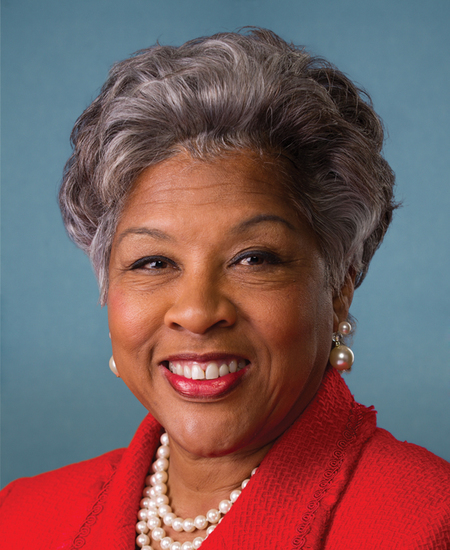
Joyce Beatty
89% support rate
Top opponent
Catherine Cortez Masto
0% support rate
Ranked legislators
10
5 support · 5 oppose
Key legislators

Who's moving sanctuary policies in United States

Legislators moving sanctuary policies in United States
Legislator Party Stance Support rate Decisive votes
Joyce Beatty
Joyce Beatty House · District 3
D
Strong +
89% 9
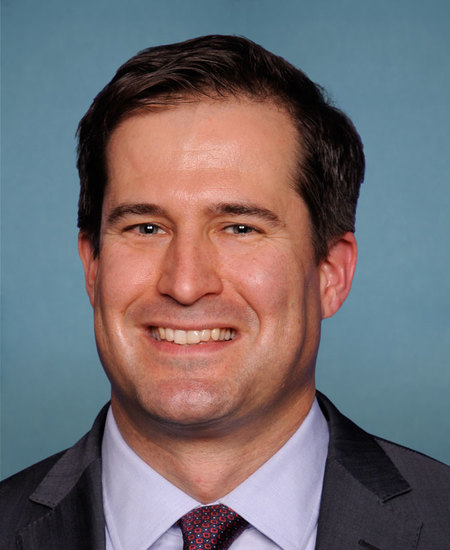
Seth Moulton
Seth Moulton House · District 6
D
Strong +
89% 9
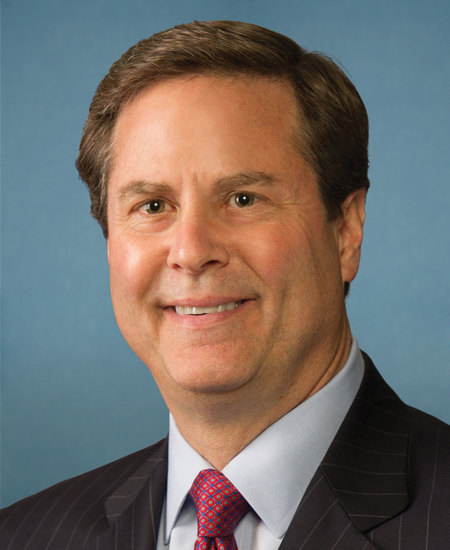
Donald Norcross
Donald Norcross House · District 1
D
Strong +
88% 8
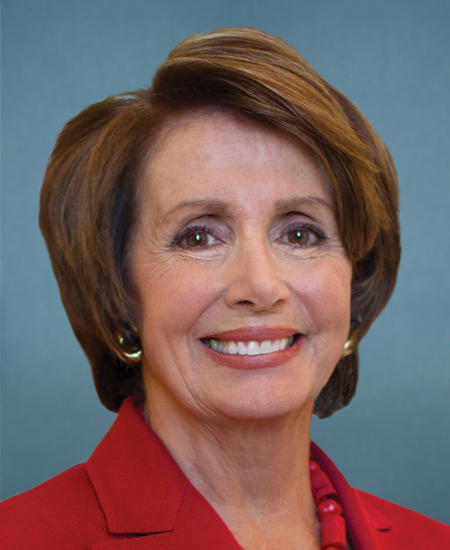
Nancy Pelosi
Nancy Pelosi House · District 11
D
Strong +
88% 8
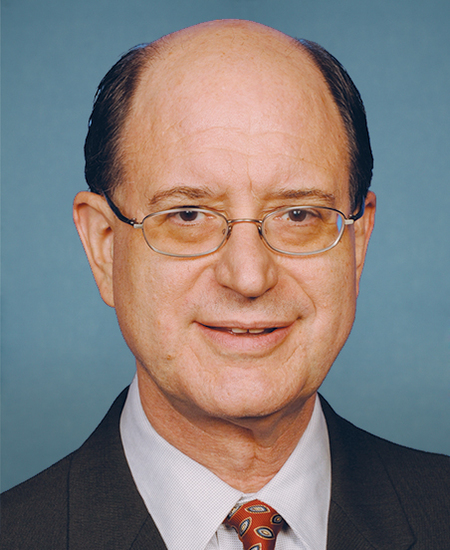
Brad Sherman
Brad Sherman House · District 32
D
Strong +
83% 12
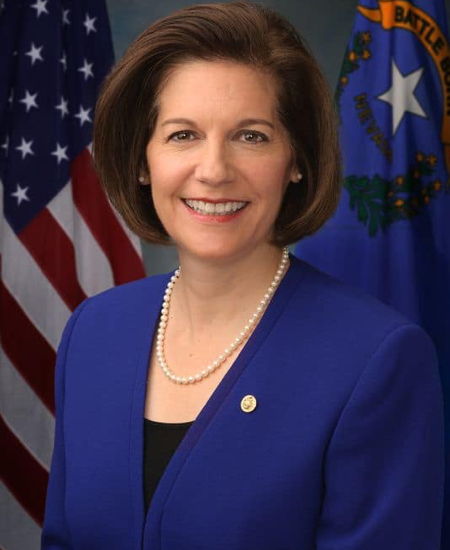
Catherine Cortez Masto
Catherine Cortez Masto Senate
D
Strong −
0% 7
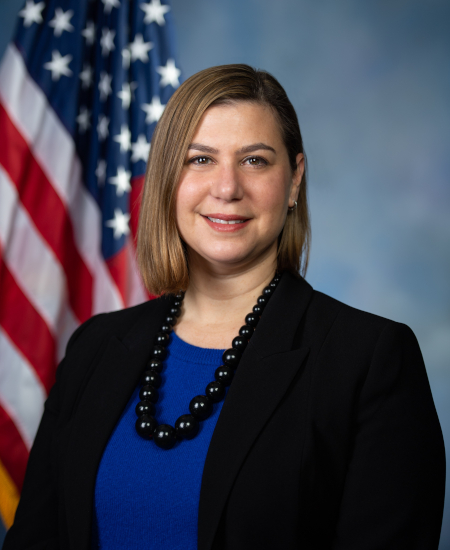
Elissa Slotkin
Elissa Slotkin Senate
D
Strong −
0% 7
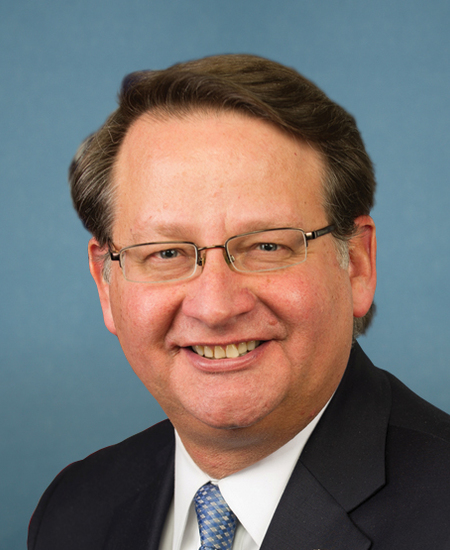
Gary C. Peters
Gary C. Peters Senate
D
Strong −
0% 7
Jacky Rosen
Jacky Rosen Senate
D
Strong −
0% 7
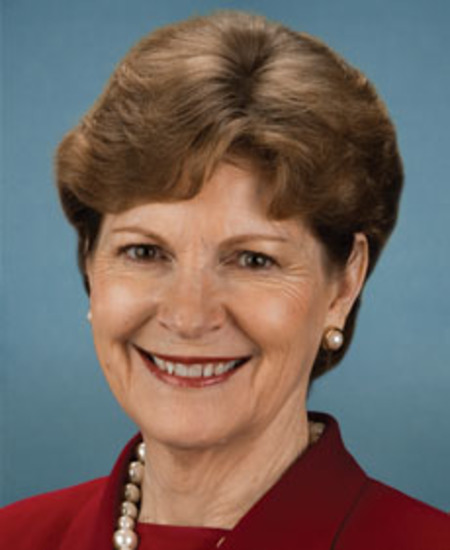
Jeanne Shaheen
Jeanne Shaheen Senate
D
Strong −
0% 7
Showing 31–40 of 104 bills

All immigration bills

in committee · United States · House Mar 18, 2026

HR 7986: Save the World Cup Act

This bill prohibits the use of federal funds by the Department of Homeland Security and the Department of Justice to conduct civil immigration enforcement activities within one mile of any 2026 FIFA World Cup match or Fan Festival. The restriction applies to all civil immigration enforcement actions under existing immigration laws, with limited exceptions for urgent situations such as imminent threats to life, national security, public safety, or the destruction of evidence. The legislation would directly affect immigration enforcement operations in the areas surrounding World Cup venues and fan events, ensuring that routine civil immigration enforcement does not occur in these designated zones.
in committee · United States · Senate Mar 19, 2026

S 4142: SHIELD Act

This bill, known as the SHIELD Act, authorizes the Attorney General to provide grants to states, local governments, and organizations to help recruit, train, and retain staff needed to support legal representation for individuals facing immigration removal proceedings. The program would fund workforce development initiatives such as hiring new lawyers and accredited representatives, providing technical training, improving language services, and building administrative infrastructure in areas with high unmet legal needs. Eligible recipients must use funds to supplement existing resources rather than replace them, and they would be required to submit regular reports on how the grants improve access to legal services. The legislation allocates $100 million for fiscal years 2026 and 2027 to support these efforts while maintaining oversight through audits and compliance requirements.
in committee · United States · Senate Mar 4, 2026

S 3995: LOCATE Act

This bill requires U.S. Customs and Border Protection and U.S. Immigration and Customs Enforcement to update the Online Detainee Locator System within six to 12 hours after any significant change in a detainee's custody status, such as transfer, release, or death. The system must include specific details like the detainee's full name, current facility location, and scheduled release or transfer dates. Additionally, the bill mandates that family members or legal representatives be notified within 12 hours of custody events and establishes annual audits by the Department of Homeland Security Inspector General to ensure compliance.
in committee · United States · House Mar 18, 2026

HR 7982: Protect World Cup Attendees Act

This bill prohibits the use of specific federal Homeland Security grant funds for civil immigration enforcement activities during a defined period from June 11 to July 19, 2026. It directly affects state and local entities receiving funds under the State Homeland Security Grant program, restricting them from participating in Section 287(g) programs or conducting civil immigration enforcement during the covered time period. The law allows exceptions only for urgent situations involving imminent threats to life, national security, public safety, or evidence preservation. The legislation is titled the "Protect World Cup Attendees Act," indicating its purpose is to safeguard attendees of the 2026 World Cup event.
in committee · United States · House Mar 18, 2026

HR 7988: Safe Passage to the World Cup Act

This bill restricts the use of federal funds for immigration enforcement on public transit and at transit hubs during the 2026 FIFA World Cup. It directly affects the Department of Homeland Security and the Department of Justice by prohibiting civil immigration enforcement activities in metropolitan areas hosting World Cup matches or fan festivals from June 11, 2026, through July 19, 2026. The restriction applies except in cases of exigent circumstances, which include imminent threats of death or violence, national security risks, immediate arrest of dangerous individuals, or the need to prevent destruction of evidence. The law defines these exceptions to allow enforcement when there is an immediate risk to public safety or national security.
in committee · United States · House Sep 26, 2025

HR 5603: Emergency Responder Protection Act

The Emergency Responder Protection Act (HR 5603) prohibits U.S. Immigration and Customs Enforcement (ICE) and U.S. Customs and Border Protection (CBP) officers from conducting immigration enforcement actions within 1,000 feet of protected emergency response locations - such as hospitals, shelters, disaster relief sites, or evacuation routes - except in clear cases of immediate danger to life or national security. It requires officers to consult supervisors in real-time if circumstances are unclear, mandates detailed annual reports to Congress on any enforcement near these sites, and creates penalties for violations, including barring evidence from removal proceedings. The law specifically exempts rare, premeditated arrests of terrorism suspects or individuals posing extraordinary public safety threats, with prior written approval. This directly affects ICE and CBP officers, requiring them to adjust operations near active emergency scenes.
Sub-Topics Border Security Enforcement Sanctuary Policies Tags Public Safety
in committee · United States · House Dec 5, 2025

HR 6493: NOEM Act

HR 6493, the NOEM Act, amends Section 1983 of federal law to explicitly allow civil lawsuits against individuals acting under federal immigration enforcement authority. The bill adds "or of any Federal immigration enforcement authority" to the existing language, expanding the scope of Section 1983 to include federal immigration officers. This change directly affects federal immigration enforcement personnel by enabling individuals to sue them under this civil rights provision for misconduct. The bill focuses solely on clarifying the legal pathway for such lawsuits, with no additional provisions or mechanisms described in the provided text.
in committee · United States · Senate Feb 4, 2026

S 3776: The Federal Grant Neutrality Act

The Federal Grant Neutrality Act (S 3776) prevents the Department of Justice from requiring entities to comply with specific immigration-related laws or presidential directives as a condition for receiving DOJ grants. It specifically blocks the Attorney General from demanding agreement to Section 642 of the 1996 immigration law, presidential memoranda, or executive orders. This directly affects local governments, community organizations, and other applicants seeking federal grant funding from the DOJ. The bill removes these requirements as a prerequisite for grant eligibility, ensuring entities can access funding without meeting those particular conditions. The change applies only to DOJ-administered grants, not other federal programs.
in committee · United States · House Feb 23, 2026

HR 7652: Respect for Local Communities Act

HR 7652, the Respect for Local Communities Act, requires the federal government to obtain local community input before building new U.S. Immigration and Customs Enforcement (ICE) detention centers or processing facilities. The bill mandates a 30-day public comment period in the Federal Register, written agreements with local mayors/councils and the state governor, and a 30-day waiting period after reporting to congressional committees before construction or operation begins. It directly affects local governments (mayors, city/county councils) and state governors who must agree to new facilities, and applies to any new ICE facility built after the bill's enactment. Key provisions include requiring an economic impact analysis, environmental compliance checks, and detailed public notice before federal agencies can proceed. The bill does not block construction but adds specific procedural steps for community engagement and oversight.
in committee · United States · House Feb 9, 2026

HR 7439: Uniform Standards for Federal Law Enforcement Act of 2026

HR 7439 establishes new limits on when federal law enforcement officers can use deadly force, directly affecting all federal officers (including immigration officers) under the law. The bill prohibits using deadly force solely to prevent a suspect's escape, disable a moving vehicle, or address threats to property or self-harm. It requires officers to give a verbal warning before using deadly force when safe, bans warning shots except in federal prisons, and mandates new training on avoiding deadly force. These provisions aim to clarify and restrict the circumstances under which deadly force may be justified during federal law enforcement operations.
Showing 31 to 40 of 104 bills
Previous 1 … 3 4 5 … 11 Next