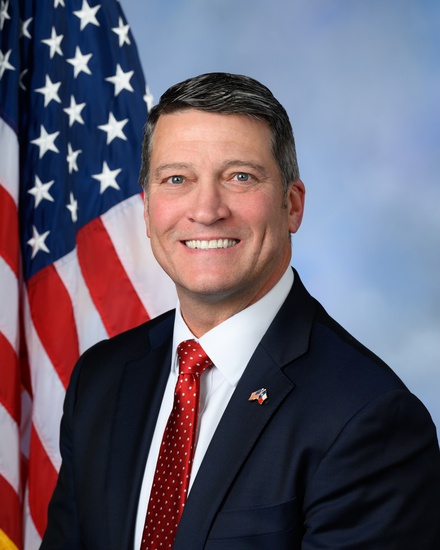
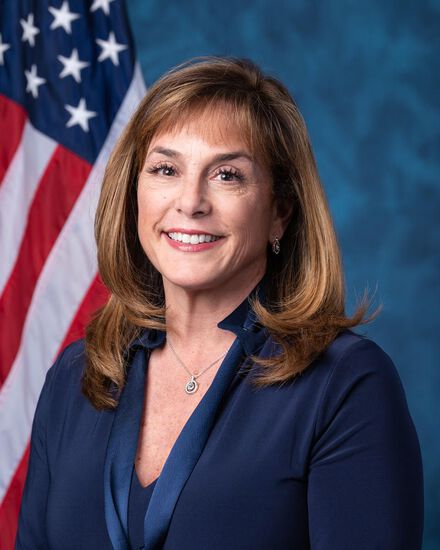
The No PREJUDICE Act prohibits Department of Homeland Security officers from detaining, arresting, or investigating individuals based on their race, ethnicity, job, or use of a non-English language or an accented English. It specifically bans profiling at locations like bus stops or agricultural sites and forbids targeting people for hobbies or careers. If someone in immigration removal proceedings claims they were stopped for these reasons, they can request a court hearing to prove the violation. A judge who finds the profiling unlawful must dismiss the removal case, while the case continues only if no violation is found.
The Right to Learn Act of 2026 creates a grant program to help schools and community organizations support students and staff affected by immigration enforcement actions. Funds awarded by the Department of Education can be used to hire trauma-informed counselors, provide emergency assistance like food and legal referrals, and train educators on culturally responsive care. The bill strictly prohibits schools from collecting or sharing personal data about a student's immigration status and forbids denying services based on that status. Eligible recipients include public schools, early childhood programs, universities, and legal service providers, with a total funding authorization of $250 million over five years.
Orlin's Law requires immigration officials to identify detained parents and prioritize family unity by limiting detention when possible. The bill mandates that parents be allowed to make free calls and visits with their children, participate in family court proceedings, and access necessary documents to care for their dependents. It also establishes a new office within U.S. Immigration and Customs Enforcement to coordinate these protections and provides for community-based alternatives to detention. Additionally, the law creates a presumption that parental rights remain intact even if a child is separated from a detained parent and outlines specific steps to facilitate reunification upon removal.
The Careworker Visa Act of 2026 establishes a new visa category for foreign nationals to work as caregivers in private homes or small businesses with fewer than 25 employees, addressing a shortage of childcare, eldercare, and disability support workers. To qualify, employers must be certified by the Department of Labor, pay a prevailing wage determined by local standards, and file a petition that includes proof of financial stability and tax compliance. The visa allows workers to stay for initial three-year periods that can be renewed, includes a 90-day grace period for changing employers, and provides a pathway to permanent residency after meeting specific criteria. The legislation also strengthens protections against wage theft and retaliation by creating a dedicated office to handle complaints and prohibiting employers from using immigration status to control workers.
This bill directs U.S. Customs and Border Protection to launch a two-year pilot program at land ports of entry along the Arizona border to test an artificial intelligence tool designed to detect unusual patterns in data. The system aims to assist officers in screening for illicit drugs and contraband by improving inspection accuracy, processing speed, and overall border security while addressing staffing challenges. To ensure safety and effectiveness, the program requires strict cybersecurity oversight and allows for collaboration with federal agencies and private sector experts. Throughout the pilot, officials must submit regular reports to Congress detailing the algorithm's performance metrics, costs, and any successes or failures before deciding whether to expand its use.
The Haitian Refugee Immigration Fairness Act of 2026 allows nationals of Haiti and their immediate family members who have lived continuously in the United States since June 26, 2024, to apply for permanent resident status. To qualify, applicants must submit their request within three years of the bill's enactment and generally cannot have been convicted of aggravated felonies, multiple crimes of moral turpitude, or acts of persecution. The bill also permits eligible individuals with existing deportation orders to apply without first overturning those orders and grants them work authorization while their applications are pending. Additionally, the legislation ensures that granting permanent residence to these applicants does not reduce the number of available immigrant visas for other categories.
This resolution directs the House of Representatives to immediately consider and pass a separate bill, H.R. 1589, which would allow certain non-citizens to cancel their removal and adjust their immigration status. The resolution also waives standard rules that would normally limit debate and amendments on H.R. 1589 to expedite its passage. Additionally, it modifies a specific date within the immigration bill from January 1, 2017, to July 1, 2024, likely to adjust eligibility timelines for affected individuals. Once passed, the House will formally notify the Senate that the bill has been approved.
This Senate resolution commemorates the upcoming 250th anniversary of the United States while reaffirming a commitment to liberty and equality for all immigrant communities. It does not create new laws or change specific policies but instead expresses the Senate's support for expanding programs that help immigrants overcome barriers such as language difficulties and limited access to jobs or legal services. The text encourages collaboration with community organizations to ensure integration efforts are effective and urges government bodies at all levels to invest in initiatives that promote equity and inclusion. Ultimately, the resolution serves as a formal statement celebrating the contributions of immigrants and calling for a united future based on shared democratic ideals.
This bill directs the Secretary of Homeland Security to grant Temporary Protected Status to nationals of Haiti. Under this provision, eligible Haitian immigrants would be allowed to live and work in the United States without fear of deportation until March 20, 2029. The legislation overrides other existing laws to ensure this designation remains in effect for the specified period.
The Diversity Visa Protection and Modernization Act limits the executive branch's ability to completely stop the Diversity Visa Program, which provides immigration opportunities to applicants from countries with low rates of migration to the United States. Instead of allowing indefinite or broad pauses, the bill permits only targeted restrictions on specific countries, individual security denials, or temporary suspensions lasting no more than 60 days. Any such limitation requires the relevant government officials to notify Congress and publish details about the threat and legal basis at least seven days in advance. Additionally, the law ensures that individuals who have already received a Diversity Visa cannot lose their eligibility due to a temporary program-wide suspension.