Issue · Immigration

Immigration (Sanctuary Policies)

Every immigration bill, vote, and legislator stance in United States, automatically classified by Maddy, our AI policy reader.

Total bills
213
119th Congress
Top supporter
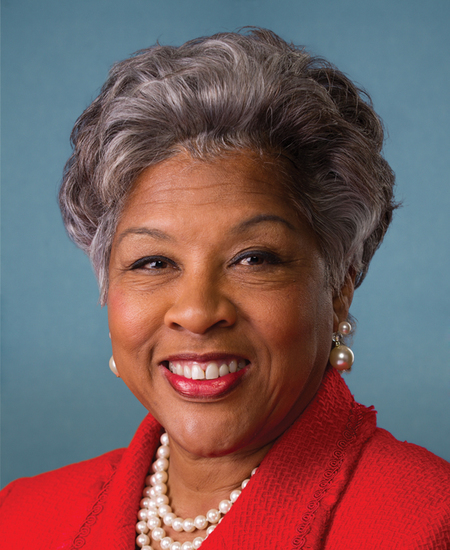
Joyce Beatty
89% support rate
Top opponent
Catherine Cortez Masto
0% support rate
Ranked legislators
10
5 support · 5 oppose
Key legislators

Who's moving sanctuary policies in United States

Legislators moving sanctuary policies in United States
Legislator Party Stance Support rate Decisive votes
Joyce Beatty
Joyce Beatty House · District 3
D
Strong +
89% 9
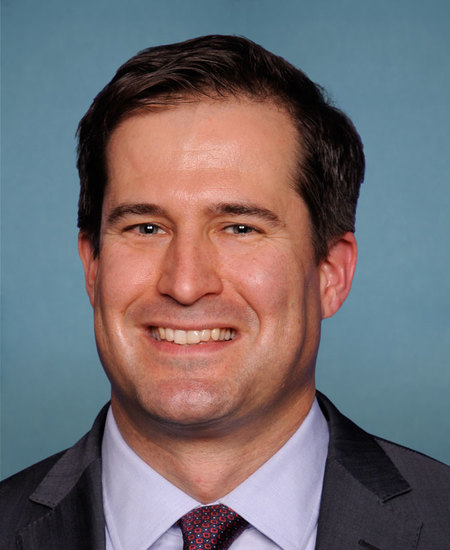
Seth Moulton
Seth Moulton House · District 6
D
Strong +
89% 9
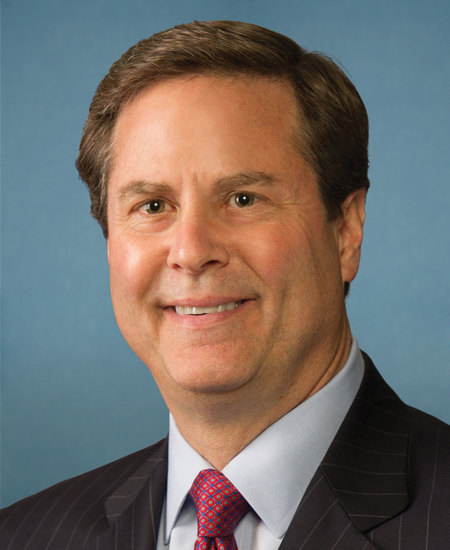
Donald Norcross
Donald Norcross House · District 1
D
Strong +
88% 8
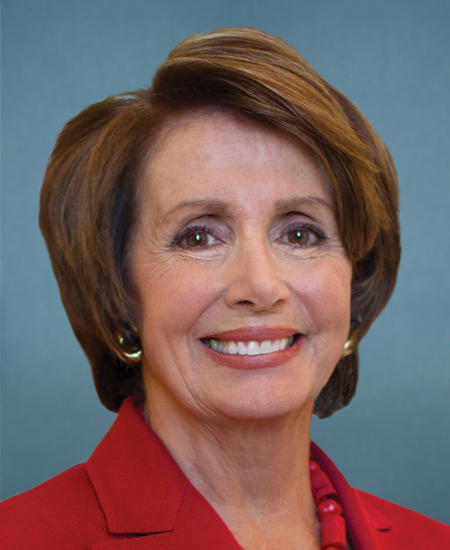
Nancy Pelosi
Nancy Pelosi House · District 11
D
Strong +
88% 8
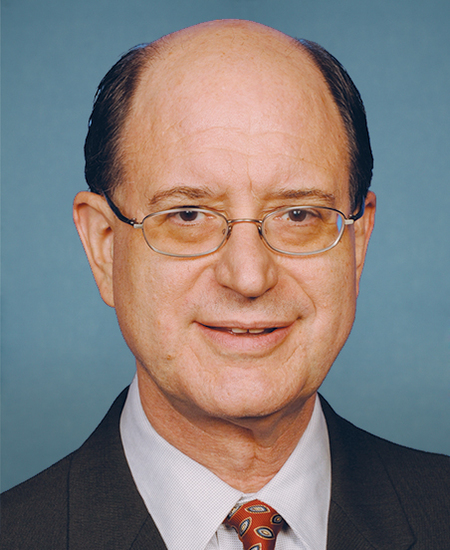
Brad Sherman
Brad Sherman House · District 32
D
Strong +
83% 12
Catherine Cortez Masto
Catherine Cortez Masto Senate
D
Strong −
0% 7
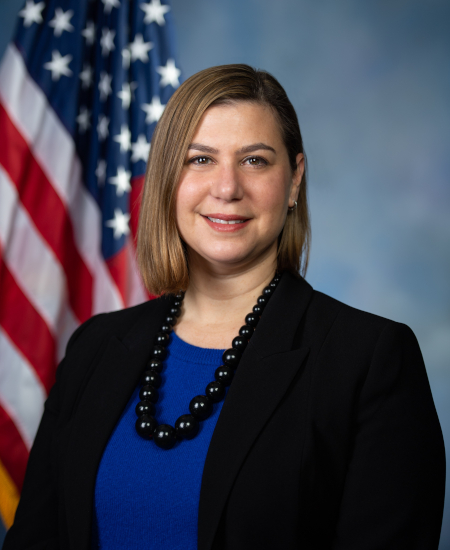
Elissa Slotkin
Elissa Slotkin Senate
D
Strong −
0% 7
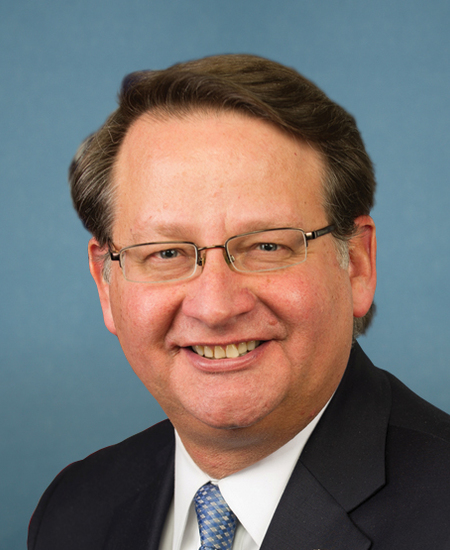
Gary C. Peters
Gary C. Peters Senate
D
Strong −
0% 7
Jacky Rosen
Jacky Rosen Senate
D
Strong −
0% 7
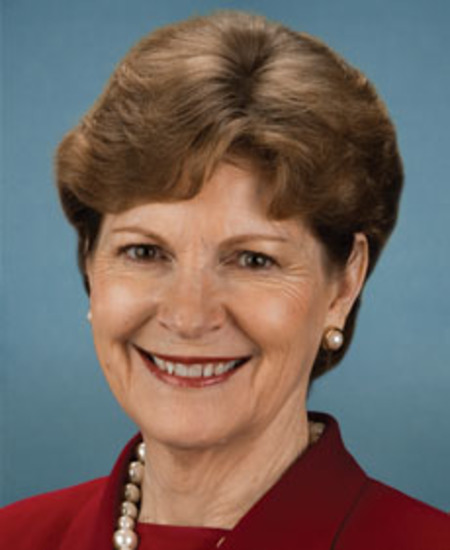
Jeanne Shaheen
Jeanne Shaheen Senate
D
Strong −
0% 7
Showing 31–40 of 213 bills

All immigration bills

in committee · United States · House Mar 19, 2026

HR 8015: Incentivizing Cooperation in Immigration Enforcement Act

This bill modifies federal grant eligibility rules to prioritize states or local jurisdictions that have formal agreements with the Department of Homeland Security under the 287(g) program. The 287(g) program allows local law enforcement to work with federal immigration officials on immigration enforcement activities. By changing the Omnibus Crime Control and Safe Streets Act, the legislation ensures that states or political subdivisions with these written agreements receive priority consideration when applying for certain crime control grants. The change does not mandate participation but creates a preference for jurisdictions already engaged in this type of cooperation.
in committee · United States · House Apr 2, 2026

HR 8182: Banning Perpetrators of Religious Persecution Act of 2026

This bill prohibits the issuance of U.S. visas to individuals who have committed particularly severe violations of religious freedom, either while serving as foreign government officials or while acting outside the United States. It directly affects foreign nationals by adding them to the list of inadmissible aliens under U.S. immigration law if they meet specific criteria related to religious persecution. The law requires the Secretary of State to publish the names and locations of these individuals on a public website, though the Secretary retains discretion to withhold identities if doing so would harm U.S. foreign policy interests. This measure expands existing immigration restrictions to specifically target those responsible for religious freedom violations, creating a new ground for visa denial.
in committee · United States · House Mar 25, 2026

HR 8077: 287(g) Cooperation Act of 2026

This bill, the 287(g) Cooperation Act of 2026, requires state and local law enforcement agencies to sign a formal agreement with the Department of Homeland Security to remain eligible for federal Community Oriented Policing Services grants. The law mandates that agencies must have this written memorandum of agreement in place within 180 days of the bill's enactment, or they will be ineligible to receive funding for the program. The Attorney General and Secretary of Homeland Security must establish procedures to verify that agencies have completed this agreement before approving any grant awards. The changes apply to grant applications starting with fiscal year 2027 and all subsequent years.
in committee · United States · House Apr 9, 2026

HR 8240: SAFER Act of 2026

The SAFER Act of 2026 prohibits U.S. immigration officials from granting asylum to individuals who have returned to their country of nationality or last habitual residence after applying for asylum. The bill also allows for the termination of existing asylum status, denaturalization, and deportation for those who return to their country of concern. Exceptions to these restrictions may be made on a case-by-case basis if the President certifies national security needs or the Secretary of State certifies a legitimate transfer of power in the country. This legislation directly affects asylum seekers and those already granted asylum who travel back to their home countries.
in committee · United States · House Mar 5, 2026

HR 7846: Halo Act

This bill, known as the Halo Act, creates a new federal crime for intentionally approaching or staying within 25 feet of immigration enforcement officers after receiving a verbal warning, if the person intends to interfere with their work, threaten them, or harass them. It directly affects individuals who may attempt to block or disrupt immigration officers performing their duties, such as during arrests or investigations. The law defines harassment as conduct that causes substantial emotional distress to an officer and serves no legitimate purpose, and it carries penalties of up to five years in prison, a fine, or both. This provision adds to existing Title 18 United States Code by establishing specific boundaries for behavior near federal immigration officials.
in committee · United States · House Jun 10, 2025

HR 3894: SAFE Cities Act

HR 3894, the SAFE Cities Act, requires the Attorney General to publish and update every 180 days a list of jurisdictions (states or local governments) that refuse to stop violence and property destruction, based on specific criteria like blocking police intervention or defunding law enforcement. The bill directs the Office of Management and Budget to issue guidance restricting federal grant eligibility for these jurisdictions, to the extent permitted by law. It would directly affect local or state governments meeting the defined criteria, potentially limiting their access to federal funding. The law focuses on creating a federal mechanism to identify and financially disfavor jurisdictions with policies deemed insufficient for public safety.
in committee · United States · Senate Jan 13, 2025

S 72: Justice for Jocelyn Act

This bill (S 72) changes how Immigration and Customs Enforcement (ICE) releases non-detained immigrants. It requires that aliens only be placed in Alternatives to Detention (ATD) programs after all detention beds are filled, no detention options exist, and all reasonable detention efforts are exhausted (Section 2). It mandates continuous GPS monitoring and a nightly curfew (10 p.m. to 5 a.m.) for all aliens in ATD programs during all immigration proceedings and until removal (Section 3). Additionally, it allows for automatic removal in absentia if an alien fails to comply with release conditions, based on an officer’s affidavit (Section 4). The bill directly affects non-detained immigrants under ICE supervision who would previously qualify for ATD.
in committee · United States · House Sep 3, 2025

HR 5118: Protecting Law Enforcement from Doxxing Act

HR 5118, the "Protecting Law Enforcement from Doxxing Act," makes it a federal crime to publicly release the name of a federal law enforcement officer with the intent to obstruct a criminal investigation or immigration enforcement operation. The bill directly affects federal officers, including those working on immigration enforcement, by adding new protections to Title 18 of the U.S. Code. Key provisions create a new offense under Section 1510(f), punishable by fines, up to five years in prison, or both. The law specifically targets doxxing intended to interfere with official operations, not general public disclosure of officer identities.
in committee · United States · House Jan 31, 2025

HR 871: RULES Act

The RULES Act requires asylum seekers to apply only at official U.S. ports of entry, not elsewhere in the country. It prohibits releasing applicants into the United States while their asylum application is pending. This directly affects individuals seeking asylum who cross the border without entering through designated ports. The law does not apply to people already inside the U.S. without authorization or who overstayed their visa.
in committee · United States · House Feb 6, 2025

HR 1050: Criminal Alien Gang Member Removal Act

This bill would make it easier to remove non-citizens who are members of or associated with criminal gangs from the United States. It defines a "criminal gang" as a group of five or more people whose primary purpose is committing serious crimes including drug offenses, violent crimes, human trafficking, and other specified offenses. The Secretary of Homeland Security, with Attorney General consultation, would have authority to designate groups as criminal gangs, with procedures for review and potential revocation. The bill would block asylum eligibility, temporary protected status, special immigrant juvenile visas, and parole for those designated as gang members, with limited exceptions for those assisting law enforcement.
Showing 31 to 40 of 213 bills
Previous 1 … 3 4 5 … 22 Next