Issue · Immigration

Immigration

Every immigration bill, vote, and legislator stance in United States, automatically classified by Maddy, our AI policy reader.

Total bills
325
119th Congress
Top supporter
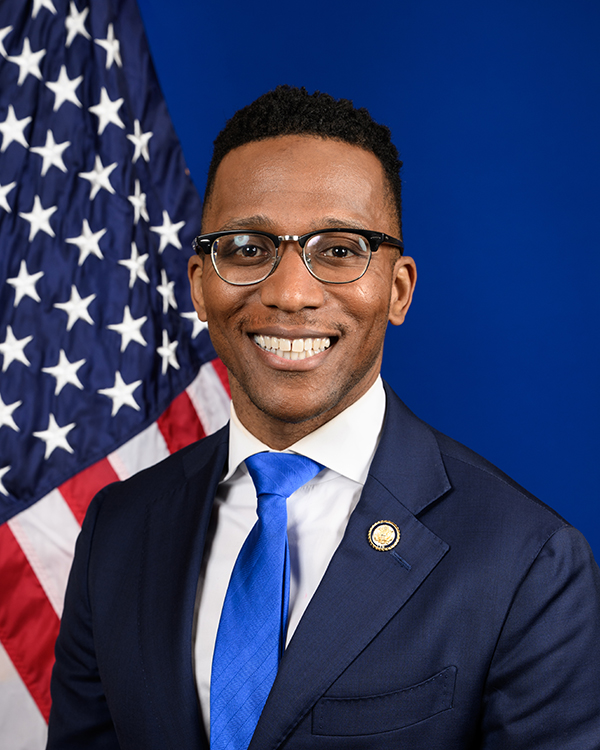
Christian D. Menefee
88% support rate
Top opponent
Gregory F. Murphy
14% support rate
Ranked legislators
10
5 support · 5 oppose
Key legislators

Who's moving immigration in United States

Legislators moving immigration in United States
Legislator Party Stance Support rate Votes
Christian D. Menefee
Christian D. Menefee House · District 18
D
Strong +
88% 66
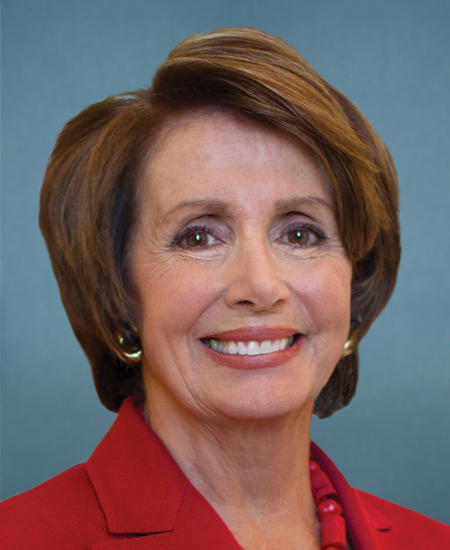
Nancy Pelosi
Nancy Pelosi House · District 11
D
Strong +
86% 139
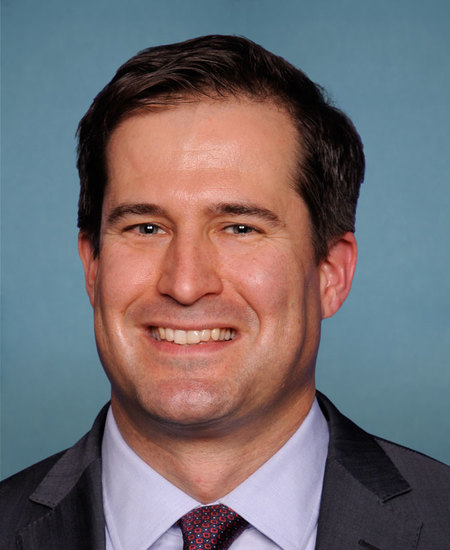
Seth Moulton
Seth Moulton House · District 6
D
Strong +
85% 127
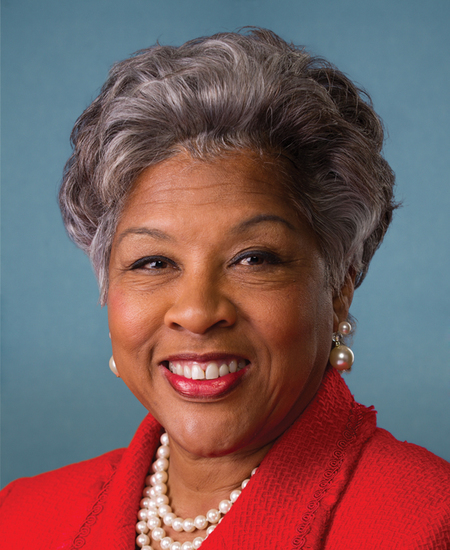
Joyce Beatty
Joyce Beatty House · District 3
D
Strong +
84% 135
Mike Quigley
Mike Quigley House · District 5
D
Strong +
84% 146
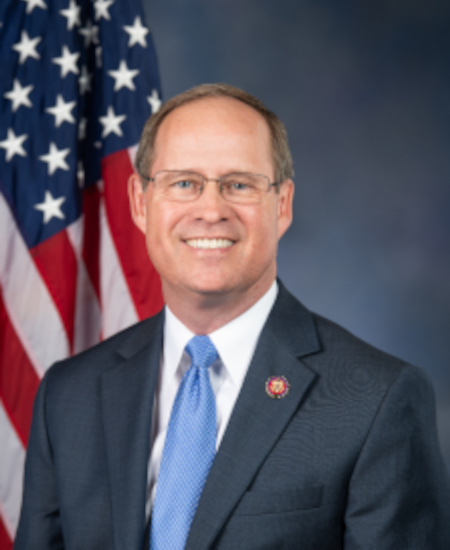
Gregory F. Murphy
Gregory F. Murphy House · District 3
R
Strong −
14% 123
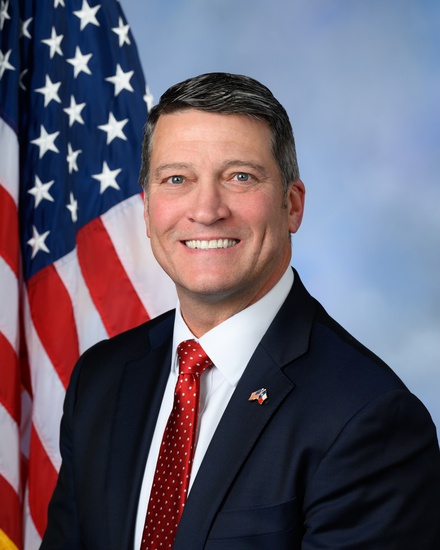
Ronny Jackson
Ronny Jackson House · District 13
R
Strong −
15% 145
Elise M. Stefanik
Elise M. Stefanik House · District 21
R
Strong −
16% 132
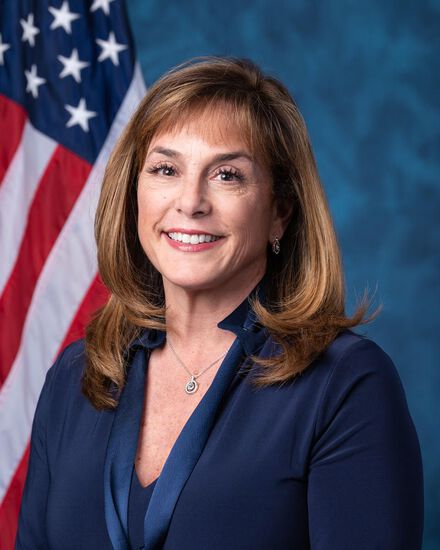
Lisa C. McClain
Lisa C. McClain House · District 9
R
Strong −
16% 147
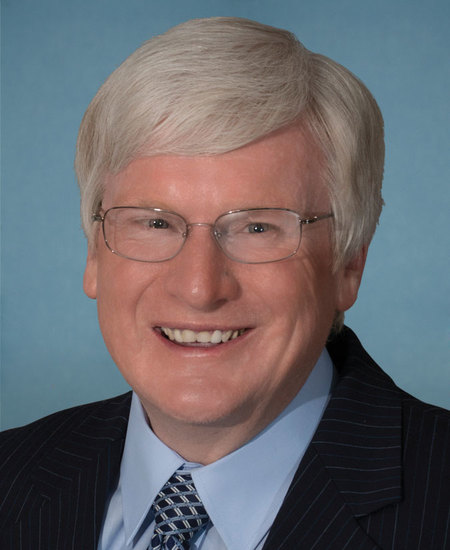
Glenn Grothman
Glenn Grothman House · District 6
R
Strong −
16% 147
Showing 301–310 of 325 bills

All immigration bills

in committee · United States · House Dec 9, 2025

HR 6521: Immigration Court Due Process Protection Act of 2025

This bill prohibits Department of Homeland Security (DHS) officers from arresting or detaining immigrants at immigration court facilities during hearings or while arriving/departing for hearings, except with a judicial warrant. It applies to all pending immigration cases, appeals, and motions to reopen, covering anyone whose removal order isn't final. Exceptions allow arrests only to prevent imminent threats to life, safety, or national security. The bill also requires DHS to report scheduled check-in arrests to the Inspector General and mandates annual oversight reports to Congress on compliance.
in committee · United States · Senate Dec 4, 2025

S 3348: Dream Act of 2025

The Dream Act of 2025 creates a pathway to conditional permanent resident status for individuals who entered the United States as children. To qualify, applicants must have been under 18 when entering the U.S., maintained continuous physical presence for at least 4 years prior to enactment, and meet educational, military service, or employment requirements. After obtaining conditional status (valid for 8 years), applicants must fulfill additional criteria - including earning a degree, serving in the Armed Forces, or working for 3 years - to remove the conditional status and obtain full permanent resident status. The bill includes specific documentation requirements, background checks, medical examinations, and strong confidentiality protections prohibiting use of application information for immigration enforcement purposes.
in committee · United States · Senate Sep 19, 2025

S 2923: PAAF Act

The PAAF Act automatically grants U.S. citizenship to internationally adopted children of U.S. citizen parents who were adopted before age 18 and were living in the U.S. under lawful admission before age 18. For adoptees living outside the U.S. but meeting these criteria, citizenship is granted upon lawful entry into the country. The bill exempts these individuals from standard immigration inadmissibility grounds (such as health or criminal issues) when entering, though they must pass a criminal background check. This applies only to adoptees who did not have U.S. citizenship before the bill's enactment.
in committee · United States · Senate Dec 17, 2025

S 3535: GRACE Act

The GRACE Act (S 3535) sets a minimum annual refugee admission target of 125,000 for the U.S., requiring the President to determine this number based on humanitarian needs and national interest. It introduces community/private sponsorship for refugees, allowing groups to provide initial resettlement services instead of traditional agency support. The bill mandates quarterly public reports to Congress on admissions numbers, regional allocations aligned with UN resettlement needs, processing times, security checks, and any shortfall in meeting targets. This directly affects refugees seeking admission, the Department of Homeland Security (which administers processing), and Congress (through transparency requirements).
in committee · United States · Senate Jan 7, 2026

S 3322: Upholding Protections for Unaccompanied Children Act of 2025

This bill removes fees for unaccompanied children in multiple immigration processes. It directly affects minors defined as "unaccompanied alien children" under the Homeland Security Act (those without parents or guardians in the U.S.), by exempting them from fees for asylum applications, employment authorization, immigration court filings, and other related services. Key provisions include repealing the special immigrant juvenile fee and adding explicit exemptions to 10 different fee sections in immigration law. The bill also requires the government to refund fees paid under repealed or amended provisions within 180 days. It further limits information sharing between health and immigration agencies to protect these children’s privacy.
in committee · United States · House Oct 17, 2025

HRES 815: Expressing the sense of the House of Representatives that immigration enforcement operations must be transparent, accountable, and consistent with constitutional protections for all persons within the United States.

HRES 815 is a non-binding House resolution expressing that immigration enforcement by ICE and CBP must be transparent and respect constitutional rights. It requires ICE/CBP officers to wear body cameras during public operations, ban masks/face coverings (except for safety threats), and visibly display name/badge/agency. The resolution also calls for civilian oversight boards, mandatory de-escalation training, and Justice Department oversight of ICE. It directly affects all ICE and CBP enforcement personnel and their interactions with the public, particularly in residential raids and detention. The resolution references similar pending bills but does not create new law.
Sub-Topics Policing Detention Enforcement Sanctuary Policies Tags Civil Liberties
in committee · United States · House Nov 21, 2025

HRES 909: Recognizing that immigrant justice and reproductive justice are inseparable and must be pursued together.

HRES 909 is a House resolution affirming that immigrant justice and reproductive justice are interconnected and must be addressed together. It calls on the Department of Homeland Security to reinstate protections for pregnant individuals in detention, eliminate the 5-year bar restricting immigrants’ access to federal health programs like Medicaid, and implement transparent oversight of reproductive health care in detention facilities. The resolution also urges Congress to remove barriers to health care access for immigrants and requires federal agencies to report on policies affecting reproductive health care for detained individuals. This resolution directly affects policies toward immigrants in detention, particularly regarding access to abortion, prenatal care, and mental health services, but does not create new laws.
in committee · United States · Senate Jun 24, 2025

S 2149: Health Equity and Access under the Law for Immigrant Families Act of 2025

This bill removes immigration status barriers to health care for lawfully present immigrants and those with Federally authorized presence (like deferred action). It requires states to cover all lawfully present individuals in Medicaid and CHIP, expands ACA exchange eligibility for undocumented people with authorized presence, and allows states to opt into covering undocumented children in CHIP. Key provisions amend the Social Security Act to eliminate citizenship requirements for Medicaid/CHIP and treat Federally authorized presence as equivalent to lawfully present for ACA subsidies. The bill does not automatically cover all undocumented people but creates a state option to extend coverage to undocumented individuals meeting income criteria.
in committee · United States · Senate Dec 18, 2025

S 3568: Naturalization and Oath Ceremony Protection Act

The Naturalization and Oath Ceremony Protection Act (S 3568) guarantees that approved naturalization applicants can complete their citizenship process by attending a scheduled ceremony, taking the oath of allegiance, and receiving their certificate. The government may only block this right if it provides individualized evidence of ineligibility or fraud, requiring written notice, a 10-day response window, and supervisory approval. The bill prohibits denials based on nationality, country of origin, or general policies not tied to the applicant’s specific case. It also allows applicants to seek judicial review and mandates rescheduling the ceremony within 10 days if they win a court case.
in committee · United States · House Feb 2, 2026

HRES 1030: To end ICE abuse.

HRES 1030 is a non-binding House resolution (not a bill) calling for systemic reforms to U.S. Immigration and Customs Enforcement (ICE). It proposes concrete actions including ending qualified immunity for ICE agents, requiring body cameras and visible identification for officers, mandating independent investigations into use-of-force incidents, and replacing ICE with a new Department of Justice agency subject to civilian oversight. The resolution directly affects ICE operations, federal officials, and individuals in immigration custody by demanding accountability for alleged misconduct and structural changes to enforcement practices. It does not create new law but urges the House to take specific actions like opposing DHS funding and repealing $75 billion in ICE appropriations.
Showing 301 to 310 of 325 bills
Previous 1 30 31 32 33 Next