Issue · Immigration

Immigration

Every immigration bill, vote, and legislator stance in United States, automatically classified by Maddy, our AI policy reader.

Total bills
325
119th Congress
Top supporter
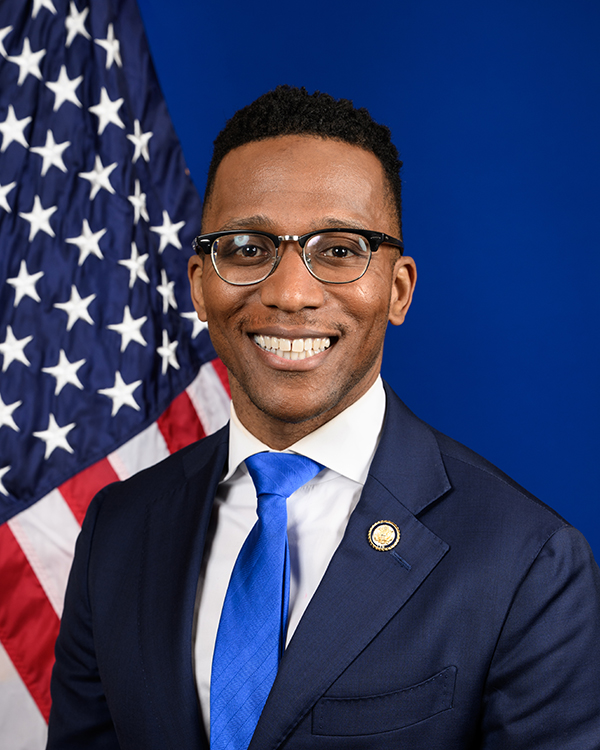
Christian D. Menefee
88% support rate
Top opponent
Gregory F. Murphy
14% support rate
Ranked legislators
10
5 support · 5 oppose
Key legislators

Who's moving immigration in United States

Legislators moving immigration in United States
Legislator Party Stance Support rate Votes
Christian D. Menefee
Christian D. Menefee House · District 18
D
Strong +
88% 66
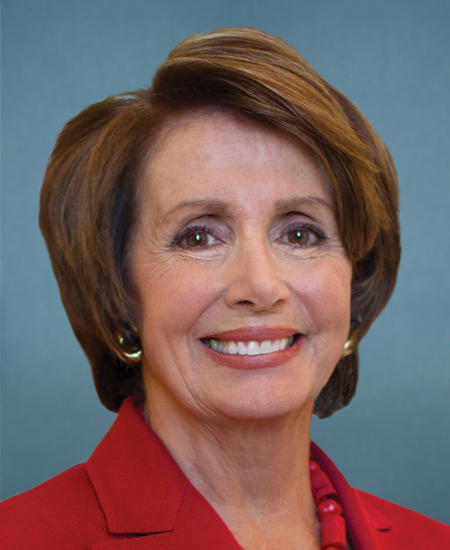
Nancy Pelosi
Nancy Pelosi House · District 11
D
Strong +
86% 139
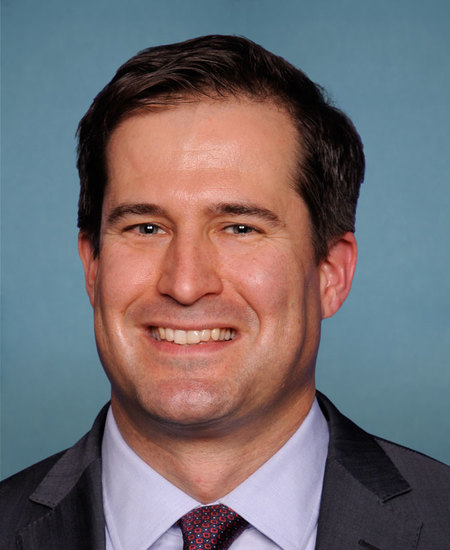
Seth Moulton
Seth Moulton House · District 6
D
Strong +
85% 127
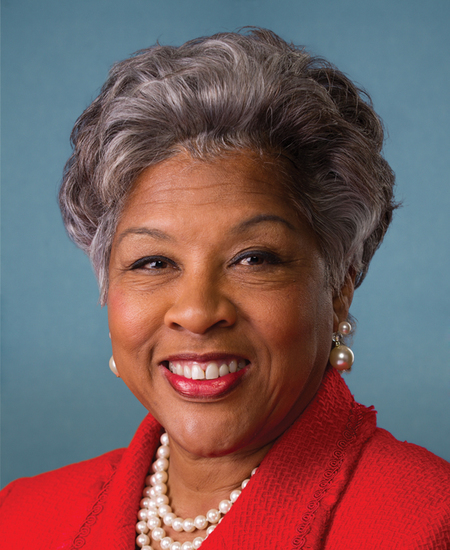
Joyce Beatty
Joyce Beatty House · District 3
D
Strong +
84% 135
Mike Quigley
Mike Quigley House · District 5
D
Strong +
84% 146
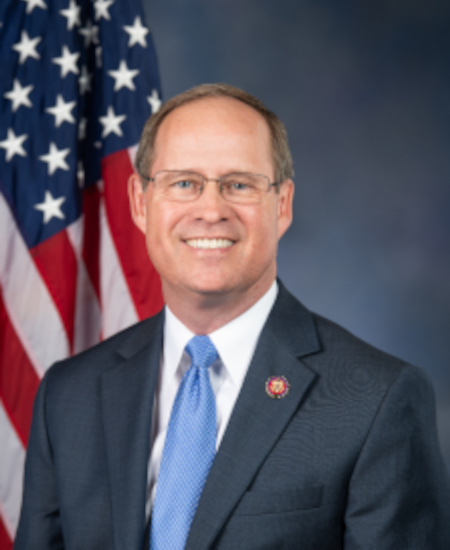
Gregory F. Murphy
Gregory F. Murphy House · District 3
R
Strong −
14% 123
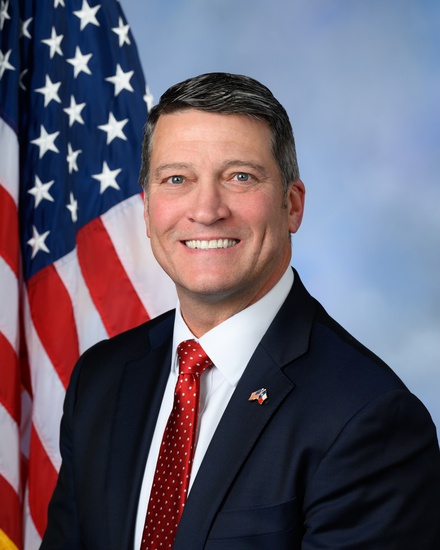
Ronny Jackson
Ronny Jackson House · District 13
R
Strong −
15% 145
Elise M. Stefanik
Elise M. Stefanik House · District 21
R
Strong −
16% 132
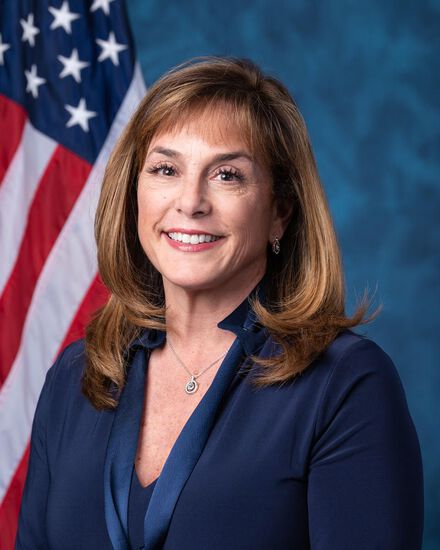
Lisa C. McClain
Lisa C. McClain House · District 9
R
Strong −
16% 147
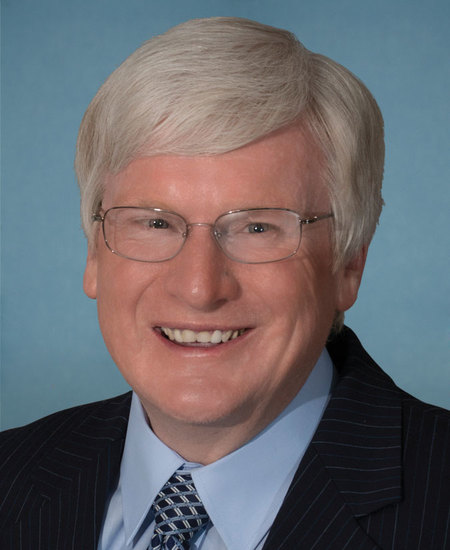
Glenn Grothman
Glenn Grothman House · District 6
R
Strong −
16% 147
Showing 281–290 of 325 bills

All immigration bills

in committee · United States · Senate Jul 31, 2025

S 2577: McCarran-Walter Technical Corrections Act

This bill amends a section of immigration law to update eligibility criteria for certain Native American and Indigenous individuals. It removes a requirement for "at least 50 percent blood quantum" and instead defines eligibility based on tribal membership: being a member (or eligible to join) of a federally recognized U.S. Indian Tribe, or holding Canadian Indian status under the Indian Act or membership in a Canadian self-governing First Nation. The change directly affects tribal members in the U.S. and Canadian First Nations members seeking specific immigration benefits. The key mechanism is replacing outdated language with current tribal recognition standards in the law.
Tags Tribal Nations
in committee · United States · Senate Apr 29, 2026

SJRES 99: A joint resolution providing for congressional disapproval under chapter 8 of title 5, United States Code, of the rule submitted by U.S. Citizenship and Immigration Services relating to "Removal of the Automatic Extension of Employment Authorization Documents".

This joint resolution (SJRES 99) seeks congressional disapproval of a specific U.S. Citizenship and Immigration Services (USCIS) rule that removed automatic extensions for Employment Authorization Documents (EADs). The rule, published in the Federal Register on October 30, 2025, ended the prior practice of automatically extending work permits for certain immigrants while their renewal applications were pending. If approved, this resolution would block the rule from taking effect, restoring the automatic extension process for EAD holders. The policy change directly affects non-citizens in the U.S. who hold EADs and are waiting for renewal processing, preventing potential gaps in work authorization.
in committee · United States · Senate Feb 6, 2025

S 455: Protecting Sensitive Locations Act

Protecting Sensitive Locations Act This bill prohibits immigration enforcement actions within 1,000 feet of a sensitive location except in exigent circumstances, such as the imminent risk of death, violence, or physical harm to any person. Sensitive locations include  health care facilities; schools and school bus stops; places that provide assistance for people such as children, pregnant women, and abuse victims; child care facilities; places that provide disaster or emergency services; places of worship; courthouses and lawyers’ offices; facilities used as polling places; certain labor union facilities; and public assistance offices. The prohibition shall apply to Department of Homeland Security officers and agents, as well as state employees pursuing immigration enforcement actions. If an enforcement action is carried out in violation of this prohibition (1) no information resulting from the action may be entered into the record in a resulting removal proceeding, and (2) the affected individual may move to immediately terminate such a proceeding. U.S. Immigration and Customs Enforcement and U.S. Customs and Border Protection shall annually report to Congress about enforcement actions taken at sensitive locations in the preceding year.
in committee · United States · Senate Nov 6, 2025

S 3146: Restoring Access for Detainees Act

S 3146 (Restoring Access for Detainees Act) would require U.S. Immigration and Customs Enforcement (ICE) to provide immigration detainees in DHS custody with specific communication services. It mandates 200 free monthly minutes for calls to family or legal representatives, unlimited free minutes for communications with legal entities (like courts, immigration officials, or the UN Refugee Agency), and private communication opportunities with lawyers or oversight officials during initial detention and location changes. The bill also prohibits facilities from restricting legal call duration or monitoring protected communications, while requiring clear public policies on call timing and location. This directly affects detained immigrants seeking legal assistance or family contact during immigration proceedings.
in committee · United States · House Jul 29, 2025

HR 4817: Immigrant Witness and Victim Protection Act of 2025

The Immigrant Witness and Victim Protection Act of 2025 helps immigrant survivors of domestic violence, sexual assault, human trafficking, and other crimes who qualify for protections under the Violence Against Women Act (VAWA) and Trafficking Victims Protection Act (TVPA). It eliminates annual limits on U visas and special immigrant juvenile visas, grants work authorization within 180 days of filing an application, and prohibits deportation or detention while cases are pending. The bill requires victims to be released from detention unless the government proves they pose a specific threat or may skip court, with clear evidence needed to override this presumption. This directly affects immigrant victims seeking legal relief in the U.S. as they navigate their cases without fear of immediate removal.
in committee · United States · House Jun 6, 2025

HR 3828: Combating Deceptive Immigration Enforcement Practices Act of 2025

The Combating Deceptive Immigration Enforcement Practices Act of 2025 prohibits U.S. Immigration and Customs Enforcement (ICE) and U.S. Customs and Border Protection (CBP) officers from wearing clothing or accessories displaying the word "police" while performing immigration enforcement duties. This rule directly affects federal immigration officers and agents during their official work under the Department of Homeland Security. The bill amends Section 287 of the Immigration and Nationality Act to ban such uniform elements, ensuring officers do not use visual cues that could mislead the public into thinking they are local police. The policy change aims to clarify the distinct role of immigration enforcement versus local law enforcement.
in committee · United States · House May 5, 2025

HRES 378: Expressing the sense of the House of Representatives that the plight of Cameroonian immigrants and the continued turmoil and instability in the nation of Cameroon merits a designation of humanitarian parole and calling on the Department of Homeland Security to create a humanitarian parole program for Cameroonians fleeing this violence.

HRES 378 is a non-binding House resolution urging the Department of Homeland Security to create a humanitarian parole program for Cameroonian immigrants fleeing violence and instability in Cameroon. It directly affects Cameroonian nationals currently in the U.S. or seeking entry who face risks like deportation to a country with ongoing armed conflicts, including the Anglophone Crisis and Boko Haram insurgency, which have displaced over 600,000 people internally and 70,000 externally. The resolution cites existing U.S. authority under Section 212(d)(5)(A) of the Immigration and Nationality Act to establish such a program, noting Cameroon’s TPS designation is set to expire. It emphasizes the need for humanitarian relief amid reports of severe human rights abuses against Cameroonian returnees and systemic discrimination against Black immigrants in U.S. immigration enforcement. The resolution does not create new law but formally requests DHS action.
Sub-Topics Enforcement
in committee · United States · House Jul 16, 2025

HR 4393: DIGNIDAD (Dignity) Act of 2025

# Summary of "Dignity for Immigrants while Guarding our Nation to Ignite and Deliver the American Dream Act" This comprehensive immigration bill proposes multiple pathways to legal status and permanent residency for undocumented immigrants while creating new employment and workforce development programs. ## Key Provisions: 1. **Dignity Program (Subtitle III)**: - Creates a 7-year program for eligible undocumented immigrants requiring $7,000 in restitution payments to an H-1B fund - Provides deferred action on removal, work authorization, and travel privileges - Requires participants to maintain employment/education, pay taxes, and comply with all laws - Upon completion, participants receive "Dignity Status" valid for 7 years with renewal options 2. **Workforce Development (Division C)**: - Directs restitution payments to fund apprenticeships and work-based learning programs - Establishes industry partnerships to support small- and medium-sized businesses - Focuses on "in-demand industry sectors" with targeted training programs - Requires 12 months of post-employment support services for participants 3. **Family Reunification (Section 3111-3115)**: - Expands discretionary authority for family-based relief - Creates new "family purpose" nonimmigrant visa category (90-day limit) - Modernizes military naturalization for service members - Includes protections for children affected by visa backlogs 4. **Backlog Reduction (Section 3201-3203)**: - Creates premium processing for long-pending cases ($20,000 fee) - Increases per-country caps from 7% to 15% - Protects children from "aging out" of family-based visas 5. **Student and Worker Visas (Section 3301-3305)**: - Modernizes student visa categories with "dual intent" provisions - Recognizes doctoral STEM graduates as "extraordinary ability" - Streamlines visa processing through a new Immigration Agency Coordinator The bill aims to balance immigration reform with workforce development, creating a pathway to legal status while directing funds toward American workers through apprenticeships and training programs in high-demand fields.
in committee · United States · House Jun 23, 2025

HRES 533: Reaffirming the importance of the United States promoting the safety, health, and well-being of refugees and displaced persons in the United States and around the world.

HRES 533 is a non-binding House resolution calling on the President to lift the indefinite suspension of U.S. refugee admissions, which has left over 100,000 refugees stranded in limbo since January 2025. It specifically references Executive Order 14163 (2025) that halted refugee arrivals, citing the plight of refugees conditionally approved for resettlement, including Afghans, Rohingya, and Sudanese. The resolution reaffirms U.S. commitments under the Refugee Act of 1980 and international obligations, urging restoration of the U.S. Refugee Admissions Program to protect vulnerable refugees. It also calls for increased international cooperation, support for frontline host countries, and meeting global refugee protection pledges. The resolution does not create new law but expresses congressional intent to address the refugee crisis.
Sub-Topics Refugees & Asylum
in committee · United States · Senate Jan 27, 2026

S 3699: FOCUS Act

The FOCUS Act requires all federal law enforcement officers (including private contractors) engaged in immigration enforcement to wear body cameras during such activities. It mandates that footage be retained for one year (or three years if requested for evidence/exculpatory value in specific situations like use-of-force incidents or complaints). The bill establishes public access procedures for footage via standard government record requests and requires annual reports to Congress on compliance, including documented violations and disciplinary actions. It also sets strict accountability measures, including mandatory training, documentation of equipment failures, and potential termination for intentionally disabling cameras.
Showing 281 to 290 of 325 bills
Previous 1 28 29 30 33 Next