Issue · Immigration

Immigration (Enforcement)

Every immigration bill, vote, and legislator stance in United States, automatically classified by Maddy, our AI policy reader.

Total bills
293
119th Congress
Top supporter
Alan Armstrong
86% support rate
Top opponent
Catherine Cortez Masto
11% support rate
Ranked legislators
10
5 support · 5 oppose
Key legislators

Who's moving enforcement in United States

Legislators moving enforcement in United States
Legislator Party Stance Support rate Decisive votes
AA
Alan Armstrong Senate
R
Strong +
86% 29
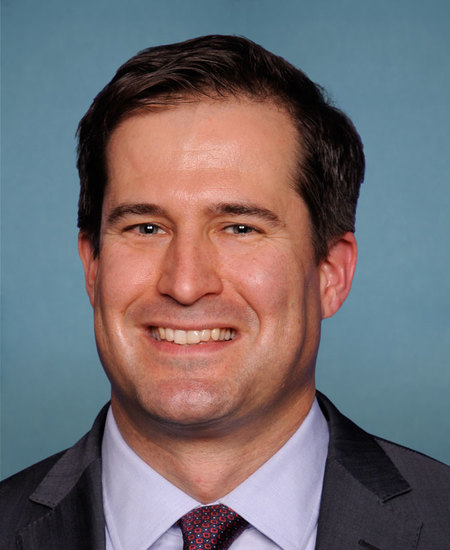
Seth Moulton
Seth Moulton House · District 6
D
Strong +
83% 12
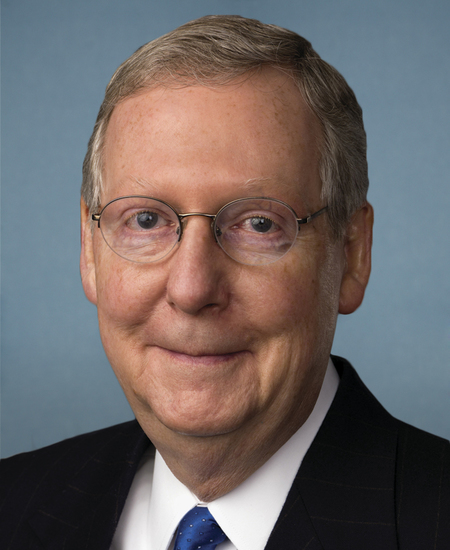
Mitch McConnell
Mitch McConnell Senate
R
Strong +
82% 33
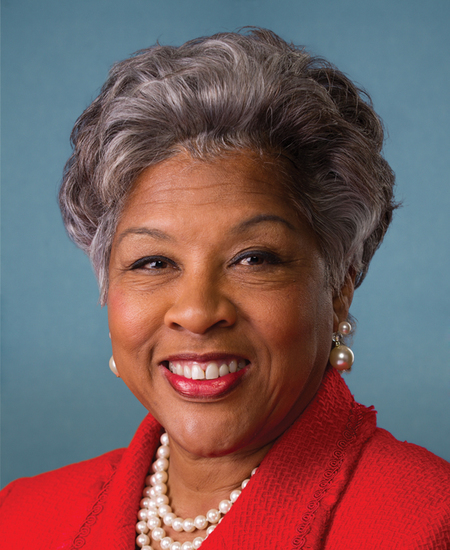
Joyce Beatty
Joyce Beatty House · District 3
D
Strong +
82% 11
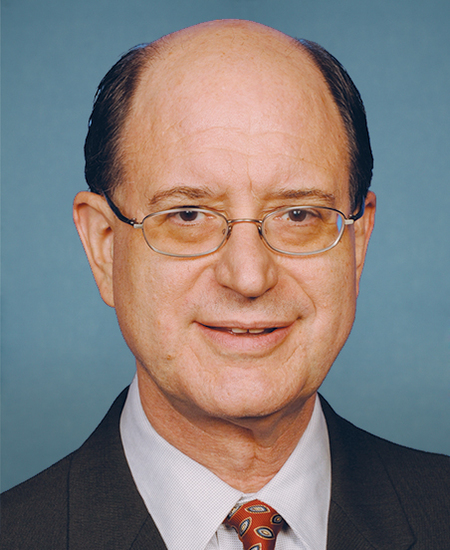
Brad Sherman
Brad Sherman House · District 32
D
Strong +
80% 15
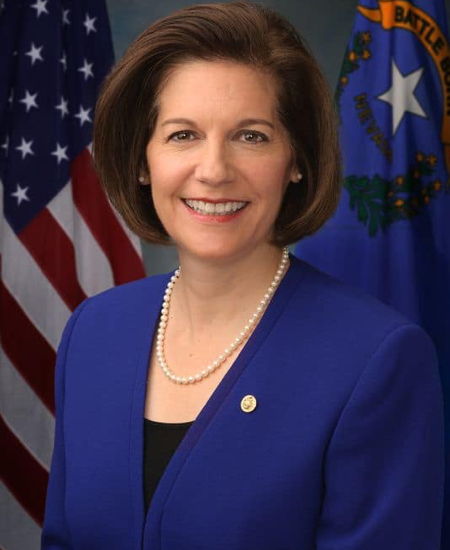
Catherine Cortez Masto
Catherine Cortez Masto Senate
D
Strong −
11% 35
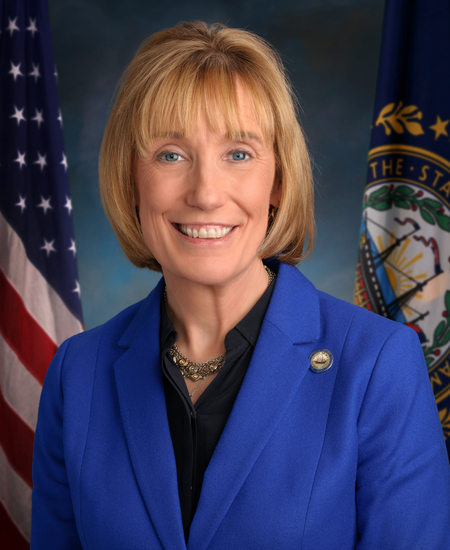
Margaret Wood Hassan
Margaret Wood Hassan Senate
D
Strong −
11% 35
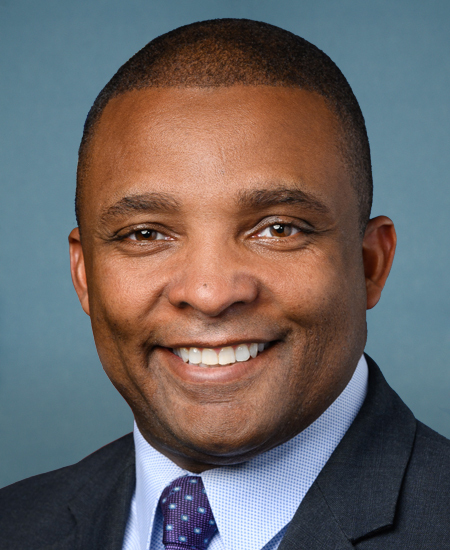
Donald G. Davis
Donald G. Davis House · District 1
D
Strong −
12% 17
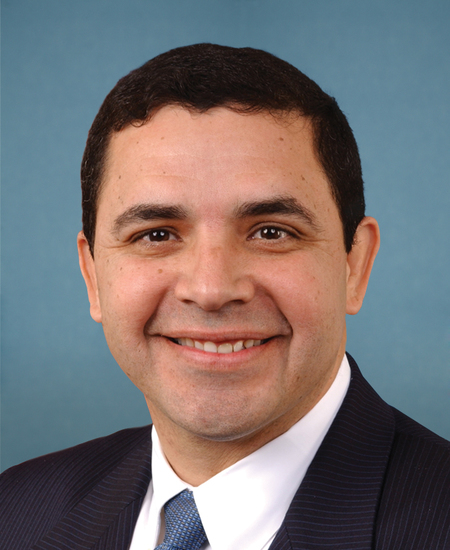
Henry Cuellar
Henry Cuellar House · District 28
D
Strong −
12% 17
Laura Gillen
Laura Gillen House · District 4
D
Strong −
12% 17
Showing 271–280 of 293 bills

All immigration bills

passed · United States · House Jan 17, 2025

HR 30: Preventing Violence Against Women by Illegal Aliens Act

This bill amends U.S. immigration law to deny entry to noncitizens convicted of or admitting to certain violent crimes, and to make them deportable. It directly affects noncitizens who have been convicted of or admitted to sex offenses, domestic violence, stalking, child abuse/neglect, or violating protection orders involving threats of violence. Key provisions add these offenses as grounds for denying entry (inadmissibility) under Section 212(a)(2) and as grounds for deportation (deportability) under Section 237(a)(2). The law specifies that domestic violence and protection order violations are included regardless of whether the jurisdiction received specific federal grant funding.
passed · United States · House Jun 9, 2025

HR 2931: Save SBA from Sanctuary Cities Act of 2025

This bill requires the Small Business Administration (SBA) to relocate all its regional, district, and local offices out of jurisdictions classified as "sanctuary jurisdictions" - defined as areas with policies restricting sharing of immigration information with federal authorities or refusing to comply with certain immigration detainer requests. Offices must be moved within 60 days to a location outside a sanctuary jurisdiction, and operations must pause during relocation. The bill excludes jurisdictions with policies protecting crime victims or witnesses from being deemed sanctuary jurisdictions. It directly affects SBA offices (excluding headquarters) in 37 states and localities with such policies, mandating their physical relocation.
in committee · United States · House Feb 27, 2025

HR 1680: UPLIFT Act

HR 1680, the UPLIFT Act, requires all local law enforcement agencies in jurisdictions that restrict immigration enforcement (often called "sanctuary jurisdictions") to fully cooperate with federal immigration authorities. It amends a 1996 law to prohibit local entities from restricting officers from asking about immigration status, sharing information about suspected criminals, or complying with federal detainer requests for suspected inadmissible or deportable individuals. The bill also mandates annual compliance reports to Congress, allows local governments to sue states for noncompliance, and provides legal immunity to jurisdictions following federal detainers. This would directly affect local police departments and county jails in areas with policies limiting cooperation with federal immigration enforcement.
passed · United States · House Jun 12, 2025

HR 2056: District of Columbia Federal Immigration Compliance Act of 2025

This bill prohibits the District of Columbia from maintaining policies that block government officials from sharing immigration status information with federal authorities or refusing to comply with federal immigration detainers. It specifically requires DC to share citizenship/immigration data and honor detainer requests under federal law, except when an individual is a crime victim or witness. The law directly affects DC government entities, officials, and policies, mandating cooperation with federal immigration enforcement. It does not change DC's authority to protect crime victims but eliminates existing sanctuary-like restrictions.
in committee · United States · House Apr 7, 2025

HRES 295: Expressing Support for the President's Actions to Safeguard National Security and Eliminate Threats from Foreign Terrorist Organizations.

HRES 295 is a resolution expressing congressional support for the President's use of the Alien Enemies Act to remove members of Tren de Aragua (designated as a Foreign Terrorist Organization) from the United States. It references the deportation of noncitizens to El Salvador under a prior agreement and affirms the President's authority to detain or deport foreign terrorists. The resolution does not create new laws but endorses specific security actions taken under existing legal authority. It directly relates to the removal of Tren de Aragua members and their transfer to El Salvador's detention facility.
Sub-Topics Detention Enforcement
in committee · United States · Senate Jan 15, 2026

S 3670: End Welfare for Noncitizens Act

This bill prohibits federal funding from being used to provide benefits to refugees, asylees, and undocumented immigrants. It specifically blocks funds for programs like Temporary Assistance for Needy Families (TANF), Medicaid, and food stamps (SNAP) when serving these groups, as well as other federal benefits, subsidies, or services. The law directly affects noncitizens in the U.S. without legal status, refugees, and asylees by denying them access to these federal programs. It amends existing law to prevent the use of appropriated funds for these purposes.
in committee · United States · House Feb 24, 2026

HR 7664: State Partnerships to Enhance Removal of Criminal Aliens Act

This bill allows state attorneys (who are licensed and trained) to represent U.S. Immigration and Customs Enforcement (ICE) in removal proceedings for certain criminal aliens, under federal supervision. It requires states to ensure these attorneys follow federal law, provide proper training, and not displace federal employees. The bill also expands the definition of "aggravated felony" to include more state-level crimes (like certain drug offenses or thefts punishable by over one year in prison), making those offenses trigger mandatory immigration removal. This directly affects state attorneys participating in federal immigration enforcement and immigrants convicted of qualifying state crimes.
in committee · United States · Senate Jan 17, 2025

S 149: Public Safety First Act

This bill amends immigration law to require the immediate detention of certain non-citizens who are charged with, arrested for, convicted of, or admit to committing specific crimes - including burglary, theft, shoplifting, assault on police officers, or crimes causing death/serious injury. It directly affects non-citizens facing these offenses by expanding mandatory detention under existing immigration rules. The key provision requires the Homeland Security Secretary to issue a detainer and take custody of such individuals if not already detained by authorities, using definitions of crimes based on the jurisdiction where the offense occurred.
signed · United States · Senate Jan 29, 2025

S 5: Laken Riley Act

Laken Riley Act This act requires the Department of Homeland Security (DHS) to detain certain non-U.S. nationals ( aliens under federal law) who have been arrested for burglary, theft, larceny, shoplifting, assault of a law enforcement officer, or any crime that results in death or serious bodily injury to another person. The act also authorizes states to sue the federal government for decisions or alleged failures related to immigration enforcement. Under this act, DHS must detain an individual who (1) is unlawfully present in the United States or did not possess the necessary documents when applying for admission; and (2) has been charged with, arrested for, convicted of, or admits to having committed acts that constitute the essential elements of the above crimes. The act also authorizes state governments to sue for injunctive relief over certain immigration-related decisions or alleged failures by the federal government if the decision or failure caused the state or its residents harm, including financial harm of more than $100. Specifically, the state government may sue the federal government over a decision to release a non-U.S. national from custody; failure to fulfill requirements relating to inspecting individuals seeking admission into the United States, including requirements related to asylum interviews; failure to fulfill a requirement to stop issuing visas to nationals of a country that unreasonably denies or delays acceptance of nationals of that country; violation of limitations on immigration parole, such as the requirement that parole be granted only on a case-by-case basis; or failure to detain an individual who has been ordered removed from the United States.
in committee · United States · House Mar 7, 2026

HR 1913: BLOC Act

The BLOC Act withholds federal highway construction funds from local governments (like cities or counties) that do not require officials to notify Homeland Security within 48 hours before releasing certain undocumented immigrants detained for at least 48 hours. Specifically, it blocks funding for infrastructure projects if a jurisdiction lacks a policy mandating such notifications for aliens determined by DHS to be unlawfully present. This directly affects local governments operating detention facilities and receiving federal transportation funds, requiring them to comply with DHS notification protocols to maintain funding. The bill does not change immigration law but ties federal infrastructure funding to cooperation with federal immigration enforcement.
Showing 271 to 280 of 293 bills
Previous 1 … 27 28 29 … 30 Next