Issue · Immigration

Immigration

Every immigration bill, vote, and legislator stance in United States, automatically classified by Maddy, our AI policy reader.

Total bills
506
119th Congress
Top supporter
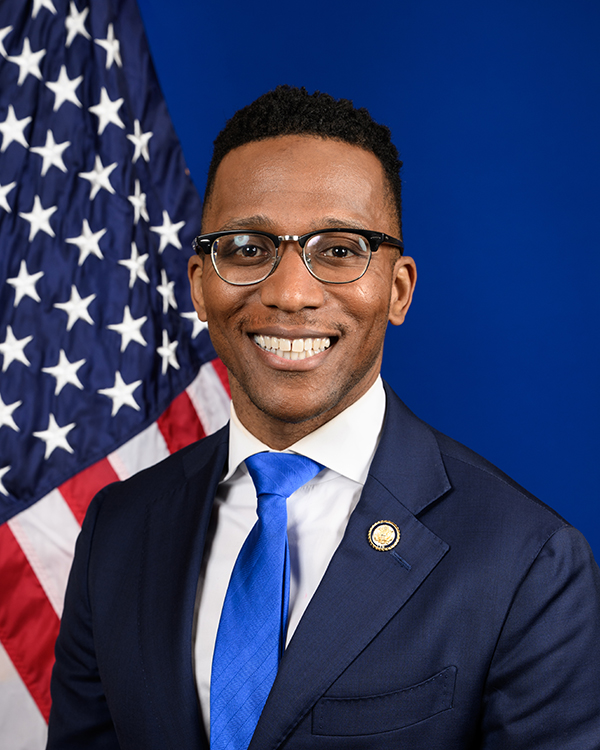
Christian D. Menefee
89% support rate
Top opponent
Gregory F. Murphy
13% support rate
Ranked legislators
10
5 support · 5 oppose
Key legislators

Who's moving immigration in United States

Legislators moving immigration in United States
Legislator Party Stance Support rate Decisive votes
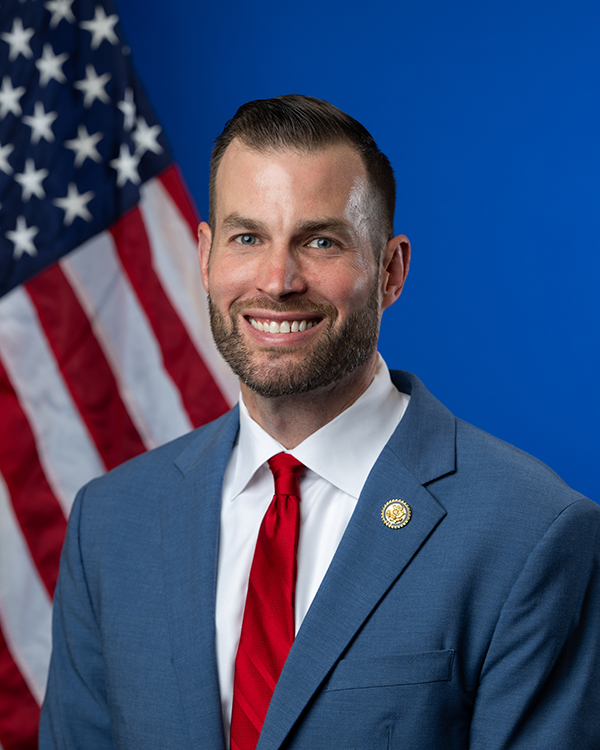
Christian D. Menefee
Christian D. Menefee House · District 18
D
Strong +
89% 9
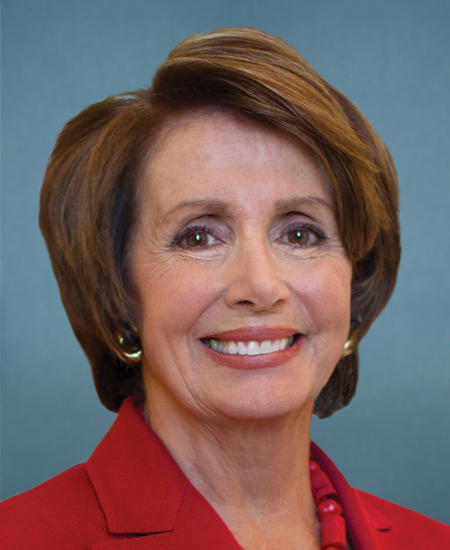
Nancy Pelosi
Nancy Pelosi House · District 11
D
Strong +
86% 21
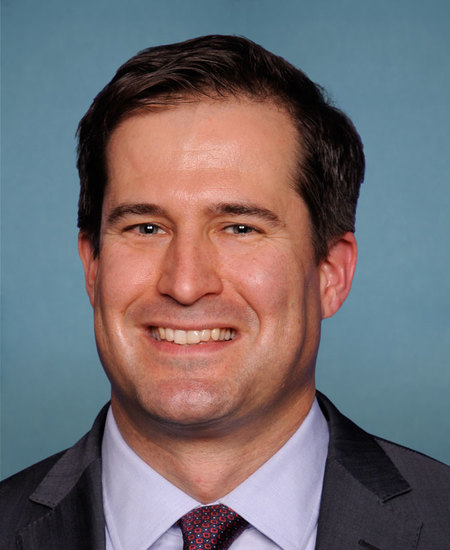
Seth Moulton
Seth Moulton House · District 6
D
Strong +
86% 21
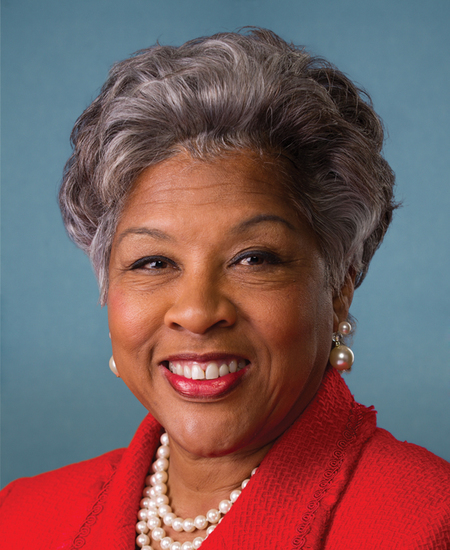
Joyce Beatty
Joyce Beatty House · District 3
D
Strong +
85% 20
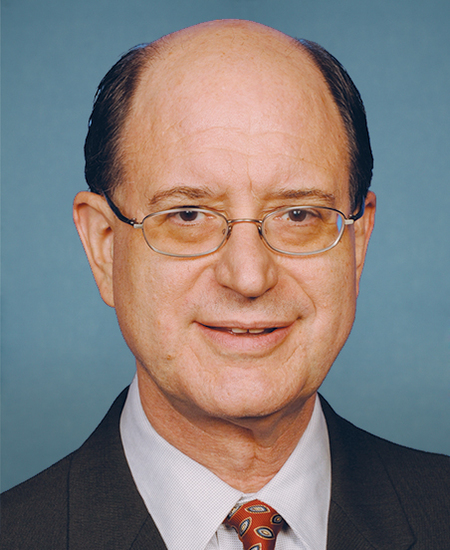
Brad Sherman
Brad Sherman House · District 32
D
Strong +
85% 26
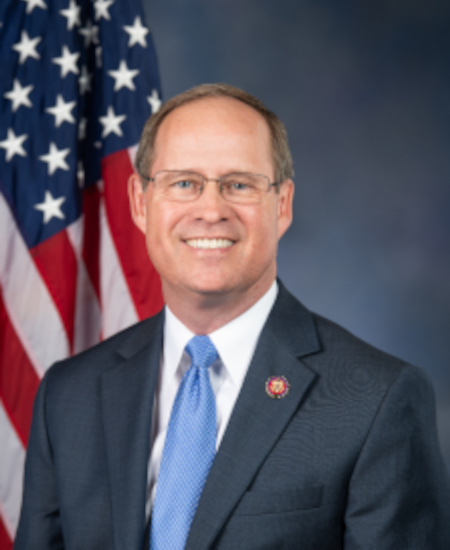
Gregory F. Murphy
Gregory F. Murphy House · District 3
R
Strong −
13% 23
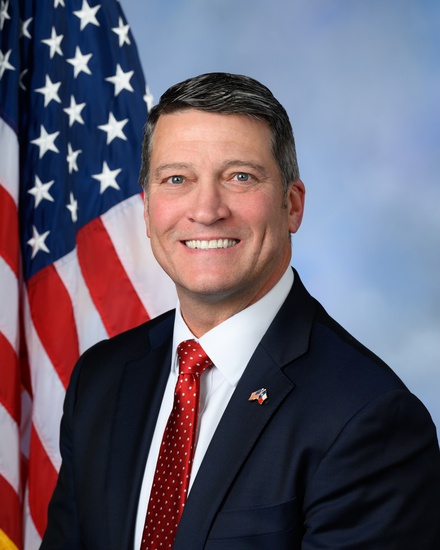
Ronny Jackson
Ronny Jackson House · District 13
R
Strong −
14% 28
Clay Fuller
Clay Fuller House · District 14
R
Strong −
14% 7
Brad Finstad
Brad Finstad House · District 1
R
Strong −
15% 26
Elise M. Stefanik
Elise M. Stefanik House · District 21
R
Strong −
15% 26
Showing 271–280 of 506 bills

All immigration bills

passed · United States · House Mar 19, 2026

HR 4638: Federal Working Animal Protection Act

Bill to Outlaw Wounding of Official Working Animals Act or the BOWOW Act This bill establishes that a non-U.S. national ( alien under federal law) convicted of, or who admits to having committed, an offense related to harming animals used in law enforcement is inadmissible and deportable.
in committee · United States · House Mar 31, 2025

HR 2490: No In-State Tuition for Illegal Immigrants Act

HR 2490, the "No In-State Tuition for Illegal Immigrants Act," would require states to charge non-citizens not lawfully present in the U.S. the same out-of-state tuition rate at public colleges as other non-residents, or risk losing federal education funding. Specifically, states that offer in-state tuition rates to undocumented immigrants would become ineligible for Title IV federal student aid funds under the Higher Education Act starting the year after the violation is identified. This provision directly affects public universities in states that currently provide in-state tuition to undocumented immigrants, as they would lose access to federal financial aid programs. The bill does not change state tuition laws directly but ties federal funding eligibility to compliance with the new requirement.
in committee · United States · Senate Apr 8, 2025

S 1328: Nuclear Family Priority Act

This bill, the Nuclear Family Priority Act, would change U.S. immigration policy by removing parents from the list of immediate family members eligible for visas, prioritizing only spouses and children of permanent residents. It reduces the worldwide annual cap for family-sponsored visas from 226,000 to 88,000, with the remainder subject to country-specific limits. Additionally, it creates a new temporary nonimmigrant visa category for parents of adult U.S. citizens (age 21+), requiring the U.S. citizen child to provide health insurance, cover support costs, and limiting stay to 5 years with no work authorization. These changes directly affect family immigration pathways and parents seeking to join adult children in the U.S.
Sub-Topics Work Authorization
in committee · United States · House Mar 26, 2025

HR 2367: College Employment Accountability Act

HR 2367, the College Employment Accountability Act, requires colleges and universities receiving federal student aid or institutional funds to comply with immigration laws or risk losing that funding. Specifically, it prohibits institutions from receiving federal aid if they hire individuals without legal work authorization (violating Section 274A of immigration law) and mandates participation in the E-Verify employment verification program. The Department of Homeland Security must monitor compliance every six months and notify the Education Secretary within 10 days if an institution violates immigration rules or fails to use E-Verify. This directly affects all higher education institutions seeking federal financial assistance under the Higher Education Act.
in committee · United States · Senate Jul 14, 2025

S 2269: PRICE Act

The PRICE Act (S 2269) increases penalties for assaulting, resisting, or impeding U.S. Immigration and Customs Enforcement (ICE) officers or employees. It would double the maximum prison sentence and adjust the fine for such offenses when committed against ICE personnel, as specified in amended federal law (18 U.S.C. § 111). This bill directly affects individuals convicted of violent or obstructive acts against ICE officers, making their penalties more severe than for similar crimes against other federal officers. The key provision modifies existing penalties without changing the definition of the offense or creating new requirements for ICE operations.
in committee · United States · Senate Jul 30, 2025

S 2547: Kate's Law

S 2547 ("Kate's Law") increases penalties for non-citizens who enter the U.S. unlawfully or reenter after removal. It raises the mandatory prison term for aliens who enter without inspection (e.g., evading border checks) and later commit crimes punishable by over one year in prison from 2 to 5 years. For reentry offenses, it mandates minimum 10-year prison sentences for those convicted of serious crimes before removal, or who reenter after multiple removals or specific prior convictions. The bill directly affects non-citizens facing immigration enforcement actions under Sections 275 and 276 of the Immigration and Nationality Act.
in committee · United States · House Apr 7, 2025

HR 2685: Crime Doesn’t Fly Act of 2025

HR 2685, the Crime Doesn’t Fly Act of 2025, prohibits the Transportation Security Administration (TSA) from accepting Immigration and Customs Enforcement (ICE) arrest warrants (Forms I-200 or I-205) as valid identification at airport security checkpoints. This directly affects travelers who might present these specific ICE forms as ID. The bill includes an exception allowing TSA to accept such forms only when an individual is being removed from the U.S. under immigration law. The law changes checkpoint procedures to prevent the use of immigration enforcement documents for identification purposes.
in committee · United States · Senate Jan 29, 2026

S 3744: A bill to amend chapter 93 of title 18, United States Code, to prohibit obstruction of immigration laws by official interference.

This bill prohibits state and local government officials from obstructing federal immigration enforcement. It makes it unlawful for such officials to block federal officers from accessing detention facilities, conceal aliens subject to removal, release individuals without 48-hour notice to federal authorities, or restrict cooperation with immigration enforcement requests. Violations could result in fines, up to 10 years in prison for most cases, or longer sentences if the release leads to death or serious injury. The law directly affects state and local law enforcement employees, contractors, and policies that interfere with federal immigration operations.
in committee · United States · House Mar 14, 2025

HR 2128: Reimbursing Border Communities Act of 2025

HR 2128, the Reimbursing Border Communities Act of 2025, creates a federal grant program to reimburse eligible local governments within 200 miles of the U.S.-Mexico land border for costs related to border security measures, such as additional law enforcement wages. To qualify, communities must be local governments (not sanctuary jurisdictions), submit applications to the DHS Secretary, and cannot use funds for legal aid, housing, healthcare, or other services for immigrants. Grants are capped at $500,000 per community per year, with $25 million authorized annually from 2026-2036. The program requires annual reports to Congress detailing grant usage and implementation, including recommendations for future funding adjustments.
passed · United States · House Dec 2, 2025

HR 176: No Immigration Benefits for Hamas Terrorists Act of 2025

This bill denies immigration benefits to individuals who participated in, supported, or facilitated Hamas attacks against Israel starting October 7, 2023. It amends immigration law to make such individuals inadmissible (barred from entering the U.S.) and ineligible for any immigration relief, including asylum or other protections. The law requires annual reports from the Homeland Security Secretary tracking how many people are denied entry or removed under these provisions. It directly affects non-U.S. nationals involved in Hamas-related violence against Israel since the October 7, 2023, attacks.
Sub-Topics Refugees & Asylum
Showing 271 to 280 of 506 bills
Previous 1 … 27 28 29 … 51 Next