Issue · Immigration

Immigration

Every immigration bill, vote, and legislator stance in United States, automatically classified by Maddy, our AI policy reader.

Total bills
325
119th Congress
Top supporter
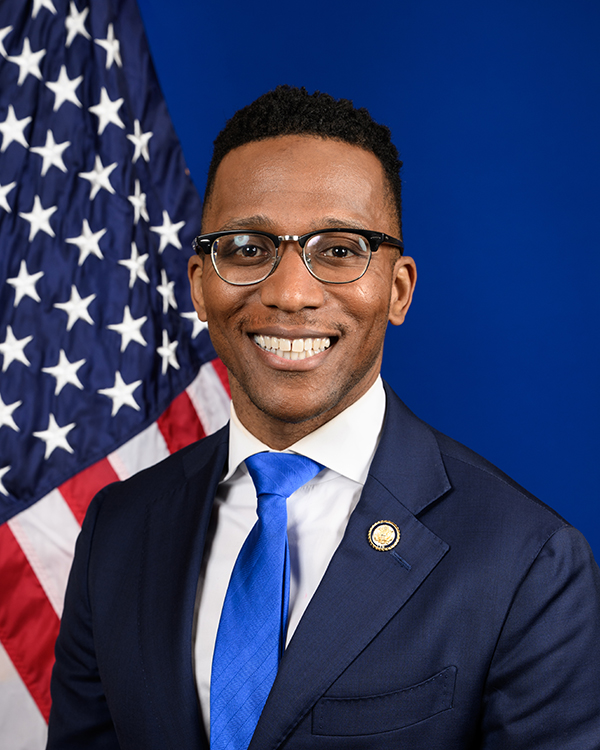
Christian D. Menefee
88% support rate
Top opponent
Gregory F. Murphy
14% support rate
Ranked legislators
10
5 support · 5 oppose
Key legislators

Who's moving immigration in United States

Legislators moving immigration in United States
Legislator Party Stance Support rate Votes
Christian D. Menefee
Christian D. Menefee House · District 18
D
Strong +
88% 66
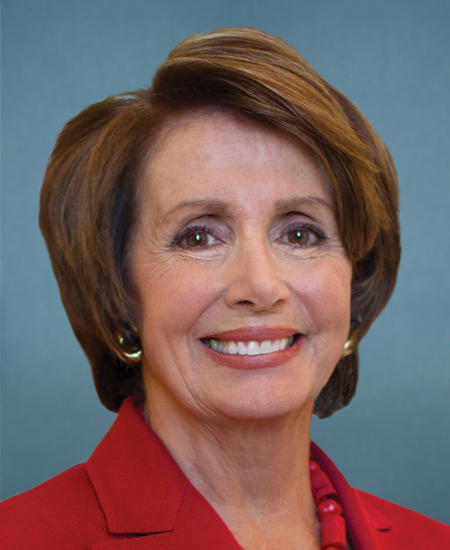
Nancy Pelosi
Nancy Pelosi House · District 11
D
Strong +
86% 139
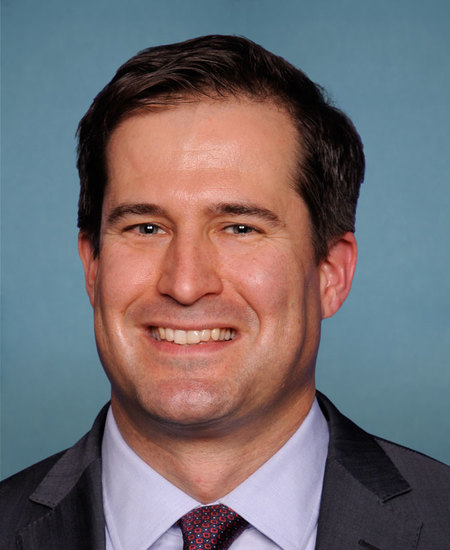
Seth Moulton
Seth Moulton House · District 6
D
Strong +
85% 127
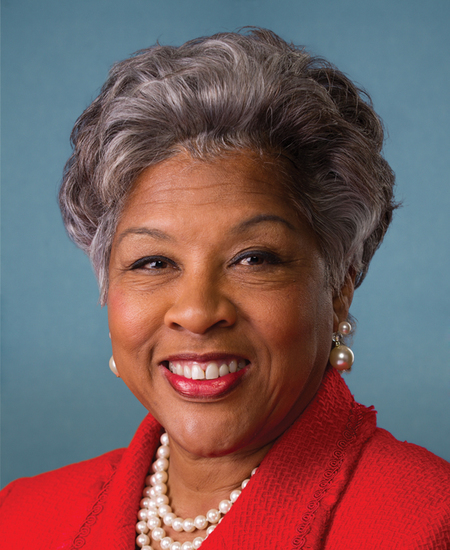
Joyce Beatty
Joyce Beatty House · District 3
D
Strong +
84% 135
Mike Quigley
Mike Quigley House · District 5
D
Strong +
84% 146
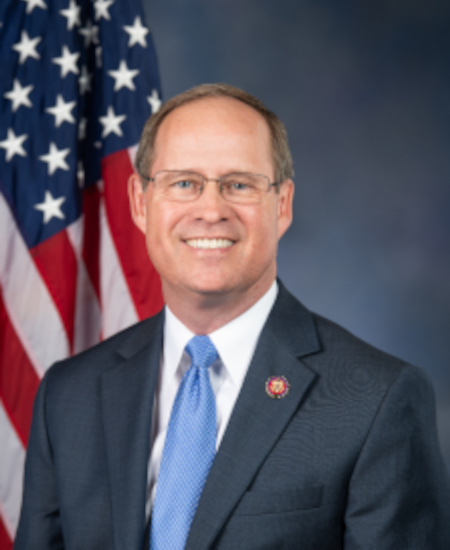
Gregory F. Murphy
Gregory F. Murphy House · District 3
R
Strong −
14% 123
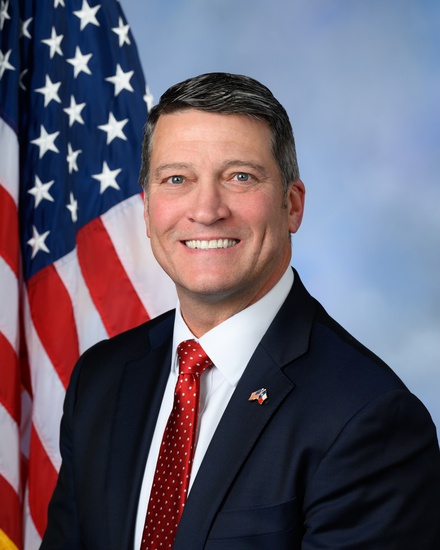
Ronny Jackson
Ronny Jackson House · District 13
R
Strong −
15% 145
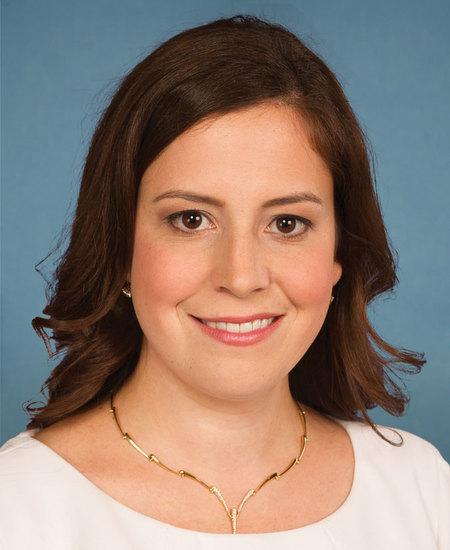
Elise M. Stefanik
Elise M. Stefanik House · District 21
R
Strong −
16% 132
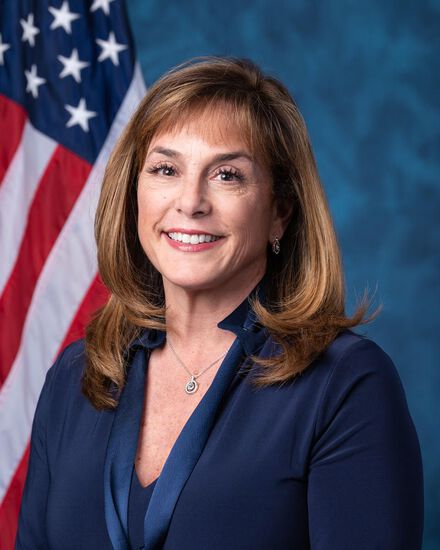
Lisa C. McClain
Lisa C. McClain House · District 9
R
Strong −
16% 147
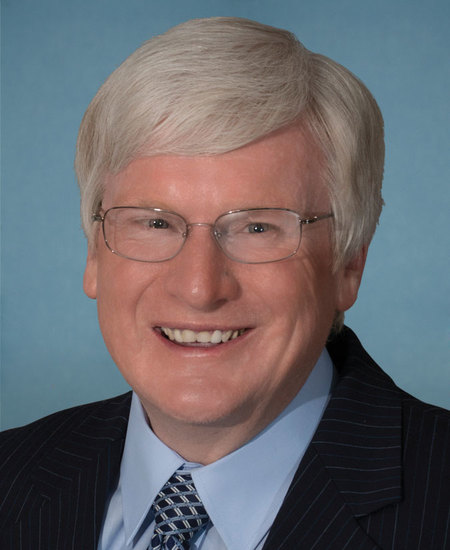
Glenn Grothman
Glenn Grothman House · District 6
R
Strong −
16% 147
Showing 231–240 of 325 bills

All immigration bills

in committee · United States · Senate Feb 20, 2025

S 646: Born in the USA Act

This bill prohibits federal funding for Executive Order 14160 (and any successor policies), which attempted to deny U.S. citizenship to children born in the U.S. to non-citizen parents. It directly affects the executive branch by blocking financial support for the controversial order, which contradicted the 14th Amendment and established court precedent like *United States v. Wong Kim Ark*. The bill’s key mechanism is a funding ban, ensuring no government resources can be used to implement policies that undermine birthright citizenship guaranteed by the Constitution and immigration law. It does not alter citizenship rules but prevents enforcement of the challenged executive order.
in committee · United States · House Nov 18, 2025

HR 6118: Support and Defend Our Military Personnel and Their Families Act

This bill streamlines immigration benefits for military personnel and their families. It reduces the residency requirement for naturalization from six months to one year for those serving honorably in contingency operations, and adds spouses, children, and parents of active-duty service members to priority visa categories. It also creates a new pathway for immediate family members to adjust to permanent residency if they're physically present in the U.S., meet admissibility standards, and pay a fee. Additionally, the bill prohibits deportation proceedings against honorably discharged military members or veterans without prior approval from the Secretary of Homeland Security, with a two-year posthumous eligibility period for families if a service member dies from service-related injuries.
in committee · United States · House Jan 12, 2026

HR 7014: To provide for the designation of Burma for temporary protected status.

HR 7014 designates Burma for temporary protected status (TPS) under U.S. immigration law, providing eligible Burmese nationals temporary legal status in the U.S. The bill establishes an 18-month TPS period beginning November 25, 2025, for Burmese nationals who have continuously resided in the U.S. since the bill's enactment, are admissible as immigrants (with limited exceptions), and register with Homeland Security. It also requires the Secretary of Homeland Security to grant prior consent for travel abroad for those with emergency circumstances and ensures returning travelers retain their TPS status. This policy change directly affects Burmese nationals meeting these specific criteria, offering temporary protection from deportation.
Sub-Topics Enforcement
in committee · United States · House Feb 27, 2025

HR 1589: American Dream and Promise Act of 2025

The American Dream and Promise Act of 2025 would create pathways to permanent residency for certain immigrant youth who entered the U.S. as children (Dream Act component) and for individuals from countries with Temporary Protected Status or Deferred Enforced Departure (American Promise Act component). To qualify, applicants must meet continuous physical presence requirements (since January 1, 2021 for Dream Act applicants, and for 3+ years for American Promise applicants), pass background checks, and satisfy educational or employment criteria. Conditional permanent resident status would be granted initially, with the option to convert to full permanent residency after meeting additional requirements like earning a degree, serving in the military for two years, or demonstrating three years of earned income. The bill includes fee exemptions for low-income applicants, establishes a grant program to assist applicants with legal help, and creates specific procedures for background checks and appeals.
Sub-Topics DACA & Dreamers
in committee · United States · House Jun 5, 2025

HR 3794: For the relief of Juana Maria Flores.

HR 3794 grants Juana Maria Flores permanent resident status (lawful permanent residence) under U.S. immigration law, bypassing standard eligibility requirements. The bill waives grounds for removal or denial of admission based on her past immigration records and requires her to file an application within two years of the bill's enactment. It also mandates a one-time reduction in the visa number available for her country of birth and prevents her relatives from gaining preferential immigration status. This is a specific, one-time exception for an individual, not a broad policy change.
in committee · United States · Senate Feb 12, 2025

S 542: English Language Unity Act of 2025

S 542, the English Language Unity Act of 2025, designates English as the official language of the U.S. federal government. It requires all federal government functions - such as laws, regulations, and public communications - to be conducted in English, with exceptions for national security, census work, public health, and Native American language preservation. The bill also mandates that naturalization ceremonies be held in English and that applicants demonstrate understanding of foundational U.S. documents like the Constitution. This directly affects federal agencies, naturalization applicants, and government communications, while preserving existing language rights under specific circumstances.
in committee · United States · Senate Dec 2, 2025

S 3309: Building Housing for the American Dream Act

This bill amends the EB-5 immigrant investor visa program to prioritize housing projects. It redefines "housing project" to include rental housing or homes for purchase as primary residences and directs U.S. Citizenship and Immigration Services to prioritize processing applications for such projects, especially those using federal housing programs like Section 42 tax credits or HOME funds. The bill requires annual reports from Homeland Security on housing-related EB-5 applications and impacts, and mandates a GAO review after three years to assess whether the changes increase immigrant investment in housing. It does not change visa quotas or create new funding but streamlines processing for housing-focused investments.
in committee · United States · Senate Apr 3, 2025

S 1297: Fair Day in Court for Kids Act of 2025

The Fair Day in Court for Kids Act of 2025 requires the government to provide free legal counsel at no cost to unaccompanied children in immigration court proceedings, starting as soon as possible after a notice to appear is issued. It mandates that children receive their complete immigration file within 7 days and have at least 10 days to review it before court proceedings continue, unless they waive this time. The bill also requires annual reports to Congress on the number of children represented, their nationalities and ages, and the effectiveness of legal representation programs.
in committee · United States · House Jun 9, 2025

HR 3832: Kerrie Orozco First Responders Family Support Act

HR 3832, the Kerrie Orozco First Responders Family Support Act, allows the naturalization (becoming a U.S. citizen) of surviving spouses, children, or parents of public safety officers who died from work-related injuries or illnesses, without requiring prior physical presence in the U.S. The bill amends immigration law to remove the standard requirement for physical presence within the U.S. for these family members. It directly affects immediate family members of fallen first responders, including police, firefighters, and emergency medical personnel defined under existing law. The key provision streamlines citizenship eligibility for grieving families who would otherwise face lengthy residency hurdles.
Sub-Topics Citizenship & Naturalization Tags Public Safety
in committee · United States · House Feb 20, 2026

HR 7639: For the relief of Roberto Carlos Lopez.

This bill grants permanent resident status to Roberto Carlos Lopez by bypassing standard immigration rules. It waives grounds for removal or denial that might apply to him, requires his application within 2 years of enactment, and reduces immigrant visa numbers for his country of birth by one. The bill also explicitly denies preferential immigration treatment to his parents, siblings, and brothers under existing law.
Showing 231 to 240 of 325 bills
Previous 1 23 24 25 33 Next