Issue · Immigration

Immigration (Sanctuary Policies)

Every immigration bill, vote, and legislator stance in United States, automatically classified by Maddy, our AI policy reader.

Total bills
213
119th Congress
Top supporter
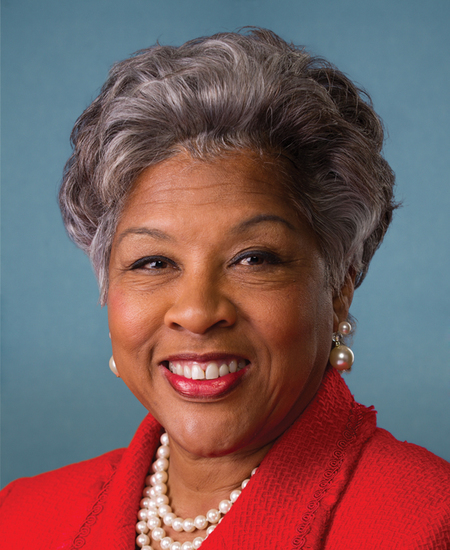
Joyce Beatty
89% support rate
Top opponent
Catherine Cortez Masto
0% support rate
Ranked legislators
10
5 support · 5 oppose
Key legislators

Who's moving sanctuary policies in United States

Legislators moving sanctuary policies in United States
Legislator Party Stance Support rate Decisive votes
Joyce Beatty
Joyce Beatty House · District 3
D
Strong +
89% 9
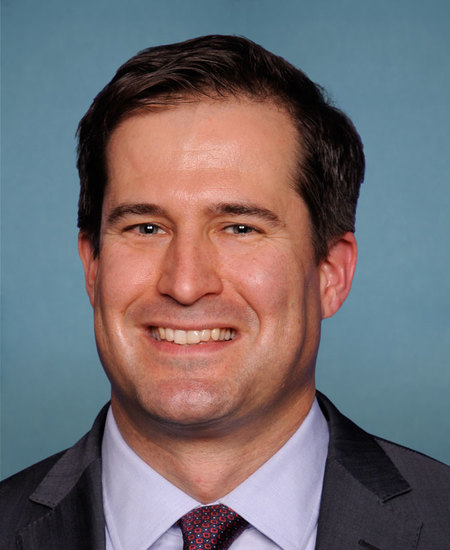
Seth Moulton
Seth Moulton House · District 6
D
Strong +
89% 9
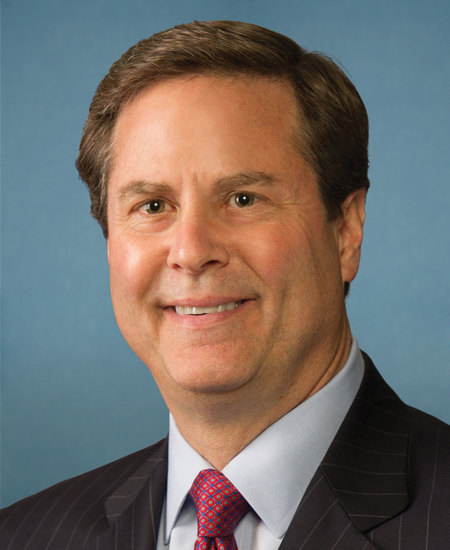
Donald Norcross
Donald Norcross House · District 1
D
Strong +
88% 8
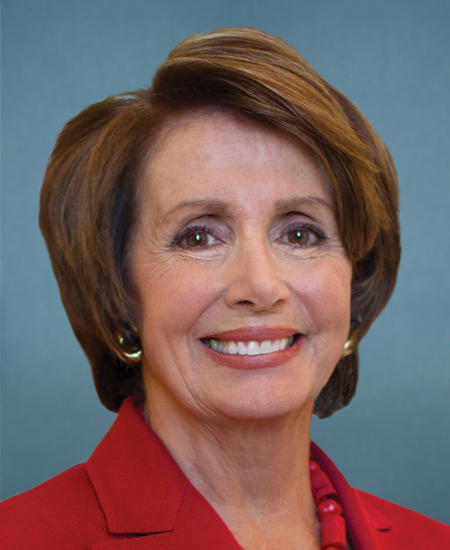
Nancy Pelosi
Nancy Pelosi House · District 11
D
Strong +
88% 8
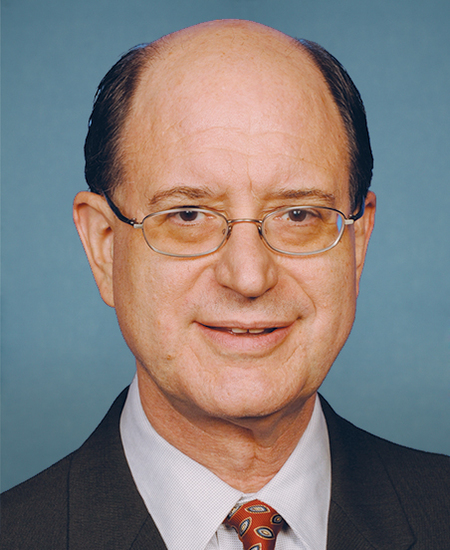
Brad Sherman
Brad Sherman House · District 32
D
Strong +
83% 12
Catherine Cortez Masto
Catherine Cortez Masto Senate
D
Strong −
0% 7
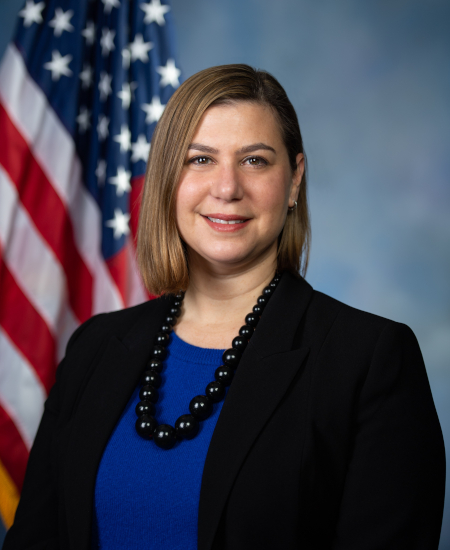
Elissa Slotkin
Elissa Slotkin Senate
D
Strong −
0% 7
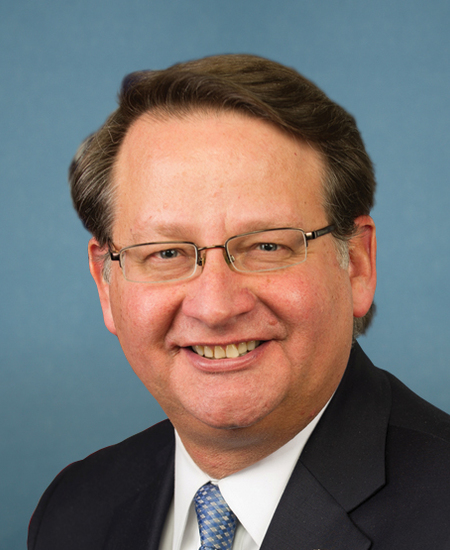
Gary C. Peters
Gary C. Peters Senate
D
Strong −
0% 7
Jacky Rosen
Jacky Rosen Senate
D
Strong −
0% 7
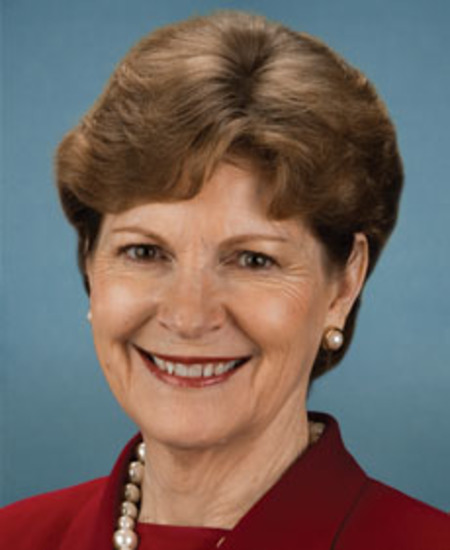
Jeanne Shaheen
Jeanne Shaheen Senate
D
Strong −
0% 7
Showing 201–210 of 213 bills

All immigration bills

in committee · United States · House Mar 7, 2026

HR 1913: BLOC Act

The BLOC Act withholds federal highway construction funds from local governments (like cities or counties) that do not require officials to notify Homeland Security within 48 hours before releasing certain undocumented immigrants detained for at least 48 hours. Specifically, it blocks funding for infrastructure projects if a jurisdiction lacks a policy mandating such notifications for aliens determined by DHS to be unlawfully present. This directly affects local governments operating detention facilities and receiving federal transportation funds, requiring them to comply with DHS notification protocols to maintain funding. The bill does not change immigration law but ties federal infrastructure funding to cooperation with federal immigration enforcement.
in committee · United States · Senate Jan 8, 2026

S 3602: Public Charge Clarification Act of 2026

This bill clarifies the "public charge" rule for immigration, defining it as an immigrant likely to receive public benefits for more than 12 months in any 36-month period. It specifically lists benefits to count - including Medicaid (excluding emergency care for children/pregnant women), food stamps, housing aid, and health subsidies - and requires sponsors to prove financial ability at 125% of the federal poverty line. Applicants deemed likely to become a public charge may need to post a $10,000 bond, forfeitable if they receive benefits within 10 years. The rule applies to all visa and status applications filed after the effective date, excluding refugees, asylees, and military families.
in committee · United States · House Sep 3, 2025

HR 5108: Stop Greenlighting Driver Licenses for Illegal Immigrants Act

HR 5108 prohibits U.S. states from receiving federal Edward Byrne Memorial Justice Assistance Grant Program funds if they issue driver licenses to individuals without proof of U.S. citizenship or lawful presence, or if they restrict government entities from sharing immigration enforcement data with Homeland Security. States violating these rules must return unspent federal grant funds within 30 days and remain ineligible for future grants until they pass laws requiring driver license eligibility proof and permitting immigration data sharing. The bill directly affects states that currently issue licenses to undocumented immigrants or block information sharing with federal immigration authorities. It imposes concrete financial penalties rather than altering driver licensing rules themselves.
in committee · United States · House Jan 7, 2025

HR 218: State Immigration Enforcement Act

HR 218, the State Immigration Enforcement Act, allows states and local governments to create and enforce their own criminal and civil penalties for immigration violations that mirror federal immigration law. It permits states to impose penalties (criminal or civil) for the same conduct prohibited under federal immigration law, but only if those penalties do not exceed the corresponding federal penalties. This bill directly affects states and local law enforcement agencies by giving them authority to enforce immigration-related violations through state-level penalties. The law does not change federal immigration law but establishes a framework for states to implement parallel enforcement mechanisms within defined limits.
passed · United States · House Feb 10, 2025

HR 29: Laken Riley Act

The Laken Riley Act expands mandatory detention for immigrants convicted of certain property crimes like burglary, theft, or shoplifting by adding these offenses to existing immigration detention criteria. It requires the federal government to issue detainers for such individuals and take custody if not detained by local authorities. The bill also grants state attorneys general standing to sue federal officials in federal court if they believe immigration enforcement actions (like releasing detained immigrants) cause the state financial harm exceeding $100. This creates new legal pathways for states to challenge federal immigration decisions through expedited lawsuits.
in committee · United States · Senate Feb 25, 2026

S 3920: UASI Act

S 3920 (UASI Act) requires local governments applying for Urban Areas Security Initiative (UASI) grants to allocate at least 30% of their total grant funds across specific national priority areas, including cybersecurity, soft target protection, and election security. Crucially, it mandates a minimum 10% allocation for "border crisis response and enforcement," which includes activities like cooperating with ICE on detainers, training law enforcement on immigration law, and developing shared technology systems with ICE. Grantees must also submit detailed justifications for border-related spending and certify compliance with DHS rules, including prohibitions on incentivizing illegal immigration. Failure to meet these allocations could result in funding holds, denial of future grants, or termination of current awards. The requirements apply to all UASI grants awarded for fiscal year 2027 and beyond.
in committee · United States · Senate Jan 16, 2025

S 114: CLEAR Act of 2025

The CLEAR Act of 2025 aims to enhance cooperation between state/local law enforcement and federal immigration authorities by requiring states to provide information about apprehended aliens to federal officials and creating a database of immigration violators in the National Crime Information Center. The bill provides financial assistance to states that cooperate with immigration enforcement, increases federal detention space, and establishes training programs for law enforcement officers. It also creates legal immunity for officers following the law and expands a program to identify and remove criminal aliens from prisons. The bill directly affects state and local law enforcement agencies, federal immigration officials, and undocumented immigrants who are apprehended.
in committee · United States · House Jun 26, 2025

HR 4209: No Medicaid for Illegals Act

HR 4209, the "No Medicaid for Illegals Act," would prohibit federal Medicaid and CHIP funding for individuals without verified U.S. citizenship, nationality, or immigration status. It removes the current requirement for states to provide medical coverage while individuals verify their status, meaning states are no longer obligated to cover such individuals during verification periods. States may choose to continue coverage during these periods by electing an optional provision. The bill affects all states administering Medicaid and CHIP programs and would take effect upon enactment.
in committee · United States · House Apr 8, 2025

HR 2708: Safeguarding American Property Act of 2025

This bill amends immigration law to expand mandatory detention for non-citizen immigrants convicted of specific property crimes. It adds trespassing, vandalism, and arson to the list of offenses that trigger detention under Section 236(c) of the Immigration and Nationality Act, alongside burglary and serious bodily injury. Non-citizen immigrants convicted of these crimes would now face automatic detention without bond, rather than potentially being released pending removal proceedings. The key change modifies existing detention criteria to include these three property crimes as grounds for mandatory immigration detention.
in committee · United States · Senate Jan 7, 2026

S 3584: Stop Illegal Aliens Drunk Driving

This bill amends U.S. immigration law to classify certain driving under the influence (DUI) offenses as "aggravated felonies." It specifically targets convictions for DUI causing death or serious injury, regardless of whether the local conviction was labeled a misdemeanor or felony. Non-citizens convicted of such offenses - whether in state, federal, tribal, or local courts - would become inadmissible to the United States. The change applies to all relevant convictions, even if they occurred before the bill's enactment. This policy directly affects non-citizens with these specific DUI convictions, making them subject to immigration penalties like deportation or denial of entry.
Showing 201 to 210 of 213 bills