Issue · Immigration

Immigration (Detention)

Every immigration bill, vote, and legislator stance in United States, automatically classified by Maddy, our AI policy reader.

Total bills
206
119th Congress
Top supporter
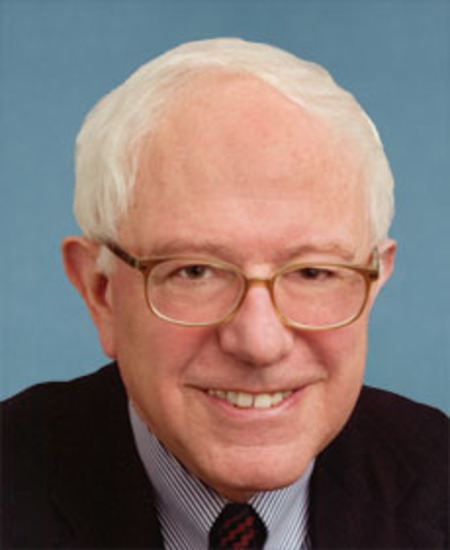
Bernard Sanders
83% support rate
Top opponent
Catherine Cortez Masto
0% support rate
Ranked legislators
10
5 support · 5 oppose
Key legislators

Who's moving detention in United States

Legislators moving detention in United States
Legislator Party Stance Support rate Votes
Bernard Sanders
Bernard Sanders Senate
I
Strong +
83% 6
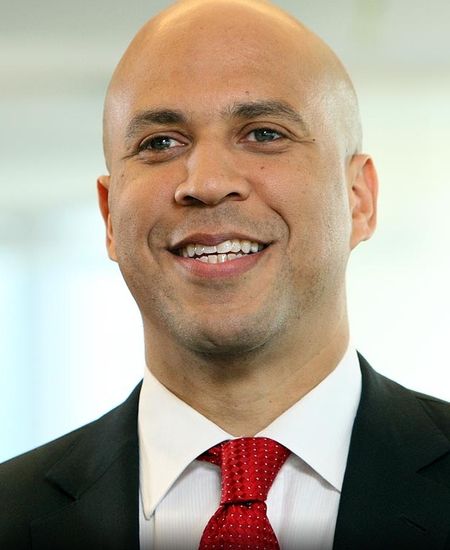
Cory A. Booker
Cory A. Booker Senate
D
Strong +
83% 6
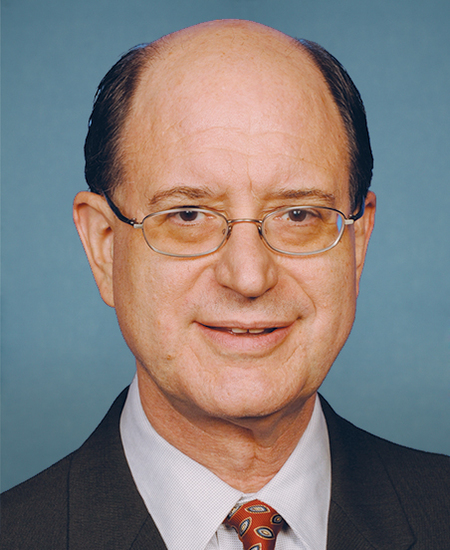
Brad Sherman
Brad Sherman House · District 32
D
Support
75% 4
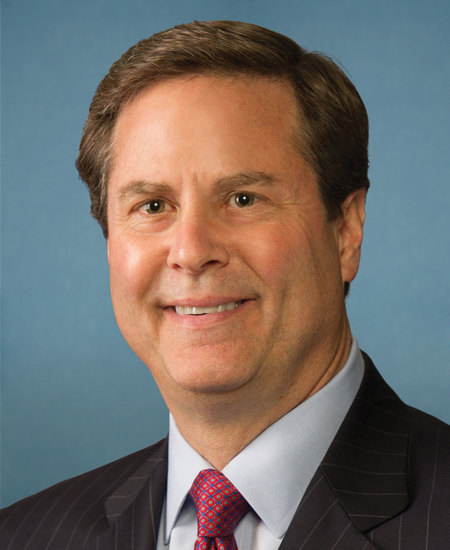
Donald Norcross
Donald Norcross House · District 1
D
Support
75% 4
Emily Randall
Emily Randall House · District 6
D
Support
75% 4
Catherine Cortez Masto
Catherine Cortez Masto Senate
D
Strong −
0% 7
Elissa Slotkin
Elissa Slotkin Senate
D
Strong −
0% 7
Gary C. Peters
Gary C. Peters Senate
D
Strong −
0% 7
Jacky Rosen
Jacky Rosen Senate
D
Strong −
0% 7
Jeanne Shaheen
Jeanne Shaheen Senate
D
Strong −
0% 7
Showing 191–200 of 206 bills

All immigration bills

passed · United States · House Jun 12, 2025

HR 2056: District of Columbia Federal Immigration Compliance Act of 2025

This bill prohibits the District of Columbia from maintaining policies that block government officials from sharing immigration status information with federal authorities or refusing to comply with federal immigration detainers. It specifically requires DC to share citizenship/immigration data and honor detainer requests under federal law, except when an individual is a crime victim or witness. The law directly affects DC government entities, officials, and policies, mandating cooperation with federal immigration enforcement. It does not change DC's authority to protect crime victims but eliminates existing sanctuary-like restrictions.
in committee · United States · House Apr 7, 2025

HRES 295: Expressing Support for the President's Actions to Safeguard National Security and Eliminate Threats from Foreign Terrorist Organizations.

HRES 295 is a resolution expressing congressional support for the President's use of the Alien Enemies Act to remove members of Tren de Aragua (designated as a Foreign Terrorist Organization) from the United States. It references the deportation of noncitizens to El Salvador under a prior agreement and affirms the President's authority to detain or deport foreign terrorists. The resolution does not create new laws but endorses specific security actions taken under existing legal authority. It directly relates to the removal of Tren de Aragua members and their transfer to El Salvador's detention facility.
Sub-Topics Detention Enforcement
in committee · United States · House Feb 2, 2026

HRES 1030: To end ICE abuse.

HRES 1030 is a non-binding House resolution (not a bill) calling for systemic reforms to U.S. Immigration and Customs Enforcement (ICE). It proposes concrete actions including ending qualified immunity for ICE agents, requiring body cameras and visible identification for officers, mandating independent investigations into use-of-force incidents, and replacing ICE with a new Department of Justice agency subject to civilian oversight. The resolution directly affects ICE operations, federal officials, and individuals in immigration custody by demanding accountability for alleged misconduct and structural changes to enforcement practices. It does not create new law but urges the House to take specific actions like opposing DHS funding and repealing $75 billion in ICE appropriations.
in committee · United States · House Jun 24, 2025

HR 4078: Stop Unlawful Detention and End Mistreatment Act of 2025

HR 4078 requires U.S. Immigration and Customs Enforcement (ICE) to create a public online database tracking details about individuals in detention. The database must include detention authority, duration, location (with limited exceptions), transfers, removal orders, demographic data (like nationality and age), disciplinary actions, and specific details about non-traditional detention sites (such as military bases, tribal lands, or overseas locations). It mandates daily updates to the database while prohibiting personally identifiable information, and requires ICE to publish reports on unresolved recommendations from oversight offices. The bill also prohibits cuts to the Office of the Immigration Detention Ombudsman and the Office for Civil Rights and Civil Liberties. This directly affects individuals in ICE custody and provides transparency to the public about detention practices.
in committee · United States · House Feb 24, 2026

HR 7664: State Partnerships to Enhance Removal of Criminal Aliens Act

This bill allows state attorneys (who are licensed and trained) to represent U.S. Immigration and Customs Enforcement (ICE) in removal proceedings for certain criminal aliens, under federal supervision. It requires states to ensure these attorneys follow federal law, provide proper training, and not displace federal employees. The bill also expands the definition of "aggravated felony" to include more state-level crimes (like certain drug offenses or thefts punishable by over one year in prison), making those offenses trigger mandatory immigration removal. This directly affects state attorneys participating in federal immigration enforcement and immigrants convicted of qualifying state crimes.
in committee · United States · Senate Jan 15, 2026

S 3683: Stop Excessive Force in Immigration Act of 2026

S 3683 establishes strict limits on force used by federal immigration officers, requiring non-deadly force only when no safer alternative exists and prohibiting deadly force except under DOJ standards. It mandates body cameras for all officers within 180 days, requires annual de-escalation and civil rights training, and bans equipment like flashbangs without supervisor-approved tactical plans. The bill creates new reporting requirements for the DHS and DOJ, including semiannual congressional reports on force incidents, assaults on officers, and equipment use. These provisions directly affect all federal immigration enforcement personnel, aiming to increase accountability and transparency in enforcement operations.
in committee · United States · Senate Jan 17, 2025

S 149: Public Safety First Act

This bill amends immigration law to require the immediate detention of certain non-citizens who are charged with, arrested for, convicted of, or admit to committing specific crimes - including burglary, theft, shoplifting, assault on police officers, or crimes causing death/serious injury. It directly affects non-citizens facing these offenses by expanding mandatory detention under existing immigration rules. The key provision requires the Homeland Security Secretary to issue a detainer and take custody of such individuals if not already detained by authorities, using definitions of crimes based on the jurisdiction where the offense occurred.
signed · United States · Senate Jan 29, 2025

S 5: Laken Riley Act

Laken Riley Act This act requires the Department of Homeland Security (DHS) to detain certain non-U.S. nationals ( aliens under federal law) who have been arrested for burglary, theft, larceny, shoplifting, assault of a law enforcement officer, or any crime that results in death or serious bodily injury to another person. The act also authorizes states to sue the federal government for decisions or alleged failures related to immigration enforcement. Under this act, DHS must detain an individual who (1) is unlawfully present in the United States or did not possess the necessary documents when applying for admission; and (2) has been charged with, arrested for, convicted of, or admits to having committed acts that constitute the essential elements of the above crimes. The act also authorizes state governments to sue for injunctive relief over certain immigration-related decisions or alleged failures by the federal government if the decision or failure caused the state or its residents harm, including financial harm of more than $100. Specifically, the state government may sue the federal government over a decision to release a non-U.S. national from custody; failure to fulfill requirements relating to inspecting individuals seeking admission into the United States, including requirements related to asylum interviews; failure to fulfill a requirement to stop issuing visas to nationals of a country that unreasonably denies or delays acceptance of nationals of that country; violation of limitations on immigration parole, such as the requirement that parole be granted only on a case-by-case basis; or failure to detain an individual who has been ordered removed from the United States.
in committee · United States · House Sep 19, 2025

HRES 754: Recognizing the psychological impact of immigration enforcement overreach on individuals, their families, and their community.

HRES 754 is a House resolution recognizing the psychological harm caused by current immigration enforcement practices, specifically affecting undocumented immigrants, their families (including 5.5 million U.S.-citizen children living with undocumented relatives), and communities. It condemns ICE tactics that undermine due process and Fourth Amendment rights, such as expedited deportations and courthouse arrests, and calls for Congress to oversee ICE detention centers and monitor policy implementation. The resolution also requests federal agencies collect data on mental health impacts and collaborate with nonprofits to provide culturally appropriate mental health services to affected communities. As a non-binding resolution, it does not change laws but formally acknowledges documented psychological effects like anxiety, family separation trauma, and disrupted community stability.
Sub-Topics Detention Enforcement Sanctuary Policies Tags Civil Liberties
in committee · United States · Senate Jan 8, 2026

S 3602: Public Charge Clarification Act of 2026

This bill clarifies the "public charge" rule for immigration, defining it as an immigrant likely to receive public benefits for more than 12 months in any 36-month period. It specifically lists benefits to count - including Medicaid (excluding emergency care for children/pregnant women), food stamps, housing aid, and health subsidies - and requires sponsors to prove financial ability at 125% of the federal poverty line. Applicants deemed likely to become a public charge may need to post a $10,000 bond, forfeitable if they receive benefits within 10 years. The rule applies to all visa and status applications filed after the effective date, excluding refugees, asylees, and military families.
Showing 191 to 200 of 206 bills