Issue · Immigration

Immigration

Every immigration bill, vote, and legislator stance in United States, automatically classified by Maddy, our AI policy reader.

Total bills
325
119th Congress
Top supporter
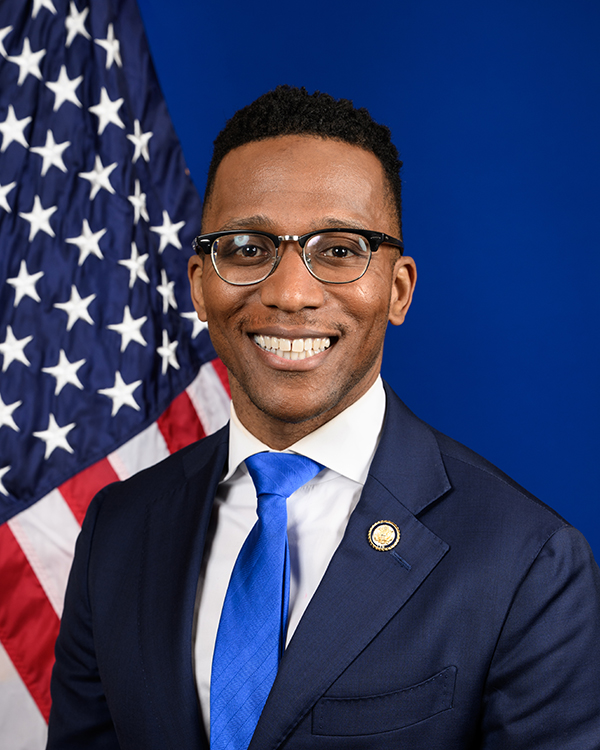
Christian D. Menefee
88% support rate
Top opponent
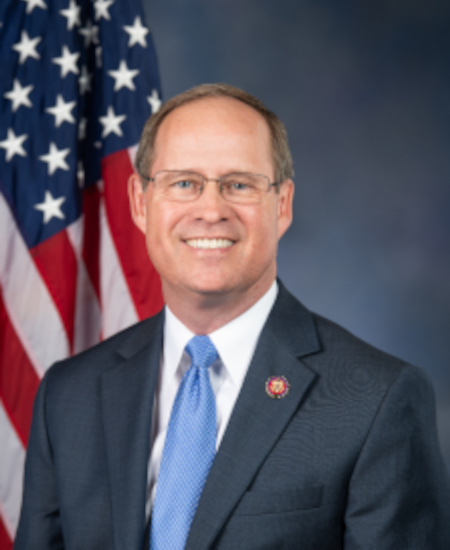
Gregory F. Murphy
14% support rate
Ranked legislators
10
5 support · 5 oppose
Key legislators

Who's moving immigration in United States

Legislators moving immigration in United States
Legislator Party Stance Support rate Votes
Christian D. Menefee
Christian D. Menefee House · District 18
D
Strong +
88% 66
Nancy Pelosi
Nancy Pelosi House · District 11
D
Strong +
86% 139
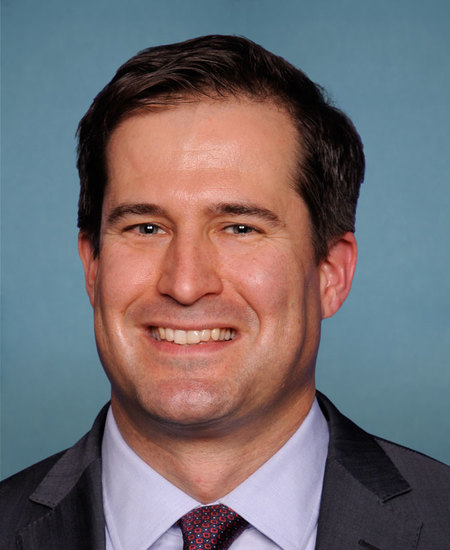
Seth Moulton
Seth Moulton House · District 6
D
Strong +
85% 127
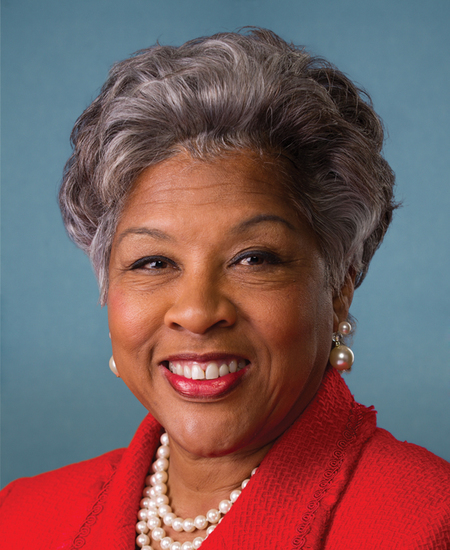
Joyce Beatty
Joyce Beatty House · District 3
D
Strong +
84% 135
Mike Quigley
Mike Quigley House · District 5
D
Strong +
84% 146
Gregory F. Murphy
Gregory F. Murphy House · District 3
R
Strong −
14% 123
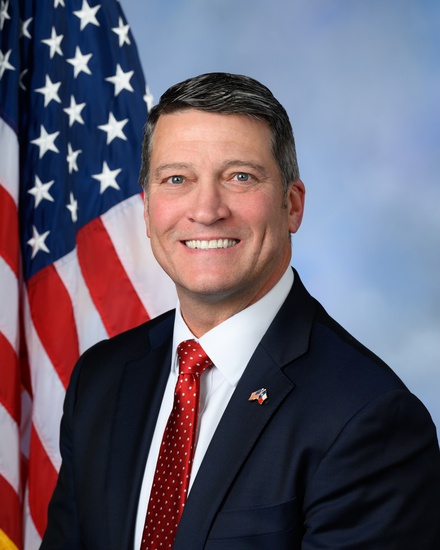
Ronny Jackson
Ronny Jackson House · District 13
R
Strong −
15% 145
Elise M. Stefanik
Elise M. Stefanik House · District 21
R
Strong −
16% 132
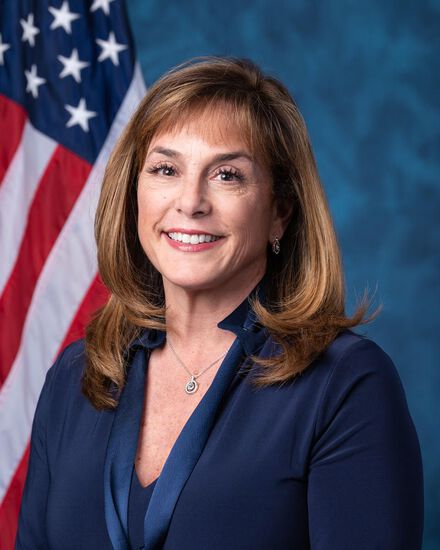
Lisa C. McClain
Lisa C. McClain House · District 9
R
Strong −
16% 147
Glenn Grothman
Glenn Grothman House · District 6
R
Strong −
16% 147
Showing 181–190 of 325 bills

All immigration bills

passed · United States · House Apr 21, 2026

HR 1689: To require the Secretary of Homeland Security to designate Haiti for temporary protected status.

This bill mandates that the Secretary of Homeland Security grant temporary protected status (TPS) to Haitian nationals already residing in the United States. It requires the designation to begin on August 3, 2025, and last for 18 months, allowing eligible individuals to legally stay and work during that period. The bill directly affects Haitian nationals in the U.S. who qualify under TPS criteria, providing them temporary relief from deportation. The key provision is the mandatory 18-month TPS period with a specific start date, overriding other legal provisions that might otherwise prevent such a designation.
in committee · United States · House Feb 13, 2025

HR 1348: Venezuelan Adjustment Act

HR 1348, the Venezuelan Adjustment Act, allows certain Venezuelans already in the U.S. to apply for permanent residency. It directly affects Venezuelans who entered the U.S. before December 31, 2021, and have lived there continuously for at least one year, plus their spouses and children. Key provisions include waiving specific inadmissibility grounds (like some criminal convictions), granting work authorization after 180 days of pending applications, and halting removal proceedings during processing. The bill also ensures no reduction in available immigrant visas and establishes a record of permanent residence upon approval.
in committee · United States · House Sep 18, 2025

HR 5494: Essential Workers for Economic Advancement Act

The Essential Workers for Economic Advancement Act creates a new H-2C nonimmigrant visa category for foreign workers in non-agricultural jobs requiring little or moderate preparation (classified as zone 1-3 occupations), directly affecting employers in full employment areas (where unemployment is ≤7.9%) and workers in those occupations. To hire an H-2C worker, employers must first recruit U.S. workers through specific methods (advertising for 30 days and using at least 3 recruiting activities), pay a 5% "scarcity recruitment fee" if they can't find a U.S. worker, and register with the government. The bill sets an annual limit of 65,000 H-2C positions for the first year, with potential increases based on how quickly positions are filled, and includes worker protections like minimum wage requirements, prohibitions on treating workers as independent contractors, and whistleblower protections. Employers must also use E-Verify and participate in an electronic monitoring system to track H-2C workers' employment status.
Sub-Topics Work Authorization
in committee · United States · House Dec 2, 2025

HR 6355: Corporal Fernando Ruiz Baltazar Posthumous Citizenship Act of 2025

This bill grants posthumous U.S. citizenship to noncitizens who served honorably in the U.S. military during World War II while enlisted in the Philippines and died between September 1, 1939, and December 31, 1946. It amends the Immigration and Nationality Act to include these veterans under specific eligibility criteria: they must have died from service-related injuries or diseases, and met enlistment requirements during that historical period. The bill removes barriers by clarifying that the standard naturalization requirements (section 319(d)) and related provisions (section 1703 of the 2004 Defense Act) do not apply to this group. This allows descendants to petition for citizenship on behalf of qualifying deceased service members through a certification from the relevant military department.
in committee · United States · House Nov 7, 2025

HR 5979: Immigration Document Delivery Accountability Act of 2025

HR 5979, the Immigration Document Delivery Accountability Act of 2025, requires U.S. Citizenship and Immigration Services (USCIS) to implement a tracking system for immigration documents mailed by the U.S. Postal Service. Within 180 days of the law’s passage, USCIS must mandate either a USPS barcode for document tracking or a recipient signature requirement for all mailed immigration documents - excluding in-person deliveries. This applies directly to USCIS and the U.S. Postal Service when delivering documents related to an individual’s immigration status. The law aims to create a verifiable record of document delivery to improve accountability.
in committee · United States · House Mar 5, 2026

HR 7785: Protecting Our Communities Act

HR 7785, the Protecting Our Communities Act, requires federal immigration enforcement personnel (such as those in ICE and CBP) to wear body cameras during operations and display visible identification during arrests or detentions. The bill mandates body cameras with specific field-of-view requirements, prohibits facial recognition use, and requires one-year footage retention with access for subjects, families, or legal counsel. It also mandates de-escalation training, prohibits face coverings during enforcement, and requires federal agencies to report quarterly to Congress on force usage, assaults on officers, and failures to display identification. The law directly affects federal immigration enforcement operations and aims to increase transparency and accountability during border security and immigration enforcement activities.
in committee · United States · House Dec 4, 2025

HR 6397: Dignity for Detained Immigrants Act

The Dignity for Detained Immigrants Act establishes minimum standards for detention facilities operated by the Department of Homeland Security, requiring them to follow the American Bar Association's Civil Immigration Detention Standards. It mandates annual unannounced inspections by the DHS Inspector General, with penalties including fines for noncompliant private facilities and transfers of detainees from noncompliant facilities. The bill requires DHS to publicly report on facility compliance, phase out private detention facilities over three years, and prohibit solitary confinement. It also ensures detainees have access to legal orientation, counsel, and more frequent custody review hearings. The bill directly affects all individuals detained in DHS custody, including immigrants, asylum seekers, and refugees held in facilities operated by or contracted to DHS.
in committee · United States · House Sep 11, 2025

HR 5333: 9/11 Immigrant Worker Freedom Act

The 9/11 Immigrant Worker Freedom Act creates a pathway for certain immigrants who worked or volunteered in the immediate aftermath of the September 11, 2001, attacks to adjust to lawful permanent resident status. It covers individuals who provided rescue, recovery, or cleanup services at the World Trade Center site (lower Manhattan, Staten Island, or barge piers), the Pentagon, or the Shanksville, Pennsylvania, crash site for specified hours during defined periods, as well as vehicle-maintenance workers exposed to debris. Key provisions include work authorization during the application process, fee waivers for low-income applicants (at or below 250% of the federal poverty level), and strict confidentiality to prevent immigration enforcement actions based on application information. Approved status does not reduce the overall number of available immigrant visas.
in committee · United States · House Nov 7, 2025

HR 5941: Restoring Access for Detainees Act

HR 5941, the Restoring Access for Detainees Act, requires U.S. Immigration and Customs Enforcement (ICE) to provide immigration detainees in DHS custody with specific communication access. It mandates 200 free monthly minutes for general outgoing calls, unlimited free minutes for contacting legal counsel, courts, consulates, or oversight offices, and special initial contact provisions during arrival or transfer. Detention facilities must allow uninterrupted legal communication time, cannot restrict minutes for legal calls, and must provide private spaces for confidential legal discussions. The bill also requires facilities to establish clear, publicly available communication policies that comply with these requirements.
in committee · United States · House Dec 2, 2025

HR 6349: Migrant Due Process Protection Act

The Migrant Due Process Protection Act (HR 6349) would require immigration judges to allow non-citizens in removal proceedings (who are not held in government custody) to request virtual hearings via video or phone. Judges must approve such requests and ensure virtual formats do not disadvantage the individual. This directly affects people facing deportation who are not currently detained by immigration authorities. The bill adds a new procedural option for remote hearings without changing legal standards or outcomes.
Showing 181 to 190 of 325 bills
Previous 1 18 19 20 33 Next